

Trusting Dog Nutrition: Who is Feeding Your Dog
When it comes to our beloved furry friends, there is nothing more important than their health and well-being. Responsible pet owners go above and beyond to ensure they receive the best care possible. From regular vet visits to providing them with a safe and loving environment, we strive to meet all their needs. However, one aspect of their care often goes overlooked – who is feeding your dog?
Feeding our dogs is a daily task that may seem simple at first glance. After all, it’s just a matter of putting food in their bowl, right? But have you ever stopped considering the importance of building trust with the person responsible for this crucial task? Trust is the foundation of any relationship, and the bond between your dog and their caregiver is no exception.
Building trust with the person feeding your dog is essential for peace of mind. It ensures that your dog’s nutritional needs are met, and their feeding routine remains consistent. It also allows you to relax and enjoy your time away, knowing that your furry friend is in good hands.
This introductory article will explore various aspects of building trust with the person feeding your dog. From choosing the right caregiver to establishing clear communication, we will delve into key elements contributing to a strong, trusting relationship. So, join us on this journey as we uncover the secrets to building trust and ensuring the well-being of your beloved companion.
How to build trust with the person who is feeding your dog

Building trust with the person responsible for feeding your dog is crucial for your peace of mind and your dog’s well-being. Whether it’s a family member, friend, or pet sitter, establishing trust ensures that your dog’s needs are met and that they feel safe and secure during mealtime. Here are some tips to help you build trust with the person feeding your dog.
Consistency is key when it comes to feeding your dog. Ensure that the person responsible for feeding your dog follows a consistent schedule and provides the same type and amount of food. Dogs thrive on routine; this consistency will help build trust and create a sense of security for your furry friend.
Communication is essential in any relationship between you, your dog, and the person feeding them. Communicate your expectations and any specific instructions regarding your dog’s diet. This will help the person understand your dog’s needs and ensure they are met.
Allow the person feeding your dog to spend quality time with them outside of mealtime. This will help to strengthen the bond between them and your dog. Please encourage them to engage in playtime or walks, creating positive associations and building trust.
Regularly check in with the person feeding your dog to ensure everything is going smoothly. Address any concerns or issues promptly and openly. This will demonstrate your commitment to your dog’s well-being and help to build trust over time.
In conclusion, building trust with the person feeding your dog is essential for your furry friend’s overall happiness and health. By following these tips and establishing open communication, consistency, and positive associations, you can ensure your dog feels safe, secure, and well-cared for during mealtime.
How to ensure your dog is being fed properly
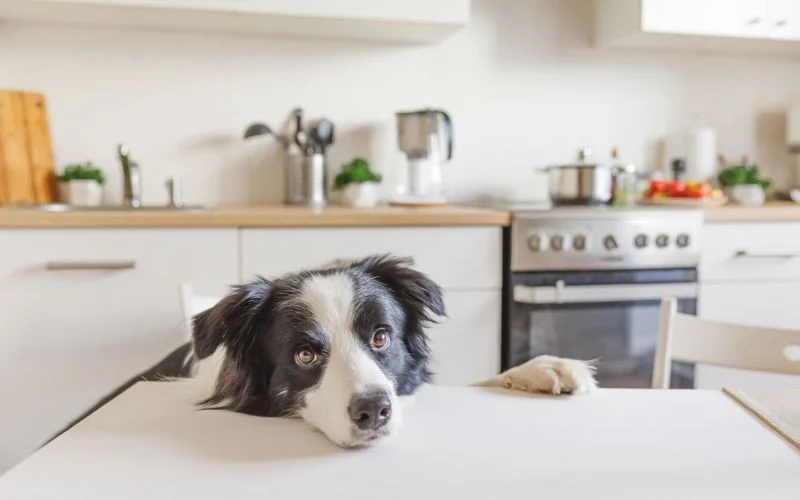
Feeding our furry friends is essential to being a responsible pet owner. However, when it comes to entrusting someone else with the task of feeding your dog, it can be a bit nerve-wracking. Building trust with the person providing your dog is crucial to ensure your pet receives the care and nutrition they need. Here are some tips to help you ensure your dog is fed properly.
Firstly, communication is key. Ensure you have open and honest conversations with the person feeding your dog. Discuss your dog’s dietary needs, including any allergies or sensitivities. Provide clear instructions on portion sizes and feeding times. Regularly check in with the person to ensure they follow your instructions and address any concerns or questions.
Secondly, establish a routine. Dogs thrive on performance, and having a consistent feeding schedule can help them feel secure and comfortable. Set specific meal times and stick to them as much as possible. This will benefit your dog and help the person feeding them to develop a routine and ensure they don’t forget or skip meals.
Additionally, consider providing written instructions. Sometimes verbal communication can be easily forgotten or misunderstood. Written instructions can serve as a reference guide for the person feeding your dog. Include details such as the type of food, portion sizes, and any additional supplements or medications your dog may require.
Lastly, trust your instincts. If you have any doubts or concerns about the person feeding your dog, it’s important to address them. Trust is essential when it comes to the well-being of your pet. If you feel uneasy or unsure about the situation, consider finding an alternative solution or discussing your concerns with the person involved.
How to communicate your dog’s dietary needs effectively
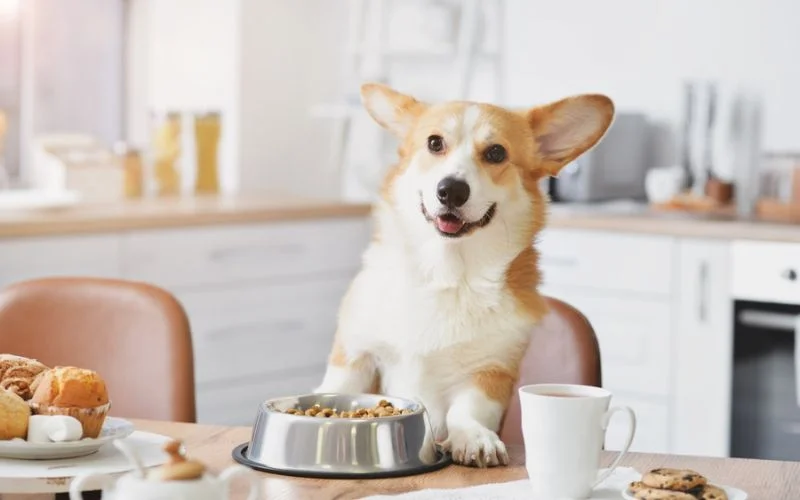
Feeding your dog the right diet is crucial for their health and well-being. As a responsible pet owner, you must effectively communicate your dog’s dietary needs to ensure they receive the proper nutrition they require. Building trust with whoever is feeding your dog is crucial, as it ensures that your furry friend’s needs are met consistently.
One of the most effective ways to communicate your dog’s dietary needs is by providing clear instructions. Whether you are leaving your dog with a friend, family member, or a professional pet sitter, provide detailed guidelines on what and how much to feed your dog. Include information about their specific dietary restrictions, if any, and any allergies they may have.
Using visual aids can also help communicate your dog’s dietary needs. Consider creating a feeding chart that outlines the appropriate portion sizes and timings. This can be especially useful if your dog requires multiple meals throughout the day or has specific dietary requirements. Visual aids make it easier for others to understand and follow your instructions accurately.
Regular communication is key to building trust and meeting your dog’s dietary needs. Check in with the person responsible for feeding your dog and ask for updates on their eating habits and any concerns they may have noticed. This open line of communication allows for any necessary adjustments to be made promptly.
Lastly, provide resources such as contact information for your veterinarian or a trusted pet nutritionist. This way, whoever feeds your dog can seek professional advice if needed. Access to expert guidance can help ensure your dog’s dietary needs are met appropriately.
How to establish a feeding routine for your dog

Feeding your dog is not just about providing them with sustenance; it is also crucial to building trust and strengthening your bond with them. Establishing a feeding routine can help create a sense of security and predictability for your furry friend. This article will explore some effective strategies to develop a feeding routine for your dog.
First and foremost, it is important to determine the appropriate amount of food for your dog based on its age, breed, and activity level. Consult with your veterinarian to ensure you provide your pet with the right nutrition. Once you have determined the right amount, divide it into two or three meals daily, depending on your dog’s needs.
Consistency is key when establishing a feeding routine. Feed your dog simultaneously daily, preferably in a quiet and calm environment. This will help them associate mealtime with a positive experience and create a sense of trust. Avoid sudden changes in their feeding schedule, as it can disrupt their routine and cause unnecessary stress.
When it comes to feeding, providing your dog with a designated eating area is essential. This can be a specific spot in your kitchen or a separate feeding station. By having a designated place, your dog will learn that this is their space for meals, further reinforcing the routine and trust-building process.
During feeding time, stay present and engage with your dog. Avoid distractions and focus on their meal. This will help establish trust and allow you to monitor their eating habits and ensure they are consuming their food properly.
How to choose a trustworthy person to feed your dog
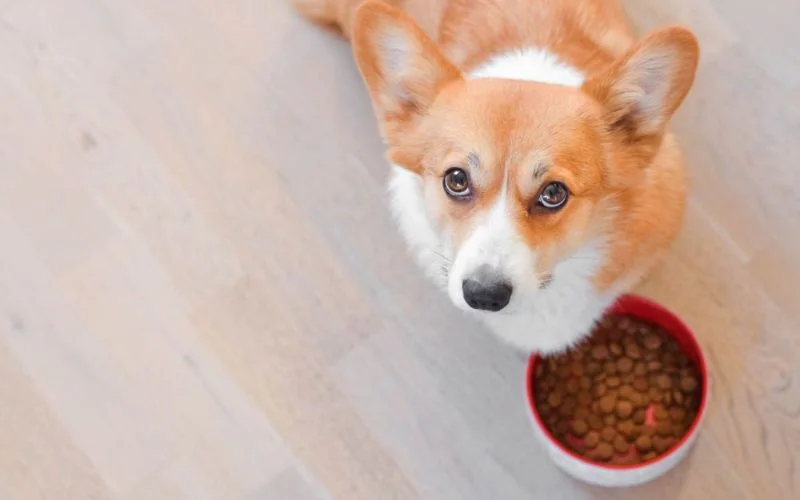
When it comes to entrusting someone with the responsibility of feeding your furry friend, it is crucial to choose a reliable, caring, and knowledgeable person. Building trust with the person who provides your dog is essential for your peace of mind and your dog’s well-being. Here are some tips to help you find a trustworthy person to care for your pet’s feeding needs.
First and foremost, consider someone who has experience with dogs. Look for individuals who have a genuine love for animals and a good understanding of their dietary requirements. A person who has owned or worked with dogs in the past will likely have the necessary knowledge to handle feeding routines and any special dietary needs your dog may have.
Ask for recommendations from friends, family, or fellow dog owners. Getting referrals from people you trust can give you valuable insights into the reliability and trustworthiness of potential candidates. Additionally, you can contact local pet care services or dog boarding facilities for recommendations.
Trust your instincts. During the interview, observe how the person interacts with your dog. Observe their demeanor and how they handle the feeding process. A trustworthy person will demonstrate patience, kindness, and attentiveness toward your pet.
Lastly, consider conducting a trial period before fully entrusting someone responsible for feeding your dog. This will allow you to assess their reliability and the compatibility between your dog and the potential caregiver.
How to monitor your dog’s eating habits when someone else is feeding them
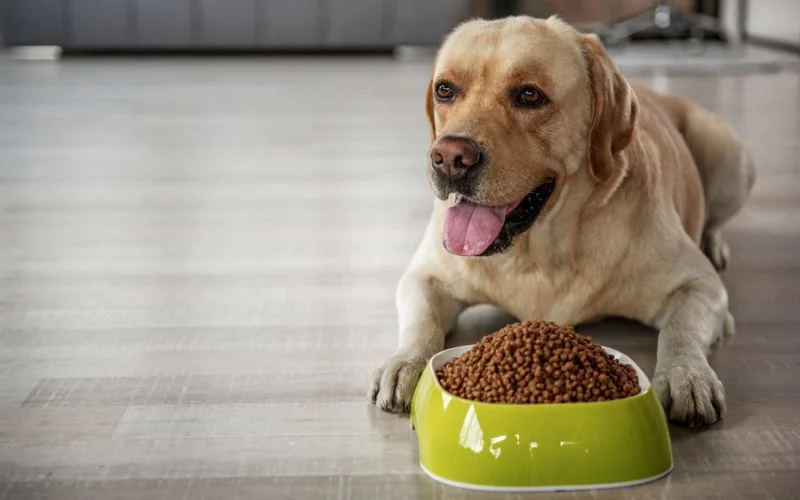
Feeding our furry friends is an essential part of their daily routine. But what happens when we can’t be there to provide for them ourselves? Whether it’s a pet sitter, family member, or friend, entrusting someone else to feed your dog can be daunting. Building trust with the person providing your dog is crucial to ensure your pet’s well-being. This article will explore effective ways to monitor your dog’s eating habits when someone else is in charge.
One of the simplest ways to keep track of your dog’s meals is through a feeding schedule. Provide clear instructions to the person feeding your dog about the exact times and quantities of food. This will help maintain consistency and prevent overfeeding or underfeeding. Consider using a food dispenser with a timer to automate the process and ensure your dog gets fed on time.
Another method to monitor your dog’s eating habits is using a pet camera. These cameras allow you to remotely check in on your dog and observe its mealtime behavior. Some cameras even come with built-in treat dispensers, allowing you to reward your dog from a distance. By visualizing your dog’s feeding routine, you can ensure everything goes smoothly.
Communication is key when entrusting someone else with your dog’s meals. Regularly check in with the person responsible for feeding your dog to address any concerns or questions. Provide them with your contact information and encourage them to reach out if they have any doubts. This open line of communication will help build trust and ensure your dog’s needs are met.
How to address any concerns or issues with the person feeding your dog
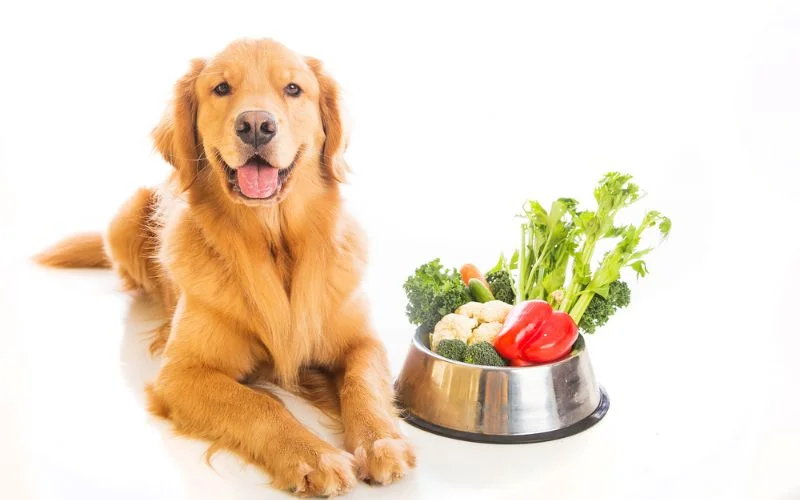
Feeding your dog is an important responsibility, and ensuring that the person taking care of this task is trustworthy and reliable is crucial. However, if you have any concerns or issues with the person feeding your dog, it’s essential to address them promptly and effectively. Here are some steps you can take to resolve any problems:
Communicate openly: Start by having an open and honest conversation with the person feeding your dog. Clearly express your concerns or issues and listen to their perspective. Effective communication is key to resolving any misunderstandings or conflicts.
Provide clear instructions: Ensure the person feeding your dog understands your expectations and requirements. Provide them with clear instructions regarding the type and amount of food, feeding schedule, and any specific dietary restrictions. This will help ensure that your dog’s needs are met.
Monitor the feeding process: Monitor how the person feeds your dog. Observe their interactions with your pet and ensure they follow your instructions. Regularly check the food bowls and water supply to ensure your dog receives proper care.
Establish trust gradually: If you have recently hired someone to feed your dog, giving them time to build trust with your pet is important. Start by supervising their interactions and gradually allow them to take on more responsibility. This will help you assess their reliability and ensure your dog is comfortable with them.
Building trust with the person feeding your dog is crucial for your pet’s well-being. By addressing any concerns or issues promptly and effectively, you can ensure that your dog is in good hands and receiving the care it deserves.
How to maintain open communication and trust with the person feeding your dog
Building trust with the person responsible for feeding your dog is essential for your peace of mind and your pet’s well-being. By establishing open communication and fostering a trusting relationship, you can ensure your dog receives the care and attention they deserve. Here are some tips to help you maintain trust with the person feeding your dog.
First and foremost, establish clear expectations and guidelines. Communicate your dog’s dietary needs, allergies, and any specific instructions regarding feeding times or portion sizes. This will help the person understand the importance of following these guidelines and ensure your dog’s health and safety.
Regular check-ins are crucial for maintaining trust. Schedule periodic meetings or phone calls to discuss your dog’s progress and address concerns. This will allow you to provide feedback and make adjustments if necessary. It also shows that you are invested in your dog’s well-being and value the person’s role in their care.
Transparency is key to building trust. Encourage the person to share any observations or concerns they may have about your dog’s behavior or health. This open dialogue will enable you to address any issues promptly and work together to find solutions.
Lastly, show appreciation for their efforts. Recognize and acknowledge the person’s dedication to your dog’s well-being. A simple thank you can go a long way in fostering trust and building a positive relationship.
Conclusion
Building trust with the person feeding your dog is crucial for ensuring your furry friend’s well-being. Throughout this post, we have discussed key points that can help you establish a strong bond and effective communication with the person responsible for your dog’s meals.
First and foremost, we explored the importance of building trust with the person feeding your dog. Trust is the foundation of any successful relationship, and when it comes to your pet’s nutrition, it becomes even more critical. By establishing trust, you can have peace of mind knowing that your dog is fed properly and their dietary needs are met.
To ensure your dog is being fed properly, we discussed the significance of effective communication. Conveying your dog’s dietary requirements, preferences, and allergies or sensitivities is essential. You can help the person feeding your dog make informed choices and avoid potential issues by providing detailed instructions.
Establishing a feeding routine for your dog was another important aspect covered in this post. Dogs thrive on performance, and having a consistent feeding schedule can contribute to their overall well-being. We provided tips on creating a feeding routine that suits your dog’s needs and lifestyle.
Lastly, we emphasized the importance of maintaining open communication and trust with the person feeding your dog. Regular check-ins, feedback, and updates can help strengthen the bond and ensure your dog’s needs are consistently met.
Thank you for reading this post and your commitment to your dog’s well-being. We encourage you to leave any comments or feedback, as your input is valuable in creating a supportive community of dog owners who prioritize their pets’ nutrition and trust-building.
