

Ways to Fight Obesity in Your Dog: Managing Dog Weight
Obesity is not just a problem that affects humans. Our furry companions can also suffer from this condition. In fact, according to recent studies, over 50% of dogs in the United States are overweight or obese. This alarming statistic highlights the importance of addressing this issue and taking proactive steps to keep our canine friends healthy and fit.
In this guide, we will explore various ways to fight obesity in your dog. From dietary adjustments to exercise routines, we will explore the most effective strategies to help your furry friend shed those extra pounds and maintain a healthy weight.
One of the key factors in combating obesity in dogs is a balanced diet. Like humans, dogs need a well-rounded and nutritious meal plan to thrive. We will discuss the importance of portion control, the benefits of high-quality dog food, and the role of treats in your dog’s diet. Additionally, we will explore alternative feeding methods, such as interactive toys and slow feeders, which can help regulate your dog’s eating habits.
Regular exercise is another crucial aspect of fighting obesity in dogs. We will provide insights into different types of exercises that are suitable for various breeds and sizes. Whether it’s brisk walks, engaging in interactive play sessions, or even swimming, we will cover a range of activities to keep your dog active and burn those excess calories.
Join us on this informative journey as we explore the ways to fight obesity in your dog. Together, we can ensure our beloved companions lead long, healthy, and fulfilling lives. Stay tuned for our upcoming articles, where we will delve deeper into each topic, providing practical tips and expert advice to help your dog achieve and maintain a healthy weight.
How to Fight Obesity in Your Dog
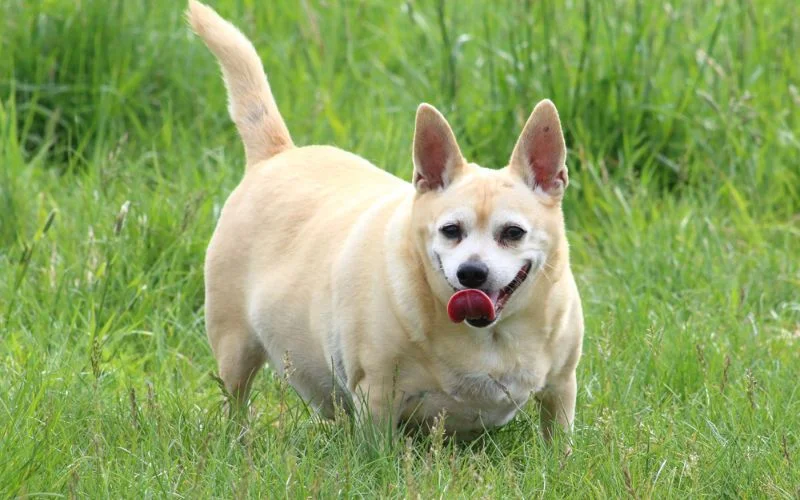
Obesity is a growing concern among dogs, with more pets classified as overweight or obese. Just like in humans, obesity in dogs can lead to a variety of health problems, including joint issues, heart disease, and diabetes. To ensure the well-being of your furry friend, it’s important to fight obesity and maintain a healthy weight. Here are some effective ways to help your dog shed those extra pounds.
First and foremost, consult with your veterinarian. They can provide valuable guidance and create a tailored weight loss plan for your dog. They will consider factors such as breed, age, and activity level to determine the appropriate caloric intake and exercise routine.
One of the most crucial aspects of fighting obesity in dogs is managing their diet. Avoid free-feeding and establish a regular feeding schedule with controlled portions instead. Opt for high-quality, low-calorie dog food specifically formulated for weight management. Additionally, avoid giving table scraps or excessive treats, as these can contribute to weight gain.
Regular exercise is vital for weight loss. Engage your dog in daily physical activities such as brisk walks, jogs, or play sessions. Gradually increase the duration and intensity of exercise to help them burn more calories and build muscle. Remember to choose activities suitable for your dog’s age and fitness level.
Incorporating mental stimulation into your dog’s routine can also be beneficial. Puzzle toys and interactive games can keep them mentally engaged and reduce the likelihood of overeating due to boredom.
These tips can help your dog fight obesity and improve their health and well-being. Remember, consistency is key, and with your dedication and support, your dog can achieve a healthy weight and lead a happier, more active life.
The Importance of Exercise for Dogs

Exercise is crucial in maintaining our furry friend’s overall health and well-being. Like humans, dogs need regular physical activity to stay fit and fight obesity. Lack of exercise is one of the leading causes of obesity in dogs. In this article, we will explore the importance of exercise for dogs and how it can help in the battle against obesity.
Regular exercise helps dogs maintain a healthy weight and improves their cardiovascular health. Like humans, dogs need to get their hearts pumping and blood flowing to stay in top shape. Exercise helps strengthen their heart muscles and improves blood circulation, reducing the risk of heart disease.
In addition to physical health benefits, exercise also plays a crucial role in mental stimulation for dogs. Dogs are naturally active animals; regular exercise helps them release pent-up energy and reduce boredom. A tired dog is happy, and a mentally stimulated dog is less likely to engage in destructive behaviors such as excessive chewing or digging.
Furthermore, exercise provides an excellent opportunity for dogs to socialize. Taking your dog on walks or to the dog park allows them to interact with other dogs and humans, improving their social skills and overall well-being. Socialization is essential to a dog’s life, and regular exercise provides the perfect platform.
It is important to note that the type and duration of exercise may vary depending on your dog’s breed, age, and health condition. Consulting with a veterinarian is always recommended to determine the appropriate exercise routine for your furry companion.
The Role of Diet in Managing Dog Obesity

Obesity is a growing concern among dogs, and it can lead to various health issues. As responsible pet owners, we must take action and help our furry friends maintain a healthy weight. One of the most effective ways to fight obesity in dogs is through a well-balanced diet.
A key aspect of managing dog obesity is understanding the role of diet. Like humans, dogs need a balanced and nutritious diet to stay healthy. However, it is important to note that the nutritional needs of dogs differ from those of humans. Therefore, it is essential to consult with a veterinarian to determine the best diet plan for your dog.
When it comes to fighting obesity, portion control is vital. Feeding your dog the right amount of food is crucial in maintaining a healthy weight. Avoid free-feeding and, instead, establish a regular feeding schedule. This will help prevent overeating and ensure your dog gets the right nutrients.
Choosing the right type of food is equally important. Look for dog food that is specifically formulated for weight management. These foods are usually lower in calories and higher in fiber, which helps your dog feel full without consuming excess calories. Additionally, avoid giving your dog table scraps or high-calorie treats, as they can contribute to weight gain.
Regular exercise in your dog’s routine is also crucial for managing obesity. A balanced diet and regular exercise can help your dog shed those extra pounds and maintain a healthy weight. Please consult your veterinarian to determine the appropriate exercise routine for your dog, considering their breed, age, and overall health.
Common Causes of Obesity in Dogs

Obesity in dogs has become a growing concern in recent years. Just like humans, dogs can also suffer from weight-related health issues. Dog owners must understand the common causes of obesity in dogs to prevent this condition and ensure their furry friends lead healthy and active life.
One of the main causes of obesity in dogs is overfeeding. Many pet owners overestimate the food their dogs need, leading to excessive calorie intake. This can be compounded by feeding table scraps or high-calorie treats, which can quickly add to weight gain.
Lack of exercise is another major factor in dog obesity. Dogs need regular physical activity to burn excess calories and maintain a healthy weight. Unfortunately, many dogs today lead sedentary lifestyles, spending long hours indoors or in small yards without adequate exercise. This lack of activity can lead to weight gain and obesity.
Certain dog breeds are also more prone to obesity than others. Species such as Labrador Retrievers, Beagles, and Cocker Spaniels have a genetic predisposition to obesity. This means that even with proper diet and exercise, these dogs may still be at a higher risk of becoming overweight.
Furthermore, age and hormonal changes can contribute to obesity in dogs. As dogs age, their metabolism slows down, making it easier for them to gain weight. Additionally, hormonal imbalances, such as hypothyroidism, can lead to weight gain in dogs.
In conclusion, understanding the common causes of obesity in dogs is crucial for dog owners to prevent this condition and ensure their pets’ well-being. By addressing issues such as overfeeding, lack of exercise, breed predisposition, and age-related factors, dog owners can take proactive steps to fight obesity in their furry companions and promote a healthy lifestyle.
Tips for Controlling Portion Sizes for Dogs
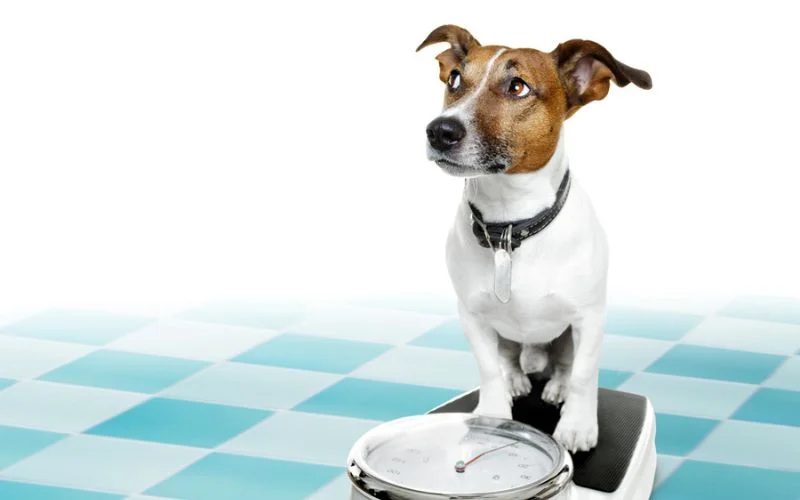
Controlling portion sizes is essential when managing your dog’s weight and preventing obesity. Like humans, dogs need a balanced diet and appropriate portions to maintain a healthy weight. Here are some tips to help you control portion sizes for your furry friend.
Please consult your veterinarian: Before making any changes to your dog’s diet, it’s important to consult with your veterinarian. They can guide the appropriate portion sizes based on your dog’s breed, age, and activity level.
Use a measuring cup: Instead of eyeballing your dog’s food, use a measuring cup to ensure accurate portion sizes. This will help prevent overfeeding and keep your dog on track for a healthy weight.
Follow feeding guidelines: Most dog food brands provide feeding guidelines on the packaging. These guidelines can give you a general idea of how much to feed your dog based on weight. However, it’s important to remember that every dog is unique, so adjust the portion sizes as needed.
Monitor your dog’s weight: Regularly weigh your dog to track their progress and adjust their portion sizes if necessary. If your dog is gaining weight, you may need to reduce their portion sizes. On the other hand, if they are losing weight, you may need to increase their portions.
Consider low-calorie treats: Treats can quickly add up in calories, so opt for low-calorie options or use small pieces of your dog’s regular food as treats. This will help prevent overfeeding while still rewarding your dog.
Controlling portion sizes is a crucial part of fighting obesity in dogs. By following these tips and working closely with your veterinarian, you can ensure that your furry friend maintains a healthy weight and lives a long, happy life.
The Benefits of Regular Vet Check-ups for Dogs
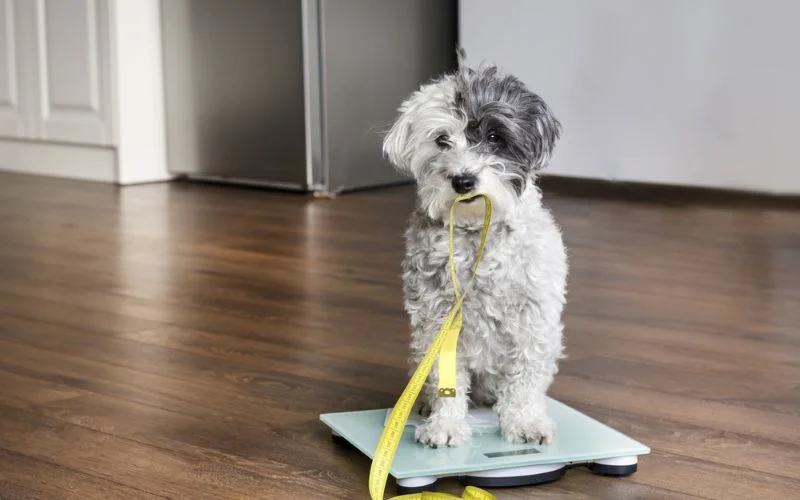
Regular vet check-ups are an essential part of ensuring the health and well-being of your beloved furry friend. Dogs need regular medical attention to prevent and detect potential health issues like humans. This article will explore the numerous benefits of regular vet check-ups for dogs.
One of the primary benefits of regular vet check-ups is the early detection of health problems. Dogs, especially those who are overweight or obese, are prone to various health issues such as diabetes, heart disease, and joint problems. During a check-up, the vet will thoroughly examine the dog’s weight, body condition, and overall physical health. By detecting any potential issues early on, the vet can intervene and provide appropriate treatment before the condition worsens.
Regular vet check-ups also play a crucial role in preventing obesity in dogs. Obesity is a major problem among dogs, leading to various health issues, including diabetes, arthritis, and respiratory problems. During a check-up, the vet can assess the dog’s weight and body condition, provide dietary recommendations, and suggest an exercise routine tailored to the dog’s needs. This proactive approach can help prevent obesity and keep your dog healthy and active.
Furthermore, regular vet check-ups allow for administering necessary vaccinations and preventive treatments. Dogs are susceptible to various infectious diseases, and vaccinations are crucial in protecting them. Preventative therapies for parasites such as fleas, ticks, and heartworms are essential for your dog’s overall well-being.
In conclusion, regular vet check-ups are vital for maintaining your dog’s health and preventing potential health issues. By detecting problems early on, preventing obesity, and providing necessary vaccinations and preventive treatments, you can ensure that your furry friend leads a long, happy, and healthy life. Make it a priority to schedule regular vet check-ups for your dog to give them the best chance at a healthy future.
The Role of Mental Stimulation in Preventing Dog Obesity
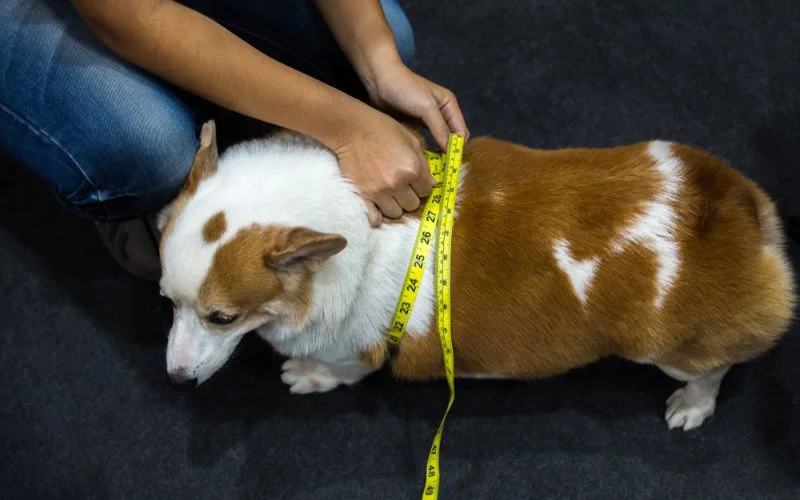
Obesity is a growing problem among dogs, with many pet owners struggling to find effective ways to combat this issue. While diet and exercise are crucial components of weight management, one aspect that is often overlooked is mental stimulation. Providing mental stimulation for your dog can play a significant role in preventing obesity and promoting overall health and well-being.
One of the main reasons why mental stimulation is important in preventing dog obesity is that it helps keep your furry friend engaged and active. Dogs are intelligent creatures that thrive on mental challenges. They are less likely to engage in destructive behaviors such as excessive eating or lounging around when mentally stimulated. By providing your dog with puzzle toys, interactive games, and training sessions, you can keep their minds sharp and their bodies active.
Mental stimulation also helps to reduce stress and anxiety in dogs, which can contribute to weight gain. Just like humans, dogs can experience emotional distress, leading to overeating or a lack of motivation to exercise. Engaging your dog in activities stimulating their brain, such as scent work or obedience training, can help alleviate stress and keep them mentally and physically fit.
In addition to preventing obesity, mental stimulation has numerous other benefits for dogs. It can improve their problem-solving skills, enhance their learning abilities, and strengthen their bond with their furry companion. Incorporating mental stimulation into your dog’s daily routine keeps them physically healthy and mentally fulfilled.
In conclusion, mental stimulation plays a vital role in preventing dog obesity. By providing your dog with mental challenges and activities, you can keep them engaged, active, and mentally fulfilled. So, if you’re looking for ways to fight obesity in your dog, don’t forget the power of mental stimulation. Your furry friend will thank you for it.
The Importance of Consistency in Dog Weight Management

Consistency is key when it comes to managing your dog’s weight. Like humans, dogs need a balanced diet and regular exercise to maintain a healthy weight. Obesity in dogs can lead to a range of health problems, including diabetes, joint issues, and heart disease. To fight obesity in your furry friend, it is crucial to establish and stick to a consistent routine.
One of the most important aspects of consistency in dog weight management is feeding. Feeding your dog the right amount of food at regular intervals is essential. Avoid free-feeding and, instead, establish set meal times. This will help regulate their calorie intake and prevent overeating. Be sure to choose a high-quality, balanced diet appropriate for your dog’s age, breed, and size.
In addition to proper feeding, regular exercise is vital for weight management. Dogs need daily physical activity to burn calories and maintain a healthy weight. Take your dog for walks, play fetch, or engage in other activities that get them moving. Exercise in your daily routine will help your dog shed extra pounds and improve their fitness and mental well-being.
Consistency also extends to monitoring your dog’s weight. Please keep track of their weight regularly to ensure they are on the right way. If you notice any significant changes, consult your veterinarian for guidance. They can provide a tailored weight management plan and advise on portion control and exercise routines.
Remember, consistency is key when managing your dog’s weight. By establishing a consistent routine for feeding, exercise, and weight monitoring, you can help your furry friend maintain a healthy weight and live a long, happy life.
Conclusion
Fighting obesity in your dog is crucial for their overall health and well-being. Throughout this post, we have covered various topics related to this issue, including the importance of exercise, the role of diet, common causes of obesity, portion control tips, the benefits of regular vet check-ups, mental stimulation, and the importance of consistency in weight management.
We have learned that regular exercise is essential for dogs to maintain a healthy weight and prevent obesity. Whether it’s daily walks, playtime, or engaging in dog sports, keeping your furry friend active is key. Additionally, we have discussed the significance of providing a balanced and nutritious diet, avoiding excessive treats, and controlling portion sizes to manage your dog’s weight effectively.
Understanding the common causes of obesity, such as overfeeding and lack of exercise, can help us prevent this issue in our dogs. By being mindful of our dog’s weight and regularly monitoring their food intake, we can ensure they stay at a healthy weight.
Regular vet check-ups are also crucial in the fight against obesity. Your veterinarian can provide valuable guidance, monitor your dog’s weight, and address any health concerns contributing to obesity. Mental stimulation is equally important, as it helps prevent boredom, which can lead to overeating.
Thank you for taking the time to read this post. We hope you found the information valuable and insightful. If you have any comments or feedback, we encourage you to leave them below. Together, we can help our furry friends live a healthier and happier life.
