

How to Switch Your Dog to a Raw Dog Food Diet
Switching your dog to a raw dog food diet can be a game-changer for their overall health and well-being. As pet owners, we are constantly seeking ways to provide the best possible care for our furry friends, and nutrition plays a vital role in that equation. Raw dog food diets have gained popularity in recent years, and for a good reason. They offer a natural and biologically appropriate way of feeding our canine companions, mimicking the diet of their wild ancestors.
But how do you make the switch? Transitioning your dog to a raw food diet requires careful planning and consideration. This guide will take you through the steps to ensure a smooth and successful transition.
First and foremost, it’s important to consult with your veterinarian before making any dietary changes for your dog. They can assess your dog’s needs and provide guidance tailored to their health requirements. Once you have the green light from your vet, it’s time to start the transition.
The key to a successful switch is gradual introduction. Begin by incorporating small amounts of raw food into your dog’s diet, gradually increasing the proportion over time. This allows their digestive system to adapt to the new food and prevents gastrointestinal upset.
It’s also crucial to ensure a balanced and varied diet for your dog. Raw dog food diets should combine muscle meat, organ meat, bones, and vegetables. This provides nutrients, vitamins, and minerals for optimal canine health.
In the following articles, we will delve deeper into the benefits of a raw dog food diet, discuss the different types of raw food options available, and provide tips for meal planning and preparation. So, stay tuned for a comprehensive exploration of this exciting and beneficial dietary approach for your beloved four-legged companion.
How to Switch Your Dog to a Raw Dog Food Diet

Switching your dog to a raw dog food diet can benefit their overall health and well-being. However, it’s important to approach this transition with care and consideration. Here are some steps to help you make the switch successfully.
Firstly, it’s crucial to consult with your veterinarian before making any changes to your dog’s diet. They can provide guidance based on your dog’s specific needs and health conditions. They may also recommend certain supplements to ensure your dog receives all the necessary nutrients.
Once you have the green light from your vet, start by introducing raw food gradually. Mix a small portion of raw food with your dog’s regular food. Over a week or two, gradually increase the proportion of raw food while decreasing the amount of kibble or canned food. This slow transition will help your dog’s digestive system adjust to the new diet.
When selecting raw food for your dog, choosing high-quality, human-grade ingredients is important. To provide a balanced diet, look for various proteins, such as beef, chicken, or fish. Include a mix of muscle meat, organ meat, and bones to ensure your dog gets all the necessary nutrients.
To ensure your dog’s safety, handle raw food with care. Keep it refrigerated, and wash your hands and utensils thoroughly after handling. Also, be mindful of your dog’s dental health and provide appropriate bones or chews to clean their teeth.
Switching your dog to a raw food diet requires patience and careful planning. By following these steps and seeking guidance from your veterinarian, you can provide your dog with a healthy and nutritious diet that will support its overall well-being.
Benefits of a Raw Dog Food Diet

Switching your dog to a raw diet can benefit its health and overall well-being. Many pet owners have reported positive dog changes after making the switch. Here are some key benefits of feeding your dog a raw food diet.
Improved Digestion: Raw dog food is easier for dogs to digest than processed kibble. It contains natural enzymes and beneficial bacteria that aid digestion and nutrient absorption. This can help reduce digestive issues such as gas, bloating, and diarrhea.
Healthier Skin and Coat: A raw food diet can lead to healthier skin and coat for your dog. Raw meat’s natural fats and oils provide essential nutrients that promote a shiny coat and reduce skin problems like dryness and itching.
Increased Energy and Vitality: Dogs on a raw diet often have higher energy levels and increased vitality. The natural, unprocessed ingredients provide optimal nutrition, giving your dog the energy they need to thrive.
Stronger Immune System: Raw dog food is rich in vitamins, minerals, and antioxidants that support a strong immune system. A healthy immune system can help protect your dog from various illnesses and diseases.
Better Dental Health: Chewing on raw meat and bones can help keep your dog’s teeth clean and healthy. The natural chewing action helps remove plaque and tartar buildup, reducing the risk of dental issues such as gum disease and tooth decay.
Weight Management: Switching to a raw diet can help your dog maintain a healthy weight. The diet is typically low in carbohydrates and high in protein, which can support weight loss or weight maintenance, depending on your dog’s needs.
What Foods to Include in a Raw Dog Food Diet
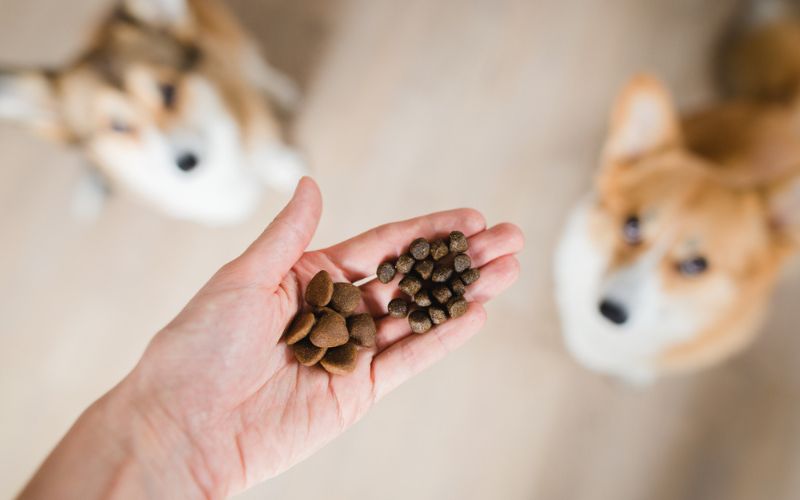
Switching your dog to a raw food diet can have numerous benefits for their health and well-being. However, knowing which foods to include in their new diet is essential to ensure they receive all the necessary nutrients. Here, we will discuss the top foods in a raw dog diet.
Meat: The foundation of a raw dog food diet is meat. It should make up about 70-80% of their diet. Opt for lean meats like chicken, turkey, beef, and lamb. Include a variety of cuts, such as muscle meat, organs, and bones, to provide a balanced diet.
Vegetables: While dogs are primarily carnivores, adding vegetables can provide essential vitamins and minerals. Include leafy greens like spinach and kale, carrots, peas, and sweet potatoes. These can be pureed or lightly steamed for better digestion.
Fruits: Fruits are a great source of natural antioxidants and fiber. Include small amounts of fruits like apples, berries, and melons in your dog’s diet. Be sure to remove any seeds or pits that could be harmful.
Eggs: Eggs are an excellent source of protein and healthy fats. Include raw eggs in your dog’s diet, as they provide essential amino acids and vitamins. Be sure to include the whole egg, including the shell, as it allows calcium.
Fish: Fish, such as salmon and sardines, are rich in omega-3 fatty acids, which benefit your dog’s skin, coat, and joints. Include small amounts of fish in their diet to provide these essential nutrients.
Remember, when transitioning your dog to a raw food diet, it’s important to do so gradually. Start by introducing small amounts of raw food into their regular diet and gradually increase the portion over time.
How to Transition Your Dog to a Raw Diet

Transitioning your dog to a raw diet can be a beneficial choice for its overall health and well-being. However, it’s important to approach this process with care and consideration. By following these steps, you can ensure a smooth transition for your furry friend.
Firstly, it’s essential to consult with your veterinarian before making any changes to your dog’s diet. They can provide guidance specific to your dog’s needs and ensure that they are receiving a balanced and nutritious diet. Your vet may also recommend a gradual transition, slowly introducing raw food alongside their current diet.
To ease the transition, replace a small portion of your dog’s food with raw food. Over a week or two, gradually increase the amount of raw food while reducing the amount of their previous diet. This gradual approach allows your dog’s digestive system to adjust to the new food and minimizes the chances of digestive upset.
It’s important to monitor your dog during the transition period. Watch for any discomfort or digestive issues, such as diarrhea or vomiting. If these symptoms persist or worsen, consult your veterinarian for further guidance.
During the transition, providing your dog with various raw food options is essential. This ensures they receive a balanced diet and helps prevent boredom. Include a mix of muscle meat, organ meat, bones, and vegetables to provide a range of nutrients.
Every dog is unique, and their transition to a raw diet may vary. Be patient and observant, and make adjustments as needed. With time and proper guidance, your dog can thrive on a raw food diet, enjoying improved health and vitality.
Common Challenges When Switching to a Raw Dog Food Diet

Switching your dog to a raw food diet can be rewarding and beneficial for its overall health and well-being. However, knowing the common challenges that may arise during this transition is important. Understanding these challenges allows you to navigate them effectively and ensure a smooth switch for your furry friend.
One of the main challenges when switching to a raw dog food diet is the adjustment period. Just like humans, dogs may need time to adapt to new types of food. They may experience digestive issues such as diarrhea or constipation. It is essential to introduce the raw food gradually, mixing it with their current diet and gradually increasing the amount over time. This will allow their digestive system to adjust and minimize any discomfort.
Another challenge is ensuring a balanced and complete diet. Raw food diets need to include a variety of proteins, fruits, vegetables, and supplements to provide all the necessary nutrients. Creating a well-rounded meal plan that meets all your dog’s nutritional needs can be challenging. Consulting with a veterinarian or a canine nutritionist can help you develop a balanced raw food diet that suits your dog’s specific requirements.
Additionally, sourcing quality ingredients can be a challenge. Raw dog food diets rely on fresh, high-quality ingredients, including raw meat, bones, and organic meats. Finding reliable suppliers and ensuring the safety and quality of the components can be time-consuming and costly. It is crucial to do your research and choose reputable sources to ensure your dog’s health and safety.
Supplements for a Raw Dog Food Diet
Switching your dog to a raw food diet can provide numerous health benefits, but ensuring they are getting all the necessary nutrients is important. While a natural dog food diet can be nutritionally balanced, some supplements can help fill any nutritional gaps and support your dog’s overall well-being.
One essential supplement for a raw dog food diet is omega-3 fatty acids. These healthy fats are important for maintaining a healthy coat and skin, reducing inflammation, and supporting brain and eye health. You can provide omega-3 fatty acids through fish oil or other marine-based supplements.
Another important supplement to consider is a joint support formula. Raw diets may not always provide enough glucosamine and chondroitin, which are crucial for joint health. Adding a joint supplement can help prevent arthritis and promote healthy mobility in your dog.
Probiotics are also beneficial for dogs on a raw food diet. These beneficial bacteria help support a healthy digestive system, improve nutrient absorption, and strengthen the immune system. Look for a high-quality probiotic specifically formulated for dogs.
Vitamin and mineral supplements can also be helpful to ensure your dog is getting all the necessary nutrients. While raw diets are typically rich in vitamins and minerals, ensuring they are in the correct balance is important. A multivitamin formulated for dogs can help fill in any gaps.
Remember, supplements should not be used as a substitute for a balanced raw food diet. They are meant to complement the diet and provide additional support. Always consult your veterinarian before adding supplements to your dog’s diet to ensure they are appropriate for your dog’s needs.
How to Monitor Your Dog’s Health on a Raw Diet

Switching your dog to a raw food diet can have numerous health benefits. However, monitoring your dog’s health closely is important to ensure they are thriving on this new diet. Here are some tips on monitoring your dog’s health on a raw diet.
First and foremost, keep an eye on your dog’s weight. A raw food diet can lead to weight loss or gain, depending on your dog’s needs. Regularly weigh your dog and consult with your veterinarian to ensure they are maintaining a healthy weight.
Another important aspect to monitor is your dog’s coat and skin condition. A raw food diet can improve the health and appearance of your dog’s coat. Look out for any changes in their fur’s texture, shine, or overall condition. If you notice any issues, it could indicate that their diet needs adjustment.
Additionally, pay attention to your dog’s energy levels and overall behavior. A well-balanced raw diet should provide your dog with increased energy and vitality. If you notice any lethargy or changes in behavior, it may be necessary to reevaluate their diet or seek veterinary advice.
Regular veterinary check-ups are crucial when transitioning your dog to a raw food diet. Your vet can conduct blood tests and monitor your dog’s overall health to ensure they receive all the nutrients from their new diet.
In conclusion, monitoring your dog’s health on a raw food diet is essential for their well-being. By monitoring their weight, coat, skin condition, and energy levels and regularly consulting with your veterinarian, you can ensure your dog is thriving on their new diet. Remember, every dog is unique, so tailoring their raw food diet to their needs is important.
Tips for Maintaining a Raw Dog Food Diet
Switching your dog to a raw food diet can have numerous benefits for their health and well-being. However, maintaining this diet requires some careful consideration and planning. Here are some tips to help you successfully maintain a raw dog food diet for your furry friend.
Firstly, ensuring you provide a balanced diet for your dog is important. This means including various proteins, such as chicken, beef, fish, and fruits and vegetables. Aim to provide a mix of different meats to ensure your dog receives all the necessary nutrients.
When feeding your dog a raw diet, handling the food safely is crucial. Uncooked meat can contain bacteria that can harm both dogs and humans. Always wash your hands thoroughly after handling raw meat and clean any surfaces or utensils that come into contact with it. Also, properly store the raw food in the refrigerator or freezer to prevent spoilage.
Another important aspect of maintaining a raw dog food diet is portion control. It’s easy to overfeed your dog when feeding raw, as the food is often more nutrient-dense than commercial kibble. Consult your veterinarian to determine the appropriate portion sizes for your dog based on age, weight, and activity level.
Lastly, monitor your dog’s health and behavior closely after switching to a raw food diet. Look for any changes in their coat, energy levels, or digestion. If you notice any issues, consult your veterinarian to make any necessary adjustments to your diet.
Following these tips, you can successfully maintain a raw dog food diet for your furry friend. Always prioritize your dog’s health and consult your veterinarian for any specific dietary concerns.
Conclusion
Switching your dog to a raw dog food diet can benefit their overall health and well-being. Throughout this post, we have covered various topics related to this keyword, providing valuable information and insights.
We began by gradually discussing the importance of transitioning progressively your dog to a raw food diet. This ensures that their digestive system adjusts smoothly and avoids any potential issues. We also highlighted the benefits of a natural dog food diet, such as improved digestion, healthier coat and skin, increased energy levels, and better dental health.
Furthermore, we explored what foods to include in a raw dog diet, emphasizing the importance of a balanced and varied menu. A well-rounded diet ensures your dog receives all the necessary nutrients, from muscle and organ meat to bones and vegetables.
Transitioning your dog to a raw diet can come with challenges, and we addressed some common ones in this post. From potential digestive upset to resistance from picky eaters, we provided tips and strategies to overcome these obstacles.
Monitoring your dog’s health on a raw diet is essential, and we guide what signs to look out for and when to consult a veterinarian. Regular check-ups and monitoring their weight, coat condition, and energy levels are key to maintaining their well-being.
Lastly, we offered tips for maintaining a raw dog diet, including meal planning, proper food storage, and sourcing high-quality ingredients.
Thank you for taking the time to read this post. We hope you found it informative and helpful. If you have any comments, questions, or feedback, we encourage you to leave them below. Here’s to a healthier and happier dog on a raw food diet.
