

Raw Dogs Food Protein Benefits: A Nutritional Boost
When it comes to our furry friends, providing them with a well-balanced diet is crucial for their overall health and well-being-. While various options are available in the market, one particular type of diet has been gaining popularity among dog owners – raw dog food. And at the heart of this diet lies the incredible benefits of protein.
One of the primary advantages of protein-rich raw dog food is its ability to support optimal muscle development. Dogs are active creatures, and their muscles require a constant supply of amino acids found in protein to stay strong and healthy. By incorporating raw dog food into their diet, pet owners can ensure their beloved companions receive the necessary nutrients to maintain lean muscle mass and stay active.
Furthermore, protein is essential for a dog’s immune system. It helps to produce antibodies, enzymes, and hormones that protect against infections and diseases. By providing dogs with a protein-rich diet, pet owners can give their furry friends a better chance at warding off illnesses and maintaining a robust immune system.
In conclusion, protein is a vital component of a dog’s diet, and raw dog food offers a nutritious and natural option to meet their dietary needs. By focusing on protein-rich sources, pet owners can ensure that their furry friends thrive in muscle development, immune system support, and overall health. So, join us as we delve deeper into the world of protein benefits in raw dog food and unlock the secrets to providing our canine companions with the best possible nutrition.
What Are the Benefits of Protein in Raw Dog Food?
Protein is an essential nutrient for dogs, and incorporating it into their diet through raw dog food can provide numerous benefits for their overall health and well-being. Raw dog food, which consists of uncooked meat, bones, and organs, is gaining popularity among dog owners who believe it closely mimics the natural diet of canines. Here, we will explore the benefits of protein in raw dog food and why it is important for your furry friend.
One of the primary benefits of protein in raw dog food is its role in muscle development and maintenance. Protein is made up of amino acids, the building blocks of muscles. By providing a high-quality source of protein, raw dog food can help dogs build and maintain lean muscle mass, promoting strength and agility.
Additionally, protein is essential for healthy skin and coat in dogs. It helps produce keratin, the protein that makes up the structure of hair, skin, and nails. Feeding your dog raw protein-rich food can contribute to a shiny, lustrous coat and healthy skin, reducing issues like dryness, itching, and excessive shedding.
Furthermore, protein in raw dog food provides energy for daily activities and supports proper digestion. It is a highly digestible nutrient, allowing dogs to break it down and absorb the essential amino acids efficiently. This can improve digestion and nutrient absorption, promoting overall health and vitality.
In conclusion, protein is vital to raw dog food, offering numerous dog benefits. Protein is crucial in their well-being, from muscle development and immune support to healthy skin and coat. Incorporating protein-rich raw dog food into your pet’s diet can help them thrive and lead a healthy, active life.
How Does Protein Benefit a Dog’s Health?

Protein is an essential nutrient for dogs, providing numerous benefits to their health and well-being. As carnivores, dogs naturally need protein in their diet, and incorporating protein-rich raw dog food can positively impact their health.
One of the main benefits of protein in a dog’s diet is its role in muscle development and maintenance. Protein provides the building blocks for strong and healthy muscles, allowing dogs to maintain their strength and agility. Additionally, protein aids in repairing damaged tissues and promotes faster recovery after physical activity or injury.
Protein also plays a crucial role in supporting a dog’s immune system. It helps produce antibodies that fight infections and diseases, keeping dogs healthy and less prone to illnesses. Adequate protein intake can also enhance a dog’s ability to recover from illnesses and surgeries.
Furthermore, protein is vital for producing enzymes and hormones that regulate various bodily functions. These include digestion, metabolism, and even the production of red blood cells. By providing the necessary amino acids, protein ensures that these processes function optimally, promoting overall health and vitality.
In addition to these benefits, protein is also a source of energy for dogs. It fuels daily activities, enabling dogs to lead active and fulfilling lives. Protein-rich raw dog food can help maintain a healthy weight and prevent obesity, as it is more satiating than diets high in carbohydrates.
In conclusion, protein is a crucial nutrient for a dog’s health. Incorporating protein-rich raw dog food into their diet can provide numerous benefits, including muscle development, immune system support, and overall vitality. By understanding the importance of protein, dog owners can make informed choices about their pet’s nutrition and ensure their well-being.
What Are the Best Sources of Protein for Dogs?
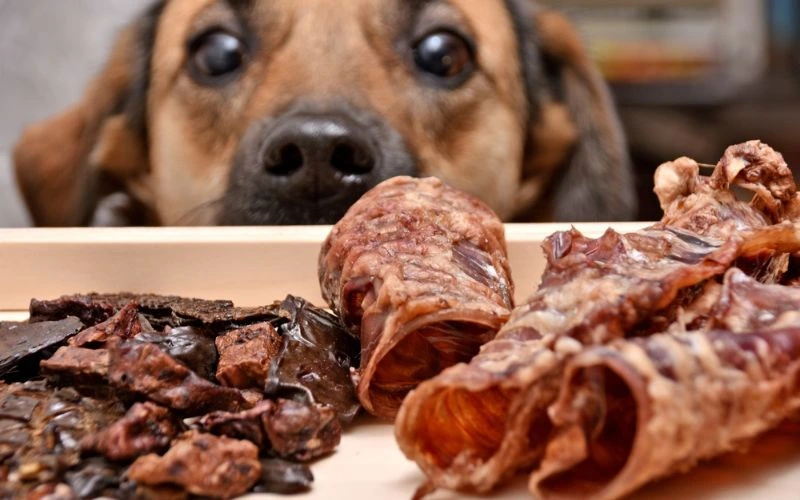
Protein is an essential nutrient for dogs, providing the building blocks for strong muscles, healthy skin, and a shiny coat. When feeding your furry friend a raw dog food diet, it’s important to know which protein sources are the best for their overall health and well-being.
One of the top sources of protein for dogs is lean meats. Chicken, turkey, and beef are all great options, as they are high in protein and provide important vitamins and minerals. These meats can be fed raw or lightly cooked to preserve their nutritional value.
Fish is another excellent source of protein for dogs. Salmon, sardines, and mackerel are rich in omega-3 fatty acids, which promote a healthy coat and skin. Additionally, fish provides essential amino acids that dogs need for optimal health.
Eggs are a complete source of protein and can be easily incorporated into a raw dog food diet. They are protein-rich, contain vitamins A, D, and E, and essential fatty acids. Feeding your dog raw eggs can provide them with a nutritious boost.
Dairy products, such as cottage cheese and yogurt, can also be included in a raw dog food diet. These foods are high in protein and calcium, essential for strong bones and teeth. However, it’s important to note that some dogs may be lactose intolerant, so monitor your dog’s reaction when introducing dairy into their diet.
In conclusion, lean meats, fish, eggs, and dairy products are all excellent choices for providing your dog with the best protein sources. Incorporating these protein-rich foods into a raw dog diet can help ensure your furry friend gets the nutrition they need for a healthy and happy life.
How Much Protein Should a Dog Have in Their Diet?

Protein is an essential nutrient for dogs, providing them with the building blocks they need to maintain a healthy body. Regarding a dog’s diet, the amount of protein they should consume is a topic of much debate among pet owners and experts.
The ideal amount of protein for a dog’s diet depends on several factors, including age, size, activity level, and overall health. Puppies and active dogs require more protein than older or less active dogs. A general guideline is that adult dogs should consume a minimum of 18% protein in their diet, while puppies and highly active dogs may need up to 25% protein.
Protein is important for dogs because it helps to build and repair tissues, supports a healthy immune system, and provides energy. It is especially crucial for growing puppies, as it aids in proper development and growth. Additionally, protein is necessary to produce enzymes, hormones, and antibodies that help regulate various bodily functions.
When choosing the right protein source for your dog, raw dog food can be beneficial. Raw dog food is often more protein and contains fewer additives and fillers than commercial dog food. It mimics a dog’s natural diet, which consists of raw meat, bones, and organs. However, it is important to consult with a veterinarian before significantly changing your dog’s diet.
In conclusion, protein is an essential nutrient for dogs, and the amount they should consume depends on various factors. Incorporating raw dog food into their diet can be a great way to ensure they are getting the protein they need. Remember to consult a veterinarian to determine the right amount of protein for your dog’s needs.
Can Dogs Have Too Much Protein in Their Diet?

Protein is an essential nutrient for dogs, providing them with the building blocks for healthy growth and development. Raw dog food diets often contain high protein levels and have gained popularity recently. However, some pet owners may wonder if dogs can have too much protein in their diet. This article will explore this question and shed light on the protein benefits of raw dog food.
It is important to note that dogs have different protein requirements than humans. While humans can tolerate high protein levels, excessive protein intake can adversely affect dogs. Too much protein can strain a dog’s kidneys and liver, potentially leading to kidney disease or other health issues. Therefore, feeding dogs a balanced diet that meets their nutritional needs is crucial.
Raw dog food diets often contain higher protein levels than traditional commercial dog foods. While protein is essential for dogs, excessive amounts can be harmful. It is recommended to consult with a veterinarian or a canine nutritionist to determine the appropriate protein levels for your dog’s specific needs.
When considering a raw dog food diet, selecting a reputable brand that provides a balanced and complete nutritional profile is important. Look for a brand that incorporates a variety of protein sources, such as chicken, beef, and fish, to ensure a well-rounded diet.
In conclusion, while protein is vital for dogs, it can have too much of a good thing. Consult a professional to determine the appropriate protein levels for your dog’s diet. Remember, a balanced and complete diet is key to ensuring your dog’s long-term health and well-being.
Are There Any Risks of a Protein Deficiency in Dogs?

Protein is an essential nutrient for dogs, providing them with the necessary building blocks for growth, repair, and overall good health. While many dog owners focus on the benefits of a high-protein diet, it’s important to consider the potential risks of a protein deficiency in dogs.
A protein deficiency in dogs can lead to a variety of health issues. One of the most common signs of protein deficiency is poor muscle development and weakness. Dogs lacking protein may have difficulty building and maintaining muscle mass, affecting their overall strength and mobility.
Protein is also crucial for a dog’s skin and coat health. A protein deficiency can result in dry, flaky skin, dull fur, and an increased susceptibility to skin infections. Additionally, protein plays a vital role in producing enzymes and hormones so a deficiency can disrupt various bodily functions.
Another risk of protein deficiency in dogs is a weakened immune system. Protein is essential for producing antibodies, which help fight off infections and diseases. A dog’s immune system may be compromised without adequate protein, making them more susceptible to illnesses.
It’s important to note that while protein is crucial for a dog’s health, an excessive amount can also be harmful. It’s essential to provide dogs with a balanced diet with the right amount of protein for their needs. Consulting with a veterinarian can help determine your dog’s appropriate protein intake based on age, size, and activity level.
In conclusion, a protein deficiency in dogs can harm their overall health. From poor muscle development to weakened immune systems, the risks of not providing enough protein are significant. Ensuring a dog receives a balanced diet with the appropriate amount of protein is crucial for its well-being.
Should I Consult a Veterinarian Before Switching to Raw Dog Food?
Switching to a raw dog food diet has recently gained popularity among pet owners. Natural dog food offers numerous benefits, especially regarding protein intake. However, before making any changes to your dog’s diet, it is essential to consult a veterinarian to ensure the health and well-being of your furry friend.
A veterinarian can provide valuable guidance and advice tailored to your dog’s needs. They can assess your dog’s current health condition, age, breed, and any existing medical conditions. This information is crucial in determining whether a raw dog food diet is suitable and safe for your pet.
One of the primary concerns when switching to a raw dog food diet is ensuring that your dog receives all the necessary nutrients, including protein. Protein is essential for dogs as it helps build and repair tissues, supports a healthy immune system, and provides energy. A veterinarian can help you determine the right amount and protein sources to include in your dog’s raw food diet.
Additionally, a veterinarian can guide you on proper food handling and storage to prevent the risk of foodborne illnesses. Raw dog food can contain bacteria such as Salmonella or E. coli, harming both dogs and humans. Veterinarians can educate you on safe handling practices and minimize the risk of contamination.
Furthermore, a veterinarian can monitor your dog’s progress and adjust the diet if necessary. They can help identify potential health issues from the diet change and provide appropriate solutions.
In conclusion, consult a veterinarian before switching to a raw dog diet. They can provide expert guidance, ensure your dog’s nutritional needs are met, and address any concerns or risks associated with the diet change. Your veterinarian’s expertise will help you make an informed decision and ensure your beloved pet’s overall health and well-being.
Can All Dogs Handle a High-Protein Diet?
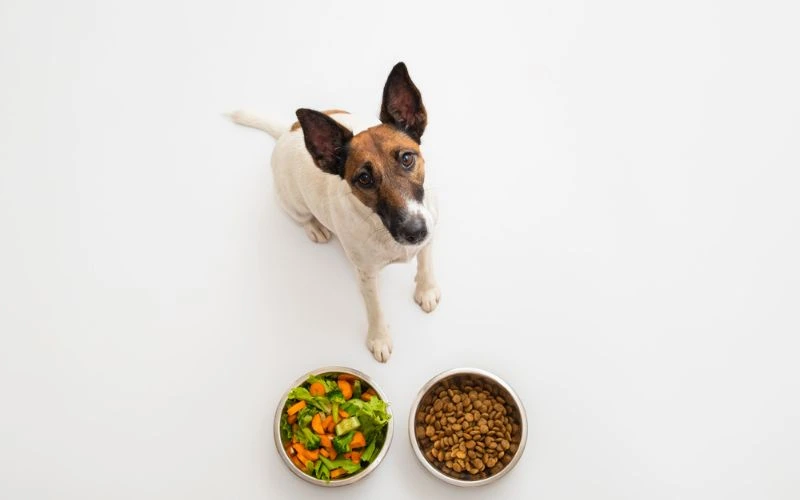
Protein is an essential nutrient for dogs, providing them with the building blocks for healthy muscles, skin, and coats. Many dog owners are turning to raw dog food diets, which are high in protein, to provide their pets with optimal nutrition. However, it’s important to consider whether all dogs can handle a high-protein diet.
While most dogs can thrive on a high-protein diet, some may have specific dietary needs or health conditions that require a different approach. For example, dogs with kidney disease may need to limit their protein intake to prevent further kidney damage. Similarly, dogs with certain digestive issues may not tolerate a high-protein diet and may experience gastrointestinal upset.
It’s crucial to consult with a veterinarian before switching your dog to a high-protein diet, especially if they have any underlying health conditions. A vet can evaluate your dog’s needs and recommend the best diet.
Additionally, ensuring that the high-protein diet is balanced and provides all the necessary nutrients is important. Dogs require protein, carbohydrates, fats, vitamins, and minerals for optimal health. A well-balanced raw dog food diet should include a variety of protein sources, such as chicken, beef, and fish, as well as vegetables and fruits to provide essential vitamins and minerals.
Conclusion
We have learned that protein is crucial in supporting your dog’s muscle development, immune system, and overall energy levels. It provides the building blocks for healthy bones, skin, and fur. Additionally, protein aids in the repair and regeneration of cells, ensuring your dog stays strong and active.
Choosing the right protein sources is important to ensure your dog receives the maximum benefits. High-quality animal-based proteins, such as chicken, beef, and fish, are ideal choices as they contain essential amino acids that are easily digestible for dogs. Avoiding fillers and by-products is key to providing your dog with the best protein sources.
While protein is essential, ensuring your dog’s well-balanced diet is equally important. Consulting a veterinarian before switching to a raw dog food diet is highly recommended, as they can provide personalized advice based on your dog’s specific needs.
It is worth noting that not all dogs may handle a high-protein diet. Factors such as age, breed, and health conditions should be considered. Your veterinarian can help determine the amount of protein your dog should have in their diet.
Thank you for reading this post on the benefits of protein in raw dog food. We hope you found it informative and useful. We encourage you to leave any comments or feedback below, as we value your thoughts and experiences. Remember, providing your dog with a balanced and protein-rich diet is a step towards ensuring their long and healthy life.
