

Grain-Free Raw Dogs Food: A Natural Choice
When it comes to our furry friends, we want nothing but the best for them. Every aspect of their well-being is paramount, from health to happiness. This includes their diet, which is vital to their overall health. In recent years, there has been a growing trend towards feeding dogs raw food diets, with one particular question at the forefront: is natural dog food grain free?
The answer to this question is not as straightforward as it may seem. Raw dog food is a diet that consists of uncooked, unprocessed ingredients, mimicking what dogs eat in the wild. Proponents of this feeding method argue that it is more natural and provides numerous health benefits for our canine companions. However, the inclusion or exclusion of grains in raw dog food remains a topic of debate.
Grain-free raw dog food advocates claim that grains are not a natural part of a dog’s diet and can lead to various health issues, such as allergies and digestive problems. They argue that dogs can experience improved digestion, increased energy levels, and healthier skin and coat by eliminating grains from their diet.
On the other hand, skeptics argue that grains can provide essential nutrients, such as fiber and carbohydrates, that are beneficial for dogs. They believe a balanced diet should include a variety of ingredients, including grains, to ensure optimal nutrition for our furry friends.
In this series of articles, we will delve deeper into the topic of raw dog food and its grain-free nature. We will explore the potential benefits and controversies surrounding this feeding method and provide practical tips and advice for those considering the switch.
Is Raw Dog Food Grain Free?
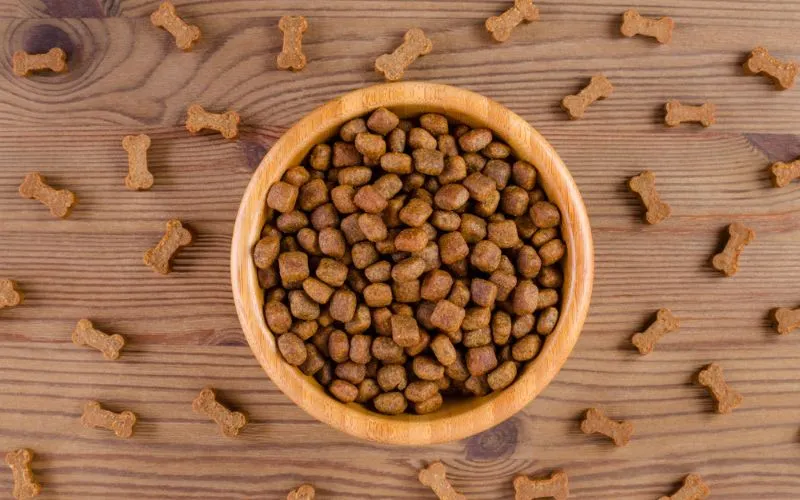
Raw dog food has become increasingly popular among pet owners in recent years. Many believe feeding their dogs a raw diet is more natural and healthier than traditional kibble. One question that often arises is whether raw dog food is grain-free. In this article, we will explore this topic and provide some insights into the grain content of natural dog food.
Grains, such as wheat, corn, and rice, are commonly used as fillers in commercial dog food. These grains can be difficult for dogs to digest and may contribute to allergies or sensitivities. As a result, many pet owners are turning to grain-free options for their furry friends.
The answer to whether it is grain-free can vary regarding raw dog food. Some natural dog food recipes include grains, such as oats or quinoa, as a source of carbohydrates. However, many wild dog food brands offer grain-free options for those who prefer to avoid grains altogether.
It is important to note that not all dogs will thrive on a grain-free diet. Some dogs may have specific dietary needs or medical conditions requiring grains. It is always best to consult your veterinarian before significantly changing your dog’s diet.
In conclusion, while raw dog food can be grain-free, it is not always true. Many pet owners feed their dogs a grain-free diet to mimic their natural diet and avoid potential allergies or sensitivities. However, it is essential to consider your dog’s needs and consult a veterinarian before making any dietary changes.
The Benefits of Grain-Free Dog Food

Grain-free dog food has become increasingly popular among pet owners in recent years. Many choose this diet for their furry friends due to its numerous benefits. But what exactly does it mean for dog food to be grain-free?
Grain-free dog food is a diet that does not contain grains such as wheat, corn, or soy. Instead, it focuses on using alternative sources of carbohydrates, such as potatoes, sweet potatoes, or peas. This is particularly beneficial for dogs with grain allergies or sensitivities. These dogs can avoid digestive issues, skin problems, and other potential health concerns by eliminating grains.
Not only does grain-free dog food cater to dogs with specific dietary needs, but it also offers other advantages. One of the main benefits is improved digestion. Grains can be difficult for dogs to digest, leading to bloating, gas, and discomfort. By removing grains from their diet, dogs can experience better digestion and nutrient absorption.
Grain-free dog food is also often higher in protein. It relies on animal-based protein sources like chicken, beef, or fish rather than plant-based proteins found in grains. Protein is essential for dogs’ overall health, as it helps build and repair tissues, supports a healthy immune system, and provides energy.
In conclusion, grain-free dog food offers numerous benefits for dogs, especially those with grain allergies or sensitivities. By eliminating grains, dogs can experience improved digestion, better nutrient absorption, and a higher protein intake. Understanding the common grains in traditional dog food can help pet owners make informed decisions about their furry friends’ diets.
The Dangers of Feeding Dogs Grains

Grain-free dog food has become increasingly popular in recent years, with many pet owners opting for this diet for their furry friends. But why is grain-free dog food gaining so much attention? And what are the alternatives to grains in dog food?
One of the main reasons pet owners choose grain-free dog food is that grains can be difficult for dogs to digest. Dogs have shorter digestive tracts than humans, making it harder for them to break down and absorb nutrients from grains. This can lead to digestive issues such as bloating, gas, and even allergies.
In addition to digestion problems, grains can contribute to weight gain in dogs. These fillers provide little nutritional value and can cause dogs to feel hungry more often, leading to overeating and weight gain.
Moreover, grain-free dog food often includes animal-based proteins like chicken, beef, or fish. These proteins are easier for dogs to digest and provide essential amino acids for their health and well-being.
In conclusion, while grains may be a common ingredient in commercial dog food, they can pose several health risks for our furry friends. Opting for grain-free dog food and exploring alternative carbohydrate sources and animal-based proteins can provide dogs with a healthier and more easily digestible diet.
How to Transition Your Dog to a Grain-Free Diet

Transitioning your dog to a grain-free diet can be a beneficial choice for their overall health and well-being. Grain-free dog food is designed to mimic a dog’s ancestral diet, primarily consisting of meat and other natural ingredients. However, it is important to consider whether grain-free dog food suits all dogs.
While grain-free dog food can be a healthy option for many dogs, it may not suit every dog. Some dogs may have specific dietary needs or sensitivities requiring a different food type. It is always recommended to consult with your veterinarian before changing your dog’s diet.
When transitioning your dog to a grain-free diet, it is important to do so gradually. Abrupt changes in diet can cause digestive upset and discomfort for your dog. Start by mixing a small amount of the new grain-free food with their current food, gradually increasing the ratio over several days. This will allow your dog’s digestive system to adjust to the fresh food without issues.
During the transition period, closely monitor your dog’s behavior and overall health. Look for any signs of digestive upset, such as diarrhea or vomiting. If you notice any concerning symptoms, consult with your veterinarian for guidance.
In conclusion, transitioning your dog to a grain-free diet can be a positive step toward improving its health. However, it is important to consider your dog’s needs and consult your veterinarian to determine if grain-free dog food suits them.
The Potential Risks of Grain-Free Diets for Dogs
Grain-free diets for dogs have gained popularity in recent years, with many pet owners believing these diets are healthier and more natural for their furry friends. However, there are potential risks associated with feeding dogs a grain-free diet, and pet owners need to be aware of these risks before making any dietary changes.
One of the main concerns with grain-free diets is the potential for nutritional deficiencies. Grains, such as wheat, corn, and rice, are important sources of carbohydrates, fiber, and essential nutrients for dogs. When these grains are removed from a dog’s diet, ensuring they still receive all the necessary nutrients can be challenging. This is especially true if the diet is not properly balanced or the dog has specific dietary needs or health conditions.
Another concern is the potential for heart disease. In recent years, there has been an increase in cases of dilated cardiomyopathy (DCM) in dogs, and some studies have suggested a possible link to grain-free diets. While the exact cause of DCM is still unknown, it is believed that certain ingredients commonly found in grain-free diets, such as legumes and potatoes, maybe a contributing factor. It’s important to note that not all grain-free diets are associated with an increased risk of DCM, but it is something that pet owners should be aware of.
In conclusion, while grain-free diets may benefit dogs with specific allergies or sensitivities, there are potential risks associated with these diets. Pet owners must carefully consider their dog’s needs and consult a veterinarian before making any dietary changes.
The Importance of Reading Dog Food Labels
Reading the labels is paramount when choosing the right dog food for your furry friend. One common concern among pet owners is whether grain-free dog food is more expensive. This article will explore the significance of reading dog food labels and address the cost factor associated with grain-free options.
Dog food labels provide valuable information about the ingredients used in the product. By carefully examining these labels, you can ensure that you provide your dog with a nutritious and balanced diet. When it comes to grain-free dog food, it is essential to understand that it does not contain grains such as wheat, corn, or soy. Instead, it is made with alternative sources of carbohydrates like sweet potatoes or peas.
Grain-free dog food has gained popularity in recent years due to various reasons. Many pet owners believe dogs are better suited to a diet resembling their ancestral eating habits. Additionally, some dogs may have allergies or sensitivities to grains, making grain-free options a suitable choice for them.
Now, let’s address the cost factor. Grain-free dog food tends to be more expensive than traditional dog food containing grains. The higher cost can be attributed to the quality of ingredients and manufacturing processes. However, it is important to note that not all grain-free dog foods are created equal. Some may be more expensive due to marketing strategies or brand reputation, while others may offer better value for money.
In conclusion, reading dog food labels is crucial for ensuring the well-being of your canine companion. Grain-free dog food can be suitable for dogs with allergies or sensitivities but may come at a higher cost. By understanding the ingredients and their nutritional value, you can make an informed decision that meets your dog’s dietary needs and budget.
The Impact of Grain-Free Diets on Dogs
Grain-free diets for dogs have become increasingly popular in recent years, with many pet owners believing that these diets are healthier and more natural for their furry friends. But what exactly is the impact of grain-free diets on a dog’s digestive system, and what should you look for when choosing a grain-free dog food?
One of the main reasons why pet owners opt for grain-free diets is the belief that dogs are not naturally designed to digest grains. While it is true that dogs are primarily predatory animals, they can also summarize and utilize grains to some extent. However, some dogs may have sensitivities or allergies to grains, which can lead to digestive issues such as diarrhea, gas, or bloating. In these cases, a grain-free diet may be beneficial.
When choosing grain-free dog food, it is important to look for high-quality ingredients. Opt for dog food made with real meat as the first ingredient, such as chicken, beef, or fish. Avoid dog foods that contain fillers or by-products, as these can be harder for dogs to digest. Instead, look for dog foods rich in animal proteins and healthy fats.
Additionally, consider the overall nutritional balance of grain-free dog food. Dogs require a balanced diet with protein, carbohydrates, fats, vitamins, and minerals. Look for dog food with a complete and balanced nutrition profile to ensure your furry friend gets all the necessary nutrients.
In conclusion, while grain-free diets can benefit dogs with grain sensitivities or allergies, choosing a high-quality grain-free dog food that provides a balanced nutrition profile is important. By carefully selecting the right dog food, you can support your dog’s digestive system and overall health.
The Role of Protein in Grain-Free Dog Food
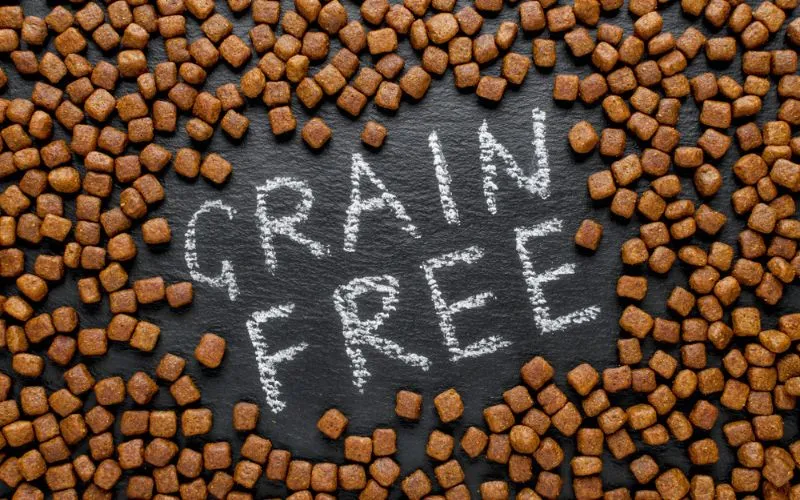
When it comes to feeding our furry friends, one question that often arises is whether raw dog food is grain-free. Many pet owners opt for grain-free diets for their dogs, believing it is healthier and more natural. But what role does protein play in grain-free dog food?
Protein is an essential nutrient for dogs, providing the building blocks for healthy muscles, tissues, and organs. In grain-free dog food, protein takes center stage, as it is the primary source of nutrition. Unlike traditional dog food that may contain grains like wheat, corn, or soy, grain-free dog food relies on high-quality proteins such as chicken, beef, or fish.
The absence of grains in dog food can have several benefits. Firstly, it can be easier for dogs to digest. Grains, especially those containing gluten, can cause digestive issues in some dogs, leading to diarrhea, bloating, and gas. Dogs with sensitivities or allergies can experience relief and improved digestion by eliminating grains from their diet.
Furthermore, grain-free dog food is often more protein than traditional dog food. This higher protein content can help dogs maintain lean muscle mass, support healthy growth, and provide them with the energy they need for an active lifestyle. Protein also plays a crucial role in promoting a strong immune system, aiding in the healing of wounds, and supporting overall health and well-being.
Choosing a high-quality brand that provides a balanced and complete diet for your furry friend is essential. Consulting with a veterinarian can help you determine the best grain-free dog food option for your pet based on their needs and dietary requirements.
Conclusion
Protein plays a vital role in grain-free dog food. Pet owners can provide their dogs with a nutritionally balanced meal that supports their overall health and well-being by opting for a grain-free diet. Remember to choose a high-quality brand and consult a veterinarian to ensure your furry friend receives the best nutrition.
In conclusion, “Is raw dog food grain free” is important for owners to consider. Throughout this post, we have explored various aspects of this keyword and covered various topics.
Firstly, we discussed the concept of raw dog food being grain-free. We highlighted the benefits of feeding dogs a grain-free diet, such as improved digestion, reduced allergies, and healthier skin and coat.
Next, we delved into the common grains found in dog food and their potential dangers to dogs. We also explored the alternatives to grains in dog food, such as sweet potatoes, peas, and lentils, which provide essential nutrients without the negative effects of grains.
Furthermore, we discussed the potential risks of dog grain-free diets, including the link to a heart condition called dilated cardiomyopathy (DCM). Dog owners must stay informed about the latest research and consult with their veterinarian to make informed decisions about their dog’s diet.
Thank you for taking the time to read this post. We encourage you to leave any comments or feedback and continue the conversation on this important topic.
