

Obesity in Dogs: A Growing Concern for Canine Health
Obesity in dogs is a topic that has been gaining increasing attention in recent years. As our furry companions become more than just pets, they are often treated as family members, sharing our homes, meals, and even our sedentary lifestyles. However, this shift in human-dog dynamics has brought about a concerning consequence – the rise of obesity in dogs.
Like humans, dogs can struggle with weight gain and associated health issues. From joint problems to heart disease, obesity can significantly impact a dog’s overall well-being. It is a problem affecting dogs of all breeds, sizes, and ages, and it should not be taken lightly.
One of the main culprits behind this epidemic is the overconsumption of high-calorie, nutrient-poor diets. Many dog owners unknowingly feed their pets excessive food, often driven by a desire to show love and affection. Additionally, a lack of regular exercise and physical activity further exacerbates the problem. Once known for their active and energetic nature, dogs are now leading increasingly sedentary lives, mirroring the lifestyles of their human counterparts.
Addressing obesity in dogs requires a multifaceted approach. It involves educating dog owners about proper nutrition, portion control, and the importance of regular exercise. Veterinarians play a crucial role in this process, offering guidance and tailored weight management plans to help dogs shed those extra pounds. Furthermore, creating an environment that encourages and facilitates physical activity, whether through daily walks, interactive playtime, or engaging in dog sports, is essential.
In this introductory article on obesity in dogs, we will delve deeper into the causes, consequences, and solutions to this growing problem. We will explore the impact of obesity on a dog’s health, the role of genetics and breed predisposition, and the importance of early intervention. Join us as we embark on a journey to understand better and combat obesity in our beloved canine companions.
What is the ideal weight for a dog?
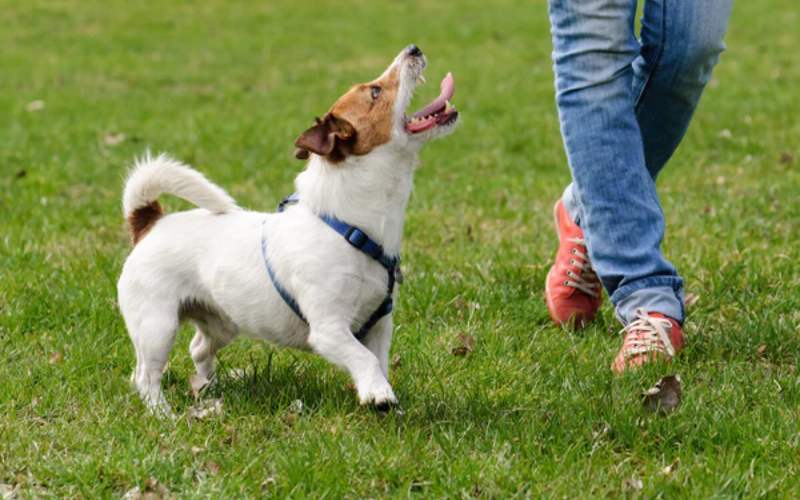
Obesity in dogs is a growing concern among pet owners and veterinarians alike. It affects their overall health and quality of life and increases the risk of various health problems, including diabetes, arthritis, and heart disease. To prevent these issues, it is crucial to maintain a healthy weight for your furry friend.
Determining a dog’s ideal weight can be tricky as it varies based on breed, size, age, and activity level. However, there are general guidelines that can help you assess whether your dog is at a healthy weight or not.
One common method to evaluate a dog’s weight is using the Body Condition Score (BCS) system. This system assesses the dog’s body fat percentage and muscle tone on a scale of 1 to 9, with 5 being the ideal score. A dog with a BCS of 3 or below is considered underweight, while a score of 7 or above indicates obesity.
Another way to determine the ideal weight is by considering the breed standards. Different breeds have different body structures and sizes, so it’s important to consider that. For example, a Chihuahua will have a significantly lower ideal weight than a Labrador Retriever.
Maintaining a healthy weight for your dog involves a combination of a balanced diet and regular exercise. Consult with your veterinarian to determine the appropriate amount of food and the best diet for your dog’s needs. Additionally, engage in activities that promote physical activity, such as daily walks or playtime.
Remember, every dog is unique, and their ideal weight may vary. Regular monitoring and adjustments to their diet and exercise routine may be necessary to ensure they stay within a healthy weight range. Keeping your dog at an ideal weight can help them live longer, happier, healthier lives.
How does obesity affect a dog’s health?
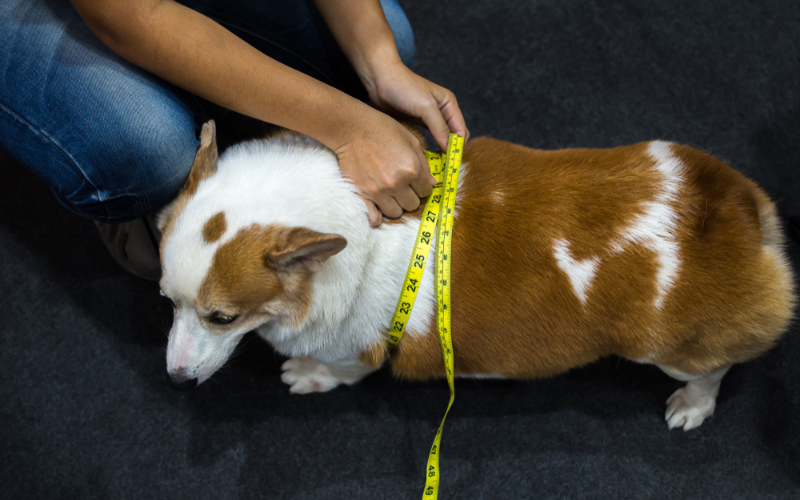
Obesity in dogs is a growing concern that can seriously affect their health and well-being. Like in humans, excess weight can lead to various health problems in dogs. Understanding how obesity affects a dog’s health is crucial to prevent and manage this condition.
One of the most obvious ways obesity affects a dog’s health is by putting extra strain on their joints and bones. The added weight can lead to conditions such as arthritis and joint pain, making it difficult for dogs to move around comfortably. This can significantly impact their quality of life and limit their ability to engage in physical activities.
Furthermore, obesity increases the risk of developing various medical conditions such as diabetes, heart disease, and respiratory issues. Overweight dogs are more likely to have high blood pressure and elevated cholesterol levels, which can lead to serious cardiovascular problems. Additionally, excess fat can put pressure on the lungs, making it harder for dogs to breathe properly.
Obesity also hurts a dog’s digestive system. It can lead to gastrointestinal issues such as constipation, diarrhea, and pancreatitis. These conditions can cause discomfort and pain for dogs, affecting their appetite and overall well-being.
Moreover, obesity can weaken a dog’s immune system, making them more susceptible to infections and diseases. It can also reduce their ability to fight off illnesses, leading to a longer recovery time and increased vulnerability.
In conclusion, obesity has far-reaching effects on a dog’s health. The consequences of excess weight can be severe, from joint problems to heart disease and digestive issues. Dog owners must be aware of the risks and take proactive measures to prevent and manage obesity in their furry companions.
What are the common causes of obesity in dogs?
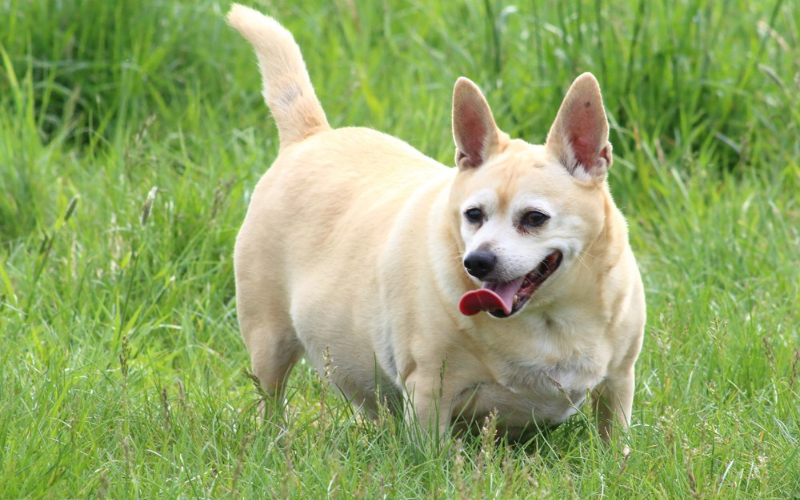
Obesity in dogs is a growing concern among pet owners and veterinarians alike. It is a serious health issue that can lead to various medical problems and a decreased quality of life for our furry friends. Understanding the common causes of obesity in dogs is crucial to prevent and manage this condition.
One of the main causes of obesity in dogs is overfeeding. Many pet owners tend to give their dogs too much food or feed them high-calorie treats, which can quickly lead to weight gain. Additionally, a lack of portion control and feeding dogs table scraps can contribute to their expanding waistlines.
Another common cause of obesity in dogs is a sedentary lifestyle. Just like humans, dogs need regular exercise to maintain a healthy weight. Unfortunately, many dogs today lead a more sedentary lifestyle due to a lack of physical activity or being confined indoors for long periods.
Certain breeds are also more prone to obesity than others. For example, Labrador Retrievers, Beagles, and Cocker Spaniels are known to have a genetic predisposition to obesity. These dogs may require extra attention and monitoring to prevent weight gain.
Furthermore, age can play a role in developing obesity in dogs. Older dogs tend to have slower metabolisms and may require fewer calories. Failure to adjust their diet accordingly can result in weight gain.
In conclusion, obesity in dogs is a multifactorial problem. Overfeeding, a sedentary lifestyle, breed predisposition, and age can all contribute to weight gain in our canine companions. By understanding these common causes, pet owners can take proactive steps to prevent and manage obesity in their dogs, ensuring a healthier and happier life for their furry friends.
How can I prevent my dog from becoming obese?
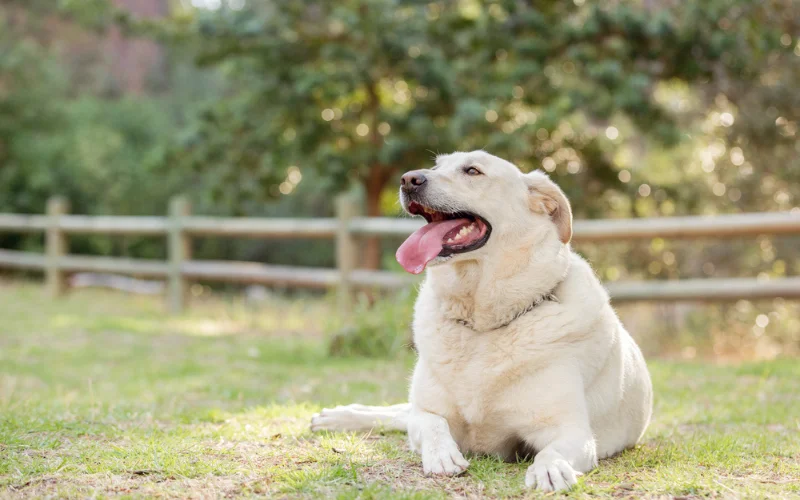
Obesity in dogs is a growing concern among pet owners. Like humans, dogs can also suffer from the negative health effects of excess weight. To ensure your furry friend stays healthy and fit, here are some tips to prevent obesity in dogs.
Firstly, providing your dog with a balanced and nutritious diet is important. Avoid feeding them excessive amounts of high-calorie treats and table scraps. Instead, choose high-quality dog food specifically formulated to meet their nutritional needs. Be mindful of portion sizes and consult your veterinarian to determine the appropriate food for your dog’s breed, age, and activity level.
Regular exercise is crucial in maintaining your dog’s weight. Engage in daily physical activities such as walking, jogging, or playing fetch. Not only will this help burn calories, but it also provides mental stimulation and strengthens the bond between you and your furry companion.
Monitor your dog’s weight regularly. Keep an eye on their body condition score, a visual assessment of their weight and body shape. If you notice your dog gaining weight, consult your veterinarian for guidance on adjusting their diet and exercise routine.
Avoid overfeeding your dog. Many pet owners use food as affection, but this can lead to weight gain. Instead, show your love through attention, playtime, and praise.
Lastly, be aware of any underlying medical conditions that may contribute to obesity in dogs. Hormonal imbalances, such as hypothyroidism, can affect your dog’s metabolism and lead to weight gain. If you suspect health issues, consult your veterinarian for proper diagnosis and treatment.
Following these tips can help prevent your dog from becoming obese and ensure they live a long and healthy life. Remember, your dog’s well-being is in your hands, so prioritize their health.
What are the signs of obesity in dogs?

Obesity in dogs is a growing concern among pet owners and veterinarians alike. Like humans, dogs can also suffer from the detrimental effects of being overweight. Dog owners must be aware of the signs of obesity in their furry friends, as early detection and intervention can greatly improve their health and quality of life.
One of the most obvious signs of obesity in dogs is excessive weight gain. If your dog consistently gains weight and their ribs are no longer easily felt when you run your hands along their sides, it may be a sign that they are becoming overweight. Additionally, a visibly round and protruding abdomen often indicates excess fat accumulation.
Another sign to look out for is difficulty in physical activities. Obese dogs may struggle to walk or run for extended periods and become easily fatigued. They may also show signs of labored breathing or panting excessively, even with minimal exertion. These symptoms can result from the extra weight putting strain on their joints and respiratory system.
Changes in appetite and eating habits can also be a sign of obesity. Some dogs may constantly beg for food or exhibit excessive hunger, while others may lose interest in eating altogether. Monitoring your dog’s eating habits and ensuring they receive a balanced diet is important.
Other signs of obesity in dogs include a lack of muscle definition, difficulty grooming themselves, and an overall sluggish demeanor. If you notice any of these signs in your furry friend, it is important to consult with your veterinarian for a proper diagnosis and guidance on weight management.
In conclusion, recognizing the signs of obesity in dogs is crucial for their health and well-being. By being vigilant and proactive, dog owners can help their pets maintain a healthy weight and prevent the onset of obesity-related health issues.
Can obesity be reversed in dogs?
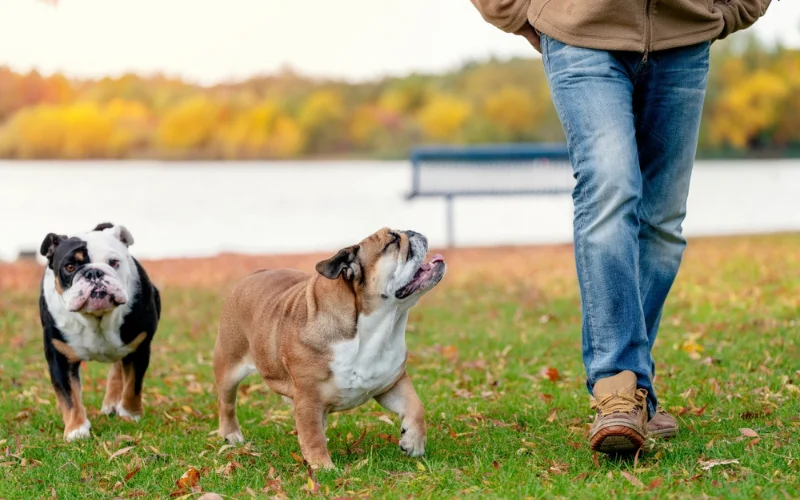
Obesity in dogs is a growing concern among pet owners and veterinarians alike. Just like in humans, obesity in dogs can lead to a range of health issues, including diabetes, joint problems, and heart disease. But is it possible to reverse obesity in our furry friends?
The answer is yes. With the right approach, obesity in dogs can be reversed, and their health can be restored. The first step is to consult a veterinarian to determine the ideal weight for your dog and develop a weight loss plan.
A combination of diet and exercise is key to reversing obesity in dogs. Your veterinarian will likely recommend a balanced and nutritious diet low in calories and fat. They may also suggest portion control and feeding smaller, more frequent meals to help your dog feel satisfied without overeating.
Regarding exercise, starting slowly and gradually increasing the intensity and duration is important. Regular walks, playtime, and interactive toys can all help keep your dog active and burn off excess calories. Swimming is another great exercise option for dogs, as it is low-impact and easy on the joints.
It’s important to note that weight loss should be gradual and steady. Rapid weight loss can be harmful to your dog’s health. Regular check-ups with your veterinarian will help monitor your dog’s progress and make any necessary adjustments to the weight loss plan.
In conclusion, obesity in dogs can be reversed with a balanced diet and regular exercise. It’s important to consult a veterinarian to develop a personalized weight loss plan for your dog. Committing to their health and well-being can help your furry friend live healthier lives.
What are the potential health risks of obesity in dogs?
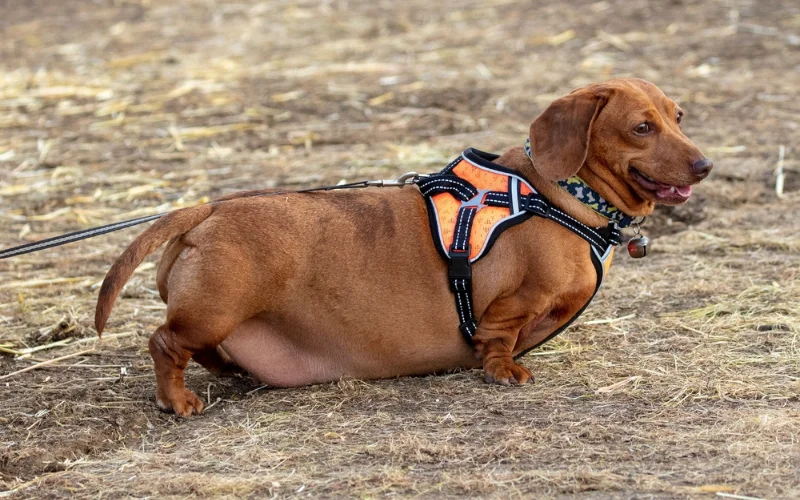
Obesity in dogs is a growing concern among pet owners and veterinarians alike. Like humans, excess weight can lead to various health issues for our furry friends. It is important to understand the potential risks associated with obesity in dogs to ensure their overall well-being.
One of the most common health risks of obesity in dogs is joint problems. The extra weight stresses their joints, leading to arthritis and other musculoskeletal issues. This can result in pain, decreased mobility, and reduced quality of life for the dog.
Another significant risk is the development of diabetes. Obesity can cause insulin resistance, leading to high blood sugar levels and an increased risk of diabetes. Diabetic dogs require careful diet and medication management to maintain stable blood sugar levels.
Heart disease is also a concern for obese dogs. The excess weight strains their cardiovascular system, leading to high blood pressure and an increased risk of heart failure. These conditions can significantly impact the dog’s overall health and longevity.
Respiratory problems are more common in obese dogs as well. The excess weight can put pressure on their lungs, making it difficult for them to breathe properly. This can lead to chronic coughing, wheezing, and decreased respiratory function.
Obesity in dogs also increases the risk of certain types of cancer, such as mammary and bladder cancer. Additionally, it can exacerbate existing health conditions, such as allergies and skin problems.
In conclusion, obesity in dogs poses numerous potential health risks. Pet owners must be aware of these risks and take proactive measures to prevent and manage obesity in their furry companions. Regular exercise, a balanced diet, and regular veterinary check-ups are essential for maintaining a healthy weight and overall well-being for our beloved dogs.
What is the recommended diet for an obese dog?

Obesity in dogs is a growing concern among pet owners and veterinarians alike. Like humans, obesity can lead to various health issues in dogs, including diabetes, joint problems, and heart disease. One of the most effective ways to manage and prevent obesity in dogs is through a proper diet.
When it comes to feeding an obese dog, it’s important to focus on portion control and choosing the right types of food. A high-quality, balanced diet low in fat and calories is key. Look for dog food labeled “weight management” or “light” with lower calorie content. These types of food are specifically formulated to help dogs lose weight or maintain a healthy weight.
It’s also important to avoid feeding your obese dog table scraps or high-calorie treats. Instead, opt for low-calorie treats or use their regular food as treats during training sessions. This will help prevent them from consuming too many calories throughout the day.
In addition to the right food, exercise is crucial for an obese dog. Regular physical activity can help burn calories and improve their overall health. Start with short walks and gradually increase the duration and intensity as your dog becomes more fit. Consult your veterinarian to determine the appropriate exercise routine for your dog’s needs.
Remember, weight loss should be gradual and sustainable for your dog’s well-being. Monitor their progress closely and adjust their diet and exercise routine as needed. With the right diet and lifestyle changes, you can help your obese dog achieve a healthy weight and improve their quality of life.
Sources:
– American Kennel Club: “Obesity in Dogs: Causes and Prevention”
– PetMD: “How to Help Your Dog Lose Weight”
Maintaining an ideal weight for your dog is crucial as it can significantly improve their quality of life and extend their lifespan. Obesity can lead to various health problems, such as joint issues, diabetes, heart disease, and decreased mobility. By recognizing the signs of obesity and taking preventive measures, such as regular exercise and portion control, you can greatly reduce the risk of obesity in your furry friend.
It is important to note that obesity in dogs can be reversed through a combination of a well-balanced diet and increased physical activity. Consulting with a veterinarian is highly recommended to develop a suitable weight loss plan tailored to your dog’s needs.
There may be future developments and trends in canine nutrition and weight management. Stay updated with the latest research and expert recommendations to provide the best care for your dog and prevent obesity.
Conclusion
In conclusion, understanding and addressing obesity in dogs is of utmost importance for their overall health and well-being. Throughout this post, we have covered key topics related to this issue, including the ideal weight for a dog, the impact of obesity on a dog’s health, common causes of obesity in dogs, prevention strategies, signs of obesity, the possibility of reversing obesity, potential health risks, and recommended diets for obese dogs.