

Dog Bites: Understanding the Complexities of Canine Behavior
Dog bites are a topic that sparks curiosity and concern among both dog owners and the general public. These incidents can range from minor nips to severe injuries, leaving a lasting impact on the victims and their families.
Understanding the complexities of canine behavior is crucial to preventing such incidents and promoting a harmonious coexistence between humans and their furry companions.
This introductory piece will delve into the intricate world of dog bites, exploring the various factors contributing to these incidents.
From a dog’s genetic predisposition to environmental influences, numerous elements are at play when understanding why dogs bite.
One cannot discuss dog bites without addressing the crucial role of responsible ownership. Dogs are social animals that thrive on love, attention, and proper training.
Neglecting these essential aspects can lead to behavioral issues and, in some cases, aggression. By exploring the importance of early socialization, obedience training, and responsible pet ownership, we can create a safer environment for dogs and humans.
Furthermore, we will explore the different types of dog bites, ranging from fear-based bites to territorial aggression.
Understanding the underlying motivations behind these behaviors can help identify warning signs and take appropriate measures to prevent incidents.
Throughout this series, we will also touch on the legal implications surrounding dog bites, discussing liability and the responsibilities of dog owners.
Additionally, we will explore the emotional toll that dog bites can have on victims and their families, shedding light on the importance of support and rehabilitation.
Join us as we embark on this journey to unravel the complexities of dog bites. Through education and understanding, we can work towards a future where dog bites are minimized and the bond between humans and their canine companions is strengthened.
Stay tuned for our upcoming articles, where we will dive deeper into the fascinating world of dog behavior and bite prevention strategies.
How to Prevent Dog Bites
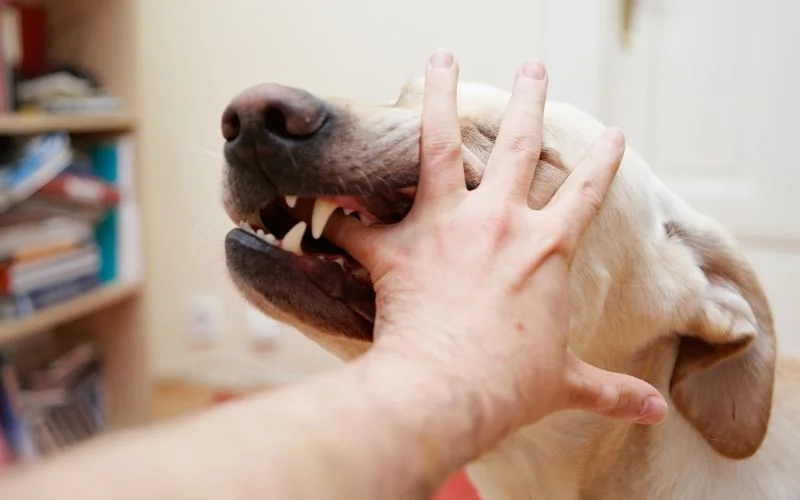
Dogs are beloved companions, but it’s important to remember that they are still animals with instincts. Dog bites can happen, even with the friendliest of dogs.
It is crucial to take preventive measures to ensure the safety of both humans and dogs. Following these simple guidelines can reduce the risk of dog bites and create a safer environment for everyone.
First and foremost, it’s essential to socialize your dog properly. Early socialization helps dogs become comfortable around people and other animals.
Expose your dog to various environments, sounds, and situations to build their confidence and reduce the likelihood of fear-based aggression.
Training is another crucial aspect of preventing dog bites. Teaching your dog basic commands such as “sit, “stay,” and “leave it” can help establish control and avoid potentially dangerous situations.
Positive reinforcement techniques, such as treats and praise, effectively train dogs and promote good behavior.
Supervision is key, especially when children are involved. Never leave a young child alone with a dog, regardless of how well you know the dog.
Children should be taught to interact with dogs respectfully and never approach a dog without the owner’s permission.
Recognizing and respecting a dog’s body language is vital in preventing bites. If a dog appears tense, fearful, or aggressive, give them space and do not approach. Avoid disturbing dogs that are eating, sleeping, or caring for puppies.
Lastly, it’s crucial to educate others about responsible dog ownership. Encourage your friends, family, and neighbors to follow these preventive measures. We can create a safer community for humans and dogs by spreading awareness.
Remember, preventing dog bites is a shared responsibility. By taking these proactive steps, we can ensure the well-being of both dogs and humans and promote a harmonious relationship between them.
Signs of Aggression
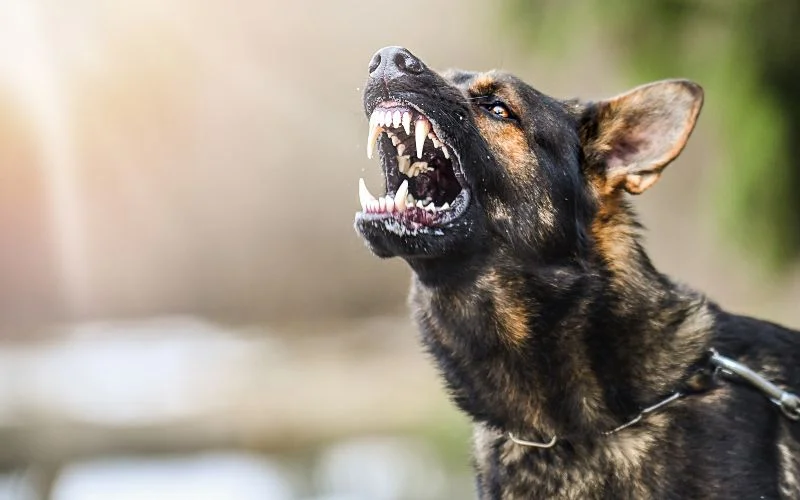
Dogs are known to be loyal and loving companions, but it is important to remember that they are still animals with their instincts.
Understanding the signs of aggression in dogs is crucial for the safety of humans and other animals. By being aware of these signs, we can prevent potential dog bites and ensure a harmonious coexistence with our furry friends.
One of the most common signs of aggression in dogs is growling. When a dog growls, it is a clear indication that they are feeling threatened or uncomfortable.
This is how they communicate their discomfort and warn others to stay away. It is important to take this warning seriously and give the dog the necessary space.
Another sign of aggression is bared teeth. When a dog bares its teeth, it is a clear display of dominance and a warning sign.
A stiff body posture and a fixed gaze often accompany this. It is important to avoid direct eye contact with the dog and slowly back away to de-escalate the situation.
Snapping and lunging are also signs of aggression in dogs. Fear or frustration often triggers these behaviors and can escalate quickly if not addressed. It is important to remain calm and avoid sudden movements that may further agitate the dog.
Other signs of aggression include raised fur, a tucked tail, and raised hackles. These physical signs indicate that the dog feels threatened and may be preparing to defend itself. It is important to give the dog space and avoid any aggressive behavior.
In conclusion, recognizing the signs of aggression in dogs is crucial for preventing dog bites and ensuring a safe environment for everyone. Understanding these signs and responding appropriately can foster a positive relationship with our furry friends and avoid potential conflicts.
Common Dog Bite Injuries

Dog bites can result in injuries, some of which can be serious. It is important to understand the common types of injuries that can occur when a dog bites, as this knowledge can help you take appropriate action in case of an incident.
This article will explore some of the most common dog bite injuries and their potential consequences.
One of the most frequent injuries resulting from dog bites is puncture wounds. These are caused by the sharp teeth of the dog piercing the skin, often leading to deep wounds that can be prone to infection.
Puncture wounds may require medical attention, including cleaning and suturing, to prevent complications.
Another common injury is lacerations. These deep cuts or tears in the skin and underlying tissues can cause severe bleeding. Scratches may require stitches or even surgery to repair the damage.
Fractures can also occur as a result of a dog bite. A dog bite with enough force can break bones, particularly in the hands, arms, and legs. Fractures can be painful and may require immobilization or surgery to heal properly.
Infections are a significant concern with dog bites. The bacteria in a dog’s mouth can lead to serious infections, such as cellulitis or sepsis. Prompt medical attention is crucial to prevent the spread of infection and ensure proper treatment.
Nerve damage is another potential consequence of dog bites. If a dog’s teeth sever or damage nerves, it can result in loss of sensation, weakness, or even paralysis in the affected area.
Understanding the common injuries resulting from dog bites is essential for everyone, whether you are a dog owner or encounter dogs regularly.
Knowing these potential injuries, you can take necessary precautions to avoid incidents and seek appropriate medical attention. Remember, prevention is always better than cure for dog bites.
What to do if Bitten
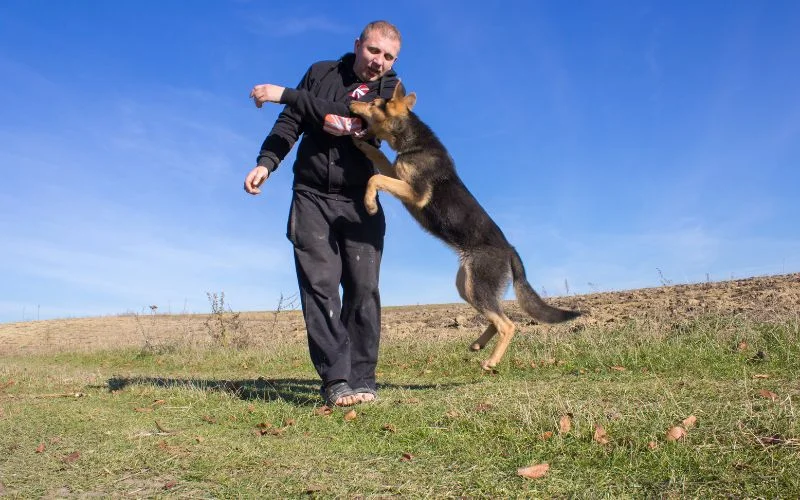
Being bitten by a dog can be a terrifying and painful experience. In the heat of the moment, knowing what steps to take to ensure your safety and well-being is important. This article will provide a comprehensive guide on what to do if a dog bites you.
First and foremost, it’s crucial to assess the severity of the bite. If the wound is deep, bleeding profusely, or you cannot stop the bleeding, seek immediate medical attention. Dog bites can lead to infections and other complications, so it’s better to be safe than sorry.
Once you’ve addressed any immediate medical concerns, it’s important to identify the dog and its owner. Get the owner’s contact information and the dog’s vaccination history, if possible. This information will be vital if you must report the incident or seek compensation for any medical expenses.
Next, clean the wound thoroughly with soap and warm water. This will help reduce the risk of infection. Apply an antiseptic ointment and cover the damage with a sterile bandage. Keep a close eye on the injury for any signs of infection, such as redness, swelling, or pus.
After caring for the wound, consider reporting the incident to your local animal control or health department. This will help prevent future incidents and ensure the dog is properly evaluated for potential health risks.
In the aftermath of a dog bite, taking care of your emotional well-being is important. Contact friends, family, or a support group to discuss your experience. Traumatic events like these can have a lasting impact, and seeking the necessary support is important.
Remember, being bitten by a dog can be a traumatic experience, but by following these steps, you can ensure your safety and minimize the risk of complications. Stay calm, seek medical attention if necessary, and take steps to prevent future incidents.
Children and Dog Safety

Dog bites can be a serious concern, especially for children. As parents, it is our responsibility to ensure the safety of our children around dogs. Following some simple guidelines can minimize the risk of dog bites and create a safe environment for our little ones.
First and foremost, teaching children how to approach and interact with dogs is crucial. They should be prepared to always ask for permission before petting a dog and to approach slowly and calmly.
Running towards a dog or making sudden movements can startle them and potentially lead to a bite. It is also important to teach children never to disturb a dog eating, sleeping, or caring for puppies.
Supervision is key when children and dogs are together. Even the most well-behaved dog can become agitated or defensive in certain situations.
Always keep a close eye on the interaction between your child and the dog, especially if they are playing together. If you notice any signs of tension or discomfort from the dog or the child, it is best to separate them immediately.
Another important aspect of dog safety is recognizing the warning signs. Dogs communicate their discomfort through body language.
Teach your child to look for signs such as a stiff body, raised fur, growling, or bared teeth. If they see any of these signs, they should slowly back away and avoid further interaction.
Incorporating these safety measures into your child’s routine will help prevent dog bites and ensure a harmonious relationship between your child and any dogs they encounter.
Remember, we must educate ourselves and our children about dog safety to avoid any unnecessary accidents. By doing so, we can create a safe and enjoyable environment for both our children and our furry friends.
Dog Bite Statistics
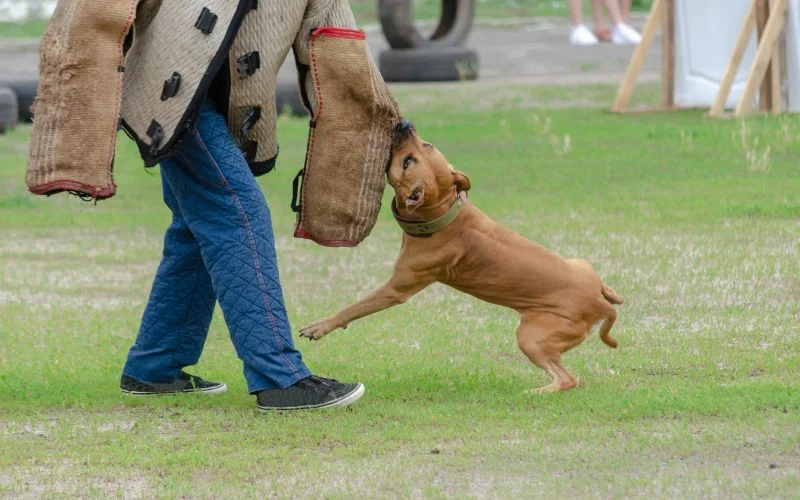
Dog bites can be a serious and concerning issue affecting humans and animals. Understanding the statistics surrounding dog bites is crucial to prevent and address this problem effectively.
This article will delve into dog bite statistics, providing valuable insights into this important matter.
One key statistic to consider is the frequency of dog bites. According to recent data, millions worldwide experience dog bites yearly. This alarming figure highlights the need for increased awareness and education about responsible pet ownership and dog bite prevention.
Another important statistic to examine is the demographic most affected by dog bites. Studies have shown that children are more likely to be victims of dog bites than adults.
This emphasizes the importance of teaching children how to interact safely with dogs and the need for supervision around unfamiliar dogs.
Furthermore, analyzing the breeds most commonly involved in dog bite incidents is crucial. While it is important to note that any dog can bite, certain species have been associated with a higher likelihood of aggressive behavior.
However, it is essential to remember that various factors, including training, socialization, and individual temperament, influence a dog’s behavior.
Additionally, understanding the circumstances surrounding dog bites is crucial. Statistics reveal that most dog bites occur in familiar environments, such as homes or neighborhoods.
This highlights the importance of responsible pet ownership, including proper training, socialization, and secure containment of dogs.
In conclusion, dog bite statistics provide valuable insights into the prevalence and characteristics of dog bites. By understanding these statistics, we can work towards preventing dog bites and creating safer communities for humans and animals.
Legal Consequences of Dog Bites
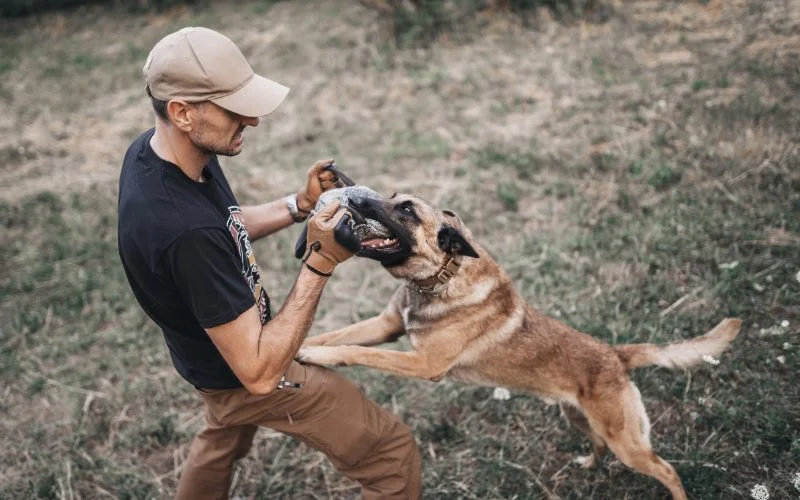
Dog bites can have serious legal consequences for the owner and the victim. In many jurisdictions, the owner is held strictly liable for any injuries caused by their dog, regardless of whether or not they were negligent.
This means that if a dog bites someone, the owner can be held responsible for any medical expenses, pain and suffering, and other damages incurred by the victim.
One of the most common legal consequences of dog bites is filing a personal injury lawsuit. Victims can seek compensation for their injuries and any associated costs if they decide to pursue legal action. This can include medical bills, lost wages, and even emotional distress.
In some cases, punitive damages may also be awarded, especially if the owner was aware of their dog’s aggressive tendencies or failed to take proper precautions.
In addition to civil liability, dog owners may face criminal charges if their dog bites someone. These charges can range from misdemeanors to felonies, depending on the severity of the injuries and the owner’s level of negligence. Criminal penalties can include fines, probation, and even imprisonment.
It’s important to note that the legal consequences of dog bites can vary depending on the jurisdiction. Some areas have specific laws and regulations, while others rely on common law principles.
Additionally, certain breeds may be subject to breed-specific legislation, which imposes additional restrictions on their owners.
In conclusion, dog bites can have significant legal consequences for the owner and the victim.
Dog owners must understand their responsibilities and take appropriate measures to prevent their dogs from causing harm. Likewise, victims should be aware of their rights and seek legal recourse if a dog bite has injured them.
Dog Bite Prevention Tips

Dogs are often considered man’s best friend, but it’s important to remember that they are still animals with the potential to bite.
Dog bites can cause serious injuries and emotional trauma, so taking steps to prevent them is crucial. This article will provide valuable tips to help you avoid dog bites.
First and foremost, it’s essential to understand a dog’s body language. Dogs communicate through their body postures, and recognizing signs of fear, aggression, or discomfort can help you avoid a potentially dangerous situation.
If a dog appears tense, has raised fur, is growling, or baring its teeth, it’s best to give it space and avoid sudden movements.
Another crucial tip is to always ask for permission before approaching a dog. Not all dogs are comfortable with strangers; approaching them without permission can trigger fear or aggression. Teach children never to approach an unfamiliar dog without an adult present.
Proper socialization and training are also key in preventing dog bites. Dogs that are well-socialized from a young age are less likely to exhibit aggressive behavior. Training your dog to obey basic commands such as “sit” and “stay” can also help in controlling their behavior around others.
Additionally, it’s important to teach children how to interact with dogs safely. They should be prepared never to pull on a dog’s ears or tail, disturb a dog while it’s eating or sleeping, or try to take away its toys. Supervision is crucial when children and dogs are together.
In conclusion, preventing dog bites is a responsibility that falls on both dog owners and individuals interacting with dogs.
Understanding a dog’s behavior, asking for permission, socializing and training dogs, and teaching children how to interact safely can create a safer environment for everyone. Remember, preventing dog bites starts with education and awareness.
Conclusion
“Dog Bites” is a topic that encompasses various important aspects of dog safety and responsible ownership. Throughout this post, we have covered several key points that can help individuals prevent dog bites and understand their potential consequences.
First and foremost, we discussed the importance of being aware of the signs of aggression in dogs. Understanding these signs can help individuals avoid dangerous situations and take appropriate precautions.
Additionally, we explored common dog bite injuries, emphasizing the need for immediate medical attention and proper wound care.
We also delved into what to do if bitten by a dog, stressing the significance of seeking medical help, reporting the incident, and gathering information about the dog and its owner.
Moreover, we highlighted the importance of educating children about dog safety and implementing preventive measures to reduce the risk of dog bites.
Throughout this post, we provided dog bite prevention tips, such as properly socializing and training dogs, avoiding unfamiliar dogs, and respecting their personal space.
By following these guidelines, individuals can significantly reduce the likelihood of dog bites and promote a safer environment for humans and dogs.
It is crucial to acknowledge the concerning dog bite statistics that highlight the prevalence of these incidents. This reinforces the need for continuous education and awareness campaigns to prevent dog bites and protect the well-being of humans and animals.
Looking ahead, it is essential to stay informed about any future developments or trends that may impact the topic of dog bites. This includes advances in dog training techniques, legislative changes regarding dog ownership, and public awareness campaigns aimed at reducing the occurrence of dog bites.
Thank you for taking the time to read this post. We hope that the information provided has been valuable and insightful.
We encourage you to leave any comments or feedback, as your input is highly appreciated. Together, we can work towards creating a safer and more harmonious relationship between humans and dogs.