

Obedience Training: The Path to a Well-Behaved Companion
Regarding owning a dog, obedience training can make or break your relationship with your furry friend. This fundamental training teaches your dog to follow commands and establishes a strong bond built on trust and respect.
Whether you have a naughty puppy or a stubborn adult dog, obedience training is the key to transforming them into a well-behaved and obedient companion.
From the moment you bring a new dog into your home, it’s essential to establish clear boundaries and expectations.
Obedience training provides the foundation for effective communication between you and your canine companion. It empowers you to guide their behavior and instill discipline without force or punishment.
But obedience training goes beyond teaching your dog to sit, stay, or come when called. It encompasses many skills and behaviors essential for a well-rounded and socially adept dog.
From walking politely on a leash to mastering basic commands, obedience training equips your dog with the tools to navigate the world confidently.
Not only does obedience training benefit your dog, but it also enhances your overall relationship. You’ll establish a strong bond through training sessions based on trust, mutual understanding, and effective communication.
Your dog will learn to look to you for guidance and reassurance, and you’ll gain the confidence to handle any situation.
In this introductory article, we’ll explore the various aspects of obedience training, from basic commands to advanced techniques. We’ll delve into the psychology behind the movement and provide practical tips and strategies for success.
Whether you’re a first-time dog owner or looking to refine your training skills, this guide will serve as your roadmap to unlocking the full potential of your canine companion.
Join us as we embark on this journey into obedience training, where you’ll discover the transformative power it holds for you and your beloved pet. Get ready to unleash your dog’s true potential and create a harmonious and fulfilling relationship that will last a lifetime.
What Is Obedience Training?

Obedience training is a crucial aspect of dog ownership. It involves teaching dogs to respond to commands and behave appropriately in various situations. This training is essential for ensuring a harmonious relationship between dogs and their owners and promoting their safety and well-being.
One of the primary goals of obedience training is to establish clear communication between dogs and their owners. By teaching dogs basic commands such as “sit, “stay,” and ” come,” owners can effectively manage their dogs’ behavior.
This training also helps dogs understand boundaries and expectations, particularly important in public spaces or when encountering strangers.
Furthermore, obedience training is vital in ensuring dogs’ safety. Owners can prevent accidents or dangerous situations by teaching them to respond to commands.
For example, a well-trained dog will come when called, even in distracting environments, reducing the risk of running into traffic or getting lost.
In addition to promoting safety, obedience training enhances the bond between dogs and their owners. Dogs are social animals that thrive on structure and guidance.
Through training, owners can establish themselves as reliable leaders, earning their dogs’ trust and respect. This bond is crucial for a happy and well-adjusted dog.
There are various methods and techniques used in obedience training, including positive reinforcement, clicker training, and leash training. Each approach has benefits and may suit certain dogs or specific training goals. Finding a training method that aligns with your dog’s personality and needs is important.
In conclusion, obedience training is an essential part of responsible dog ownership. It helps establish clear communication, ensures safety, and strengthens the bond between dogs and their owners.
Owners can enjoy a well-behaved and happy canine companion by investing time and effort into obedience training.
Why Is Obedience Training Important?

Obedience training is a crucial aspect of raising a well-behaved and balanced dog. It is about teaching your furry friend basic commands and establishing a strong bond and clear communication between you and your pet. Providing obedience training sets your dog up for a lifetime of success and happiness.
One of the key reasons why obedience training is important is that it ensures the safety of your dog and those around them. Through training, your dog learns to respond to commands such as “sit, “stay,” and ” come.”
This can prevent them from encountering dangerous situations or conflicts with other animals or people. Additionally, a well-trained dog is less likely to engage in destructive behaviors, such as chewing on furniture or digging in the garden.
Another benefit of obedience training is that it helps to establish you as the pack leader in your dog’s eyes. Dogs are pack animals and naturally look for a leader to follow.
By providing consistent and positive training, you show your dog that you are in control and that it can trust and rely on you. This can lead to a more harmonious and balanced relationship between you and your furry companion.
Obedience training also provides mental stimulation for your dog. Dogs are intelligent creatures that thrive on mental challenges.
Through training sessions, they can learn new commands and solve problems, which helps keep their minds sharp and engaged. This can prevent boredom and the development of behavioral issues.
In conclusion, obedience training is an essential part of responsible dog ownership. It ensures your dog’s safety and well-being and strengthens your bond with your furry friend.
So, invest the time and effort into obedience training, and you will reap the rewards of a happy and well-behaved canine companion.
When Should I Start Obedience Training?
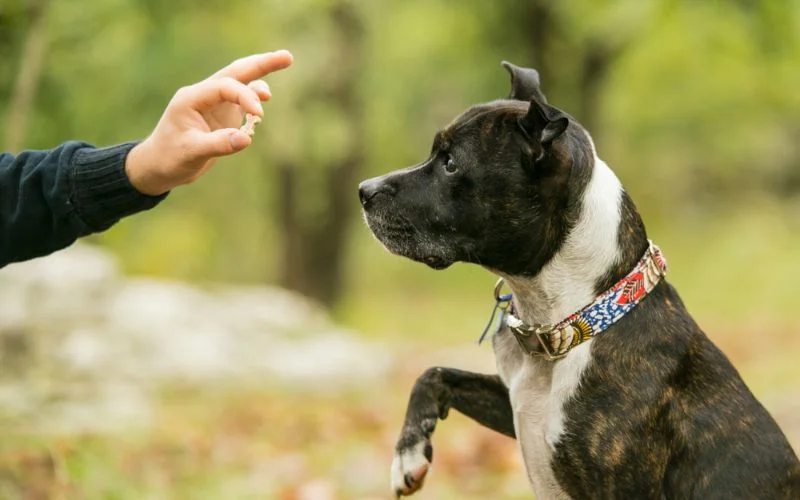
Obedience training is an essential part of raising a well-behaved and disciplined dog. Many dog owners wonder when is the right time to start obedience training their furry friend. The answer may vary depending on the breed, but it is generally recommended to begin training as early as possible.
Puppies are like sponges, ready to absorb new information and learn. Starting obedience training at a young age helps establish good habits and prevent behavioral issues from developing. The critical period for learning in puppies is between 3 and 14 weeks of age, so it’s important to take advantage of this time.
During the early stages of training, focus on basic commands such as sit, stay, come, and heel. Use positive reinforcement techniques like treats and praise to motivate your puppy and make the training sessions enjoyable. Keep the training sessions short and frequent to maintain their attention span.
It’s important to note that while puppies can start training early, they should also be given time to play, explore, and socialize with other dogs and humans. A well-rounded dog is not only obedient but also well-adjusted and friendly.
If you have adopted an older dog or missed the opportunity to start training when they were a puppy, don’t worry. Dogs of any age can benefit from obedience training. However, it may require more patience and consistency to modify established behaviors.
In conclusion, early obedience training is ideal, but it’s never too late. Whether you have a puppy or an older dog, investing time and effort into obedience training will result in a well-behaved and happy companion.
So, grab those treats and prepare to embark on an exciting journey of training and bonding with your four-legged friend.
What Are the Basic Commands in Obedience Training?
Obedience training is an essential part of a dog’s development. It helps establish a strong bond between the owner and the dog and ensures the safety and well-being.
Teaching your dog basic commands is the foundation of obedience training. In this article, we will explore some of the essential powers that every dog should learn.
One of the most important commands is “sit.” Teaching your dog to sit on command is useful for controlling their behavior and for various situations, such as when you need them to stay calm or when you want them to greet people politely.
Start by holding a treat close to their nose and then raise it slowly above their head. As their head moves up, their bottom will naturally lower into a sitting position. Reward them with the treat and praise once they are in a sitting place.
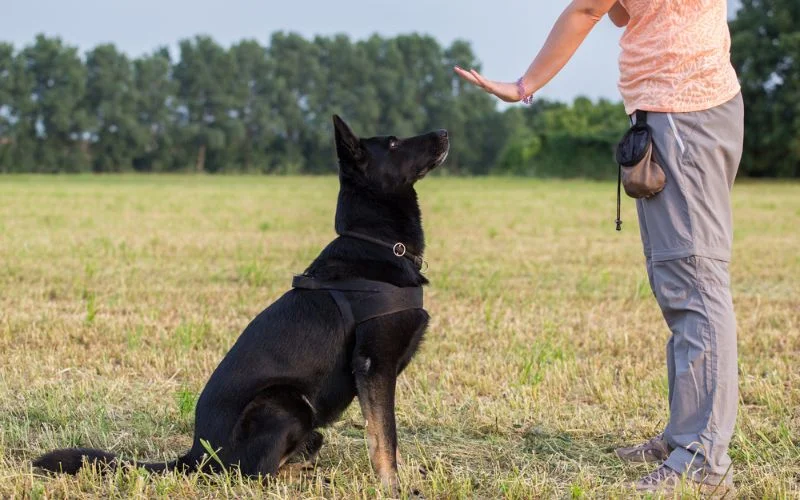
Another crucial command is “stay.” This command teaches your dog to remain in one place until you give them a release cue. It is particularly important when you need your dog to stay put, such as when guests arrive or when you are crossing the road.
Begin by asking your dog to sit, then hold your palm out in front of them, saying “stay” in a firm but calm voice. Take a step back, and reward them if they remain in position. Gradually increase the distance and duration of the stay command as your dog becomes more proficient.
“Come” is another vital command to save your dog’s life. It teaches them to return to you when called, regardless of the distractions around them. Start by kneeling and encouraging your dog to come to you with an excited and happy tone.
Reward them with praise and treats when they come to you. Practice this command in various environments to reinforce their understanding.
In conclusion, obedience training is crucial for every dog, and teaching them basic commands is the first step. By mastering orders like sit, stay, and come, your dog will become well-behaved and more enjoyable.
Remember to be patient and consistent, and use positive reinforcement to ensure successful training.
How Long Does Obedience Training Take?

Obedience training is an essential part of owning a dog. It helps establish a strong bond between the owner and their furry friend while ensuring the dog behaves well in various situations. Many dog owners wonder how long obedience training will take, as they want to see results as quickly as possible.
The duration of obedience training can vary depending on various factors. The dog’s age, breed, and temperament play a significant role in determining the training time.
Generally, it takes around six to eight weeks to complete a basic obedience training program. However, it’s important to note that training is an ongoing process, and consistency is key.
During the initial stages of obedience training, dogs learn basic commands such as sit, stay, and come. This foundation is crucial for further training and helps establish the dog’s understanding of boundaries and expectations.
More advanced commands, such as heel, down, and leave, can be introduced as the workout progresses.
It’s important to remember that every dog is unique, and some may require more time and patience than others. Some breeds are known to be more stubborn or independent, which can lengthen the training process.
Additionally, the commitment and consistency of the owner in reinforcing the training outside of formal sessions also play a significant role.
To ensure the effectiveness of obedience training, working with a professional dog trainer or enrolling in a structured training program is recommended. These experts can guide and tailor the training to suit the dog’s needs.
In conclusion, obedience training is an ongoing process that requires time, patience, and consistency. While it typically takes six to eight weeks to complete a basic obedience training program, every dog is different, and the duration may vary.
By investing the necessary time and effort, dog owners can establish a strong foundation of obedience and ensure a well-behaved canine companion.
What Are the Different Methods of Obedience Training?
Obedience training is an essential aspect of dog ownership. It helps establish a strong bond between the owner and the dog while ensuring it behaves appropriately. There are several different methods of obedience training, each with its unique approach and benefits.
One popular method is positive reinforcement training. This technique focuses on rewarding desired behaviors with treats, praise, or other forms of positive reinforcement.
By using rewards, the dog learns to associate good behavior with positive outcomes, encouraging them to repeat those behaviors in the future.
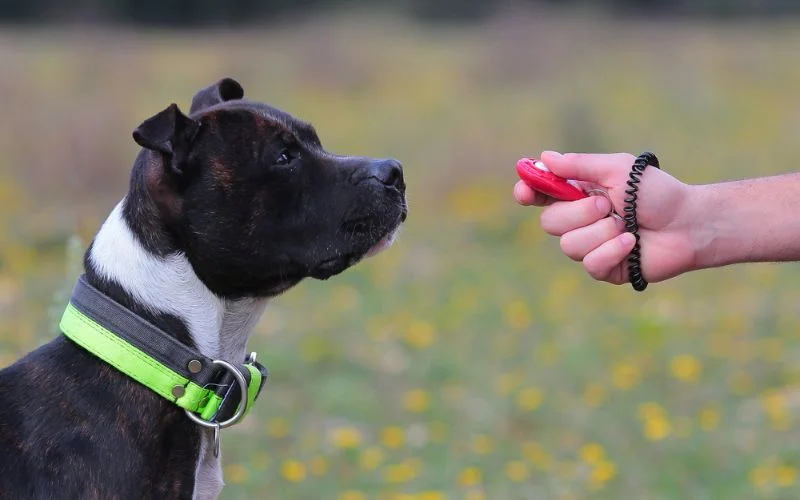
Another method is clicker training. This involves using a clicker, a small device that makes a distinct sound, to mark the desired behavior. The dog learns to associate the clicker’s sound with a reward and quickly understands what behavior is being reinforced.
On the other hand, some trainers prefer using aversive methods, such as choke chains or shock collars. These methods rely on negative consequences to discourage unwanted behaviors.
While they can be effective, it is important to use them correctly and with caution to avoid causing harm or distress to the dog.
Additionally, there is the dominance-based training approach, which emphasizes establishing the owner as the alpha or pack leader. This method relies on the theory that dogs are pack animals and need a strong leader to follow. It involves techniques such as alpha rolls and physical corrections.
Each method has strengths and weaknesses; what works best for one dog may not work for another. When choosing a training method, it is important to consider the individual dog’s temperament, breed, and specific needs.
Consulting with a professional dog trainer can help determine the most appropriate approach for your dog.
In conclusion, obedience training is crucial for a well-behaved and happy dog. The different methods of training offer various approaches to achieve the desired results.
By understanding the other techniques and considering your dog’s unique characteristics, you can find the most effective method for your furry friend.
Can I Train My Dog at Home?
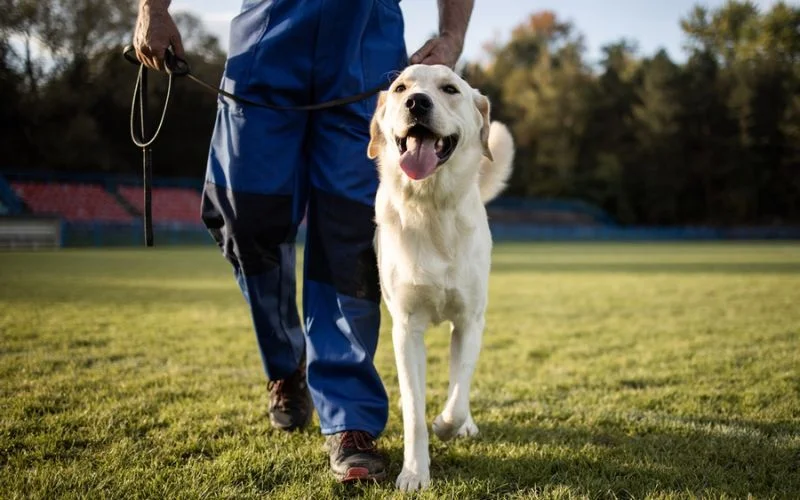
Regarding obedience training, many dog owners wonder if they can train their furry friends at home. The answer is a resounding yes! With the right approach and consistency, you can effectively train your dog in the comfort of your own home.
One of the key advantages of training your dog at home is its convenience. You don’t have to commute to a training facility or adhere to a specific schedule. Instead, you can fit training sessions into your daily routine, making it easier to stay consistent.
To start training your dog at home, it’s important to establish a clear set of rules and boundaries. Dogs thrive on structure, so providing them with consistent expectations will help them understand what is expected of them.
Use positive reinforcement techniques, such as treats and praise, to reward good behavior and discourage bad behavior.
Consistency is crucial when training your dog at home. Set aside dedicated training sessions each day and stick to them. Keep the sessions short and focused, as dogs have short attention spans. Gradually increase the difficulty of the training tasks as your dog progresses.
In addition to formal training sessions, incorporate obedience training into everyday interactions with your dog. Use commands such as “sit, “stay,” and “and come” during playtime or mealtime to reinforce their training.
This will help your dog generalize their training and understand that obedience is expected in all situations.
Remember, training your dog at home requires patience and perseverance. It’s important to remain calm and consistent, even when faced with challenges. Seek professional help if needed, as trainers can provide guidance and support.
In conclusion, training your dog at home is possible and highly effective. By establishing clear rules, using positive reinforcement, and staying consistent, you can successfully train your dog to be obedient.
So why wait? Start preparing your dog at home today and enjoy the benefits of a well-behaved companion.
Do I Need a Professional Trainer for Obedience Training?
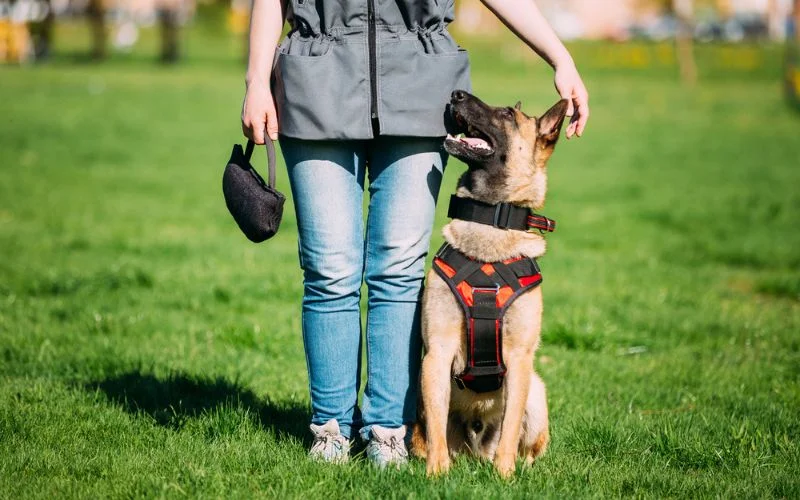
Obedience training is an essential part of ensuring a well-behaved and happy dog. Many dog owners wonder if they need to hire a professional trainer or if they can handle the training themselves.
While it is possible to train your dog on your own, there are several reasons why seeking the help of a professional trainer can be beneficial.
Firstly, professional trainers have extensive knowledge and experience in obedience training. They understand the best techniques and methods for other breeds and temperaments. This expertise allows them to tailor the training to suit your dog’s needs, ensuring more effective results.
Another advantage of hiring a professional trainer is that they can provide guidance and support throughout the training process. They can answer any questions and offer advice on addressing specific behavioral issues.
This support can be invaluable, especially if you are a first-time dog owner or dealing with a particularly challenging dog.
Additionally, professional trainers have access to specialized training equipment and facilities. These resources can enhance the training experience and provide a controlled environment for your dog to learn and practice obedience commands.
They can also offer socialization opportunities, allowing your dog to interact with other dogs in a safe and supervised setting.
Furthermore, working with a professional trainer can save you time and frustration. They have the skills to teach your dog commands quickly and efficiently, reducing the time you need to spend on training. This can be especially beneficial if you have a busy schedule or struggle to progress independently.
In conclusion, while training your dog on your own is possible, hiring a professional trainer for obedience training can offer numerous benefits.
Their expertise, guidance, resources, and time-saving abilities can greatly enhance the training experience and ensure the best results for you and your furry friend.
Conclusion
Obedience training is an essential aspect of dog ownership. Throughout this post, we have explored various topics related to obedience training, including its definition, importance, timing, basic commands, duration, methods, and the option of training at home versus hiring a professional trainer.
Obedience training serves as a foundation for a well-behaved and happy dog. It establishes clear communication between you and your furry companion, ensuring a harmonious relationship.
By teaching your dog basic commands such as sit, stay, and come, you are equipping them with the skills they need to navigate the world around them safely.
Starting obedience training early is crucial. Puppies are like sponges, ready to absorb knowledge and eager to please. By beginning training when you bring your new pup home, you set them up for success and prevent unwanted behaviors from developing.
The duration of obedience training varies depending on the dog’s breed, age, and individual temperament. Consistency and patience are key, as training is an ongoing process that requires dedication and practice.
Different obedience training methods include positive reinforcement, clicker training, and dominance-based techniques. Choosing a way that aligns with your values and suits your dog’s learning style is important.
While professional trainers can provide expertise and guidance, training your dog at home with the right resources and commitment is possible. However, seeking professional help can be beneficial, especially for more complex training needs or if you are a first-time dog owner.
The future of obedience training may see advancements in training techniques and tools. With the rise of technology, virtual training programs and apps may become more prevalent, offering convenience and accessibility to dog owners.
Thank you for taking the time to read this post on obedience training. We hope it has provided you with valuable insights and useful information. We encourage you to leave any comments or feedback, as your input is greatly appreciated.
Remember, by investing in obedience training, you invest in a lifetime of happiness and companionship with your beloved canine friend.