

How to Give Your Dog Medicine: A Comprehensive Guide
As pet owners, we all want the best for our furry companions, including caring for their health. However, giving your dog medicine can be challenging, especially when they are uncooperative or have a knack for sniffing out medication hidden in their food. But fear not! With a little patience, knowledge, and clever tricks, you can successfully administer medication to your dog without any hassle.
In this comprehensive guide on giving your dog medicine, we will explore various methods and techniques to make the process easier for you and your furry friend. We will cover everything from pills to liquid medications, ensuring you have the tools to treat your dog’s ailments effectively.
First and foremost, it is essential to understand the importance of proper medication administration. Whether your dog suffers from a temporary illness or requires long-term treatment, giving them medication as your veterinarian prescribes is crucial for their well-being. However, it’s no secret that dogs can be quite stubborn when taking medicine. That’s why we’re here to provide expert tips and strategies to make the entire experience stress-free.
This guide will delve into the different methods of giving your dog medicine, including hiding pills in treats, using pill pockets, and even utilizing specialized pet medication tools. We will also discuss the importance of establishing a positive association with medication, ensuring that your dog sees it as a rewarding experience rather than a dreaded one.
So, whether you’re a new pet owner or have been struggling with medication administration for years, this guide will equip you with the knowledge and techniques to give your dog medicine confidently. Let’s embark on this journey together and ensure our furry friends receive the care they deserve.
How to Give Your Dog Medicine
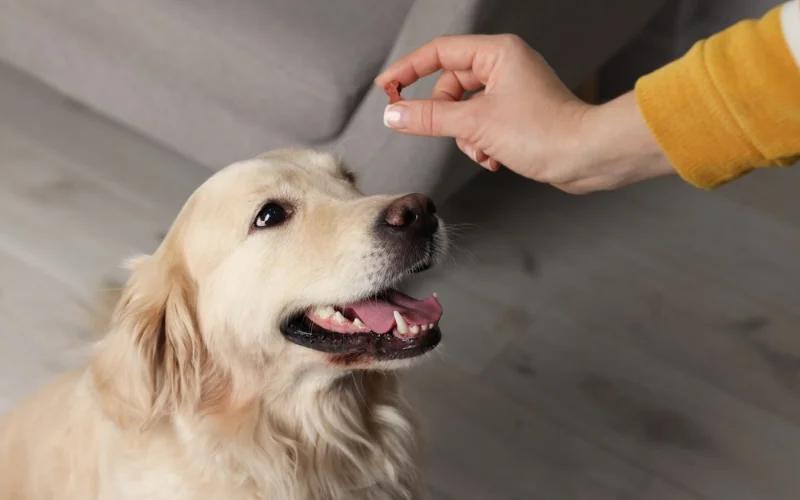
Giving your dog medicine can be challenging but essential for their health and well-being. Whether it’s a pill, liquid, or topical treatment, you can use a few techniques to make the process easier for you and your furry friend.
Firstly, it’s important to approach the task with a calm and confident attitude. Dogs can sense your emotions, so if you’re anxious or nervous, they may become agitated, too. Find a quiet and comfortable area to administer the medicine without distractions.
If you’re giving your dog a pill, you can try hiding it in a treat or food. Wrap the drug inside with something soft and tasty, like cheese or peanut butter. Ensure your dog sees you preparing the pleasure so they know something special is inside. Alternatively, you can use a pill dispenser, which allows you to place the pill directly into your dog’s throat.
Use a syringe or dropper to measure the correct dosage carefully for liquid medicine. Gently lift your dog’s lip and place the syringe or dropper in the corner of their mouth, aiming towards the back of their throat. Slowly squeeze the liquid, giving your dog time to swallow. Reward them with a treat or praise afterward.
When it comes to topical treatments, such as ointments or ear drops, it’s important to follow the instructions provided by your veterinarian. Use gentle and soothing motions to apply the treatment, and reward your dog afterward for their cooperation.
Remember, giving your dog medicine may take some practice and patience. Always consult with your veterinarian if you have any concerns or questions. By approaching the task with a positive mindset and using these techniques, you can ensure your dog stays healthy and receives the necessary medication.
What Are Common Types of Dog Medicine?

When keeping our furry friends healthy, they sometimes need extra help. Dog medicine is a vital tool in maintaining their well-being. Several common types of dog medicine can address a variety of health concerns.
One common type of dog medicine is antibiotics. These are used to treat bacterial infections in dogs, such as skin infections or respiratory infections. Antibiotics kill or inhibit the growth of bacteria, helping the dog’s immune system fight off the infection.
Another type of dog medicine is pain relievers. Like humans, dogs can experience pain from various causes, such as arthritis or injuries. Pain relievers can help alleviate their discomfort and improve their quality of life. It’s important to note that human pain relievers, such as ibuprofen or acetaminophen, should never be given to dogs as they can be toxic.
Heartworm preventatives are also common types of dog medicine. Heartworms are parasites that can be transmitted to dogs through mosquito bites. Heartworm preventatives help protect dogs from this potentially deadly disease by killing the larvae before they mature into adult worms.
Flea and tick preventatives are essential for dogs, especially those who spend time outdoors. Fleas and ticks can carry diseases and cause discomfort for dogs. These preventatives come in various forms, such as topical treatments or oral medications, and help keep these pests at bay.
In conclusion, several common types of dog medicine serve different purposes in maintaining their health. Whether it’s antibiotics for infections, pain relievers for discomfort, heartworm preventatives, or flea and tick preventatives, these medications are crucial in keeping our furry friends happy and healthy.
Can I Give My Dog Human Medicine?

When it comes to our furry friends, their health and well-being are of utmost importance. As responsible pet owners, we want to provide the best care possible. But what happens when our dogs fall ill, and we don’t have access to veterinary medication? Can we give them human medicine instead? Let’s find out.
While reaching for the medicine cabinet and giving your dog something from there may be tempting, it’s important to remember that dogs and humans have different physiological systems. What may be safe and effective for us can be harmful or toxic to our canine companions. Human medications are formulated specifically for our bodies; giving them to dogs can lead to serious health complications.
One common example is acetaminophen, commonly known as Tylenol. While it can be safe for us in the right dosage, it can be extremely toxic to dogs, causing liver damage and even death. Other human medications, such as ibuprofen and aspirin, can harm dogs, including gastrointestinal ulcers and kidney damage.
So, what should you do if your dog needs medication? The best course of action is to consult with a veterinarian. They have the knowledge and expertise to prescribe the appropriate remedy for your dog’s condition. They can also advise you on the correct dosage and any potential side effects to watch out for.
In conclusion, it is not safe to give your dog human medicine. Always consult with a veterinarian for proper diagnosis and treatment. Your dog’s health is too important to take any risks.
How Do I Give My Dog a Pill?

Giving medication to your furry friend can be challenging, but it can become a seamless process with the right approach and a little patience. Whether your dog needs a pill for a specific condition or as a preventive measure, here are some tips to help you administer medication effectively.
Firstly, it’s important to be prepared. Gather all the necessary supplies, including the medication, a treat or food to hide the pill, and a towel or blanket to help restrain your dog if needed. It can also be helpful to have someone else present to assist you.
Next, approach your dog calmly and confidently. Dogs can sense anxiety, so it’s essential to stay relaxed. If your dog is suspicious or uncooperative, try wrapping the pill in a tasty treat or hiding it in a small amount of food. Alternatively, you can use a pill dispenser or a pocket designed to make the process easier.
If your dog refuses to take the medication, gently hold their muzzle and tilt their head back. This will help open their mouth. Place the pill as far back on their tongue as possible, then close their mouth and stroke their throat to encourage swallowing. You can also blow on their nose or offer a small amount of water to aid the process.
After giving the medication, reward your dog with praise and a treat to reinforce positive behavior. Following the prescribed dosage and completing the full course of drugs is crucial, even if your dog feels better.
Remember, patience and calm are key when giving your dog a pill. Practice will make it easier for you and your furry friend. If you’re still having difficulties, don’t hesitate to consult your veterinarian for further guidance.
By following these tips, you can ensure that your dog receives the medication they need in a stress-free and effective manner.
What If My Dog Refuses to Take The Medicine?

If you have ever had to give your dog medicine, you know that it can sometimes be a challenging task. Dogs can be stubborn when taking medication, which frustrates you and your furry friend. So, what do you do if your dog refuses to take the medicine?
Firstly, it’s important to understand why your dog might be refusing the medication. One common reason is that the medicine may have a strong smell or taste that your dog finds unpleasant. In this case, you can disguise the treatment by wrapping it in a treat or mixing it with their food. This can make it more appealing to your dog and increase their chances of willingly taking it.
If your dog refuses the medicine, you may need to try a different approach. Some dogs are more resistant to taking medication and require more persuasion. One method is using a pill dispenser or a pill pocket. These tools can help you safely administer the medicine without your dog realizing it. Place the pill inside the dispenser or bag and treat it to your dog.
Another option is to crush the medication and mix it with a small amount of water or broth. You can then use a syringe or dropper to administer the mixture into your dog’s mouth slowly. This method can be useful for dogs who are particularly difficult to pill.
Sometimes, you may need to consult your veterinarian for further assistance. They may be able to provide alternative medications or suggest other methods for administering the medicine. Remember, it’s important never to force your dog to take medication, as this can lead to negative associations and make future administrations even more difficult.
In conclusion, if your dog refuses to take their medicine, don’t panic. You can try several strategies to make the process easier for you and your furry friend. By being patient and creative, you can ensure your dog receives the medication they need to stay healthy.
Can I Hide The Medicine In My Dog’s Food?

When giving your dog medicine, pet owners’ common question is whether they can hide the medication in their dog’s food. It can be challenging to administer medication to our furry friends, especially if they are picky eaters or refuse to take pills. So, is hiding the medicine in their food a viable solution?
The answer is it depends. While it may seem like a convenient and easy way to give your dog their medication, it’s important to consider a few factors before opting for this method. First and foremost, you must check with your veterinarian to ensure that the medication can be safely given with food. Some medications require an empty stomach for optimal absorption, so hiding them in food may interfere with their effectiveness.
It would also be best to consider your dog’s eating habits. If your dog is a fast eater and tends to gulp down their food without chewing, there’s a risk that they may not even notice the medication and swallow it whole. On the other hand, if your dog is a picky eater and can easily detect foreign objects in their food, they may refuse to eat it altogether.
If hiding the medication in your dog’s food is not a viable option, don’t worry. There are alternative methods you can try. One option is using a pill dispenser or pill pocket designed to hold medication. These are usually flavored and can help mask the taste and smell of the medicine, making it more appealing to your dog. Another option is to crush the pill and mix it with wet food or a tasty treat.
In conclusion, while hiding medication in your dog’s food may seem convenient, it’s important to consider the specific drug and your dog’s eating habits. Always consult your veterinarian for the best medication to ensure your furry friend’s health and well-being.
Are There Alternative Methods to Give Medicine to Dogs?

When it comes to giving medicine to our furry friends, it can be a challenging task. Dogs are known for their strong will and resistance when taking medication. However, there are alternative methods that can make the process easier for both you and your dog.
One alternative method is to hide the medication in your dog’s favorite treat. Many pet stores offer pill pockets, which are soft treats with a hollow center where you can place the pill. This method disguises the medication and makes it more appealing to your dog. Another option is to use wet food or peanut butter to hide the pill. Mix the medicine with a small amount of the food or peanut butter and watch your dog eagerly gobble it up.
You can use a pill dispenser if your dog is stubborn and refuses medication. These devices are designed to hold the pill securely and allow you to place it directly into your dog’s throat. This method ensures that your dog receives the full dose of medication without any fuss.
You can use a syringe or dropper to administer the medicine directly into your dog’s mouth for liquid medications. Hold your dog’s mouth closed and gently massage its throat to encourage swallowing. Alternatively, mix the liquid medicine with a small amount of food or water to make it more palatable.
In conclusion, giving medicine to your dog doesn’t have to be a stressful experience. You can ensure that your dog receives the necessary medication without any hassle by utilizing alternative methods such as hiding the drug in treats, using a pill dispenser, or administering liquid medicines directly. Always consult your veterinarian for specific instructions on giving your dog medicine.
How Do I Give Liquid Medicine To My Dog?

Giving medicine to your furry friend can be a challenging task, especially when it comes to liquid medication. However, with simple techniques and patience, you can ensure your dog takes their medicine without hassle.
Firstly, it’s important to consult your veterinarian before administering any medication to your dog. They will give you the correct dosage and instructions for providing the medicine. Once you have the cure, follow these steps to make the process easier:
1. Prepare the medication: Shake the bottle well to ensure the medicine is properly mixed. If the drug needs refrigeration, take it out in advance to allow it to reach room temperature.
2. Create a positive environment: Find a quiet, comfortable medicine administration space. Make sure your dog is relaxed and calm before starting.
3. Use a syringe or dropper: Most liquid medications have a needle or dropper for easy administration. Gently insert the syringe or dropper into the side of your dog’s mouth, aiming towards the back of the throat. Slowly squeeze the medication, allowing your dog to swallow it.
4. Reward and praise: Immediately after giving the medicine, reward your dog with a treat or praise. This positive reinforcement will help them associate taking medication with something enjoyable.
5. Stay calm and patient: If your dog resists or spits out the medication, stay calm and try again. It may take a few attempts before they get used to the process. Avoid getting frustrated or forcing the pill down their throat, as this can create a negative experience.
Remember, following the veterinarian’s instructions and completing the full course of medication is essential. If you’re still having trouble giving your dog liquid medicine, don’t hesitate to contact your veterinarian for further guidance.
By following these tips, you can make giving liquid medicine to your dog a stress-free experience for both of you.
Firstly, we discussed the types of dog medicine commonly prescribed, ranging from antibiotics to pain relievers. Understanding the purpose and dosage of each medication before administering it to your furry friend is crucial.
Next, we addressed the question of whether it is safe to give your dog human medicine. While some medications may overlap, it is always best to consult your veterinarian to ensure the correct dosage and avoid potential harm to your dog.
We then delved into the various methods of giving your dog a pill, including using a pill dispenser or hiding it in a treat. However, if your dog refuses to take the medicine, we provide alternative methods such as crushing the pill and mixing it with their food or using a liquid form.
Speaking of hiding medicine in food, we discussed the effectiveness of this method and provided tips on how to ensure your dog consumes the entire dose without spitting it out.
Additionally, we explored alternative methods to give medicine to dogs, such as using a syringe or dropper for liquid medication. These methods can be especially useful for dogs resistant to taking pills.
Future developments or trends in dog medicine could impact how we administer medication to our furry companions. It is always important to stay informed and consult with your veterinarian for the latest updates and recommendations.
Conclusion
In conclusion, giving your dog medicine is important to their health and well-being. Throughout this post, we have covered various topics about how to share your dog’s medicine.