

How to Care for a Puppy: Raising a Happy and Healthy Puppy
Welcoming a new puppy into your home is an exciting and rewarding experience. From those adorable puppy eyes to their playful antics, puppies have a way of capturing our hearts.
But along with all the joy they bring, they also require much care and attention. This comprehensive guide will explore everything you need to know about caring for a puppy, from their basic needs to training tips and health considerations.
First and foremost, creating a safe and comfortable environment for your new furry friend is essential. Puppy-proofing your home is crucial, as curious puppies can get into all sorts of mischief. Remove potential hazards, such as toxic plants, electrical cords, and small objects that could be swallowed.
Next, you’ll want to establish a routine for your puppy. Just like children, puppies thrive on consistency. Set regular feeding times, potty breaks, and exercise sessions to help them feel secure and develop good habits. Remember, puppies have small bladders, so frequent potty breaks are necessary!
Proper nutrition is vital for your puppy’s growth and development. Consult with your veterinarian to determine the best diet for your furry friend, whether commercial dog food or homemade. Always provide fresh water and monitor their weight to ensure they are growing at a healthy pace.
Socialization is another crucial aspect of puppy care. Expose your puppy to various people, animals, and environments to help them become well-rounded and confident dogs. Puppy classes and playdates can be great opportunities for them to learn how to interact with others.
In this guide, we will delve deeper into each of these topics, providing you with valuable insights and practical tips to help you navigate the wonderful journey of raising a puppy.
So, whether you’re a first-time puppy owner or looking to refresh your knowledge, join us as we embark on this adventure together. Get ready to create a loving and nurturing environment that will shape your puppy into a happy and well-behaved companion.
How to Care for a Puppy

Caring for a puppy is a joyful and rewarding experience. Whether you’re a first-time pet owner or have had dogs, providing the best care for your puppy is important. This article will explore some essential tips for caring for a puppy and ensuring its health and happiness.
One of the most crucial aspects of puppy care is providing a nutritious diet. Puppies require a balanced diet that includes high-quality puppy food.
Consult with your veterinarian to determine the right type and amount of food for your puppy’s needs. Remember to provide fresh water at all times to keep them hydrated.
Regular exercise is vital for a puppy’s physical and mental well-being. Take your puppy for daily walks or play interactive games to keep them active and engaged.
This helps them burn off excess energy and strengthens the bond between you and your furry companion.
Proper grooming is essential to keep your puppy clean and healthy. Regularly brush their coat to prevent matting and remove any loose fur. Trim their nails regularly to avoid discomfort or injury. Additionally, clean their ears and brush their teeth to maintain good oral hygiene.
Socialization is an important aspect of puppy care. Expose your puppy to different environments, people, and animals from an early age. This helps them develop good behavior and become well-adjusted adults. Enroll them in puppy training classes to teach them basic commands and proper behavior.
Regular veterinary check-ups are crucial to ensure your puppy’s health. Vaccinations, deworming, and preventive treatments are necessary to protect them from diseases and parasites. Your veterinarian can also provide guidance on flea and tick control and spaying or neutering.
By following these essential tips, you can provide the best care for your puppy and ensure they grow into happy and healthy adult dogs. Remember, a well-cared-for puppy is a happy puppy!
What should I feed my puppy?

Feeding your puppy the right diet is crucial for their growth and development. As a responsible pet owner, providing them with the nutrients they need to thrive is important. So, what should you feed your puppy?
Opt for high-quality commercial puppy food when choosing the right food for your puppy. These foods are specially formulated to meet the nutritional needs of growing puppies.
Look for a brand that includes keywords like “puppy,” “nutrient-rich,” and “balanced diet” in its description. This ensures you’re providing your furry friend with the best possible nutrition.
When selecting their food, it’s essential to consider your puppy’s age and breed. Large-breed puppies have different nutritional requirements compared to small-breed puppies. Look for food specifically designed for your puppy’s size and age group to ensure they get the right balance of nutrients.
When transitioning your puppy to solid food, do it gradually. Start by mixing a small amount of the new food with their current food, gradually increasing the ratio over several days. This helps prevent digestive upsets and allows your puppy to adjust to the new diet.
Avoid feeding your puppy table scraps or human food. While sharing your meals with them may be tempting, many human foods can harm dogs. Stick to their regular puppy food to keep them healthy and prevent potential health issues.
Remember to provide your puppy with fresh water at all times. Hydration is essential for their overall well-being.
In conclusion, choosing the right food for your puppy is crucial for their health and growth. Opt for high-quality commercial puppy food specifically formulated for their age and breed.
Gradually transition them to solid food and avoid feeding them table scraps. You’re setting them up for a happy and healthy life by providing them with a balanced diet.
How often should I take my puppy for walks?

Taking your puppy for walks is essential to their overall care and well-being. Not only does it provide them with physical exercise, but it also helps to stimulate their mind and socialize them with the outside world.
But how often should you take your furry friend for a stroll? Let’s explore the ideal frequency for puppy walks.
Puppies have a lot of energy and need regular exercise to stay happy and healthy. Generally, taking your puppy for a walk at least once a day would be best.
However, this can vary depending on age, breed, and individual needs. Some puppies require more frequent walks, while others may be content with shorter outings.
When determining the frequency of walks, it’s important to consider your puppy’s age. Younger puppies have smaller bladders and may need to go outside more often.
Aim for short, frequent walks throughout the day to accommodate their needs. As your puppy grows older, you can gradually increase the duration and distance of their walks.
The breed also plays a role in determining how often you should take your puppy for walks. High-energy breeds, such as Border Collies or Labradors, may require more exercise than low-energy breeds like Bulldogs or Pugs.
Researching your puppy’s breed to understand their specific exercise requirements is important.
In addition to physical exercise, walks also stimulate your puppy mentally. They get to explore new smells, sights, and sounds, which helps to keep their minds sharp. Socialization is another important aspect of walks, exposing your puppy to different people, animals, and environments.
Remember, every puppy is unique, so it’s crucial to observe their behavior and energy levels to determine their ideal walking frequency.
Always consult your veterinarian for personalized advice based on your puppy’s needs. By providing regular walks, you’ll be helping your puppy lead a happy and healthy life.
When should I start training my puppy?
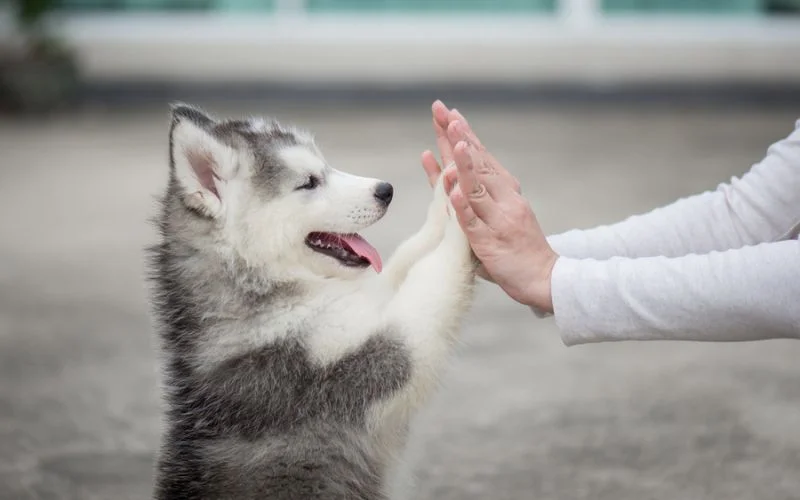
Training a puppy is an essential part of their development and helps establish a strong bond between you and your furry friend.
But when is the right time to start training your puppy? The answer may vary depending on your puppy’s breed and individual characteristics, but there are some general guidelines to follow.
Ideally, you should start training your puppy when you bring them home. Puppies are like sponges, and their brains are most receptive to learning during their early months. By starting early, you can shape their behavior and teach them important commands and skills.
One of the first things you can start with is house training. Puppies have small bladders and need frequent bathroom breaks.
Establish a routine for taking them outside to eliminate and reward them when they do their business in the appropriate spot. Consistency is key; with time, they will learn where to go.
Basic obedience training can also begin at a young age. Start with simple commands like “sit,” “stay,” and “come.” Use positive reinforcement techniques such as treats and praise to reward good behavior. Keep training sessions short and fun, as puppies have short attention spans.
Socialization is another crucial aspect of training. Expose your puppy to different people, animals, and environments to help them become well-adjusted and confident. This will prevent behavioral issues later on and make them more comfortable in various situations.
Remember, training is an ongoing process. You can gradually introduce more advanced commands and skills as your puppy grows. Seek professional help, especially if you encounter specific challenges or behavioral issues.
In conclusion, it’s never too early to start training your puppy. By beginning early and using positive reinforcement techniques, you can lay a solid foundation for their future behavior and ensure a happy and well-behaved companion.
How do I potty train my puppy?

Potty training is an essential aspect of caring for a puppy. It not only ensures a clean and hygienic environment for you and your furry friend but also helps establish a routine and discipline. Here are some effective tips to help you potty train your puppy.
Firstly, establish a designated potty area for your puppy. This could be a specific spot in your backyard or a designated indoor area with puppy pads. They will learn to associate that area with bathroom breaks by consistently taking their puppy to the same spot.
Next, establish a regular schedule for potty breaks. Puppies have small bladders that must be eliminated frequently, especially after meals, naps, or playtime. Take your puppy to their designated potty area every 1-2 hours, gradually increasing the time between breaks as they grow older.
When you take your puppy to their potty area, use a specific command or phrase, such as “go potty” or “do your business.” This will help them understand what is expected of them. Be patient and wait for them to eliminate before praising and rewarding them with treats or verbal praise.
Accidents are bound to happen during the potty training process. When accidents occur, it’s important not to punish your puppy. Instead, please clean up the mess with an enzyme cleaner to remove any scent that may attract them to that spot again.
Consistency is key when potty training a puppy. Stick to the established schedule and routine, and be patient with your furry friend. With time and consistency, your puppy will learn to associate the designated potty area with bathroom breaks, making the potty training process successful.
Potty training takes time and effort, but with the right approach and consistency, you can successfully train your puppy to be a well-behaved and clean companion.
What vaccinations does my puppy need?
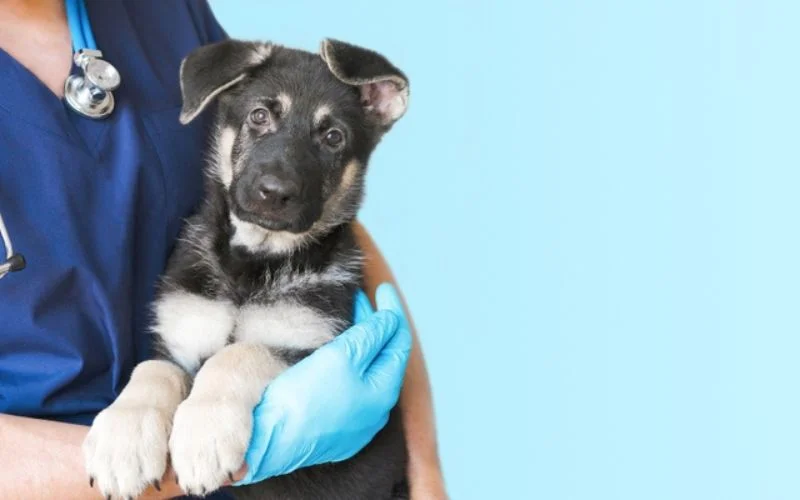
One of the most important aspects when caring for a puppy is ensuring they receive the necessary vaccinations.
Vaccinations are crucial in protecting your furry friend from various diseases and illnesses. This article will explore the essential vaccinations your puppy needs to stay healthy and happy.
One of the first vaccinations that your puppy should receive is the distemper vaccine. This vaccine protects against a highly contagious and potentially fatal disease that affects a dog’s respiratory, gastrointestinal, and nervous systems.
The distemper vaccine is typically administered in a series of shots, starting at around 6-8 weeks of age.
Another vital vaccine is the parvovirus vaccine. Parvovirus is a highly contagious disease that primarily affects puppies and can lead to severe dehydration, vomiting, and diarrhea. Vaccinating your puppy against parvovirus can help prevent this devastating illness.
Rabies is another vaccination that is crucial for your puppy’s health. Rabies is a deadly virus that can be transmitted to humans, so it is essential to protect your puppy. Most states require dogs to be vaccinated against rabies by law.
In addition to these core vaccines, there are other optional vaccinations that you may want to consider depending on your puppy’s lifestyle and risk factors. These may include vaccines for kennel cough, leptospirosis, and Lyme disease.
It is important to consult with your veterinarian to determine the appropriate vaccination schedule for your puppy. They will be able to assess your puppy’s individual needs and recommend the necessary vaccines.
Remember, vaccinations are not a one-time event. Puppies require a series of shots to build their immunity, and regular booster shots are needed throughout their lives to maintain protection.
By staying up to date with your puppy’s vaccinations, you are taking a proactive step in ensuring their long-term health and well-being.
In conclusion, vaccinations are an essential part of caring for a puppy. They protect against potentially life-threatening diseases and help keep your furry friend healthy.
Following the recommended vaccination schedule and consulting with your veterinarian can ensure your puppy receives the necessary protection to live a happy and healthy life.
How often should I groom my puppy?

Grooming is essential to caring for your puppy, as it not only helps them look their best but also promotes their overall health and well-being. But how often should you groom your furry friend? Let’s dive into the details.
The frequency of grooming your puppy depends on various factors such as their breed, coat type, and individual needs.
Generally, most puppies will benefit from a grooming session every 4-6 weeks. However, some breeds with long or dense coats may require more frequent grooming, while others with shorter coats may need less regular sessions.
Regular brushing is crucial for all puppies, regardless of their coat length. It helps remove loose hair, prevents matting, and stimulates the skin to produce natural oils that keep the coat healthy.
Aim to brush your puppy at least once a week, if not more often, to maintain a shiny, tangle-free coat.
Bathing is another important aspect of grooming your puppy. While it’s necessary to keep them clean, excessive bathing can strip their skin of natural oils, leading to dryness and irritation.
Most puppies will benefit from a bath every 4-6 weeks or as needed if they get particularly dirty. Remember to use a gentle, puppy-specific shampoo and rinse thoroughly to avoid residue.
In addition to brushing and bathing, don’t forget to take care of your puppy’s nails, ears, and teeth. Regular nail trims are essential to prevent overgrowth and discomfort.
Check your puppy’s ears regularly for signs of infection or excessive wax buildup, and clean them as needed. Lastly, introduce tooth brushing early on to maintain good dental hygiene.
Remember, grooming is not just about keeping your puppy looking adorable, but it’s also about ensuring their overall health and well-being.
Establishing a regular grooming routine and tailoring it to your puppy’s needs will help them stay happy, healthy, and look their best.
What toys are safe for my puppy to play with?
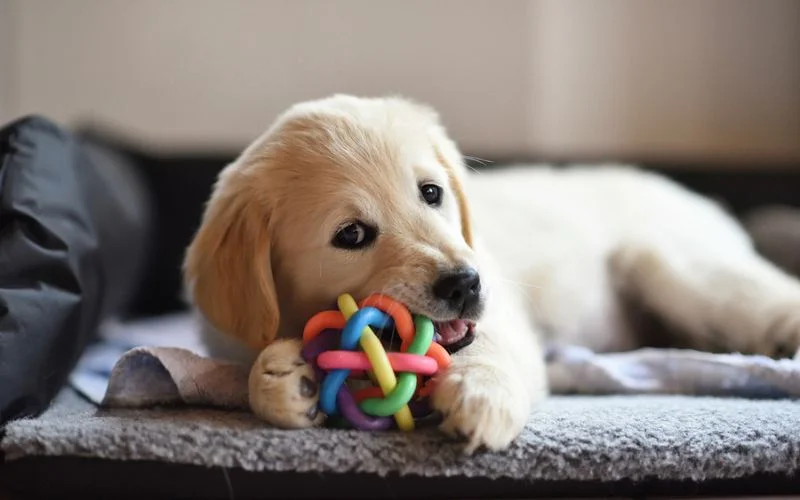
Puppies are full of energy and curiosity, and providing them with the right toys can help keep them entertained and stimulated. However, choosing toys that are safe for your furry friend is important. Here are some tips on what toys are suitable for your puppy to play with.
One of the best types of toys for puppies is chew toys. Puppies are instinctive to chew; providing them with appropriate chew toys can help satisfy this urge while promoting good dental health.
Look for chew toys made of durable materials, such as rubber or nylon, and avoid toys that are too small or have small parts that could be easily swallowed.
Interactive toys are another great option for puppies. These toys are designed to keep your puppy engaged and mentally stimulated.
Puzzle toys, for example, can challenge your puppy’s problem-solving skills and provide hours of entertainment. Look for age-appropriate toys that offer different difficulty levels to keep your puppy engaged as they grow.
Soft toys can also be a good choice for puppies, but choosing ones specifically made for dogs is important. Avoid toys with small buttons or parts that could be easily chewed off and swallowed. Look for machine-washable toys, as puppies can be messy and need frequent cleaning.
When choosing toys for your puppy, always consider their size and breed. Some toys may be too small or too large for certain puppies, which can pose a choking hazard.
Additionally, consider your puppy’s individual preferences. Some puppies may prefer squeaky toys, while others may enjoy toys that can be filled with treats.
In conclusion, choosing the right toys for your puppy is essential for their safety and enjoyment. By selecting chew, interactive, and soft toys appropriate for your puppy’s size and breed, you can provide them with hours of entertainment while promoting their overall well-being.
Conclusion
Caring for a puppy is a crucial responsibility that requires attention, love, and commitment. Throughout this post, we have discussed various topics related to caring for a puppy, providing valuable information and insights.
Firstly, we addressed the question of what to feed your puppy. We emphasized the importance of providing a balanced diet that meets their nutritional needs, and we recommended consulting with a veterinarian to determine the best food options for your puppy.
Next, we discussed the frequency of taking your puppy for walks. Regular exercise is essential for their physical and mental well-being, and we suggested aiming for at least one to two walks per day, depending on their age and breed.
We also tackled the topic of when to start training your puppy. Early training is crucial for their development, and we advise beginning as soon as possible to establish good behavior and obedience.
Potty training was another significant aspect covered in this post. We provided useful tips on effectively potty training your puppy, emphasizing consistency, positive reinforcement, and patience.
Furthermore, we highlighted the necessary vaccinations that your puppy needs to stay healthy and protected against common diseases. We recommended consulting with your veterinarian to ensure your puppy’s vaccination schedule is current.
Grooming is also an essential part of puppy care, and we discussed the frequency of grooming sessions, which vary depending on the breed and coat type. Regular brushing, bathing, and nail trimming are essential for maintaining their hygiene and overall health.
Lastly, we addressed the topic of safe toys for your puppy to play with. We emphasized the importance of choosing appropriate toys for their age, size, and chewing habits to prevent potential hazards.
In conclusion, caring for a puppy is a rewarding experience that requires knowledge, dedication, and love. We hope this post has provided valuable insights and actionable tips to ensure the well-being of your furry friend.
Thank you for reading our post. We encourage you to leave any comments or feedback, as your input is valuable to us. Stay tuned for future developments and trends in puppy care as we strive to provide you with the most up-to-date information.