

What is a Puppy Mill: The Dark Side of Puppy Production
What is a puppy mill? This question may have crossed your mind as you’ve scrolled through heartwarming images of adorable puppies online or watched heartwarming videos of wagging tails and wet noses.
Behind the scenes of the puppy industry lies a dark and often hidden reality – the puppy mill.
Puppy mills are large-scale commercial breeding facilities prioritizing profit over the well-being of the dogs they house.
In a world where profit precedes compassion, the consequences for the animals involved are devastating.
In puppy mills, dogs are often bred repeatedly without adequate rest or consideration for their health. The goal is to produce as many puppies as possible, often resulting in genetic health issues and behavioral problems.
The impact of puppy mills extends beyond the dogs themselves. Supporting these facilities inadvertently contributes to overpopulation and perpetuates unethical breeding practices.
By purchasing a puppy from a mill, you may unknowingly support an industry that thrives on animal cruelty.
Raising awareness about puppy mill existence and practices is crucial. By understanding what they are and the harm they cause, we can make informed choices when bringing a new furry friend into our lives.
In the upcoming articles, we will delve deeper into the dark world of puppy mills, exploring topics such as the signs of a reputable breeder, the importance of adoption, and how we can collectively work towards eradicating this cruel industry.
Join us as we shine a light on the hidden corners of the puppy mill industry, uncovering the truth behind the innocent faces we often see. Together, we can make a difference and ensure a brighter future for all dogs.
What Is a Puppy Mill?
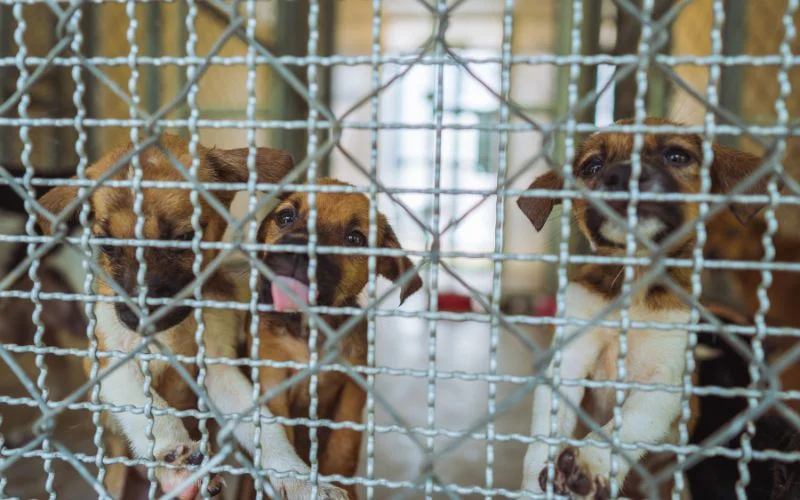
Puppy mills are commercial breeding facilities prioritizing profit over the dogs’ welfare.
These operations often prioritize quantity over quality, leading to inhumane conditions and poor health for the animals involved.
It is important to understand the reality of puppy mills to make informed decisions about where to acquire a new pet.
In puppy mills, dogs are typically kept in overcrowded and unsanitary conditions. They are often confined to small, wire cages with little access to proper veterinary care, exercise, or socialization.
Breeding dogs are often forced to produce litter after litter without sufficient time to recover between pregnancies. This constant breeding takes a toll on their physical and emotional well-being.
The puppies born in puppy mills are often sold to pet stores, online sellers, or directly to consumers. These puppies are often not properly screened for genetic diseases or given the necessary vaccinations and care. As a result, they may have a higher risk of health issues and behavioral problems later in life.
Supporting puppy mills by purchasing a dog from them perpetuates the cycle of cruelty. Instead, adopting a dog from a reputable shelter or rescue organization is recommended.
These organizations prioritize the well-being of the animals in their care and ensure that they are healthy and ready for adoption.
By choosing to adopt rather than buy from a puppy mill, you are not only providing a loving home for a deserving animal but also taking a stand against the unethical practices of these breeding facilities.
Together, we can work towards ending the suffering of dogs in puppy mills and promoting responsible pet ownership.
Remember, knowledge is power. Educate yourself and others about the reality of puppy mills, and make a difference in the lives of countless dogs.
Why Are Puppy Mills Considered Inhumane?
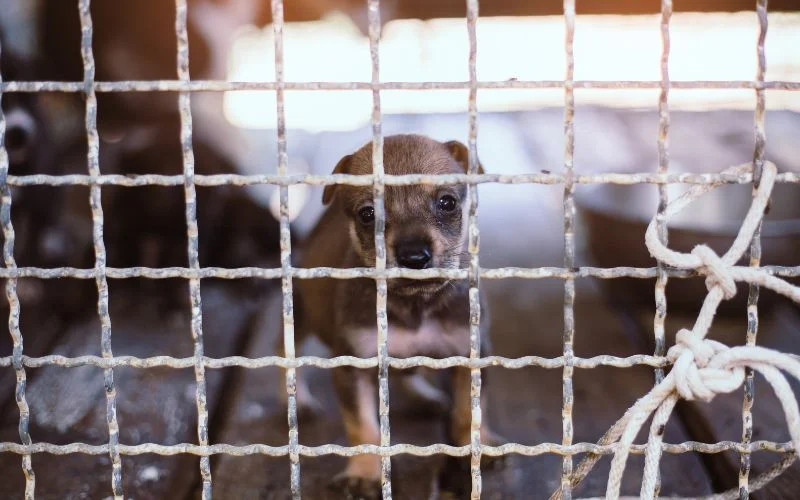
Puppy mills, a term that has gained significant attention in recent years, are widely regarded as inhumane dog breeding facilities.
These establishments prioritize profit over the well-being of the animals they house, resulting in many concerning practices that have sparked outrage among animal welfare advocates. This article aims to shed light on why puppy mills are considered inhumane.
One of the primary concerns surrounding puppy mills is the cramped and unsanitary conditions in which the dogs are kept.
Often, these facilities are overcrowded, leaving little to no space for the dogs to move or exercise. The lack of proper ventilation and inadequate waste management further exacerbate poor living conditions, leading to a higher risk of illness and disease transmission.
Another distressing aspect of puppy mills is the continuous breeding of female dogs without sufficient rest or medical care.
These dogs are treated as mere breeding machines, subjected to multiple pregnancies without adequate recovery time.
This constant cycle of breeding takes a toll on their physical and mental well-being, resulting in a higher likelihood of health issues and behavioral problems in their offspring.
Furthermore, puppy mills often prioritize quantity over quality, producing puppies with genetic defects and health problems.
The lack of proper veterinary care and genetic testing increases the risk of hereditary diseases being passed down through generations.
These health issues can cause immense suffering for the puppies and their future owners, both emotionally and financially.
In conclusion, puppy mills are considered inhumane due to the deplorable living conditions, the exploitation of breeding dogs, and the production of puppies with health issues.
Society must continue raising awareness about these practices and advocating for stricter regulations to ensure the well-being of all dogs.
What Are the Living Conditions in Puppy Mills?
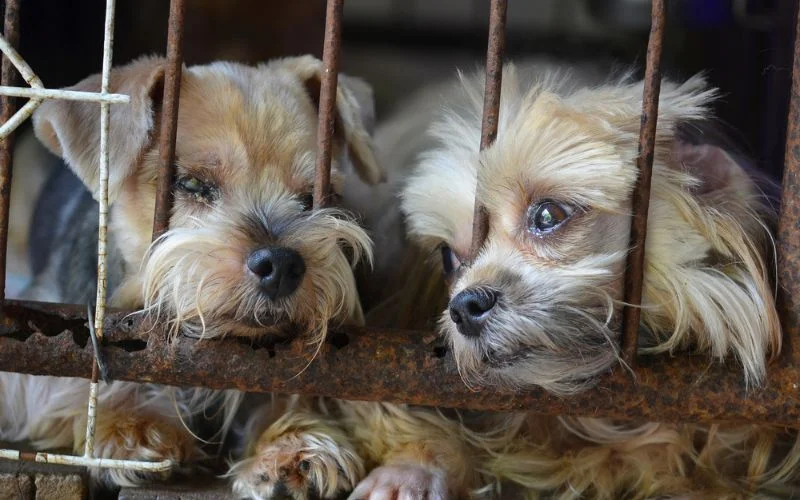
Puppy mills are notorious for their inhumane treatment of dogs. These commercial breeding facilities prioritize profit over the well-being of the animals, leading to appalling living conditions. It is important to shed light on the reality of these mills to raise awareness and advocate for change.
In puppy mills, dogs are often kept in cramped and filthy cages, with little to no regard for their physical and emotional needs.
They are denied proper nutrition, clean water, and veterinary care. The overcrowded conditions contribute to spreading of diseases and parasites, leading to widespread suffering and health issues among the dogs.
The lack of socialization and human interaction is another major concern in puppy mills. Dogs lack love, attention, and mental stimulation, leading to behavioral problems and emotional distress.
Due to their traumatic living conditions, many dogs exhibit anxiety, fear, and aggression.
Breeding dogs in puppy mills are forced to produce litter after litter without considering their reproductive health.
Female dogs are often bred at every heat cycle, resulting in physical exhaustion and reproductive complications. Male dogs are also subjected to constant breeding, leading to biological and genetic health issues.
The living conditions in puppy mills are a breeding ground for neglect and abuse. Dogs are treated as mere commodities devoid of any compassion or empathy.
Society must recognize the inherent cruelty of these operations and take a stand against them.
By understanding the living conditions in puppy mills, we can work towards ending this cruel industry.
Advocacy, education, and legislation are key components in the fight against puppy mills. Together, we can ensure that every dog is given the love, care, and respect they deserve.
How Are Dogs Treated in Puppy Mills?
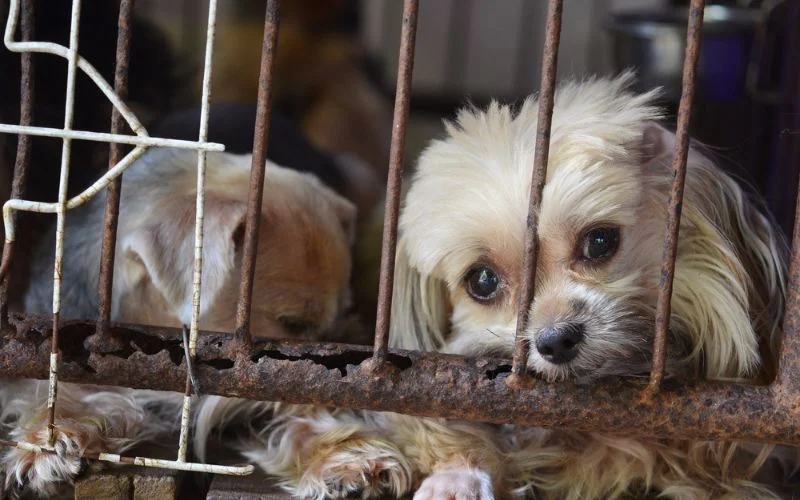
Puppy mills are notorious for their inhumane treatment of dogs. These breeding facilities prioritize profit over the welfare of the animals, leading to a host of issues for the dogs involved.
Understanding how dogs are treated in puppy mills is crucial to advocate for their rights and end this cruel industry.
One of the most distressing aspects of puppy mills is the overcrowded and unsanitary conditions in which the dogs live.
They are often confined to small, dirty cages with little access to fresh air or sunlight. This lack of proper care can lead to various health problems, including respiratory issues, infections, and even death.
In addition to the poor living conditions, the breeding dogs in puppy mills are subjected to constant breeding cycles without regard for their physical or emotional well-being.
Female dogs are bred repeatedly, often until they can no longer produce puppies, at which point they are typically discarded or euthanized.
This relentless breeding takes a toll on their bodies, leading to various health issues such as uterine infections and malnutrition.
Puppy mills also frequently neglect the socialization and proper veterinary care that dogs require. Dogs often suffer from behavioral problems, including fear and aggression, without adequate human interaction or exposure to the outside world.
They are deprived of the love and attention that every dog deserves, resulting in a lifetime of emotional and psychological distress.
It is important to raise awareness about the treatment of dogs in puppy mills and support organizations that work to shut down these facilities.
By adopting from reputable breeders or shelters, we can ensure that we are not supporting this cruel industry.
Together, we can make a difference in these innocent animals’ lives and end their suffering in puppy mills.
What Are the Health Issues in Dogs from Puppy Mills?
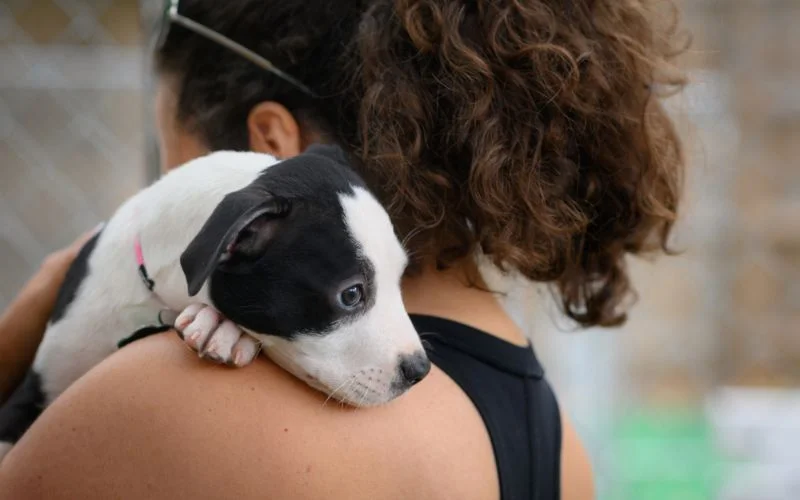
Puppy mills are breeding facilities that prioritize profit over the well-being of dogs. These operations often prioritize quantity over quality, leading to various health issues in the dogs they produce.
It is important to understand these health issues to raise awareness and promote responsible dog breeding practices.
One common health issue in dogs from puppy mills is genetic disorders. Due to the lack of proper breeding practices, dogs in puppy mills are often bred without considering their genetic health.
This can lead to the transmission of hereditary diseases and conditions, such as hip dysplasia, heart disease, and eye disorders.
These genetic disorders can cause lifelong suffering for the dogs, resulting in expensive veterinary bills for their owners.
Another significant health concern is the prevalence of infectious diseases. Puppy mills are often overcrowded and unsanitary, making them breeding grounds for viruses and bacteria.
Dogs in these facilities are more susceptible to parvovirus, distemper, and kennel cough.
The lack of proper veterinary care and vaccination protocols further exacerbates the risk of infectious diseases in puppy mill dogs.
Behavioral issues are also common in dogs from puppy mills. The stressful and often traumatic conditions they are subjected to can lead to fear, anxiety, and aggression.
These dogs may have difficulty socializing, adapting to new environments, and forming trusting relationships with humans.
Behavioral problems can make it challenging for puppy mill dogs to find loving homes and require specialized training and rehabilitation.
In conclusion, dogs from puppy mills face numerous health issues due to poor breeding practices, lack of veterinary care, and stressful living conditions.
It is crucial to raise awareness about these issues and support responsible dog breeding practices to ensure the well-being of our furry friends.
Why Are Puppy Mills a Problem for Animal Welfare?
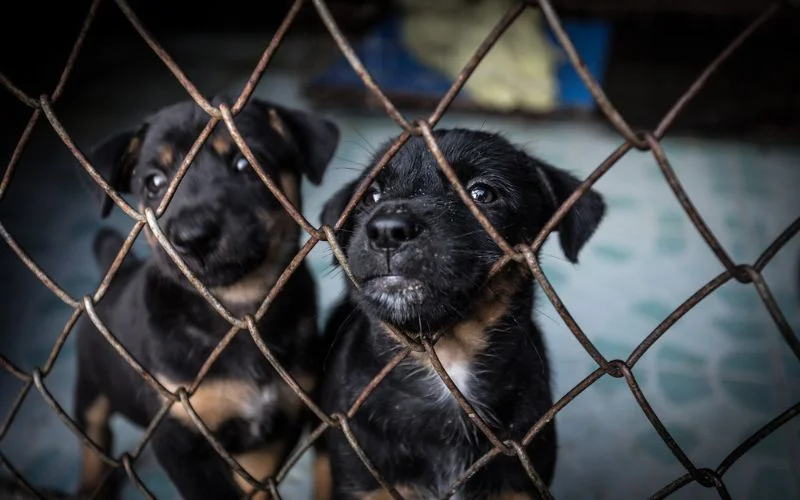
Puppy mills are a significant problem for animal welfare, causing immense suffering and harm to dogs. These commercial breeding facilities prioritize profit over the well-being of the animals, leading to numerous ethical and health concerns.
This lack of proper care and socialization can result in various physical and behavioral problems for the dogs.
Furthermore, puppy mills often prioritize quantity over quality in breeding. Female dogs are bred at every opportunity, leading to physical and emotional stress.
This continuous breeding can result in serious health issues for the mother dogs, such as infections and malnutrition.
Puppies born in puppy mills are also at a higher risk of developing genetic disorders and other health problems. The lack of proper breeding practices and health screenings contributes to these issues.
As a result, many puppies from puppy mills require expensive veterinary care or may even die prematurely due to these underlying health conditions.
Another concerning aspect of puppy mills is the lack of regulation and oversight. These facilities operate without proper licensing or inspections, allowing them to continue their unethical practices unchecked.
This lack of accountability makes it difficult to ensure the well-being of the animals and hold the breeders responsible for their actions.
In conclusion, puppy mills pose a significant problem for animal welfare. The inhumane living conditions, overbreeding, and lack of regulation contribute to the dogs’ suffering and health issues.
It is important to raise awareness about this issue and support responsible breeding practices to ensure the well-being of our furry friends.
What Can We Do to Stop Puppy Mills?
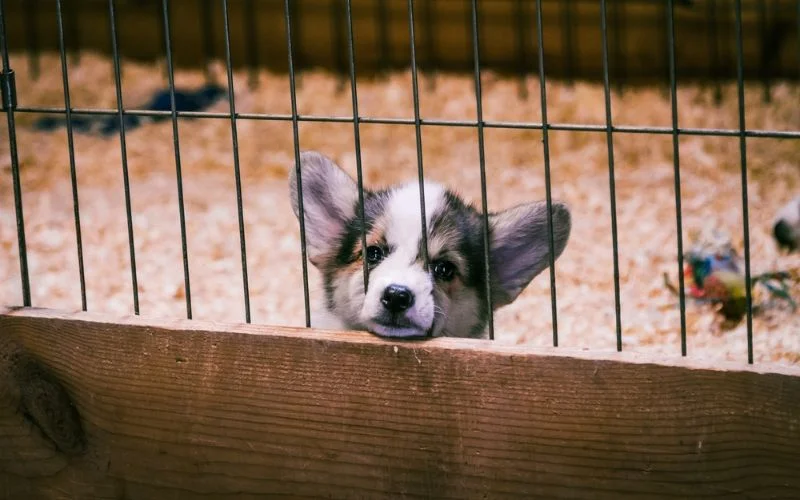
Puppy mills are a dark reality of the pet industry, where profit takes precedence over the well-being of animals. These mass breeding facilities prioritize quantity over quality, subjecting dogs to inhumane conditions and neglect.
As animal lovers, We are responsible for taking a stand against puppy mills and ending this cruel practice. But what can we do to make a difference?
First and foremost, education is key. By spreading awareness about the horrors of puppy mills, we can ensure that people understand the importance of adopting from reputable sources.
Sharing information through social media, organizing awareness campaigns, and supporting animal welfare organizations can help reach a wider audience and create a collective voice against puppy mills.
Another crucial step is to promote adoption. By choosing to adopt from shelters or rescue organizations, we can provide loving homes to dogs rescued from puppy mills.
This saves a life and conveys that buying dogs from mills is unacceptable. Additionally, supporting legislation that regulates breeding practices and enforces strict standards for commercial breeders can help curb puppy mills’ operations.
Furthermore, we must be responsible consumers. Before buying a dog, we should thoroughly research and ensure that the breeder or pet store is reputable and follows ethical practices.
In conclusion, the fight against puppy mills requires a collective effort. By educating others, promoting adoption, and being responsible consumers, we can contribute to the eradication of these cruel operations. Together, we can make a difference and give every dog the love and care they deserve.
Are There Any Alternatives to Buying Dogs from Puppy Mills?
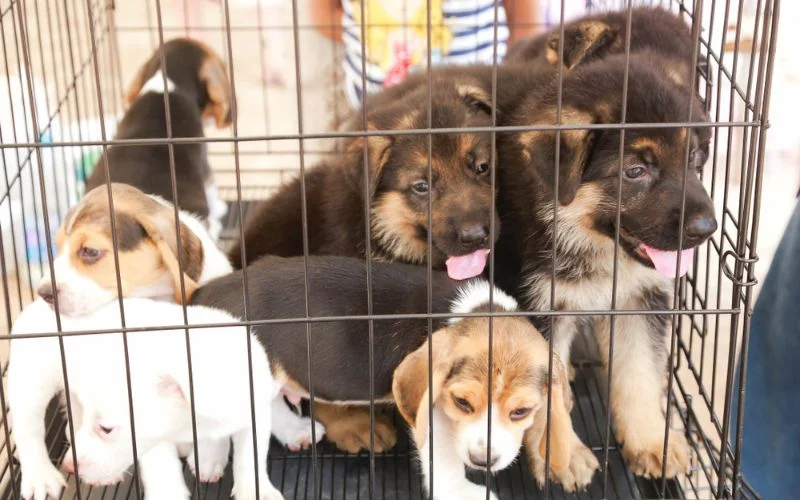
Puppy mills are a dark reality in the world of dog breeding. These commercial facilities prioritize profit over the well-being of the animals they house, often subjecting them to inhumane conditions and neglect.
As more people become aware of the cruelty associated with puppy mills, the demand for alternatives to buying dogs from these establishments is on the rise.
Thankfully, several options are available for those who want to bring a new furry friend into their home while supporting ethical breeding practices.
One alternative to buying dogs from puppy mills is adopting from a shelter or rescue organization. These facilities provide a second chance to dogs in need, many of whom have been abandoned or surrendered by their previous owners.
By adopting from a shelter, you not only give a deserving dog a loving home but also help reduce the demand for puppy mill dogs.
Another option is to purchase a dog from a reputable breeder. Unlike puppy mills, responsible breeders prioritize the health and well-being of their animals.
They provide proper care, socialization, and genetic testing to ensure the puppies are healthy and free from hereditary diseases.
Additionally, breed-specific rescue organizations focus on finding homes for specific breeds.
These organizations rescue dogs of a particular breed from shelters or puppy mills and work to place them in loving homes. Consider contacting a breed-specific rescue if your heart is set on a specific species.
In conclusion, there are several alternatives to buying dogs from puppy mills. By adopting from a shelter, purchasing from a reputable breeder, or considering a breed-specific rescue, you can make a difference in the lives of dogs and support ethical breeding practices.
Say no to puppy mills and choose a responsible and compassionate way to bring a new four-legged companion into your life.
Conclusion
This post has explored the topic of ” what is a puppy mill” and has covered various important aspects of this issue.
The living conditions in puppy mills are deplorable, with dogs confined to small, dirty cages without proper shelter or exercise.
These conditions can lead to various dog health issues, including genetic disorders, infections, and malnutrition. Furthermore, the treatment of dogs in puppy mills is cruel and neglectful.
The health issues in dogs from puppy mills are a major concern. These dogs often suffer from various medical problems, including respiratory, dental, and genetic disorders.
They require extensive medical care and may have a shortened lifespan due to the poor breeding practices in puppy mills.
Puppy mills are a significant problem for animal welfare as they contribute to the overpopulation of dogs and perpetuate the cycle of cruelty.
We must take action to stop puppy mills and promote responsible breeding and adoption practices.
To combat puppy mills, we can choose to adopt dogs from shelters or rescue organizations instead of buying from pet stores or online platforms.
Additionally, we can support legislation that regulates and enforces stricter standards for breeding facilities.
Looking ahead, it is encouraging to see that awareness about puppy mills is growing, and there is a growing movement towards adopting rescue dogs.
This trend is likely to continue as more people become educated about the inhumane practices of puppy mills.
Thank you for reading this post and taking the time to learn about the issue of puppy mills. We encourage you to leave any comments or feedback and share this information with others to raise awareness and help end puppy mills.
Together, we can make a difference in the lives of these innocent animals.