

Adopting a Rescue Dog: From Stray to Family
Are you thinking of bringing a furry friend into your home? Consider adopting a rescue dog. You will provide a loving home for a needy dog and experience the joy and companionship of having a four-legged family member. However, before you adopt, you should know a few things.
First and foremost, it’s important to understand that rescue dogs come from various backgrounds. Some may have been abandoned or surrendered by their previous owners, while others may have been found as strays.
This means that each dog will have their own unique set of needs and challenges. Being prepared for behavioral issues or health concerns that may require extra care and attention is crucial.
Another key aspect to consider is the time commitment of adopting a rescue dog. These dogs often require patience and understanding as they adjust to their new environment.
They may have experienced trauma or neglect, so it is important to give them the time and space they need to feel safe and secure. This may involve training, socialization, and plenty of love and affection.
Additionally, it’s important to consider the financial responsibility of owning a dog. The costs can quickly increase, from food and grooming to veterinary care and vaccinations. Budgeting for these expenses is essential and ensures you can care for your new furry friend.
In conclusion, adopting a rescue dog can be a rewarding and life-changing experience. By understanding the unique needs of rescue dogs and being prepared for the commitment involved, you can provide a loving and forever home for a deserving dog.
So, if you’re ready to embark on this journey, get ready for a lifetime of love, loyalty, and endless tail wags.
What Should I Consider Before Adopting a Rescue Dog?
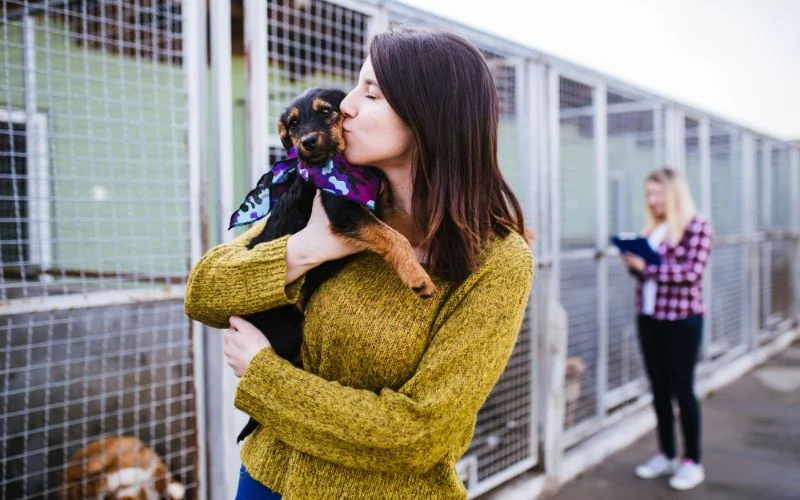
Adopting a rescue dog can be a rewarding experience, but it’s important to consider a few key factors before committing.
By thinking through these considerations, you can ensure that you find the right furry companion for your family and provide them with a loving forever home.
One of the first things to consider is the size and breed of the dog. Different species have different needs and temperaments, so choosing a dog that fits your lifestyle is important.
A smaller breed may be better if you have a small living space or limited outdoor area. On the other hand, if you lead an active lifestyle and enjoy spending time outdoors, a larger, more energetic breed might be a good match.
Another important factor to consider is the dog’s age. Puppies require a lot of time, attention, and training, so be prepared for the commitment that comes with a young dog. An adult or senior dog might be better if you’re looking for a more low-maintenance option.
It’s also important to think about any existing pets or children in your household. Some rescue dogs may not do well with other animals or young children, so choosing a dog compatible with your current family dynamic is important.
Many rescue organizations allow for meet-and-greets or trial periods to ensure that the dog gets along well with your existing pets.
Before bringing a rescue dog home, it’s crucial to consider the time and financial commitment involved. Dogs require regular exercise, grooming, veterinary care, and ongoing training. Ensure you have the time, resources, and dedication to meet your new furry friend’s needs.
Adopting a dog is a lifelong commitment; it can be a truly rewarding experience with the right preparation.
How Can I Prepare My Home for a Rescue Dog?
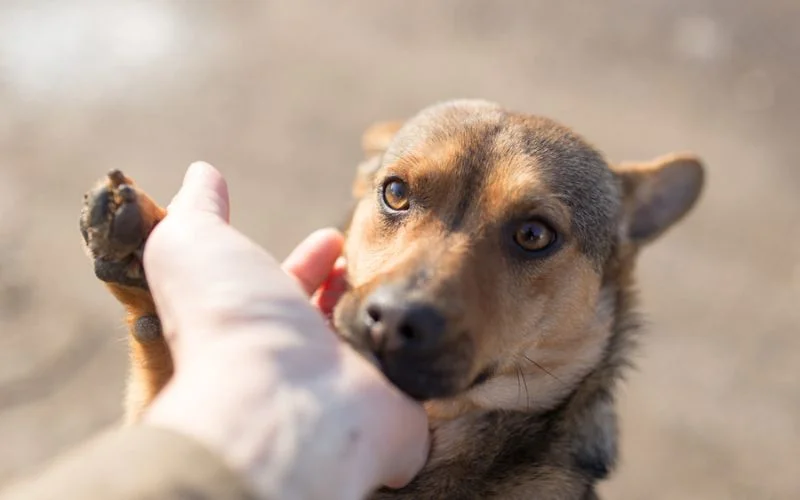
When you decide to adopt a rescue dog, preparing your home to ensure a smooth transition for you and your new furry friend is important.
Creating a safe and welcoming environment will help your rescue dog feel comfortable and settle in quickly. Here are some essential steps to prepare your home for a rescue dog.
First and foremost, make sure your home is dog-proofed. Remove toxic plants, secure loose wires, and store cleaning supplies out of reach. Consider using baby gates to block off certain areas of your home that may be hazardous or off-limits.
Next, set up a designated space for your rescue dog. Provide a cozy bed or crate to retreat when they need to be alone. Make sure to place food and water bowls in a quiet area, away from high-traffic areas.
It’s also important to stock up on essential supplies. Purchase food and treats suitable for your dog’s breed and size.
Before bringing your rescue dog home, schedule a visit to the veterinarian. Ensure they are up to date on vaccinations and have a thorough health check. This will help you address immediate health concerns and establish a relationship with your vet.
Lastly, prepare yourself emotionally and mentally. Understand that rescue dogs may come with their own set of challenges and may require extra patience and training.
Educate yourself on positive reinforcement training techniques and be prepared to provide consistent guidance and love.
Preparing your home for a rescue dog will set the stage for a successful adoption. Remember, each dog is unique and may take time to adjust.
With love, patience, and a well-prepared home, you’ll give your rescue dog the best start to their new life.
What Should I Expect During the Adoption Process?
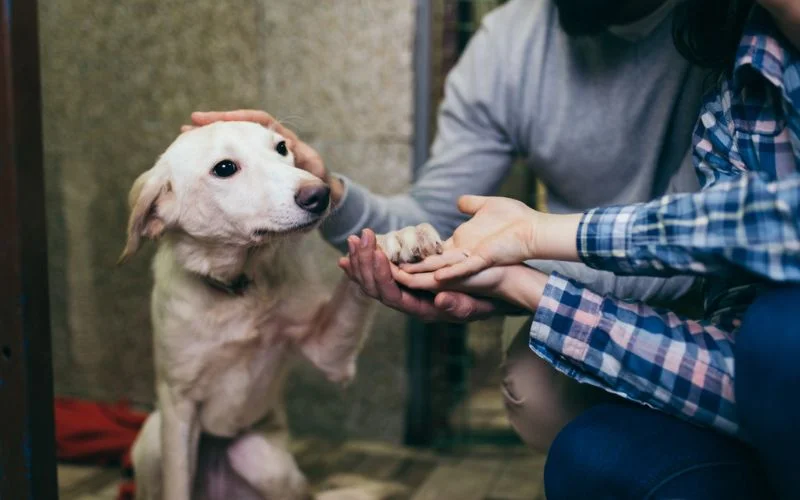
Adopting a rescue dog can be an incredibly rewarding experience, but it’s important to know what to expect during the adoption process. Understanding the steps involved will help you confidently navigate this journey and ensure a successful adoption. Here are some key things to keep in mind:
Research and preparation: Before you start the adoption process, do your homework. Learn about different dog breeds, their temperaments, and exercise needs. Consider your lifestyle and choose a dog that will be a good fit for you and your family. Research local shelters and rescue organizations to find the right match.
Application and screening: Once you’ve found a dog you’re interested in, you must complete an application. This typically includes questions about your home, lifestyle, and dog experience. The rescue organization will also conduct a screening process, which may involve a home visit and reference checks. Be prepared to provide the necessary information and be patient throughout this process.
Meet and greet: You can meet the dog if your application is approved. This is an important step to ensure compatibility and establish a connection. Spend time getting to know the dog, observe their behavior, and ask questions. It’s also a chance for the rescue organization to assess your suitability as an adopter.
Adoption fees and paperwork: Once you’ve decided to proceed with the adoption, there will be paperwork to complete. This may include an adoption contract, medical records, and microchip registration. Be prepared to pay an adoption fee, which helps cover the costs of caring for the dog.
Remember, adopting a rescue dog is a lifelong commitment, so take the time to ensure you’re ready for the responsibilities and joys that come with it.
How Can I Help a Rescue Dog Adjust to Their New Home?

Bringing a rescue dog into your home is a wonderful and compassionate decision. However, it’s important to understand that these dogs may have experienced trauma or neglect, making adjusting to their new home challenging. Here are some tips to help your rescue dog settle in and feel comfortable:
Create a Safe Space: Set up a designated area where your new dog can retreat when they need some alone time. This could be a crate, a cozy corner with a bed, or a quiet room. Ensure this space is soft, comfortable, and free from potential stressors.
Stick to a Routine: Dogs thrive on routine, so establish a consistent schedule for feeding, walks, and playtime. This will help your rescue dog feel secure and know what to expect daily.
Patience and Understanding: It’s important to remember that your rescue dog may need time to adjust and may display behaviors such as fear, anxiety, or aggression. Be patient and understanding; give them the space and time to feel safe and secure.
Positive Reinforcement: Use positive reinforcement techniques such as treats, praise, and rewards to encourage good behavior. This will help your rescue dog associate their new home with positive experiences.
Socialization: Gradually introduce your rescue dog to new people, animals, and environments. Start with low-stress situations and gradually increase the level of exposure. This will help your dog build confidence and become more comfortable in different situations.
Remember, every rescue dog is unique, and their adjustment period may vary. It’s important to be patient and understanding and provide them with the love and care they need to thrive in their new home.
What Are Some Common Behavioral Issues in Rescue Dogs?

Rescue dogs can make wonderful companions, but it’s important to understand that they may come with behavioral challenges. These issues can vary depending on the dog’s background and past experiences. Knowing these common behavioral issues, you can better prepare yourself for adopting a rescue dog.
One common issue seen in rescue dogs is separation anxiety. Many of these dogs have experienced abandonment or have been shuffled around from home to home. As a result, they may become anxious when left alone.
This can lead to destructive behavior, excessive barking, or even attempts to escape. It’s important to gradually acclimate your new dog to being alone and provide them with plenty of mental and physical stimulation.
Fear and aggression are also common behavioral issues in rescue dogs. These dogs may have been exposed to traumatic situations or not properly socialized. As a result, they may exhibit fear or aggression towards people or other animals.
Patience, positive reinforcement training, and gradual exposure to new situations can help these dogs overcome their fears and build trust.
Lastly, some rescue dogs may have difficulty with house training. They may not have been properly trained in their previous homes or been kept in a shelter for an extended period. Consistency, positive reinforcement, and a regular schedule can help these dogs learn appropriate bathroom habits.
Every rescue dog is unique, and their behavioral issues may vary. Being patient, understanding, and willing to seek professional help is important. With time, love, and proper training, many rescue dogs can overcome challenges and become loving and well-adjusted family members.
How Can I Train a Rescue Dog?
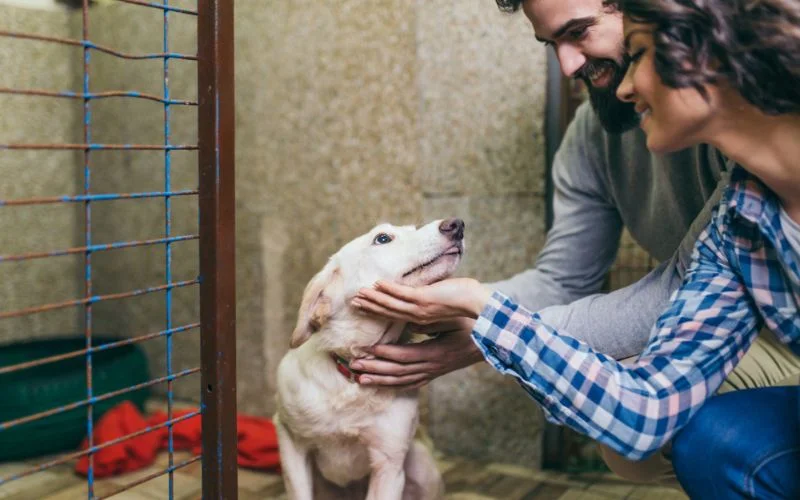
Training a rescue dog can be a rewarding experience for both you and your new furry friend. While it may require extra patience and understanding, you can help your rescue dog become a well-behaved and happy family member with the right approach.
Firstly, it’s important to establish a consistent routine for your rescue dog. This will help them feel secure and understand what is expected of them. Set regular feeding times, exercise schedules, and designated potty areas. Consistency is key when it comes to training a rescue dog.
When it comes to training techniques, positive reinforcement is highly effective. Use treats, praise, and rewards to encourage good behavior.
Focus on basic obedience commands such as sit, stay, and come. These commands will make your dog more manageable and help keep them safe in different situations. Use short training sessions and be patient.
Remember that rescue dogs may have had previous traumatic experiences, so it’s important to be understanding and give them time to adjust.
Socialization is another crucial aspect of training a rescue dog. Expose them to different people, animals, and environments in a controlled and positive manner. This will help them become more comfortable and confident in various situations.
Consider enrolling your rescue dog in obedience classes or working with a professional trainer. They can provide guidance and expertise to address specific behavior issues and help you build a strong bond with your dog.
Training a rescue dog requires time, patience, and consistency. Using positive reinforcement, establishing a routine, and providing socialization opportunities, you can help your rescue dog become a well-behaved and happy companion. Every dog is unique, so tailor your training approach to suit their needs.
What Are Some Tips for Bonding with a Rescue Dog?

Bonding with a rescue dog can be a rewarding and fulfilling experience. These dogs often come from difficult backgrounds and may have trust issues, so it’s important to approach the bonding process with patience and understanding. Here are some tips to help you build a strong bond with your new furry friend.
First and foremost, give your rescue dog time to adjust to their new environment. They may feel anxious or overwhelmed, so creating a calm, secure space is important. Provide a comfortable bed, plenty of toys, and a quiet area where they can retreat if they feel overwhelmed.
Establishing a routine is also crucial for bonding with a rescue dog. Dogs thrive on consistency, so try to feed them at the same time each day and take them for walks regularly. This will help them feel more secure and build trust with you.
Building trust takes time, so be patient and understanding. Avoid forcing your dog into situations that make them uncomfortable, and always respect their boundaries. Use positive reinforcement training techniques to reward good behavior and gradually introduce them to new experiences.
Spending quality time together is essential for bonding with your rescue dog. Engage in activities they enjoy, such as playing fetch or long walks. This will strengthen your bond and help them burn off excess energy.
Finally, seek professional help if needed. Some rescue dogs may have behavioral issues that require the expertise of a trainer or behaviorist. Don’t hesitate to ask for assistance if you struggle to bond with your new pet.
Remember, bonding with a rescue dog takes time and patience. You can build a strong and lasting bond with your new furry friend by providing a safe and loving environment, establishing a routine, and spending quality time together.
How Can I Provide the Best Care for a Rescue Dog?
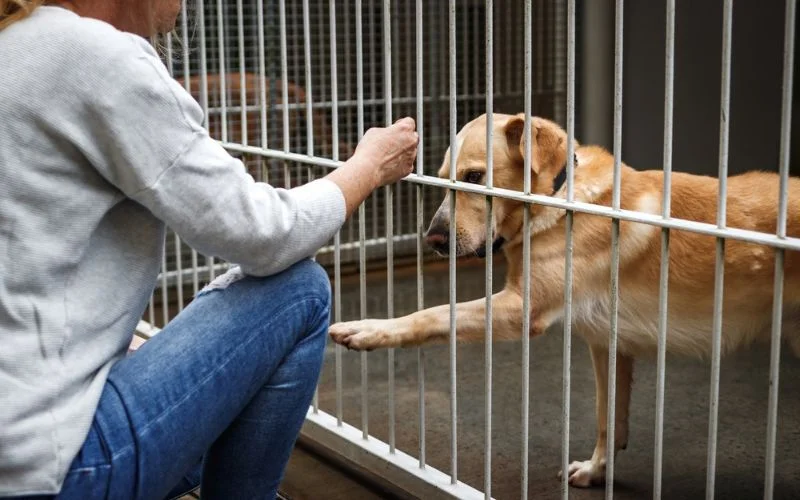
Caring for a rescue dog requires patience, understanding, and a commitment to providing the best possible care. When you bring a rescue dog into your home, give them a second chance at a happy life. Here are some essential tips to help you provide the best care for your new furry friend.
Firstly, creating a safe and comfortable environment for your rescue dog is important. Set up a designated space for them with a cozy bed, food and water bowls, and plenty of toys. This will help them feel secure and give them a sense of belonging.
Next, establish a routine for feeding, exercise, and bathroom breaks. Consistency is key when it comes to training a rescue dog. Stick to a regular schedule to help them adjust to their new surroundings and build trust with you.
Socialization is another crucial aspect of caring for a rescue dog. Gradually introduce them to new people, animals, and environments, ensuring their safety. This will help them become more comfortable and confident in different situations.
Additionally, provide mental stimulation for your rescue dog through interactive toys and training exercises. This will keep their minds engaged and prevent boredom or destructive behavior.
Regular veterinary care is essential for the health and well-being of your rescue dog. Schedule regular check-ups, vaccinations, and dental cleanings to ensure they stay happy and healthy.
Lastly, shower your rescue dog with love and affection. Many rescue dogs have had difficult pasts, so patience and understanding are vital. Show them kindness and build a strong bond through positive reinforcement training and gentle handling.
By following these tips, you can provide the best care for your rescue dog and give them the loving home they deserve. Remember, each dog is unique, so be patient and adapt your approach to their needs.
Conclusion
Adopting a rescue dog is a wonderful and rewarding experience. Throughout this post, we have covered various topics related to “Adopting a Rescue Dog: What to Know” to help you make an informed decision and provide the best care for your new furry friend.
Before adopting a rescue dog, it is important to consider factors such as your lifestyle, financial commitment, and the time and effort required to care for a dog.
Preparing your home for a rescue dog is crucial, ensuring a safe and comfortable environment for them to settle in. The adoption process may vary, but it is essential to be patient and understanding, as these dogs may have experienced trauma.
Helping a rescue dog adjust to their new home requires patience, consistency, and positive reinforcement.
It is common for rescue dogs to exhibit behavioral issues due to their past experiences, but with proper training and socialization, these issues can be overcome. Training a rescue dog requires time, consistency, and positive reinforcement techniques.
Bonding with your rescue dog is essential for building a strong and trusting relationship. Spending quality time together, engaging in activities, and providing love and affection will help strengthen your bond.
Additionally, providing the best care for your rescue dog includes regular veterinary check-ups, a balanced diet, exercise, and mental stimulation.
It is important to stay informed and adapt to these changes to ensure the best possible care for your furry companion.
Thank you for taking the time to read this post. We hope the information provided has been helpful in your journey to adopt a rescue dog.
We encourage you to leave any comments or feedback and share your own experiences with adopting a rescue dog. Together, we can make a difference in the lives of these amazing animals.