

Preventing Separation Anxiety in Dogs: A Comprehensive Guide
Preventing Separation Anxiety in Dogs is a common issue that can cause immense stress for pets and their owners. It’s a heart-wrenching sight of your beloved furry friend whimpering, pacing, and exhibiting signs of distress as you prepare to leave the house.
But fear not! With the right knowledge and proactive measures, you can help prevent separation anxiety in your canine companion, ensuring a happier and more relaxed home environment.
One effective approach is to establish a consistent routine. Dogs thrive on predictability, so creating a schedule that includes regular exercise, feeding times, and play sessions can give them a sense of security.
Additionally, gradually increasing the time spent apart can help your dog build confidence and independence.
Another crucial aspect of preventing separation anxiety is ensuring your dog feels safe and comfortable in their surroundings.
Creating a designated space, such as a cozy crate or a designated room, can give them a sense of security when you’re not around. Fill this space with familiar toys, blankets, and items that carry your scent to provide reassurance.
Rewarding your dog for calm behavior when you leave and return home can help them associate your departures with positive experiences. Additionally, gradually desensitizing your dog to pre-departure cues, such as picking up your keys or putting on your coat, can help reduce anxiety triggers.
Taking these proactive steps can help your dog feel more secure and content when left alone. In the upcoming articles, we will delve deeper into these strategies, exploring additional tips and techniques to prevent separation anxiety in dogs.
So, stay tuned for more insights and expert advice on creating a harmonious and stress-free environment for your canine companion.
How to Prevent Separation Anxiety in Dogs
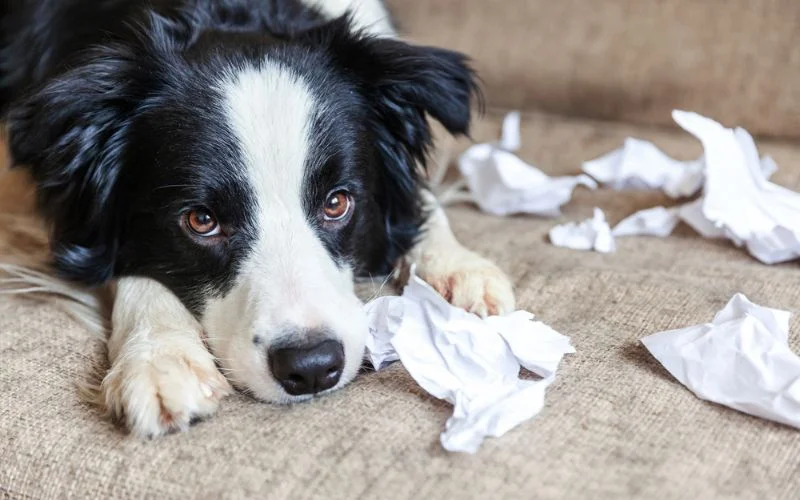
Separation anxiety is a common issue that many dogs experience when their owners leave them alone. It can lead to destructive behavior, excessive barking, and even physical ailments. Fortunately, there are several strategies you can implement to prevent separation anxiety in your furry friend.
Firstly, it’s important to gradually accustom your dog to being alone. Start by leaving them for short periods and progressively increasing the duration. This will help them become more comfortable with your absence and reduce anxiety. Additionally, providing them with a safe and comfy space, such as a crate or a designated area, can help them feel secure when you’re not around.
Another effective method is to establish a consistent routine. Dogs thrive on predictability, so having a set schedule for feeding, exercise, and playtime can give them stability. This can help alleviate their anxiety and make them feel more at ease when you’re not home.
Additionally, engaging your dog in mental and physical stimulation can help prevent separation anxiety. Interactive toys, puzzle feeders, and regular exercise can keep them occupied and mentally stimulated, reducing stress. Consider enrolling them in obedience classes or engaging in activities challenging their mind and body.
Furthermore, avoiding making a big fuss when leaving or returning home is important. Keep your departures and arrivals low-key to avoid triggering your dog’s anxiety. By downplaying these moments, you can help normalize the idea of being alone and reduce their stress.
In conclusion, preventing separation anxiety in dogs requires patience, consistency, and a structured routine. By gradually acclimating your dog to being alone, providing them with a safe space, establishing a consistent way, and engaging them in mental and physical stimulation, you can help alleviate their anxiety and ensure they feel secure when you’re not around.
Signs of Separation Anxiety in Dogs

Separation anxiety is common among dogs, causing distress for the pet and its owner. Recognizing the signs of separation anxiety is crucial to address the problem effectively. By understanding these signs, dog owners can take appropriate measures to prevent and manage separation anxiety in their furry friends.
One of the most common signs of separation anxiety is excessive barking or howling when the owner is absent. Dogs with separation anxiety often become vocal in expressing their distress and calling for their owner’s attention. This behavior can be particularly bothersome for neighbors and may lead to complaints.
Another sign to look out for is destructive behavior. When left alone, dogs with separation anxiety may chew on furniture, shoes, or other household items. This bad behavior is often a result of stress and can be a costly problem for dog owners.
In addition, dogs with separation anxiety may exhibit bathroom accidents inside the house, even if well-trained. This is because the stress they experience when left alone can cause them to lose control of their bladder or bowels.
Physical symptoms such as excessive drooling, pacing, and restlessness can also indicate separation anxiety. These behaviors manifest the dog’s anxiety and can be distressing for the pet and the owner.
It is important to note that these signs may also indicate other issues, so it is essential to consult with a veterinarian to rule out any underlying medical conditions.
Recognizing the signs of separation anxiety is the first step toward helping your dog. By identifying these behaviors, you can take proactive measures to prevent separation anxiety and provide your furry friend with the support they need. Stay tuned for more tips on preventing separation anxiety in dogs.
Causes of Separation Anxiety in Dogs

Separation anxiety in dogs can be distressing for the pet and their owners. Understanding the causes of this behavior can help prevent and manage it effectively.
One of the primary causes of separation anxiety in dogs is a lack of socialization during their early development stages. Puppies not exposed to different environments, people, and other animals may struggle to cope when left alone. This lack of socialization can lead to feelings of fear and anxiety when separated from their owners.
Another common cause of separation anxiety is a traumatic event or experience. Dogs that have been abandoned, neglected, or have experienced a significant change in their environment, such as moving to a new home, may develop anxiety when left alone. These dogs may associate being alone with negative experiences and fear of being abandoned again.
Changes in routine or the absence of a primary caregiver can also trigger separation anxiety in dogs. Dogs are creatures of habit and thrive on consistency. They may become anxious and distressed when their routine is disrupted or their primary caregiver is absent for extended periods.
Additionally, some breeds are more prone to separation anxiety than others. Species such as Labrador Retrievers, German Shepherds, and Border Collies are known to be more susceptible to developing separation anxiety. These breeds are highly intelligent and require a lot of mental and physical stimulation. When left alone without adequate mental and physical exercise, they may become anxious and exhibit destructive behaviors.
In conclusion, understanding the causes of separation anxiety in dogs is crucial in preventing and managing this behavior. By addressing the underlying causes, providing proper socialization, and maintaining a consistent routine, owners can help their dogs feel more secure and reduce their anxiety when left alone.
Tips for Crate Training to Prevent Separation Anxiety
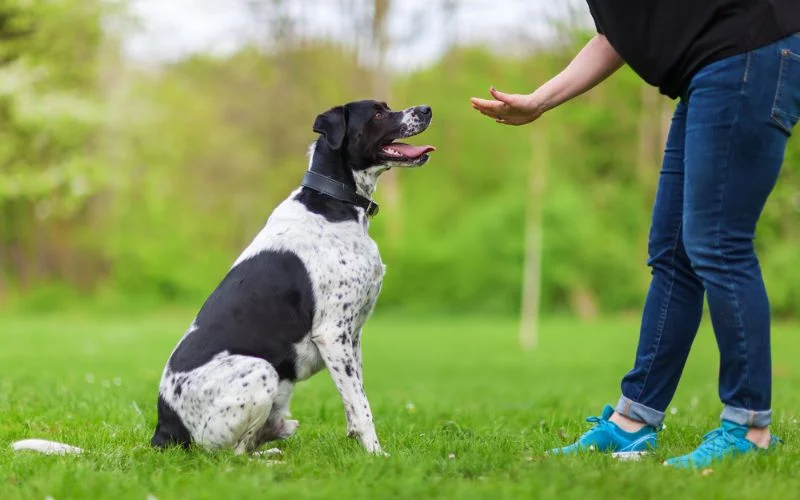
Crate training can be an effective method to prevent separation anxiety in dogs. It provides them with a safe and secure space, mimicking a den-like environment, which can help alleviate their stress when left alone. Here are some tips to help you successfully crate-train your dog and prevent separation anxiety.
Start Slowly: Introduce the crate gradually to your dog. Begin by opening the crate door and placing their favorite toys or treats inside. Allow them to explore the box at their own pace, without any pressure.
Make It a Positive Experience: Associate the crate with positive experiences by feeding your dog their meals inside the box. This will create a positive association and make them more comfortable in the box.
Use Positive Reinforcement: Give your dog praise and treats whenever they enter the crate voluntarily. This will reinforce the idea that the box is a safe and rewarding place for them.
Keep It Comfortable: Make sure the crate is comfortable by adding a soft blanket or bedding. This will provide them with a cozy space to relax and feel secure.
Gradually Increase Alone Time: Once your dog is comfortable being in the crate, leave them alone for short periods. Begin with just a few minutes and gradually increase the duration. This will help them get used to being alone without experiencing anxiety.
Avoid Punishment: Never use the crate as a punishment. This will only create negative associations and make your dog fearful of the crate.
Remember, crate training takes time and patience. Each dog is unique, so it’s important to tailor the training to their needs. By following these tips and being consistent, you can help prevent separation anxiety in your dog and provide them with a safe and comfortable space when you’re not around.
Importance of Exercise in Preventing Separation Anxiety
Exercise plays a crucial role in preventing separation anxiety in dogs. It helps keep them physically fit and provides mental stimulation, essential for their overall well-being. Regular exercise can help alleviate stress and anxiety, making it an effective tool for preventing separation anxiety.
One of the main reasons why exercise is important in preventing separation anxiety is that it helps dogs burn off excess energy.
Dogs are naturally active animals, and they can become restless and anxious when they don’t get enough exercise. By engaging in physical activities such as walking, running, or playing fetch, dogs can release pent-up energy, which can help them relax and stay calm when left alone.
Exercise also promotes the production of endorphins, which are natural mood enhancers. When dogs engage in physical activities, their bodies release these feel-good hormones, which can help reduce anxiety and promote well-being.
This can be particularly beneficial for dogs prone to separation anxiety, as it can help them feel more relaxed and content when their owners are away.
Furthermore, exercise provides mental stimulation for dogs. Activities such as puzzle toys, obedience training, and interactive games can keep their minds engaged and prevent boredom.
Boredom can contribute to separation anxiety, as dogs may become anxious and destructive when left alone with nothing to do. Providing mental stimulation through exercise makes dogs less likely to develop separation anxiety.
In conclusion, exercise is paramount in preventing separation anxiety in dogs. By incorporating regular physical activities and mental stimulation into their routine, dog owners can help their furry friends stay calm, relaxed, and content when left alone.
So, make sure to prioritize exercise for your dog’s overall well-being and to prevent separation anxiety.
Using Desensitization Techniques to Prevent Separation Anxiety
Desensitization involves gradually exposing your dog to situations that trigger anxiety in a controlled and safe manner. The goal is to help them become more comfortable and confident when left alone. Here are some steps to follow when using desensitization techniques:
Start with short periods of separation: Begin by leaving your dog alone for just a few minutes and gradually increase the duration over time. This will help them get used to being alone without becoming anxious.
Create a safe space: Designate a specific area where your dog feels secure in your home. This could be a crate, a cozy corner, or a room with their favorite toys and bedding. Ensure this space is associated with positive experiences, such as treats or rewards.
Practice departure cues: Dogs often associate certain lines with their owners leaving, such as grabbing keys or putting on shoes. To desensitize them, perform these cues without actually leaving. This will help your dog realize that these cues do not always lead to separation.
Use positive reinforcement: Reward your dog for calm behavior when you leave and return. This will reinforce their positive association with being alone and help reduce anxiety.
Gradually increase distance: Once your dog is comfortable alone in one room, gradually increase the distance between you. This could mean closing doors or using baby gates to create separation within your home.
Remember, desensitization takes time and patience. It is important to go at your dog’s pace and not rush the process. By consistently practicing these techniques, you can help prevent separation anxiety in your furry friend and ensure they feel safe and secure when you are away.
The Role of Positive Reinforcement in Preventing Separation Anxiety
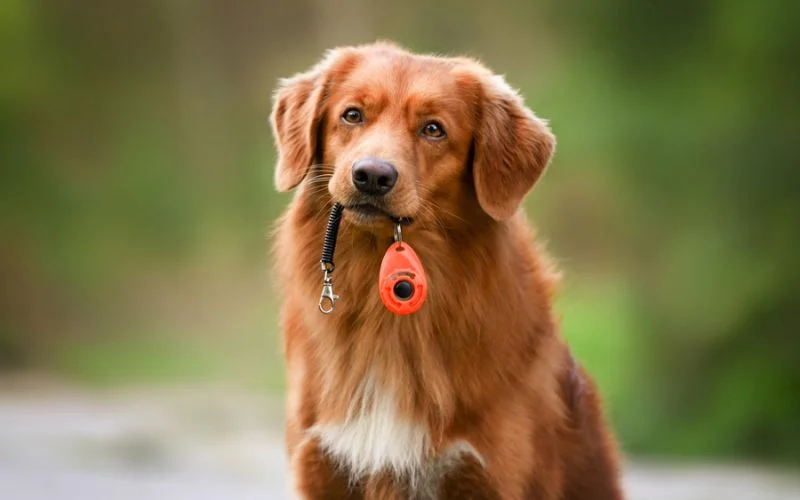
Separation anxiety is a common issue that many dog owners face. It can be distressing for the dog and the owner, leading to destructive behavior, excessive barking, and even self-harm. However, there are ways to prevent separation anxiety in dogs, and one effective method is using positive reinforcement.
Positive reinforcement involves rewarding desired behaviors, such as calmness and independence, with treats, praise, or affection. This helps to create positive associations with being alone and can help dogs feel more secure when their owners are not around.
One way to use positive reinforcement is by gradually increasing your dog’s time alone. Start with short periods of separation and reward your dog for remaining calm. Over time, gradually increase the break duration, always rewarding your dog for good behavior. This helps to build their confidence and reduce anxiety.
Another technique is to create a positive environment for your dog when you are away. Leave them with interactive toys or puzzles that provide mental stimulation and distract them from your absence. You can also leave an item of clothing with your scent on it, providing comfort and reassurance.
Consistency is key when using positive reinforcement. Ensure to reward your dog every time they exhibit the desired behavior, and avoid punishing or scolding them for showing signs of anxiety. This will only reinforce their fear and make the problem worse.
In conclusion, positive reinforcement is crucial in preventing separation anxiety in dogs. Using rewards and creating a positive environment can help your dog feel more comfortable and secure when alone. Remember to be consistent and patient, as it may take time for your dog to overcome their anxiety.
Seeking Professional Help for Dogs with Separation Anxiety
Separation anxiety in dogs can be a distressing condition that affects both the dog and its owners. It can lead to destructive behavior, excessive barking, and physical symptoms such as vomiting or diarrhea.
While there are several strategies that pet owners can try to alleviate separation anxiety in their dogs, sometimes it becomes necessary to seek professional help.
One option is to consult with a professional dog trainer or behaviorist. These experts have extensive knowledge and experience in dealing with separation anxiety and can provide guidance tailored to your specific situation.
They can assess your dog’s behavior, identify triggers, and develop a personalized training plan to help it overcome anxiety.
Another professional to consider is a veterinary behaviorist. These specialists are veterinarians who have undergone additional training in animal behavior.
They can conduct a thorough evaluation of your dog’s physical and mental health to rule out any underlying medical conditions that may be contributing to their anxiety. They can also prescribe medication if necessary and provide ongoing support and guidance.
In some cases, a combination of training and medication may be the most effective approach. A professional can help determine the right balance and dosage of drugs, as well as monitor your dog’s progress and make any necessary adjustments.
When seeking professional help, it’s important to choose someone who uses positive reinforcement methods and has experience working with separation anxiety in dogs. They should be patient, understanding, and able to provide ongoing support as you navigate this challenging journey.
Remember, seeking professional help is not a sign of failure but a proactive step towards helping your dog live a happier, more balanced life. With the right support and guidance, you can help your furry friend overcome their separation anxiety and strengthen the bond between you.
Conclusion
Preventing separation anxiety in dogs is crucial for their overall well-being and happiness. Throughout this post, we have discussed various key points related to this topic.
Firstly, we explored how to prevent separation anxiety in dogs. We learned that establishing a consistent routine, gradually increasing alone time, and providing mental stimulation can help alleviate stress when left alone.
Next, we delved into the signs of separation anxiety in dogs. Understanding these signs, such as excessive barking, destructive behavior, and house soiling, can help us identify the issue early on and take appropriate measures to address it.
We also discussed the causes of separation anxiety in dogs. Factors such as changes in routine, traumatic experiences, and lack of socialization can contribute to this condition. By addressing these underlying causes, we can help prevent separation anxiety from developing.
Furthermore, we explored tips for crate training to prevent separation anxiety. We used positive reinforcement, and making the crate a comfortable and safe space can help dogs feel secure when left alone.
We also emphasized the importance of exercise in preventing separation anxiety. Regular physical activity helps dogs release pent-up energy and reduces anxiety levels.
Additionally, we discussed the use of desensitization techniques to prevent separation anxiety. Gradually exposing dogs to short periods of alone time and rewarding calm behavior can help them become more comfortable with being alone.
Moreover, we highlighted the role of positive reinforcement in preventing separation anxiety. Rewarding desired behavior, such as staying calm when left alone, can reinforce positive associations and reduce stress.
Thank you for reading this post. We hope you found it informative and valuable. We encourage you to leave any comments or feedback you may have.