

Safe and Enriching Environment for Dogs: Wag-Worthy Living
Dogs are not just pets; they are beloved members of our families. As dog owners, we are responsible for providing them with a safe and enriching environment for dogs that promotes their overall well-being. Creating such an environment goes beyond providing food, shelter, and basic care.
It involves understanding their needs, addressing their instincts, and ensuring their physical and mental stimulation.
This article will explore various aspects of creating a safe and enriching environment for dogs, from designing their living spaces to providing them with opportunities for socialization and mental stimulation.
Designing a dog-friendly living space is crucial for their safety and comfort. From choosing the right type of flooring to creating designated play areas, every aspect of the environment should be carefully considered.
Additionally, providing them with appropriate bedding, toys, and access to fresh water and shade is essential for their physical well-being.
Socialization is another key aspect of creating a safe and enriching dog environment. Dogs are social animals, and they thrive when they have opportunities to interact with other dogs and humans.
Regular outings to dog parks, playdates with other friendly dogs, and obedience training classes can all contribute to their social development.
Mental stimulation is equally important for dogs. Boredom can lead to destructive behavior and anxiety. Providing them with interactive toys, puzzle feeders, and engaging activities such as scent work or agility training can help keep their minds sharp and prevent behavioral issues.
How to Create a Safe and Enriching Environment for Dogs

Creating a safe and enriching environment for your dog is crucial for their well-being and happiness. The conditions ensure your furry friend feels secure, stimulated, and loved. Here are some essential tips to help you create the perfect environment for your canine companion.
First and foremost, it’s important to make your home a safe space for your dog. Remove potential hazards, such as toxic plants, chemicals, or small objects that could be swallowed. Install baby gates or use crates to restrict access to certain areas, especially when you’re not around to supervise.
In addition to safety, dogs also need mental and physical stimulation to thrive. Provide plenty of toys and puzzles that challenge their minds and keep them entertained. Interactive toys like treat-dispensing or puzzles can help keep your dog occupied and mentally stimulated.
Regular exercise is another crucial aspect of creating a healthy environment for your dog. Take your furry friend for daily walks or play fetch in the backyard. Engaging in physical activities helps keep your dog fit and provides an outlet for their energy.
Creating a routine is also beneficial for dogs. Dogs thrive on predictability, so establish a consistent schedule for feeding, exercise, and sleep. This will help them feel secure and reduce anxiety.
Lastly, don’t forget to shower your dog with love and affection. Spend quality time with them, cuddle, and play. Dogs are social animals and need human interaction to feel happy and fulfilled.
In conclusion, creating a safe and enriching environment for your dog is essential for their well-being. Following these tips ensures your furry friend feels secure, stimulated, and loved. Remember, a happy dog is a healthy dog!
What are the Benefits of Crate Training?
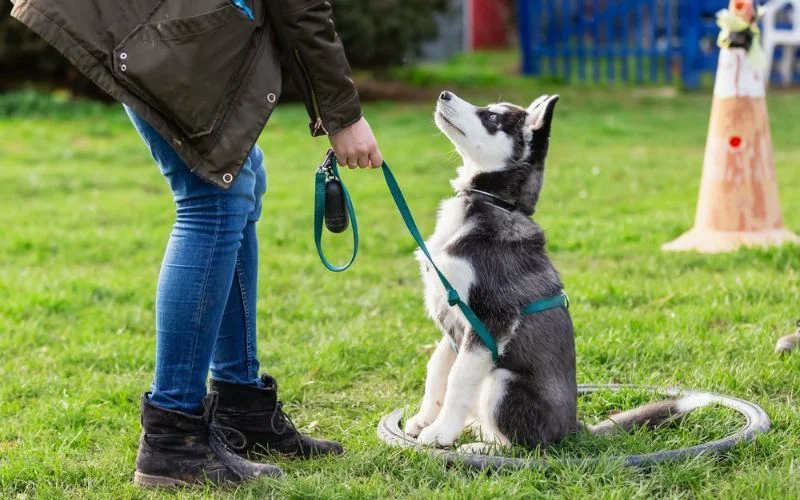
Crate training is a popular method of dog training that has numerous benefits for both dogs and their owners. It involves using a crate or kennel as a safe and comfortable space for the dog to rest and relax.
While some people may view crate training as cruel or restrictive, it can provide many advantages for dogs when done properly.
One of the main benefits of crate training is that it helps with house training. Dogs naturally have a denning instinct, and a crate mimics this instinct by providing them with a small, enclosed space.
This can help prevent house accidents, as dogs are less likely to eliminate in their sleeping area. Crate training also teaches dogs to hold their bladder and bowels for longer periods, especially when they need to be left alone for extended periods.
Crate training can also be beneficial for dogs with separation anxiety. Being in a crate can provide security and comfort for these dogs, creating a safe and familiar environment. It can help to reduce stress and prevent destructive behaviors such as chewing or excessive barking.
In addition, crate training can be useful for managing a dog’s behavior. It can be used to prevent unwanted behaviors such as jumping on guests or stealing food from the counter. Providing a designated space for the dog helps establish boundaries and teaches them self-control.
Overall, crate training offers a range of benefits for dogs and their owners. It can aid house training, reduce separation anxiety, and help manage behavior.
However, it’s important to note that crate training should always be done positively and humanely, ensuring that the dog’s needs for exercise, mental stimulation, and social interaction are also met.
How to Choose the Right Dog Bed

When creating a safe and enriching environment for dogs, one of the most important considerations is choosing the right dog bed. Dogs need a comfortable and supportive place to rest and sleep like humans. But with so many options available, how do you know which dog bed is right for your furry friend?
First and foremost, you need to consider the size of your dog. A small dog will need a cozy and snug bed, while a larger one will require a mattress that provides ample space for stretching out. Measure your dog from nose to tail and choose a mattress at least a few inches longer to ensure a comfortable fit.
Next, think about your dog’s sleeping habits. Does your dog like to curl up in a ball or sprawl out? If your dog prefers to curl up, a round or oval-shaped bed with raised sides will provide security. On the other hand, if your dog likes to stretch out, a rectangular bed with plenty of room to move around will be more suitable.
Consider the material of the dog bed as well. Look for a mattress that is made of durable and easy-to-clean fabric. Dogs can be messy, so a machine-washable bed or removable cover will make your life much easier.
Additionally, choose a bed with a non-slip bottom to prevent it from sliding around on smooth surfaces.
By considering your dog’s size, sleeping habits, material preferences, and health needs, you can choose the right dog bed to provide a safe and comfortable space for your furry friend to relax and recharge. Remember, a well-rested dog is a happy dog!
What Are Toys Safe for Dogs to Play with?
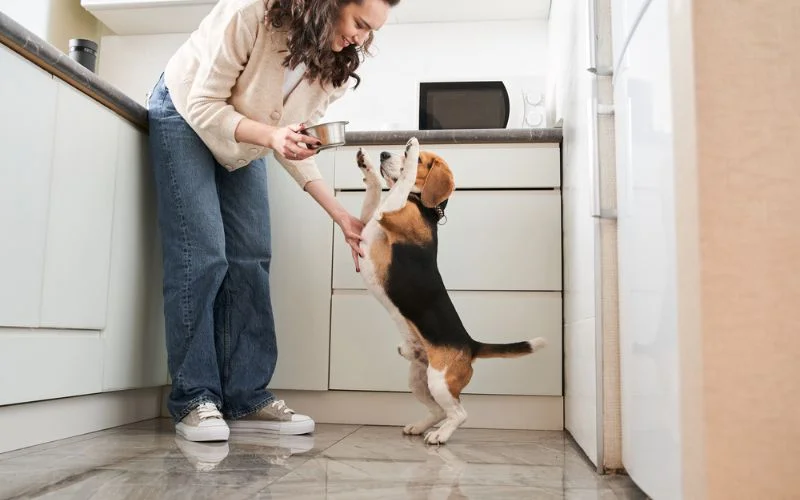
Appropriate playtime toys are important to create a safe and enriching dog environment. But with so many options available, how do you know which toys are safe for your furry friend? This article will explore the different types of safe toys for dogs to play with.
One of the safest types of dog toys is those made of durable materials such as rubber or nylon. These toys are designed to withstand dogs’ strong jaws and teeth, reducing the risk of them breaking apart and becoming a choking hazard. Look for toys labeled as “indestructible” or “heavy-duty” to ensure their durability.
Another important factor to consider is the size of the toy. It should be large enough that your dog cannot swallow it but small enough for them to carry and play with comfortably. Avoid toys with small parts or detachable pieces that could be easily ingested.
Interactive toys are also a great option for keeping your dog mentally stimulated. These toys often require the dog to solve a puzzle or work to retrieve a treat, providing both physical and mental exercise. Puzzle toys can help prevent boredom and destructive behavior in dogs.
When choosing toys for your dog, it is important to consider their preferences and play styles. Some dogs prefer soft plush toys, while others enjoy toys that squeak or make noise. Observe your dog’s playtime behavior to determine what toys they want the most.
In conclusion, providing safe and appropriate toys for your dog is essential for creating a safe and enriching environment.
Remember to choose toys made of durable materials, avoid small parts, and consider your dog’s preferences. By selecting the right toys, you can ensure that your dog has a fun and engaging playtime while staying safe.
How to Create a Dog-Friendly Backyard
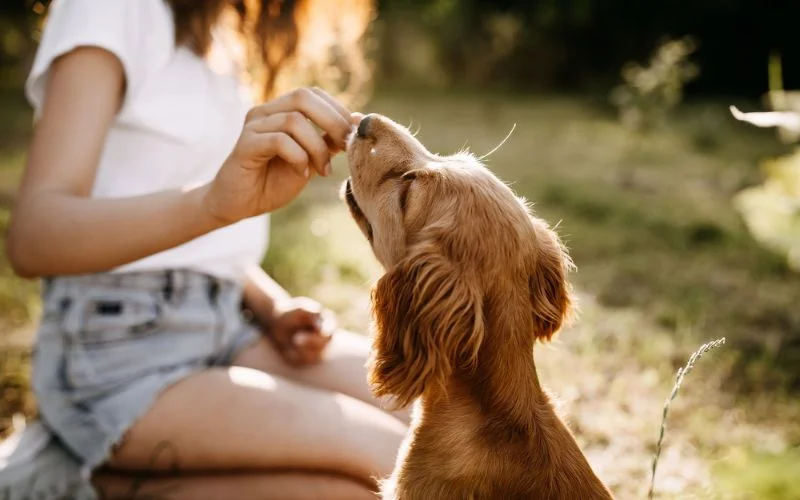
Creating a safe and enriching environment for dogs is essential for their well-being. One crucial aspect of this is designing a dog-friendly backyard. Following a few simple steps, you can transform your outdoor space into a haven for your furry friend.
First and foremost, ensure that your backyard is securely fenced. This will prevent your dog from wandering off and encountering potential dangers. Choose a tall fence to avoid jumping and sturdy sufficient to withstand your dog’s enthusiasm.
Next, consider the landscaping of your backyard. Dogs love to explore and sniff around, so creating a space stimulating their senses is important.
Incorporate different textures and scents by planting dog-friendly plants such as lavender, rosemary, and chamomile. Avoid toxic plants like lilies, azaleas, and daffodils, as they can harm dogs if ingested.
Provide plenty of shade and shelter in your backyard. Dogs can easily overheat, especially during the summer months. Install a doghouse or provide a covered area where your dog can seek refuge from the sun and rain. Additionally, ensure fresh water is always available to keep your dog hydrated.
Lastly, ensure that your backyard is free from any potential hazards. Remove any toxic chemicals or pesticides that could harm your dog.
Keep garbage bins securely closed to prevent your dog from rummaging through them. Regularly inspect your backyard for sharp objects or loose wires that could cause injury.
Following these guidelines, you can create a dog-friendly backyard that provides your beloved pet with a safe and enriching environment. Remember, a happy and healthy dog starts with a well-designed outdoor space.
What are the Best Ways to Socialize a Dog?
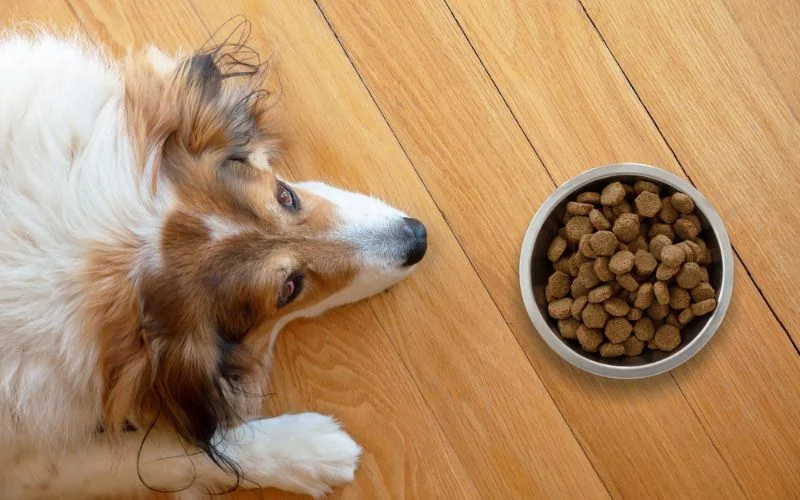
Socializing a dog is crucial for its overall well-being and development. It helps them build confidence, learn proper behavior, and develop positive relationships with other dogs and humans. If you are a dog owner looking to socialize with your furry friend, here are some of the best ways to do it.
Puppy classes: Enrolling your dog in puppy classes is an excellent way to introduce them to other dogs and people in a controlled environment. These classes often include structured playtime and obedience training, allowing your dog to learn and socialize simultaneously.
Dog parks: Regular visits can expose your dog to various breeds and personalities. It allows them to interact with other dogs off-leash and learn appropriate social cues. Always ensure your dog is up to date on vaccinations before visiting a dog park.
Playdates: Arrange playdates with friends or family members with well-socialized dogs. This one-on-one interaction can help your dog build confidence and learn how to interact politely with other dogs.
Walks in busy areas: Taking your dog for walks exposes them to sights, sounds, and smells. It helps desensitize them to new stimuli and teaches them to remain calm and focused even in potentially overwhelming situations.
Training classes: Enrolling your dog in obedience or agility classes helps them learn essential commands and provides socialization opportunities. These classes often involve group activities and interactions, allowing your dog to socialize in a structured setting.
Remember, socialization should be a positive experience for your dog. Always monitor their interactions and intervene if necessary. Giving your dog ample socialization opportunities sets them up for a happy and well-adjusted life.
How to Prevent Separation Anxiety in Dogs

Separation anxiety can be a distressing condition for both dogs and their owners. It often leads to destructive behavior, excessive barking, and even physical illness in dogs.
As responsible pet owners, we must create a safe and enriching environment for our furry friends. This article will explore some effective strategies to prevent separation anxiety in dogs.
One of the key ways to prevent separation anxiety is gradual desensitization. Start by leaving your dog alone for short periods and gradually increase the duration as they become more comfortable. This helps them understand that being alone is not a cause for panic.
Another important aspect is providing mental stimulation. Dogs are intelligent creatures that thrive on mental challenges.
Leave them with interactive toys, puzzle feeders, or treat-dispensing toys to keep their minds occupied while you’re away. This distracts them from your absence and provides a sense of fulfillment.
Creating a designated safe space for your dog can also help alleviate separation anxiety. This can be a crate, a specific room, or a comfortable bed. Ensure this space is associated with positive experiences, such as treats or toys, so your dog feels safe and secure in their little haven.
Lastly, consider seeking professional help if your dog’s separation anxiety persists. A veterinarian or a certified dog behaviorist can provide guidance and support tailored to your dog’s needs.
By implementing these strategies, you can create a safe and enriching environment for your dog, minimizing the risk of separation anxiety.
Remember, prevention is always better than cure, and a happy and content dog will bring joy to your life for years.
What are the Essential Safety Measures for Dog Owners?

When creating a safe and enriching environment for our furry friends, there are several essential safety measures that every dog owner should be aware of. These measures ensure our dogs’ well-being and promote harmonious coexistence between pets and their owners.
First and foremost, providing a secure and fenced area for your dog to roam freely is crucial. This prevents them from wandering off and potentially getting lost or injured. Additionally, regularly inspect the fence for any gaps or damage that could compromise its effectiveness.
Another important safety measure is to keep toxic substances out of your dog’s reach. This includes household cleaners, chemicals, and certain plants that can be harmful if ingested. Storing these items in locked cabinets or high shelves can prevent accidental poisoning.
Proper identification is also key in ensuring the safety of your dog. Ensure they wear a collar with an updated ID tag with your contact information. Microchipping is another effective method to ensure your dog can be identified and returned to you if they get lost.
Regular veterinary check-ups and vaccinations are essential for maintaining your dog’s health and preventing the spread of diseases.
Keeping up with these appointments will help detect potential health issues early on and ensure your dog is up to date on necessary vaccinations.
Lastly, providing mental and physical stimulation is crucial for a dog’s well-being. This can be achieved through regular exercise, interactive toys, and socialization with other dogs and humans. A stimulated dog is less likely to engage in destructive behaviors and is generally happier and healthier.
By implementing these essential safety measures, dog owners can create a safe and enriching environment for their pets. Remember, a happy and healthy dog and a true family member are a joy to be around.
Conclusion
Creating a safe and enriching environment for dogs is crucial for their well-being and happiness. Throughout this post, we have covered various topics related to this important keyword.
We started by discussing creating a safe and enriching environment for dogs. This included tips on providing comfortable living space, setting up a consistent routine, and ensuring physical and mental stimulation.
Next, we explored the benefits of crate training. From providing a secure dog space to reducing anxiety and aiding in-house training, crate training can provide a safe and enriching environment for dogs and furry friends.
Choosing the right dog bed was another important aspect we touched upon. We discussed the importance of considering the dog’s size, age, and specific needs when selecting a bed that promotes comfort and support.
Creating a dog-friendly backyard was also discussed, emphasizing the need for a secure fence, shade, and access to fresh water. We also highlighted the importance of providing opportunities for exercise and exploration.
Socialization is vital for dogs, and we provided the best ways to socialize them, including controlled introductions, positive reinforcement, and exposure to various environments, people, and other animals.
Separation anxiety can be challenging for many dogs, and we offered valuable tips on preventing it. Building a routine, gradually increasing alone time, and providing engaging activities can help alleviate this issue.
Lastly, we covered essential safety measures for dog owners, such as keeping toxic substances out of reach, regular vet check-ups, and ensuring proper identification.
Thank you for reading this post. We hope you found it informative and useful. We encourage you to leave any comments or feedback, as your input is valuable. Let’s continue to prioritize the well-being of our beloved dogs and create environments where they can thrive.