

Can Dogs Get Trichinosis: Understanding the Risks
Can Dogs Get Trichinosis: Trichinosis is a parasitic infection affecting humans and animals. While it is commonly associated with pork consumption, dogs are also at risk of contracting this disease. As a responsible pet owner, it is essential to understand the risks of trichinosis in dogs and how to prevent it.
Trichinosis is caused by a parasite called Trichinella spiralis, which can be found in raw or undercooked meat. When a dog consumes infected meat, the parasite can enter their digestive system and travel to their muscles, where it can cause inflammation and pain. Symptoms of trichinosis in dogs can include vomiting, diarrhea, fever, and muscle pain.
While trichinosis is relatively rare in dogs, it is still a significant concern for pet owners. The best way to prevent trichinosis in dogs is to ensure that they do not consume raw or undercooked meat. This includes pork, as well as wild game, which can also be a source of infection.
If you suspect that your dog may have trichinosis, it is essential to seek veterinary care immediately. Treatment typically involves medication to kill the parasite and manage symptoms. With prompt treatment, most dogs will make a full recovery from trichinosis.
In conclusion, trichinosis is a serious disease that can affect dogs as well as humans. By understanding the risks and taking steps to prevent infection, you can help keep your furry friend healthy and happy. Stay tuned for our upcoming articles, where we will delve deeper into the topic of trichinosis in dogs and provide more information on prevention and treatment.
Trichinosis is a parasitic disease caused by the roundworm Trichinella spiralis. This disease is common in dogs and can be transmitted to humans through the consumption of infected meat.
Symptoms of trichinosis in dogs include vomiting, diarrhea, fever, muscle pain, and weakness. In severe cases, the disease can lead to death. It is important to seek veterinary care immediately if your dog shows any symptoms of trichinosis.
The best way to prevent trichinosis in dogs is to avoid feeding them raw or undercooked meat. Cook all meat thoroughly before feeding it to your dog. Additionally, it is important to practice good hygiene when handling raw meat to prevent transmission of the parasite.
If your dog is diagnosed with trichinosis, your veterinarian will prescribe medication to treat the infection. Treatment may include antiparasitic drugs and supportive care such as fluids and pain management.
It is important to note that trichinosis can be transmitted from dogs to humans through the consumption of infected meat. Therefore, it is important to handle and cook meat properly to prevent infection.
In conclusion, trichinosis is a serious disease that can affect both dogs and humans. It is important to take precautions to prevent infection, including avoiding raw or undercooked meat and practicing good hygiene when handling meat. If your dog shows any symptoms of trichinosis, seek veterinary care immediately.
Symptoms
Trichinosis in dogs is a serious condition caused by the ingestion of raw or undercooked meat containing the Trichinella spiralis parasite. The symptoms of trichinosis in dogs can vary depending on the severity of the infection.
One of the most common symptoms of trichinosis in dogs is muscle pain and stiffness. This can be caused by the presence of the parasite in the muscles, which can cause inflammation and pain. Dogs may also experience weakness and difficulty moving, particularly in the hind legs.
Other symptoms of trichinosis in dogs may include vomiting, diarrhea, and loss of appetite. These symptoms can be caused by the presence of the parasite in the digestive system, which can cause inflammation and irritation.
In severe cases of trichinosis in dogs, the parasite can also affect the respiratory system, causing coughing, wheezing, and difficulty breathing. This can be a life-threatening complication and requires immediate veterinary attention.
It is important to note that some dogs may not show any symptoms of trichinosis, particularly if the infection is mild. However, even asymptomatic dogs can still transmit the parasite to humans, so it is important to take precautions when handling raw meat or feeding your dog raw food.
If you suspect that your dog may have trichinosis, it is important to seek veterinary attention immediately. Treatment typically involves a combination of medication and supportive care, and early intervention can greatly improve the chances of a successful outcome.
Transmission
Trichinosis is a parasitic disease that can affect dogs and humans alike. The disease is caused by the roundworm Trichinella spiralis, which can be found in undercooked meat, particularly pork. Dogs can contract trichinosis by consuming infected meat or by eating rodents that are infected with the parasite.
Once inside the dog’s digestive system, the larvae of the Trichinella spiralis worm will mature and reproduce. The female worm will release thousands of larvae, which will then migrate to the dog’s muscles, where they will form cysts. These cysts can cause inflammation and pain, and in severe cases, can lead to death.
Dogs that are infected with trichinosis may not show any symptoms, or they may exhibit signs such as vomiting, diarrhea, lethargy, and muscle pain. In some cases, the infection can be severe enough to cause respiratory distress, heart failure, and even death.
Preventing trichinosis in dogs is relatively simple. Owners should ensure that their dogs do not consume undercooked meat or eat rodents that may be infected with the parasite. Additionally, it is important to practice good hygiene when handling raw meat, as the parasite can be transmitted to humans as well.
If a dog is suspected of having trichinosis, the veterinarian will typically perform a blood test to confirm the diagnosis. Treatment may involve medication to kill the parasite and manage symptoms such as pain and inflammation.
In conclusion, trichinosis is a serious disease that can affect dogs and humans alike. By practicing good hygiene and ensuring that dogs do not consume infected meat or rodents, owners can help prevent the spread of the parasite and protect their pets from this potentially deadly disease.
Diagnosis

Trichinosis in dogs is a parasitic disease caused by the ingestion of raw or undercooked meat infected with the Trichinella spiralis larvae. Early diagnosis is crucial to prevent the spread of the disease and to provide prompt treatment to the affected dog.
The symptoms of trichinosis in dogs are often non-specific and can be easily confused with other illnesses. These symptoms include vomiting, diarrhea, fever, lethargy, muscle pain, and weakness. In some cases, the infected dog may also experience difficulty breathing, coughing, and swollen lymph nodes.
To diagnose trichinosis in dogs, a veterinarian will typically perform a physical examination and obtain a thorough medical history. Blood tests may also be conducted to detect the presence of antibodies to the Trichinella spiralis parasite. In some cases, a muscle biopsy may be necessary to confirm the diagnosis.
It is important to note that early detection of trichinosis in dogs is essential for effective treatment. If left untreated, the disease can lead to severe complications such as heart and respiratory failure.
Prevention is the key to avoiding trichinosis in dogs. Pet owners should avoid feeding their dogs raw or undercooked meat and should ensure that all meat is cooked to a safe temperature. It is also important to practice good hygiene and to wash hands thoroughly after handling raw meat.
In conclusion, trichinosis in dogs can be a serious and potentially life-threatening disease. Early diagnosis and treatment are crucial for a positive outcome. Pet owners should take steps to prevent the disease and seek veterinary care immediately if their dog shows any symptoms of trichinosis.
Treatment
When it comes to treating trichinosis in dogs, the first step is to confirm the diagnosis through a blood test or muscle biopsy. Once confirmed, the treatment typically involves a course of medication, such as mebendazole or albendazole, which are both effective in killing the parasite responsible for the infection.
In addition to medication, supportive care may be necessary to manage symptoms and aid in recovery. This can include providing a nutritious diet, administering fluids to prevent dehydration, and monitoring the dog’s condition closely.
It’s important to note that early diagnosis and treatment are key in ensuring a successful recovery from trichinosis. If left untreated, the infection can lead to serious complications such as organ damage or even death.
Prevention is also crucial in avoiding trichinosis in dogs. This can be achieved by properly cooking all meat before feeding it to your dog, avoiding feeding them raw or undercooked meat, and ensuring that any meat products you give them come from a reputable source.
In conclusion, trichinosis in dogs can be a serious and potentially life-threatening condition, but with prompt diagnosis and treatment, most dogs are able to make a full recovery. By taking steps to prevent the infection in the first place, you can help keep your furry friend healthy and happy.
Prevention
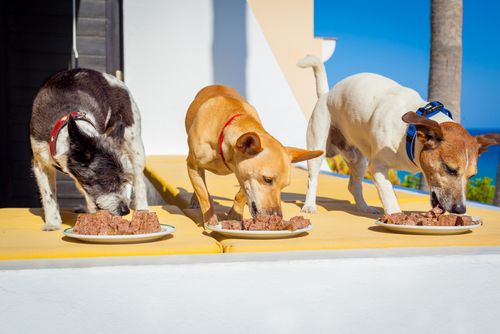
Trichinosis in dogs is a serious disease that can be prevented with proper care and attention. One of the most important steps in preventing trichinosis is to ensure that your dog’s food is properly cooked. Raw or undercooked meat can contain the parasite that causes trichinosis, so it’s important to always cook your dog’s food to a safe temperature.
Another important step in preventing trichinosis is to avoid feeding your dog raw or undercooked pork. Pork is a common source of the trichinosis parasite, so it’s best to stick to other protein sources like chicken or beef. If you do choose to feed your dog pork, make sure it’s been cooked to a safe temperature.
Regular veterinary check-ups are also important in preventing trichinosis. Your vet can perform tests to check for the presence of the parasite and can provide you with advice on how to keep your dog healthy and parasite-free.
In addition to these steps, it’s important to keep your dog’s living area clean and free of any potential sources of contamination. This includes regularly cleaning your dog’s bedding, toys, and food and water bowls.
By taking these steps, you can help to prevent trichinosis in your dog and keep them healthy and happy. Remember to always follow safe food handling practices and to seek veterinary care if you suspect that your dog may have been exposed to the parasite.
Risk factors
Trichinosis is a parasitic infection that can affect dogs. Although it is rare, it can be a serious health concern for both dogs and their owners. Understanding the risk factors associated with trichinosis in dogs can help pet owners take precautions to prevent their dogs from becoming infected.
One of the most common risk factors for trichinosis in dogs is consuming raw or undercooked meat. Dogs that are fed a raw food diet or are given table scraps that contain raw or undercooked meat are at a higher risk of contracting the parasite. It is important to cook all meat thoroughly before feeding it to your dog.
Another risk factor is exposure to infected wildlife. Dogs that hunt or scavenge may come into contact with infected animals such as rodents, bears, or wild boars. It is important to keep your dog on a leash and supervise them when they are outside to prevent them from coming into contact with potentially infected animals.
Traveling to areas where trichinosis is more common can also increase the risk of infection. Dogs that travel to countries where trichinosis is prevalent or live in areas with a high population of infected wildlife are at a higher risk of contracting the parasite.
Other risk factors include poor hygiene practices, such as not washing your hands after handling raw meat or allowing your dog to come into contact with contaminated soil or feces.
In conclusion, understanding the risk factors associated with trichinosis in dogs can help pet owners take the necessary precautions to prevent their dogs from becoming infected. By cooking meat thoroughly, supervising your dog when they are outside, practicing good hygiene, and avoiding areas where trichinosis is prevalent, you can help keep your dog healthy and safe.
Prognosis
When it comes to trichinosis in dogs, the prognosis can vary depending on the severity of the infection and how quickly it is diagnosed and treated. In mild cases, the dog may only experience mild symptoms such as diarrhea and vomiting, and with prompt treatment, they can recover fully within a few days.
However, in more severe cases, trichinosis can cause serious health complications in dogs. If left untreated, the infection can spread throughout the body and affect the dog’s heart, lungs, and other vital organs. This can lead to respiratory failure, heart failure, and even death.
It’s important to note that trichinosis can also be transmitted to humans, so it’s crucial to take precautions when handling raw or undercooked meat. If you suspect that your dog may have trichinosis, it’s important to seek veterinary care right away. Your vet will be able to perform a physical exam, run diagnostic tests, and develop a treatment plan based on the severity of the infection.
In addition to medical treatment, it’s also important to provide your dog with a nutritious diet and plenty of rest to help boost their immune system and aid in their recovery. With proper care and treatment, most dogs with trichinosis are able to make a full recovery and go on to lead happy, healthy lives.
In conclusion, trichinosis can be a serious health concern for dogs, but with prompt diagnosis and treatment, the prognosis is generally good. By taking steps to prevent the spread of this infection and providing your dog with the care they need, you can help ensure their health and well-being for years to come.
In conclusion, trichinosis is a serious disease that can affect dogs and humans alike. It is caused by a parasite called Trichinella and can be transmitted through the consumption of infected meat. The symptoms of trichinosis in dogs can range from mild to severe and can include vomiting, diarrhea, and muscle pain.
Diagnosis of trichinosis can be difficult, but it is important to seek veterinary care if you suspect your dog may be infected. Treatment typically involves medication to kill the parasite and manage symptoms.
Prevention is key in avoiding trichinosis in dogs. This includes thoroughly cooking meat before feeding it to your dog and avoiding feeding them raw or undercooked meat. Risk factors for trichinosis in dogs include hunting and feeding them raw meat.
The prognosis for dogs with trichinosis can vary depending on the severity of the infection and how quickly it is diagnosed and treated.
It is important to stay informed about trichinosis and take steps to prevent it in your dog. This includes being aware of the risks and avoiding feeding them raw meat.
In the future, there may be new developments and trends in the prevention and treatment of trichinosis in dogs. It is important to stay up to date on these developments to ensure the health and wellbeing of your furry friend.
Thank you for reading this post and we encourage you to leave any comments or feedback. Remember to always prioritize the health and safety of your pets.