

Can I Give My Dog Beef Jerky? Exploring the Risks and Benefits
One question that often arises is whether it’s okay to give dogs beef jerky as a treat. Beef jerky is a popular snack among humans and can be tempting to share with our four-legged companions. However, before you do, it’s essential to understand the potential risks and benefits of feeding your dog this type of treat.
While beef jerky can be a high-protein snack for dogs, it can also contain preservatives and additives that may be harmful to their health. Additionally, some beef jerky products may be high in sodium, which can lead to dehydration and other health issues.
On the other hand, beef jerky can provide a delicious and nutritious snack for dogs when consumed in moderation. It can be a great source of protein and other essential nutrients, such as iron and zinc.
In this article, we’ll explore the risks and benefits of giving your dog beef jerky, as well as alternative treat options. We’ll also discuss how to choose the best beef jerky products for your dog, and what to look for on the label.
So, can you give your dog beef jerky? Let’s find out.
Can I Give My Dog Beef Jerky?
As a dog owner, you may be wondering if it’s safe to give your furry friend beef jerky as a treat. While beef jerky may seem like a tasty and convenient snack, it’s important to consider the potential risks before sharing it with your pup.
One of the main concerns with beef jerky is its high salt content. Dogs have a lower tolerance for salt than humans, and consuming too much can lead to dehydration, kidney problems, and even death in severe cases. Additionally, many brands of beef jerky contain artificial preservatives and additives that can be harmful to dogs.
Another issue to consider is the texture of beef jerky. It’s a tough, chewy treat that can be difficult for dogs to break down and digest properly. This can lead to gastrointestinal issues such as vomiting, diarrhea, and constipation.
If you do decide to give your dog beef jerky, it’s important to choose a high-quality, all-natural brand that’s specifically made for dogs. Look for products that are low in salt and free from additives like MSG, nitrates, and artificial flavors. You should also avoid giving your dog large pieces of jerky and always supervise them while they’re eating to prevent choking.
In conclusion, while beef jerky may be a tempting treat for your dog, it’s important to consider the potential risks before sharing it with them. If you do choose to give your dog beef jerky, make sure to choose a high-quality brand and feed it in moderation to avoid any negative health effects.
Ingredients to Avoid
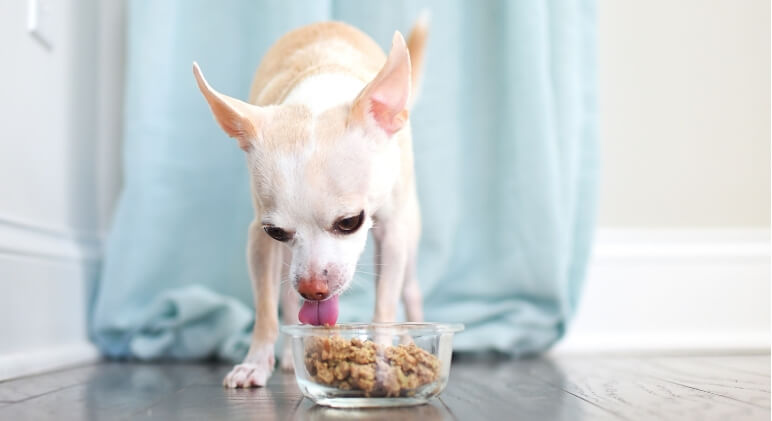
When it comes to giving your dog beef jerky, there are certain ingredients that you should avoid. While beef jerky can be a tasty treat for your furry friend, it’s important to make sure that the ingredients are safe for them to consume. Here are some ingredients to watch out for:
1. Garlic and Onion – These ingredients are toxic to dogs and can cause damage to their red blood cells. If your beef jerky contains garlic or onion powder, it’s best to avoid giving it to your dog.
2. Salt – While a little bit of salt is okay for dogs, too much can lead to dehydration and other health problems. Make sure to check the sodium content of your beef jerky before giving it to your dog.
3. Preservatives – Many beef jerky products contain preservatives like nitrates and nitrites, which can be harmful to dogs. Look for all-natural beef jerky without any added preservatives.
4. Spices – Some spices, like paprika and cayenne pepper, can cause stomach upset in dogs. If your beef jerky contains these spices, it’s best to avoid giving it to your dog.
5. Sweeteners – Some beef jerky products contain sweeteners like corn syrup or sugar, which can be harmful to dogs. Look for beef jerky without any added sweeteners.
When giving your dog beef jerky, it’s important to read the ingredients carefully and avoid any that could be harmful. Stick to all-natural beef jerky without any added preservatives or sweeteners, and avoid garlic, onion, salt, and certain spices. By being careful about the ingredients you give your dog, you can ensure that they stay healthy and happy.
Potential Health Risks
If you’re a dog owner, you may be wondering whether or not it’s safe to give your furry friend beef jerky as a treat. While beef jerky may seem like a tasty and convenient snack for dogs, it’s important to be aware of the potential health risks associated with this type of treat.
One of the main concerns with beef jerky is its high salt content. Dogs who consume too much salt can experience a range of health issues, including dehydration, vomiting, diarrhea, and even seizures. Additionally, many commercially available beef jerky treats contain preservatives and additives that can be harmful to dogs, such as sodium nitrite and monosodium glutamate (MSG).
Another potential risk of feeding your dog beef jerky is the risk of choking or gastrointestinal blockages. Beef jerky can be tough and difficult to chew, especially for smaller dogs or those with dental issues. If your dog swallows a large piece of beef jerky without chewing it properly, it can become lodged in their throat or digestive tract, potentially causing serious health problems.
Finally, it’s worth noting that some dogs may be allergic to beef or other ingredients commonly found in beef jerky, such as soy or wheat. If your dog experiences any adverse reactions after consuming beef jerky, such as itching, swelling, or difficulty breathing, it’s important to seek veterinary care immediately.
In conclusion, while beef jerky may seem like a tempting treat for your dog, it’s important to be aware of the potential health risks associated with this type of snack. If you do choose to give your dog beef jerky, be sure to do so in moderation and opt for high-quality, all-natural treats that are free from preservatives and additives. And as always, if you have any concerns about your dog’s health or diet, be sure to consult with your veterinarian.
Alternative Treats
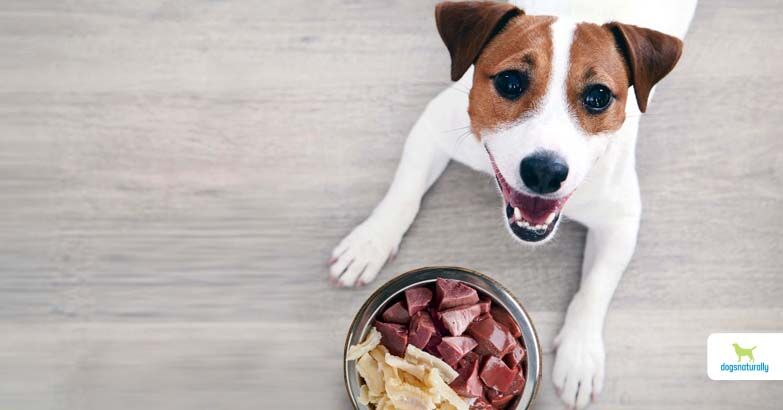
When it comes to treating your furry friend, it’s important to choose the right snacks that are not only tasty but also healthy. While beef jerky may seem like a tempting option, it’s not always the best choice for your dog. Here are some alternative treats that you can give your dog instead.
1. Carrots – Carrots are a great low-calorie snack that is high in fiber and vitamins. They also help to clean your dog’s teeth and freshen their breath.
2. Apples – Apples are another healthy snack that is loaded with antioxidants and fiber. However, make sure to remove the core and seeds as they can be harmful to your dog.
3. Peanut butter – Most dogs love peanut butter, and it’s a great source of protein and healthy fats. Just make sure to choose a brand that doesn’t contain xylitol, which is toxic to dogs.
4. Cheese – Cheese is a tasty treat that is high in protein and calcium. However, it’s important to give it in moderation as it can be high in fat.
5. Sweet potatoes – Sweet potatoes are a great source of vitamins and fiber. You can either bake them or dehydrate them to make a chewy snack.
While beef jerky may seem like a convenient and tasty option, it’s important to remember that it can be high in sodium and preservatives. Instead, opt for these alternative treats that are not only healthier but also safer for your furry friend.
How Much is Safe?
Many dog owners wonder whether beef jerky is a safe treat for their furry friends. While beef jerky can be a tasty snack for dogs, it’s important to keep in mind that not all types of beef jerky are safe for dogs to consume.
One of the main concerns with beef jerky is the high sodium content. Dogs require a much lower sodium intake than humans, and consuming too much sodium can lead to health problems such as dehydration, kidney damage, and high blood pressure. Therefore, it’s important to choose beef jerky that is low in sodium or to limit the amount of beef jerky your dog consumes.
Another concern with beef jerky is the potential for it to contain harmful additives such as preservatives and artificial flavors. These additives can cause digestive upset and other health problems in dogs. To ensure that the beef jerky you give your dog is safe, look for brands that use natural ingredients and avoid those that contain additives.
In addition to choosing the right type of beef jerky, it’s important to monitor how much your dog is consuming. While a small amount of beef jerky as a treat is unlikely to cause harm, feeding your dog too much can lead to health problems. It’s best to limit your dog’s beef jerky intake to occasional treats rather than making it a regular part of their diet.
In conclusion, beef jerky can be a safe and tasty treat for dogs when given in moderation and with care. By choosing low-sodium, natural brands and monitoring your dog’s intake, you can ensure that they can enjoy this snack without any negative health effects.
Symptoms of Jerky Toxicity
If you’re a dog owner, you may have wondered whether it’s okay to give your furry friend some beef jerky as a treat. While it may seem harmless, jerky can actually be toxic to dogs, and it’s important to be aware of the symptoms of jerky toxicity in case your dog accidentally ingests some.
The first symptom of jerky toxicity is vomiting. If your dog has eaten jerky and starts vomiting, it’s important to take them to the vet right away. Other symptoms include diarrhea, lethargy, loss of appetite, and increased thirst and urination. In severe cases, dogs may also experience kidney failure, which can be life-threatening.
It’s important to note that not all types of jerky are created equal. Some brands of jerky may contain harmful chemicals or preservatives that can be toxic to dogs. Additionally, some dogs may be more sensitive to jerky than others, and even a small amount can cause a reaction.
If you suspect that your dog has ingested jerky and is experiencing symptoms of toxicity, it’s important to seek veterinary care immediately. The vet may recommend treatment such as IV fluids, medication to manage symptoms, and in severe cases, hospitalization.
In conclusion, while jerky may seem like a tasty treat for your dog, it’s important to be aware of the potential risks associated with it. By knowing the symptoms of jerky toxicity and seeking veterinary care if necessary, you can help keep your furry friend safe and healthy.
What to Do if My Dog Eats Jerky?

If you’re a dog owner, you may have found yourself wondering whether or not you can give your furry friend some beef jerky. While beef jerky is a tasty snack for humans, it may not be the best option for your dog. In fact, it can be quite dangerous for them to consume.
If your dog has eaten beef jerky, there are a few things you should do. First, monitor their behavior closely. If they start to vomit or have diarrhea, it’s important to contact your veterinarian right away. These symptoms can be a sign of a more serious condition, such as pancreatitis or gastrointestinal obstruction.
In addition to monitoring your dog’s behavior, you should also check the ingredients in the beef jerky they consumed. Some brands may contain harmful additives or preservatives that can be toxic to dogs. If you’re unsure about the ingredients, it’s best to err on the side of caution and contact your veterinarian.
It’s also important to note that beef jerky can be a choking hazard for dogs. If your dog has swallowed a large piece of jerky, it’s important to seek veterinary care immediately. Your veterinarian may need to perform an emergency procedure to remove the obstruction and prevent further complications.
In conclusion, while beef jerky may be a tasty snack for humans, it’s not the best option for dogs. If your dog has consumed beef jerky, it’s important to monitor their behavior closely, check the ingredients, and seek veterinary care if necessary. By taking these steps, you can help ensure your furry friend stays happy and healthy.
Preventive Measures
As a responsible dog owner, you want to ensure that your furry friend stays healthy and happy. One way to do this is by being cautious about the food you give them. Beef jerky is a popular snack for humans, but can dogs eat it too? The answer is not straightforward. While some types of beef jerky may be safe for dogs, others can be harmful. Here are some preventive measures you can take when considering giving your dog beef jerky.
First and foremost, check the ingredients list. Some beef jerky products contain high levels of salt, preservatives, and other additives that can be harmful to dogs. These can cause dehydration, kidney problems, and other health issues. Look for beef jerky that is low in sodium and does not contain any harmful ingredients.
Another important factor to consider is the quality of the beef. Poor quality beef can contain harmful bacteria such as E. coli and Salmonella, which can make your dog sick. Look for beef jerky that is made from high-quality, human-grade beef.
It is also important to consider the size of the beef jerky pieces. Large pieces can be difficult for dogs to chew and swallow, which can lead to choking or digestive problems. Cut the beef jerky into small, bite-sized pieces to make it easier for your dog to consume.
Finally, always monitor your dog after giving them beef jerky. Watch for any signs of discomfort, such as vomiting or diarrhea. If your dog shows any negative reactions, stop giving them beef jerky immediately and consult with your veterinarian.
In conclusion, while beef jerky can be a tasty treat for your dog, it is important to take preventive measures to ensure their safety and health. Always check the ingredients list, quality of beef, size of the pieces, and monitor your dog’s reaction. By taking these steps, you can enjoy giving your furry friend a delicious snack without any worries.
In conclusion, the topic of “Can I Give My Dog Beef Jerky?” is a crucial one for any dog owner to be aware of. While beef jerky may seem like a tasty treat for your furry friend, it’s important to take note of the potential health risks and ingredients to avoid. Alternative treats are available, and it’s essential to understand how much is safe for your dog to consume. Symptoms of jerky toxicity should also be monitored closely, and immediate action should be taken if your dog eats jerky and shows any signs of illness.
Preventive measures, such as carefully reading labels and avoiding foreign-made jerky, can help reduce the risk of jerky-related illnesses. It’s important to be proactive in protecting your dog’s health and well-being.
As for future developments or trends, it’s possible that more research will be conducted on the effects of jerky on dogs, and new regulations may be put in place to ensure the safety of pet treats.
Thank you for taking the time to read this post. We hope that you found the information helpful and informative. If you have any questions or comments, please feel free to leave them below. Remember to always prioritize your dog’s health and safety when it comes to their diet and treats.
