

The Truth About Pet Food, How To Make The Right Choice
First and foremost, it’s essential to understand that not all pet food is created equal, so here is the Truth About Pet Food. While some may claim to provide complete and balanced nutrition, the reality is that many are filled with fillers, by-products, and artificial additives.
As a result, it’s crucial to educate ourselves on what to look for when choosing pet food. From understanding the ingredients list to knowing how to read and interpret labels, there are several factors to consider.
Moreover, it’s essential to recognize that each pet’s nutritional needs may vary based on factors such as breed, age, and activity level. Therefore, it’s crucial to consult with a veterinarian to determine the best diet for your pet.
In this article, we will explore the truth about pet food, including the different types of pet food available, the ingredients to avoid, and how to choose the best option for your pet. By the end of this article, you will have a better understanding of what goes into your pet’s food and how to make informed decisions when it comes to their nutrition.
Is Pet Food Safe?
Pet food safety is a topic of concern for many pet owners. With so many options available in the market, it’s natural to wonder if the food we’re giving our pets is safe. The truth about pet food is that not all of it is created equal, and it’s important to be aware of what goes into it.
One of the biggest concerns with pet food is the use of by-products. By-products are the leftover parts of animals that are not used for human consumption, such as organs, bones, and beaks. While some by-products can be nutritious, others may contain harmful substances, such as antibiotics and hormones. It’s important to read the label and choose pet food that uses high-quality ingredients.
Another issue with pet food is the use of artificial preservatives and additives. These substances are added to prolong the shelf life of the food and enhance its flavor and texture. However, some of these additives have been linked to health problems in pets, such as allergies, digestive issues, and even cancer. It’s important to choose pet food that uses natural preservatives, such as vitamin E and C.
Pet food safety also depends on how the food is prepared and stored. Contamination can occur during the manufacturing process, and improper storage can lead to the growth of harmful bacteria. It’s important to choose pet food that is made by reputable manufacturers and stored in a cool, dry place.
In conclusion, pet food safety is a complex issue that requires careful consideration. By choosing high-quality pet food that uses natural ingredients and avoiding harmful additives, we can ensure that our pets stay healthy and happy.
Ingredients
When it comes to choosing the right pet food for your furry friend, it’s important to pay attention to the ingredients listed on the label. Many pet food brands use fillers and by-products that can be harmful to your pet’s health.
One common ingredient found in pet food is corn. While it may seem harmless, corn is actually a cheap filler that provides little nutritional value. It can also be difficult for pets to digest, leading to digestive issues and allergies.
Another ingredient to watch out for is meat by-products. These are the leftover parts of animals that are not fit for human consumption, such as beaks, feet, and intestines. While they may provide some protein, they are often low-quality and can be contaminated with harmful bacteria.
Artificial preservatives are also a concern in pet food. BHA, BHT, and ethoxyquin are commonly used to extend the shelf life of pet food, but they have been linked to cancer and other health issues in pets.
When choosing pet food, look for brands that use high-quality, whole ingredients. This includes real meat, vegetables, and grains. Avoid brands that use fillers, by-products, and artificial preservatives.
It’s also important to consider your pet’s individual needs when choosing a food. Some pets may require a specific diet due to health issues or allergies. Consult with your veterinarian to determine the best food for your pet.
By paying attention to the ingredients in your pet’s food, you can ensure that they are getting the nutrition they need to live a happy and healthy life.
Manufacturing Process
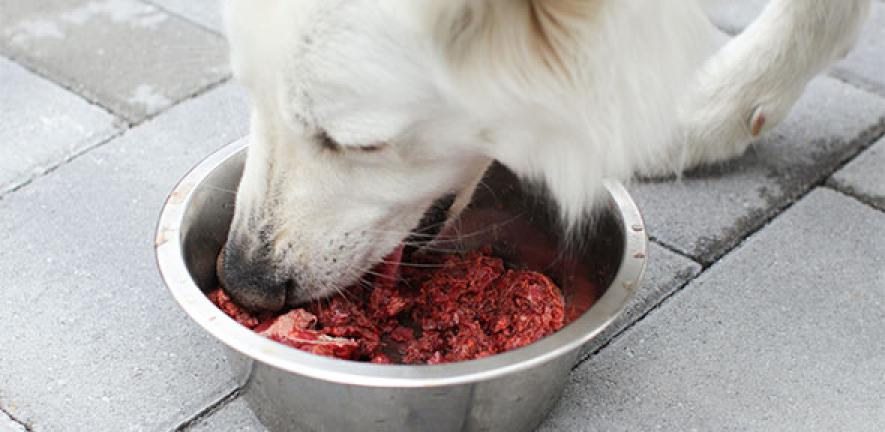
When it comes to pet food, the manufacturing process is a critical factor that affects the quality of the final product. The process involves several steps, including ingredient sourcing, preparation, cooking, and packaging.
Firstly, the ingredients used in pet food are sourced from various suppliers. These ingredients can be of different quality, and it’s up to the manufacturer to ensure they choose the best ones. Some manufacturers source their ingredients from local farms, while others import them from other countries. It’s essential to ensure that the ingredients used are of high quality and safe for pets.
Next, the ingredients are prepared for cooking. This involves grinding, mixing, and blending them to ensure they are evenly distributed. The preparation process can affect the final texture and taste of the pet food.
After preparation, the ingredients are cooked at high temperatures to kill any bacteria and ensure they are safe for consumption. The cooking process can also affect the nutritional value of the food, and it’s important to ensure that the food retains its nutritional value after cooking.
Finally, the pet food is packaged and distributed to retailers. The packaging process is critical as it ensures the food remains fresh and safe for consumption. The packaging material should be of high quality and free from any harmful chemicals.
In conclusion, the manufacturing process is a critical factor that affects the quality of pet food. It’s important to ensure that the ingredients used are of high quality, the preparation process is done correctly, and the cooking process retains the food’s nutritional value. The packaging process should also be done correctly to ensure the food remains fresh and safe for consumption.
Nutritional Value
Pet owners are often concerned about the nutritional value of the food they give to their furry friends. It is important to understand that not all pet foods are created equal, and some may not provide the necessary nutrients for optimal health.
One crucial factor to consider is the quality of the ingredients used in the pet food. High-quality ingredients, such as whole meats and vegetables, provide essential vitamins and minerals that are necessary for a balanced diet. On the other hand, low-quality ingredients, such as by-products and fillers, may not provide the same level of nutritional value.
Another important consideration is the balance of nutrients in the pet food. Dogs and cats require different levels of protein, fat, and carbohydrates in their diets, depending on their age, breed, and activity level. A well-balanced pet food should provide the appropriate levels of these nutrients to support overall health and wellness.
It is also important to note that some pet foods may contain additives or preservatives that can be harmful to pets. These additives may include artificial colors, flavors, and preservatives, which can cause allergic reactions or other health problems in some pets.
To ensure that your pet is getting the best possible nutrition, it is important to choose a high-quality pet food that is specifically formulated for their age, breed, and activity level. Reading the ingredient list and nutritional information on the packaging can help you make an informed decision about which pet food is best for your furry friend.
In conclusion, the nutritional value of pet food is a crucial factor in maintaining the health and wellness of our beloved pets. By choosing high-quality, well-balanced pet food and avoiding harmful additives, we can help ensure that our pets live long, healthy lives.
Grain-Free

When it comes to pet food, many owners are opting for grain-free options. But is grain-free really the best choice for your furry friend? Let’s take a closer look at the truth about grain-free pet food.
Firstly, it’s important to understand that grains are not inherently bad for pets. In fact, many grains can provide important nutrients such as fiber and protein. However, some pets may have allergies or sensitivities to certain grains, which can lead to digestive issues and other health problems. This is where grain-free options come in.
Grain-free pet food typically replaces grains with other sources of carbohydrates, such as potatoes or peas. While this can be beneficial for pets with grain sensitivities, it’s important to note that not all grain-free options are created equal. Some may contain high levels of carbohydrates or lack important nutrients, leading to imbalances in your pet’s diet.
Additionally, it’s worth considering the potential risks associated with grain-free diets. In recent years, there have been concerns about a potential link between grain-free pet food and a heart condition called dilated cardiomyopathy (DCM). While the exact cause of this link is still being studied, some experts believe that certain ingredients commonly found in grain-free diets may be to blame.
Overall, it’s important to carefully consider your pet’s individual needs when choosing their diet. While grain-free options can be beneficial for some pets, they may not be the best choice for others. Always consult with your veterinarian to determine the best diet for your furry friend.
In conclusion, while grain-free pet food may be a popular choice, it’s important to approach it with caution and careful consideration. By staying informed and working closely with your veterinarian, you can ensure that your pet’s diet is providing them with the nutrients they need to thrive.
Raw Food
Raw food diets for pets have become increasingly popular in recent years. Proponents of this diet claim that it provides a more natural and healthier option for pets, while opponents argue that it poses a risk of bacterial contamination and lacks essential nutrients.
Those in favor of raw food diets argue that it mimics the diet of wild animals and provides a more natural source of nutrition. They claim that it can lead to improved digestion, healthier skin and coat, and a stronger immune system. However, there is limited scientific evidence to support these claims.
On the other hand, opponents of raw food diets argue that it poses a risk of bacterial contamination, including Salmonella and E. coli. These bacteria can cause serious illness in both pets and humans. Additionally, raw food diets may lack essential nutrients that are necessary for a balanced diet.
It is important to note that the FDA and CDC do not recommend raw food diets for pets. They recommend feeding pets a balanced diet that has been cooked to a safe temperature to reduce the risk of bacterial contamination.
Ultimately, the decision to feed a raw food diet to your pet is a personal one. It is important to consult with a veterinarian before making any changes to your pet’s diet. They can help you determine if a raw food diet is appropriate for your pet and provide guidance on how to safely prepare and handle raw food.
In conclusion, while raw food diets may have some potential benefits, they also pose risks and may lack essential nutrients. It is important to carefully consider the potential risks and benefits before making any changes to your pet’s diet.
Preservatives
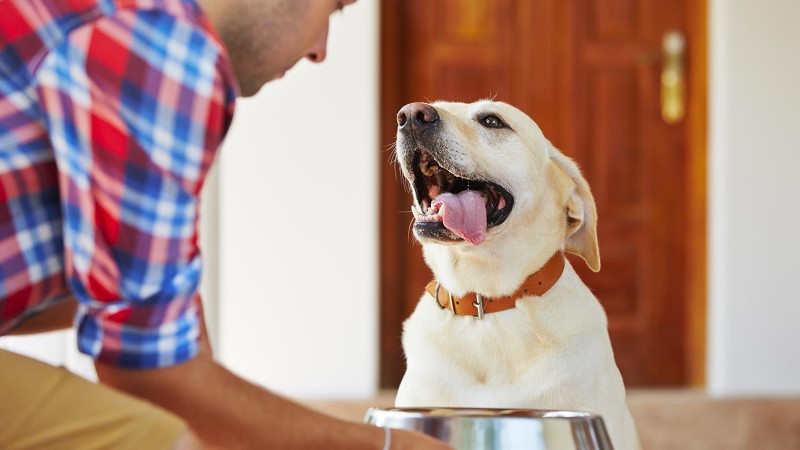
When it comes to pet food, preservatives play a crucial role in ensuring the food stays fresh and safe for consumption. However, there has been much debate over the safety of certain preservatives used in pet food.
One commonly used preservative is BHA (butylated hydroxyanisole), which has been linked to cancer in some studies. Another preservative, BHT (butylated hydroxytoluene), has also been linked to health concerns. While the FDA has deemed these preservatives safe for use in pet food, many pet owners are understandably concerned about the potential risks.
Fortunately, there are alternative preservatives that can be used in pet food. Vitamin E, for example, is a natural preservative that is safe for pets to consume. Other natural preservatives include rosemary extract, citric acid, and mixed tocopherols.
When choosing a pet food, it’s important to read the label and look for preservatives that are safe and natural. Avoid foods that contain BHA, BHT, or other potentially harmful preservatives.
It’s also important to remember that preservatives are not the only factor to consider when choosing a pet food. The quality of the ingredients, the nutritional value, and the manufacturing process all play a role in the safety and quality of the food.
In conclusion, while preservatives are necessary in pet food, it’s important to choose safe and natural options. By doing so, you can ensure that your pet is getting the best possible nutrition without any unnecessary health risks.
Recalls
Pet food recalls are a serious concern for pet owners. They can happen for a variety of reasons, including contamination, mislabeling, and even the discovery of harmful ingredients. The impact of a recall can be devastating, both financially and emotionally.
One of the most important things pet owners can do to protect their pets is to stay informed about the latest recalls. This means keeping an eye on news sources, social media, and other channels that report on pet food safety. It’s also important to check the labels of the food you buy, and to be aware of any potential risks associated with certain ingredients.
If you do find out that your pet’s food has been recalled, it’s important to take action right away. This may mean returning the food to the store where you purchased it, or contacting the manufacturer for a refund or replacement. In some cases, it may be necessary to take your pet to the vet for a checkup, especially if they have already consumed the recalled food.
Ultimately, the best way to avoid pet food recalls is to be proactive about your pet’s health. This means choosing high-quality, nutritious food that is free from harmful ingredients. It also means staying up-to-date on the latest news and information about pet food safety, and taking action when necessary to protect your furry friend.
In conclusion, pet food recalls are a serious issue that can have a significant impact on pet owners. By staying informed and taking action when necessary, pet owners can help protect their pets from harm and ensure they receive the best possible nutrition.
In conclusion, it is important to be aware of the truth about pet food. Is pet food safe? The answer is yes, but it is important to pay attention to the ingredients and manufacturing process. Nutritional value is also a key factor to consider when choosing pet food. Grain-free and raw food options may be beneficial for some pets, but it is important to consult with a veterinarian first. Preservatives are often used in pet food, but natural options are available. Recalls do happen, but being aware of the brand and staying up to date on any news can help prevent any issues.
It is crucial to prioritize the health and well-being of our furry friends, and choosing the right pet food is a big part of that. When selecting pet food, it is important to read labels and research the brand. Pay attention to the ingredients and manufacturing process, and consider consulting with a veterinarian for personalized recommendations.
As for future developments and trends, it is likely that the demand for natural and organic pet food options will continue to grow. It is also important to stay informed about any new research or studies related to pet nutrition.
Thank you for taking the time to read this post. We hope that it has provided valuable insights and actionable tips for choosing the right pet food for your furry friend. Please feel free to leave any comments or feedback.