

NAC for Dogs: An Introduction
As pet owners, we all want to ensure our furry friends are healthy and happy, one way to do this is by supplementing their diet with N-acetylcysteine, commonly known as NAC. This powerful antioxidant has been shown to have numerous benefits for dogs, from supporting their immune system to improving liver function.
But what exactly is NAC, and how can it benefit your dog? NAC is a form of the amino acid cysteine, which is essential for the production of glutathione, a vital antioxidant in the body. Glutathione helps to protect cells from damage caused by free radicals, which can lead to inflammation and disease.
Studies have shown that NAC supplementation can help to boost glutathione levels in the body, leading to a range of health benefits for dogs. These include improved respiratory function, enhanced immune system function, and better liver and kidney health.
In addition to these benefits, NAC has also been shown to have anti-inflammatory properties, making it an effective treatment for conditions such as arthritis. It can also help to reduce oxidative stress, which is a major contributor to the aging process.
In this article, we’ll explore the many benefits of NAC for dogs in more detail, as well as how to safely and effectively incorporate it into your pet’s diet. We’ll also discuss some of the potential side effects of NAC and how to avoid them.
So if you’re looking for a natural way to support your dog’s health and wellbeing, read on to discover the power of NAC.
What Is NAC for Dogs?
N-acetylcysteine, commonly known as NAC, is a supplement that has been gaining popularity among dog owners. NAC is an antioxidant that helps to protect cells from damage caused by free radicals. It has been used in human medicine for many years to treat a variety of conditions, including liver disease, respiratory problems, and even addiction.
In recent years, NAC has been studied for its potential benefits in dogs. Some veterinarians believe that NAC may be helpful in treating a variety of conditions, including liver disease, respiratory problems, and skin issues. Additionally, NAC may also be useful in preventing damage to the kidneys and other organs caused by certain medications.
One of the main benefits of NAC is its ability to boost the immune system. This can be particularly beneficial for dogs who are recovering from an illness or surgery, or for dogs who are prone to infections. NAC may also help to reduce inflammation, which can be helpful in treating conditions such as arthritis and allergies.
While NAC is generally considered safe for dogs, it is important to talk to your veterinarian before giving your dog any new supplements. Your veterinarian can help you determine if NAC is right for your dog, and can also advise you on the appropriate dosage.
In conclusion, NAC is a supplement that may offer a variety of benefits for dogs. While more research is needed to fully understand its potential uses, many veterinarians believe that NAC may be a helpful addition to a dog’s healthcare regimen. If you are considering giving your dog NAC, be sure to talk to your veterinarian first to determine if it is right for your pet.
How Does NAC Help Dogs?
N-acetylcysteine (NAC) is a supplement that has been gaining popularity in the world of dog health. It is a potent antioxidant that has been shown to have numerous benefits for dogs.
One of the primary benefits of NAC is its ability to support liver function. The liver is responsible for detoxifying the body and removing harmful substances. NAC helps to protect the liver from damage caused by toxins, drugs, and other harmful substances.
NAC also has anti-inflammatory properties, which can be beneficial for dogs with inflammatory conditions such as arthritis. It helps to reduce inflammation and pain, allowing dogs to move more comfortably.
In addition to its liver and anti-inflammatory benefits, NAC has been shown to have a positive effect on respiratory health. It can help to reduce coughing and promote healthy lung function in dogs with respiratory conditions.
Another benefit of NAC is its ability to support the immune system. It helps to boost the body’s natural defenses, making it more resistant to infections and diseases.
Overall, NAC is a powerful supplement that can have numerous benefits for dogs. It supports liver function, reduces inflammation and pain, promotes respiratory health, and boosts the immune system. If you’re considering adding NAC to your dog’s diet, be sure to consult with your veterinarian to determine the appropriate dosage.
Is NAC Safe for Dogs?
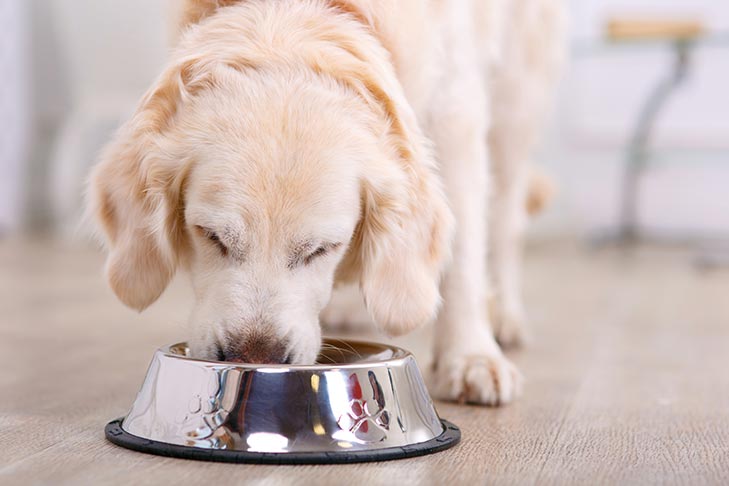
N-acetylcysteine, commonly known as NAC, is a supplement that has been gaining popularity among dog owners. It is often used to treat respiratory issues, liver disease, and even certain types of cancer in dogs. However, the question remains: is NAC safe for dogs?
According to veterinary experts, NAC is generally safe for dogs when administered correctly. It is important to note that NAC should only be given to dogs under the guidance of a veterinarian. This is because the dosage and frequency of NAC administration can vary depending on the dog’s condition and overall health.
While NAC is generally considered safe, there are some potential side effects to be aware of. These can include vomiting, diarrhea, and loss of appetite. In rare cases, NAC can also cause an allergic reaction in dogs. If you notice any adverse effects after giving your dog NAC, it is important to contact your veterinarian immediately.
It is also worth noting that NAC should not be given to dogs who are pregnant or nursing, as the effects of the supplement on developing fetuses and puppies are not yet fully understood.
In conclusion, while NAC can be a useful supplement for treating certain health conditions in dogs, it is important to use caution when administering it. Always consult with a veterinarian before giving your dog any new supplement or medication, and monitor your dog closely for any potential side effects.
NAC, or N-Acetylcysteine, is a supplement that has been gaining popularity among dog owners in recent years. This powerful antioxidant has a wide range of benefits for dogs, from supporting respiratory health to boosting immune function. In this article, we’ll take a closer look at the benefits of NAC for dogs and why you might consider adding it to your pet’s diet.
One of the primary benefits of NAC for dogs is its ability to support respiratory health. NAC has been shown to help break down mucus in the lungs, making it easier for dogs to breathe. This can be particularly beneficial for dogs with respiratory conditions like asthma, bronchitis, or pneumonia.
Another benefit of NAC for dogs is its ability to boost immune function. NAC helps to increase levels of glutathione, a powerful antioxidant that plays a key role in immune function. This can help to protect your dog from a wide range of illnesses and diseases.
In addition to its respiratory and immune-boosting benefits, NAC also has antioxidant properties that can help to protect your dog’s cells from damage caused by free radicals. This can help to reduce the risk of chronic diseases like cancer, heart disease, and arthritis.
Overall, NAC is a powerful supplement that can provide a wide range of benefits for dogs. Whether you’re looking to support your dog’s respiratory health, boost their immune function, or protect their cells from damage, NAC is definitely worth considering. So if you’re looking for a natural way to help keep your dog healthy and happy, be sure to give NAC a try!
How Much NAC Should I Give My Dog?
N-Acetylcysteine (NAC) is a supplement known for its antioxidant properties and ability to support liver health in dogs. However, determining the correct dosage for your furry friend can be a bit tricky.
The recommended dosage for NAC in dogs varies depending on the condition being treated. For example, if your dog is suffering from liver disease, the recommended dosage is 50-100 mg/kg of body weight per day. For dogs with respiratory issues, the dosage is typically 10-20 mg/kg of body weight per day.
It’s important to note that NAC can have side effects, such as vomiting, diarrhea, and loss of appetite. To avoid these side effects, it’s important to start with a low dosage and gradually increase it over time.
It’s also important to consult with your veterinarian before giving your dog NAC. Your vet can help determine the appropriate dosage based on your dog’s specific needs and health history. They can also help monitor your dog for any potential side effects.
In addition to consulting with your vet, it’s important to choose a high-quality NAC supplement. Look for a supplement that is specifically formulated for dogs and has undergone rigorous testing for safety and efficacy.
In conclusion, determining the correct dosage of NAC for your dog requires careful consideration of their specific health needs and consultation with a veterinarian. With the right dosage and a high-quality supplement, NAC can provide a range of health benefits for your furry friend.
Can NAC Help with My Dog’s Allergies?

N-acetylcysteine (NAC) is a supplement that has been gaining popularity in the world of pet health. It is often used to treat various conditions in dogs, including allergies. But can NAC really help with your dog’s allergies?
First, it’s important to understand what NAC is and how it works. NAC is a precursor to glutathione, a powerful antioxidant that helps to protect cells from damage. It also has anti-inflammatory properties, which can help to reduce the symptoms of allergies.
When it comes to allergies in dogs, NAC has been shown to be effective in reducing inflammation and improving respiratory function. It can also help to boost the immune system, which can be helpful in preventing allergic reactions.
One study found that NAC was able to reduce the symptoms of allergic rhinitis in dogs. Another study found that it was able to reduce the severity of asthma symptoms in dogs.
So, can NAC help with your dog’s allergies? The answer is yes, it is definitely worth considering. However, it’s important to remember that NAC is not a cure-all. It should be used in conjunction with other treatments and under the guidance of a veterinarian.
In conclusion, if your dog is suffering from allergies, NAC may be a helpful supplement to consider. It has been shown to have anti-inflammatory and immune-boosting properties, which can help to reduce the symptoms of allergies. However, it should be used in conjunction with other treatments and under the guidance of a veterinarian.
Can NAC Help with My Dog’s Liver Health?
If you’re a dog owner, you know how important it is to keep your furry friend healthy. One of the key areas to focus on is liver health. The liver is responsible for filtering toxins from the body, and if it isn’t functioning properly, your dog can experience a range of health issues. That’s where N-acetylcysteine (NAC) comes in.
NAC is a supplement that has been shown to support liver health in both humans and animals. It works by increasing levels of glutathione, a powerful antioxidant that helps to protect the liver from damage. NAC also helps to reduce inflammation and improve liver function.
So, can NAC help with your dog’s liver health? The answer is yes. Studies have shown that NAC can be beneficial for dogs with liver disease or liver damage. It can help to reduce inflammation, improve liver function, and protect the liver from further damage.
If you’re considering giving your dog NAC, it’s important to talk to your veterinarian first. They can help you determine the right dosage and ensure that it’s safe for your dog to take. NAC can interact with certain medications, so it’s important to make sure that it won’t cause any adverse effects.
Overall, NAC can be a helpful supplement for dogs with liver issues. It’s important to use it under the guidance of a veterinarian and to monitor your dog’s liver function regularly. With proper care and attention, you can help to keep your dog healthy and happy for years to come.
Where Can I Buy NAC for Dogs?
If you’re a pet owner, you know that your furry friend’s health is a top priority. N-acetylcysteine (NAC) is a supplement that has gained popularity in recent years for its potential health benefits for dogs. NAC is an antioxidant that can help support liver function, respiratory health, and immune function in dogs. But where can you buy NAC for dogs?
One option is to visit your local pet store. Many pet stores carry a variety of supplements for dogs, including NAC. However, the selection may be limited, and the prices may be higher than what you can find online.
Another option is to buy NAC for dogs online. There are many websites that specialize in pet supplements, and they often have a wider selection than what you can find in a physical store. Some popular online retailers for pet supplements include Chewy, Amazon, and Petco. When buying online, be sure to read reviews from other pet owners to ensure that you’re getting a high-quality product.
If you prefer to buy from a more specialized retailer, there are also many websites that focus specifically on supplements for dogs. Some popular options include Only Natural Pet and iHerb. These retailers often have a more extensive selection of supplements, including different forms of NAC such as capsules, tablets, and powders.
In conclusion, there are many options for buying NAC for dogs, including local pet stores, online retailers, and specialized supplement websites. It’s essential to do your research and read reviews to ensure that you’re getting a high-quality product that will support your dog’s health.
In conclusion, NAC for dogs is a powerful supplement that can provide numerous benefits for your furry friend. As we’ve discussed, NAC can help with allergies, liver health, and overall immune system support. It’s important to note that NAC is generally safe for dogs, but it’s always best to consult with your veterinarian before starting any new supplement regimen.
When administering NAC to your dog, it’s important to follow the recommended dosage guidelines and start with a lower dose before gradually increasing. Additionally, it’s important to purchase high-quality NAC supplements from a reputable source.
As we continue to explore the benefits of NAC for dogs, we may see new developments and trends emerge. However, it’s clear that NAC can be a valuable addition to your dog’s overall health and wellness routine.
Thank you for reading this post and learning more about NAC for dogs. If you have any comments or feedback, we encourage you to share them below. Here’s to happy and healthy pups!
