

Pyoderma in Dogs: Causes, Symptoms, and Treatments
Pyoderma in dogs is a prevalent skin condition that can cause discomfort and distress for our furry friends. From mild irritations to severe infections, Pyoderma can manifest in various forms and affect dogs of all breeds and sizes.
As responsible pet owners, we must familiarize ourselves with this condition to ensure the well-being of our canine companions.
The term “pyoderma” refers to a bacterial infection of the skin characterized by the formation of pus-filled lesions. These lesions can appear as red, itchy bumps, blemishes, or even deep ulcers.
While Pyoderma can occur anywhere on a dog’s body, it is commonly found in areas with skin folds, such as the face, neck, armpits, and groin.
Several factors can contribute to the development of Pyoderma in dogs. Allergies, hormonal imbalances, poor grooming habits, and underlying medical conditions can weaken the skin’s defenses, making dogs more susceptible to bacterial infections.
Additionally, excessive moisture or humidity in the environment can create an ideal breeding ground for bacteria, exacerbating the condition.
Recognizing the signs of Pyoderma is crucial for early intervention and effective treatment. Dogs with Pyoderma may exhibit itching, redness, hair loss, and a foul odor from the affected area.
If left untreated, PPyoderma can lead to more severe complications, including deep skin infections and systemic illness.
Treating Pyoderma involves a multifaceted approach, including topical medications, oral antibiotics, and addressing any underlying causes.
Regular bathing, proper grooming, and maintaining a clean living environment can also help prevent the recurrence of Pyoderma in dogs.
In conclusion, Pyoderma is a common skin condition affecting dogs of all ages and breeds. By understanding its causes, symptoms, and treatment options, we can provide our furry companions the care they need to overcome this uncomfortable condition.
Stay tuned for our upcoming articles, where we will delve deeper into the various types of Pyoderma and explore preventative measures to keep our dogs happy and healthy.
What Causes Pyoderma?

Pyoderma is a common skin condition in dogs that can cause discomfort and irritation. Understanding the underlying causes of Pyoderma is essential in providing effective treatment and preventing future occurrences. Several factors contribute to the development of this condition.
One of the primary causes of Pyoderma is bacterial infection. Dogs have natural bacteria on their skin, but when there is an imbalance or disruption in the skin’s protective barrier, bacteria can multiply and cause infection.
This can occur due to allergies, hormonal imbalances, or other underlying health conditions. Food and environmental allergies can also play a significant role in developing Pyoderma.
Dogs with allergies often scratch and bite at their skin, breaking the skin’s barrier and allowing bacteria to enter. Additionally, certain breeds are more prone to allergies, making them more susceptible to Pyoderma.
Another common cause of Pyoderma is poor grooming habits. Dogs not regularly bathed or brushed can develop matting and tangling of their fur, which can trap moisture and bacteria close to the skin. This creates an ideal environment for bacterial growth and can lead to Pyoderma.
Certain underlying health conditions, such as immune system or endocrine disorders, can also increase the risk of Pyoderma. These conditions can weaken the skin’s defenses and make dogs more susceptible to bacterial infections.
In conclusion, Pyoderma in dogs can be caused by various factors, including bacterial infections, allergies, poor grooming habits, and underlying health conditions.
Understanding these causes is crucial in effectively treating and preventing this common skin condition. By addressing the underlying causes and maintaining good skin hygiene, dog owners can help keep their furry friends healthy and comfortable.
What Are the Symptoms of Pyoderma?

Pyoderma is a common skin condition in dogs that can cause discomfort and distress. Recognizing the symptoms of Pyoderma is crucial for early detection and prompt treatment. By understanding the signs, dog owners can seek veterinary care and provide relief for their furry friends.
One of the most common symptoms of Pyoderma is the presence of red, inflamed skin. The affected area may appear swollen and hot to the touch.
Dogs with Pyoderma often experience intense itching and frequently scratch or lick the affected area. This can lead to further irritation and the development of sores or scabs.
Another telltale sign of Pyoderma is the presence of bumps or pimples on the skin. These small, pus-filled bumps can be found in clusters or scattered across the affected area. The spots may sometimes rupture, causing the skin to become moist or ooze.
Hair loss or thinning is also a common symptom of Pyoderma. As the condition progresses, the affected area may become bald or have patches of missing fur. This can be particularly noticeable in dogs with thick coats.
In severe cases, Pyoderma can lead to systemic symptoms such as fever, lethargy, and loss of appetite. These symptoms indicate the infection has spread beyond the skin and may require more aggressive treatment.
If you notice any of these symptoms in your dog, it is essential to consult with a veterinarian. They can accurately diagnose Pyoderma and recommend appropriate treatment options. Early intervention is crucial to prevent the condition from worsening and causing further discomfort for your beloved pet.
In conclusion, recognizing the symptoms of Pyoderma is vital for the well-being of your dog. By staying vigilant and seeking prompt veterinary care, you can help your furry companion find relief from this common skin condition.
How Is Pyoderma Diagnosed?

Pyoderma is a common skin condition in dogs that can cause discomfort and irritation. To effectively treat this condition, it is crucial to diagnose it accurately. This article will explore the various methods veterinarians use to analyze Pyoderma in dogs.
One of the first steps in diagnosing Pyoderma is a thorough physical examination. The veterinarian will carefully inspect the dog’s skin, looking for any signs of infection.
They will check for redness, swelling, bumps, and lesions. Additionally, they may perform a skin scrape or cytology to collect samples for further analysis.
Microscopic examination of the skin samples is another diagnostic tool commonly used. By examining the samples under a microscope, veterinarians can identify the presence of bacteria, yeast, or other microorganisms that may be causing the infection. This helps determine the appropriate treatment plan.
In some cases, a bacterial culture and sensitivity test may be necessary. This involves collecting a sample from the infected area and growing it in a laboratory to identify the specific bacteria causing the infection. This test also helps determine which antibiotics will most effectively treat the condition.
Allergy testing may also be recommended to identify any underlying allergies contributing to the development of Pyoderma. This can be done through blood tests or intradermal skin testing.
It is important to note that the diagnosis of Pyoderma may require multiple tests and examinations. Each dog is unique, and the diagnostic process may vary depending on the case.
By accurately diagnosing Pyoderma, veterinarians can create an appropriate treatment plan to help alleviate the symptoms and improve the dog’s overall health and well-being. If you suspect your dog may have Pyoderma, it is essential to consult with a veterinarian for a proper diagnosis and treatment.
What Are the Treatment Options for Pyoderma?
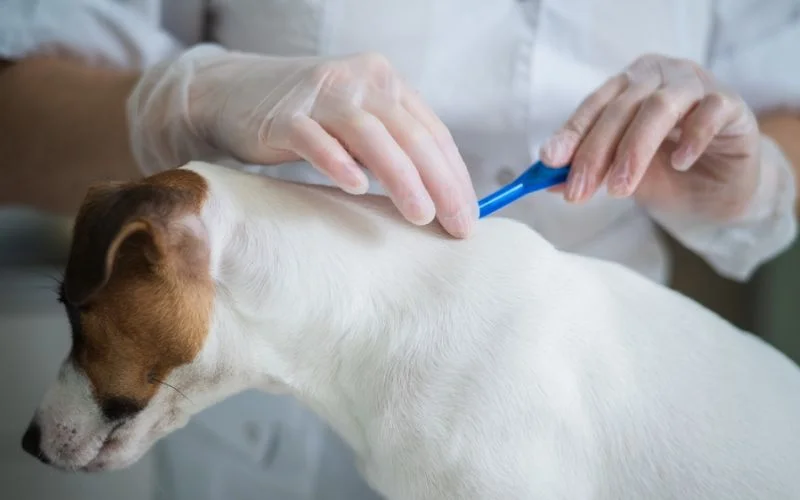
Pyoderma in dogs is a common skin condition that can cause discomfort and distress for our furry friends. It is characterized by the presence of pus-filled lesions on the skin, which can be itchy, painful, and prone to infection.
If your dog has been diagnosed with Pyoderma, exploring the various treatment options available to provide relief and promote healing is important.
One of the most common treatment options for Pyoderma is antibiotics. These medications can help eliminate the bacteria causing the infection and reduce inflammation.
Your veterinarian will prescribe the appropriate antibiotic based on the severity of the condition and the specific bacteria involved.
In addition to antibiotics, topical treatments can also manage Pyoderma. These may include medicated shampoos, sprays, or ointments that can help to soothe the skin, reduce itching, and promote healing.
Following your veterinarian’s instructions when applying these treatments is important to ensure their effectiveness.
Sometimes, your veterinarian may recommend a combination of oral antibiotics and topical treatments to manage Pyoderma effectively. This approach can help to address the infection from both the inside and the outside, providing comprehensive care for your dog’s skin.
It is worth noting that Pyoderma can sometimes be a recurring condition, especially in dogs with underlying health issues or allergies.
In such cases, your veterinarian may recommend long-term management strategies to prevent future flare-ups. This may include dietary changes, allergy testing, or immunosuppressive medications.
In conclusion, Pyoderma in dogs can be effectively managed through a combination of antibiotics, topical treatments, and long-term management strategies.
Working closely with your veterinarian to determine the most appropriate treatment plan for your dog’s specific needs is important. By Youn, help your furry friend find relief and improve their overall quality of life.
C by providing proper care and attention, can Pyoderma Be Prevented?

Pyoderma in dogs is a common skin condition that can cause discomfort and pain for our furry friends. As responsible pet owners, it’s natural to wonder if we can take any preventive measures to keep our dogs from developing this condition.
While there is no foolproof way to prevent Pyoderma completely, you can take steps to minimize the risk. One of the most important things you can do to prevent Pyoderma is to maintain good hygiene for your dog.
Regularly bathing your dog with a gentle, hypoallergenic shampoo can help keep their skin clean and bacteria-free. Be sure to dry your dog thoroughly after each bath, as moisture can contribute to the growth of bacteria.
Another crucial aspect of the prevention element is keeping the immune system strong. A healthy immune system can better fight off infections and reduce the likelihood of Pyoderma.
Ensure your dog gets a balanced diet rich in essential nutrients. Regular exercise and mental stimulation can also help boost their immune system.
It’s also important to regularly check your dog’s skin for any signs of irritation or infection. Look out for redness, swelling, or any unusual discharge.
If you notice any of these symptoms, it’s important to consult your veterinarian for proper diagnosis and treatment.
In addition, it’s essential to prevent your dog from scratching or licking its skin excessively. This can lead to breaks in the skin, making it more susceptible to bacterial infections.
Use an Elizabethan collar or other methods to prevent your dog from causing further damage to their skin.
While we can’t completely prevent Pyoderma in dogs, following these preventive measures can significantly reduce the risk.
Maintaining good hygiene, supporting their immune system, and being vigilant about their skin health can help our beloved pets stay happy and healthy.
Is Pyoderma Contagious?

Pyoderma is a common skin condition in dogs that can cause discomfort and distress. Many dog owners wonder if this condition is contagious and whether they must take precautions to protect themselves or other pets. In this article, we will explore the question: Is Pyoderma contagious?
Pyoderma is not considered a contagious disease. It is caused by an overgrowth of bacteria on the skin, often due to underlying factors such as allergies, hormonal imbalances, or immune system issues.
While the bacteria that contribute to Pyoderma can be transmitted through direct contact, it is not easily spread from dog to dog or from dogs to humans.
However, it is important to note that certain types of bacteria associated with Pyoderma can be present in the environment.
If a dog with Pyoderma comes into contact with surfaces or objects, such as bedding or grooming tools, the bacteria may be transferred to those items.
Therefore, regularly cleaning and disinfecting these items is recommended to minimize the risk of spreading the bacteria.
If you have multiple dogs in your household and one has Pyoderma, keeping them separated during treatment is advisable to prevent the spread of bacteria.
Additionally, practicing good hygiene, such as washing your hands after handling an affected dog or cleaning their wounds, can reduce the transmission.
In conclusion, Pyoderma is not considered a contagious disease. While the bacteria associated with this condition can be transmitted through direct contact or contaminated objects, it is not easily spread from dog to dog or from dogs to humans.
Taking precautions like regular cleaning and good hygiene can minimize the risk of spreading Pyoderma.
Can Pyoderma Lead to Other Health Problems?

Pyoderma is a common skin condition in dogs that can cause a range of symptoms, including redness, itching, and the formation of pus-filled bumps. While treating Pyoderma promptly to alleviate these symptoms is important, many dog owners wonder if this condition can lead to other health problems.
One potential concern is the spread of infection. Pyoderma is caused by bacteria that can easily be transmitted to other body parts if left untreated.
This can lead to secondary infections in the ears, paws, or genitals. It is crucial to address Pyoderma early on to prevent the spread of bacteria and the potential for more serious health issues.
Another possible consequence of Pyoderma is the development of allergies. Dogs with Pyoderma often experience intense itching, leading to excessive scratching and self-trauma.
This constant irritation can weaken the skin barrier and make it more susceptible to allergens, such as pollen or dust mites. Over time, this can result in allergic dermatitis, a chronic condition requiring ongoing management.
In some cases, Pyoderma can also be a symptom of an underlying health problem. Certain diseases, such as hypothyroidism or immune system disorders, can predispose dogs to developing Pyoderma. Treating the underlying condition is essential to effectively managing Pyoderma and preventing its recurrence.
While Pyoderma may not directly lead to other health problems, it is important to recognize and address this condition promptly to prevent complications.
Regular veterinary check-ups, proper hygiene, and a balanced diet can all contribute to maintaining a healthy skin barrier and reducing the risk of Pyoderma and its potential consequences.
By staying vigilant and proactive, dog owners can help their furry friends avoid unnecessary discomfort and ensure their overall well-being.
When Should I See a Veterinarian for Pyoderma?

Pyoderma is a common skin condition in dogs that can cause discomfort and distress. It is important to seek veterinary care for your furry friend to ensure their well-being. Here are some key indicators that you should look out for:
Persistent and Worsening Symptoms: If your dog’s pyoderma symptoms, such as redness, swelling, pus-filled sores, or hair loss, persist or worsen despite home remedies or over-the-counter treatments, it is time to consult a veterinarian. They can provide a proper diagnosis and recommend the appropriate treatment plan.
Systemic Signs: Pyoderma can sometimes lead to systemic signs, such as fever, lethargy, loss of appetite, or swollen lymph nodes. These symptoms indicate that the infection may have spread beyond the skin and require immediate veterinary attention.
Recurrent Infections: If your dog experiences recurrent pyoderma infections, it may indicate an underlying health issue or an ineffective treatment approach. A veterinarian can help identify the root cause and develop a long-term management plan.
Suspected Allergies: Allergies can contribute to the development of Pyoderma in dogs. If you suspect your dog’s Pyoderma is linked to allergies, seeking veterinary care is crucial. They can conduct allergy testing and recommend appropriate allergy management strategies.
Discomfort and Pain: If your dog shows signs of discomfort or pain, such as excessive scratching, licking, or rubbing the affected areas, it is essential to seek veterinary care. They can provide pain relief and prevent further complications.
Remember, early intervention is key in treating Pyoderma in dogs. By seeking veterinary care promptly, you can ensure your furry friend receives the necessary treatment and relief from their symptoms.
Conclusion
Pyoderma in dogs is a common skin condition that can cause discomfort and distress for our furry friends.
Throughout this post, we have discussed various aspects of Pyoderma, including its causes, symptoms, diagnosis, treatment options, prevention, contagiousness, potential health problems, and when to seek veterinary care.
One of the key takeaways from this post is that Pyoderma can be caused by various factors, including allergies, underlying health conditions, and environmental factors. Recognizing the symptoms, such as redness, itching, and blemishes or sores, is crucial in identifying and addressing Pyoderma early on.
When it comes to diagnosis, a veterinarian will typically thoroughly examine the affected area and may recommend additional tests, such as skin scrapings or bacterial cultures, to determine the underlying cause and guide treatment decisions.
Treatment options for Pyoderma can vary depending on the severity and underlying cause. This may include topical or oral medications and addressing any underlying health issues or allergies.
It’s important to follow the veterinarian’s instructions and complete the full course of treatment to ensure a successful outcome.
Prevention of Pyoderma involves maintaining good hygiene, regular grooming, and addressing any underlying health conditions or allergies.
Keeping your dog’s skin clean and dry, providing a balanced diet, and avoiding exposure to potential irritants can help reduce the risk of Pyoderma.
While Pyoderma itself is not contagious, the underlying causes, such as allergies or infections, may be transmissible.
It’s important to take precautions and seek veterinary care if you suspect your dog may have Pyoderma or if you have multiple pets showing similar symptoms.
Ongoing research and advancements in veterinary medicine may lead to new treatment options and preventive measures for Pyoderma in dogs. It’s always important to stay informed and consult your veterinarian for the most up-to-date information and recommendations.
Thank you for taking the time to read this post. We hope the information provided has helped you understand Pyoderma in dogs.
If you have any questions or experiences to share, we encourage you to leave a comment below. Your feedback is valuable, and together, we can continue to improve the health and well-being of our beloved canine companions.