

Homemade Dog Food Recipes: Tail-Wagging Delights
Homemade dog food recipes have recently gained immense popularity among pet owners. As more people become aware of the potential health benefits and the control they have over the ingredients, they are turning to homemade meals for their beloved furry companions.
In this article, we will explore the world of homemade dog food recipes, providing information and inspiration to create nutritious and delicious meals for your four-legged friend.
When it comes to the well-being of our dogs, nutrition plays a vital role. Like humans, dogs require a balanced diet to thrive and maintain optimal health.
While commercial dog foods are convenient, they often contain fillers, preservatives, and artificial additives that may not be the best choice for our pets.
You can carefully select ingredients that meet your dog’s specific dietary needs by preparing homemade meals.
One of the greatest advantages of homemade dog food recipes is the ability to customize meals based on your dog’s requirements.
Whether your furry friend has allergies, sensitivities, or specific dietary restrictions, you can tailor their meals to ensure they receive the necessary nutrients. The possibilities are endless, from protein-rich meats to wholesome grains and a variety of fruits and vegetables.
Not only can homemade dog food recipes provide the essential nutrients, but they can also be a tasty treat for your furry companion.
By using fresh, high-quality ingredients, you can create meals that are nutritious and appealing to your dog’s taste buds. Imagine the joy on their face as they eagerly gobble up a homemade meal made with love.
The following sections will delve deeper into homemade dog food recipes, exploring different ingredients, cooking methods, and meal-planning tips. Whether you are a seasoned chef or a novice in the kitchen, we will provide you with all the information you need to get started on this exciting culinary journey.
Join us as we embark on a delicious adventure of homemade dog food recipes. From simple and quick meals to gourmet delights, we will guide you through creating nutritious and delectable dishes that will leave your dog begging for more.
Stay tuned for our upcoming articles, where we will delve into the world of protein sources, grains, vegetables, and fruits and share some mouthwatering recipes that will make your furry friend’s tail wag with delight.
What Are Some Homemade Dog Food Recipes?
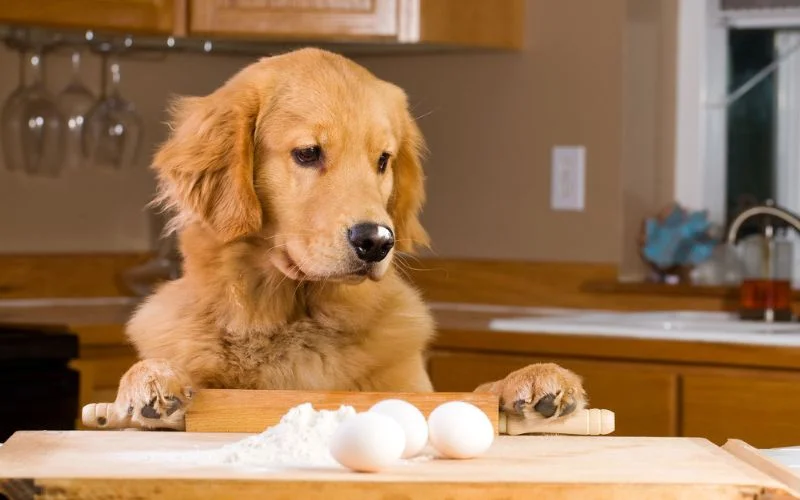
When providing the best nutrition for our furry friends, homemade dog food recipes can be a great option.
Not only do they allow us to control the ingredients and quality of the food, but they can also be a cost-effective and healthy alternative to commercial dog food. If you’re looking to make your dog food at home, here are some recipes to consider:
Chicken and Rice Delight: This recipe is simple yet nutritious. Boil boneless chicken breasts and cook brown rice separately. Once both are cooked, mix them and add some vegetables like carrots or peas. This recipe provides a balanced meal with protein, carbohydrates, and vitamins.
Beef and Sweet Potato Stew: In a slow cooker, combine lean ground beef, sweet potatoes, and green beans. Add water or low-sodium broth and cook on low heat for several hours. This recipe is packed with protein, fiber, and essential nutrients.
Fish and Vegetable Medley: Cook fish fillets, such as salmon or whitefish, and steam some mixed vegetables like broccoli, cauliflower, and carrots. Once cooked, mix them and serve. Fish is a great source of omega-3 fatty acids, which benefit a dog’s coat and overall health.
Turkey and Quinoa Casserole: Cook ground turkey and quinoa separately. Once cooked, mix them and add some cooked spinach or kale for added nutrients. Quinoa is a nutritious grain that provides protein and fiber.
Remember, it’s important to consult with your veterinarian before changing your dog’s diet. They can guide portion sizes and ensure your homemade dog food recipes meet your dog’s nutritional needs.
You can provide your furry friend with a nutritious and delicious meal by making your own dog food at home. These homemade dog food recipes are just a starting point, so feel free to get creative and experiment with different ingredients to find what works best for your dog.
What Ingredients Are Safe for Dogs to Eat?
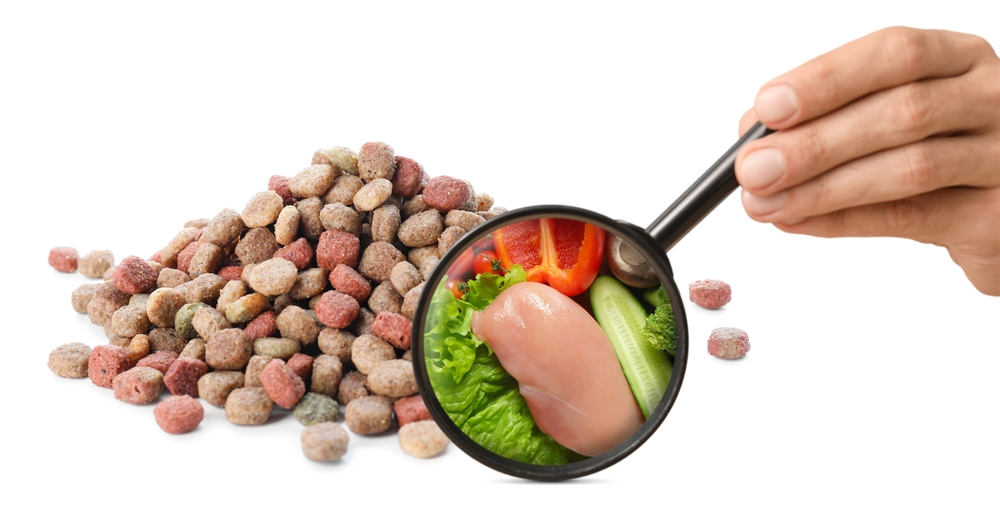
When preparing homemade dog food, knowing which ingredients are safe for your furry friend to consume is important. You can provide a nutritious and balanced diet for your dog by using the right ingredients.
One of the key ingredients that is safe for dogs to eat is lean protein. This can include chicken, turkey, beef, or fish.
Protein is essential for your dog’s muscle development and overall health. Make sure to cook the meat thoroughly to avoid any potential bacteria.
Vegetables are another important component of a dog’s diet. Carrots, green beans, and sweet potatoes are all great options.
These vegetables provide essential vitamins and minerals that dogs need to thrive. However, avoiding onions, garlic, and mushrooms is important, as these can be toxic to dogs.
Grains can also be included in your dog’s homemade food. Brown rice, quinoa, and oats are all safe choices.
These grains provide energy and can help with digestion. Avoid using wheat or corn, as some dogs may have allergies to these ingredients.
Fruits can be a tasty addition to your dog’s diet. Apples, blueberries, and bananas are all safe options. However, remove any seeds or pits, as these can harm dogs.
Finally, it’s important to include fats in your dog’s diet. Healthy fats like olive or coconut oil can provide essential nutrients and promote a shiny coat.
Remember to consult with your veterinarian before changing your dog’s diet. They can guide your dog’s portion sizes and specific dietary needs.
In conclusion, using safe and nutritious ingredients can create homemade dog food that promotes your dog’s health and well-being. Experiment with different recipes to find what works best for your furry friend.
How Much Homemade Dog Food Should I Feed My Dog?

Feeding your dog a homemade diet can be a great way to provide them with nutritious and wholesome meals. However, determining the right amount of homemade dog food to feed your furry friend can be a bit challenging.
This article will discuss some important factors to consider when deciding how much homemade dog food you should feed your dog.
One of the key factors to consider is your dog’s size and weight. Larger dogs generally require more food than smaller ones.
It’s important to consult with your veterinarian to determine the appropriate portion size based on your dog’s specific needs.
They can help you calculate the right amount of homemade dog food to provide your pet with a balanced diet.
Another factor to consider is your dog’s activity level. If your dog is highly active or participates in regular exercise, they may require more calories to fuel their energy needs.
On the other hand, if your dog is less active or has certain health conditions, they may need fewer calories. Adjusting the portion size is crucial to maintaining your dog’s optimal weight and overall health.
Additionally, it’s important to consider the ingredients in your homemade dog food recipes. Some components may be more calorie-dense than others.
For example, foods high in fat or carbohydrates can contribute to weight gain if not properly portioned. It’s important to balance and ensure your dog’s diet is well-rounded and meets its nutritional requirements.
Remember, every dog is unique, and their dietary needs may vary. Regularly monitoring your dog’s weight and body condition is essential to ensure you feed them the right amount of homemade dog food.
Consulting with a veterinarian or a canine nutritionist can provide valuable guidance in determining the appropriate portion size for your dog.
In conclusion, determining how much homemade dog food to feed your dog requires careful consideration of their size, activity level, and nutritional needs.
By consulting with professionals and monitoring your dog’s weight, you can ensure they receive a balanced and healthy diet tailored to their requirements.
Can I Substitute Ingredients in Homemade Dog Food Recipes?
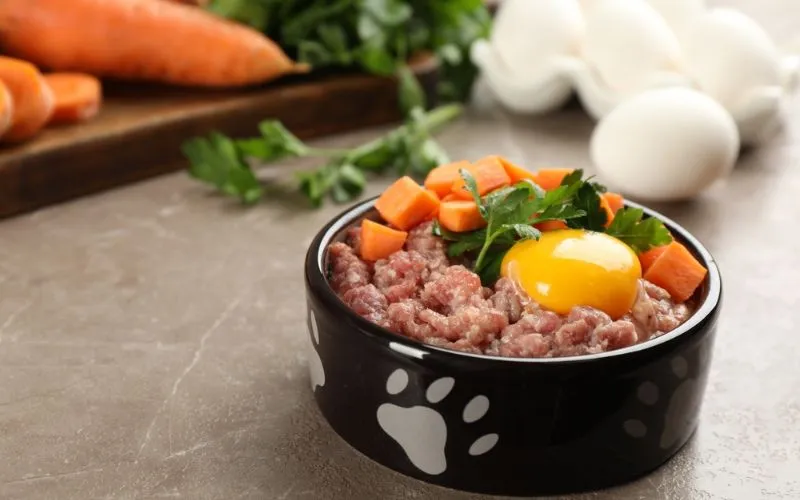
When preparing homemade dog food, many pet owners wonder if they can substitute ingredients in the recipes they find. The answer is yes but with some important considerations.
One of the main reasons people choose to make homemade dog food is to ensure their furry friends get the best nutrition possible.
While following a recipe is a good starting point, it’s important to remember that dogs have different dietary needs and preferences, just like humans. So, if your dog has specific dietary restrictions or allergies, you may need to make substitutions.
For example, if a recipe calls for chicken but your dog is allergic to poultry, you can substitute it with another lean protein source like turkey or fish.
Similarly, if your dog is on a grain-free diet, you can replace grains like rice or wheat with alternatives like sweet potatoes or quinoa.
It’s also important to consider the nutritional content of the substituted ingredient. Ensure the replacement provides similar levels of protein, carbohydrates, and fats to maintain a balanced diet for your dog.
Consulting with a veterinarian or a canine nutritionist can help you make informed decisions about ingredient substitutions.
Remember that not all substitutions will work well in every recipe. Some ingredients may alter the taste or texture of the final dish, which could affect your dog’s willingness to eat it.
It’s always a good idea to start with small substitutions and gradually increase the amount to see how your dog responds.
In conclusion, while you can substitute ingredients in homemade dog food recipes, it’s important to do so with caution and consideration for your dog’s needs.
You can create nutritious and delicious meals for your furry friend by making informed choices and consulting with professionals.
Are There Any Homemade Dog Food Recipes for Dogs with Allergies?

When feeding our furry friends, we want to provide them with the best nutrition possible. However, some dogs have allergies, making it challenging to find suitable commercial dog food options.
That’s where homemade dog food recipes come in handy. By preparing meals at home, you have complete control over the ingredients, ensuring your dog’s allergies are considered.
One popular homemade dog food recipe for dogs with allergies is a simple chicken and rice dish. Start by boiling boneless, skinless chicken breasts until they are fully cooked.
Then, shred the chicken into small pieces. In a separate pot, cook brown rice according to the package instructions.
Once the rice is cooked, mix it with the shredded chicken. This recipe provides a balanced meal with lean protein and easily digestible carbohydrates.
Another option for dogs with allergies is a fish and sweet potato recipe. Begin by baking a white fish, such as cod or tilapia, until it is fully cooked.
While the fish is baking, peel and dice sweet potatoes. Steam or boil the sweet potatoes until they are tender.
Once the fish and sweet potatoes are cooked, mash them together to create a tasty and nutritious meal for your furry friend.
A vegetarian recipe may be the answer for dogs with allergies to common proteins like chicken or fish. One such recipe involves combining cooked quinoa, lentils, and mixed vegetables.
Quinoa provides essential amino acids, while lentils offer a good source of protein. Mixed vegetables add vitamins and minerals to the meal. Be sure to thoroughly cook the quinoa, lentils, and vegetables before mixing them.
In conclusion, homemade dog food recipes can be a great option for dogs with allergies. By preparing meals at home, you can ensure your furry friend receives the nutrition they need while avoiding ingredients that trigger their allergies.
Whether it’s a chicken and rice dish, a fish and sweet potato recipe, or a vegetarian option, plenty of homemade dog food recipes are available to cater to your dog’s specific needs.
Can I Freeze Homemade Dog Food?
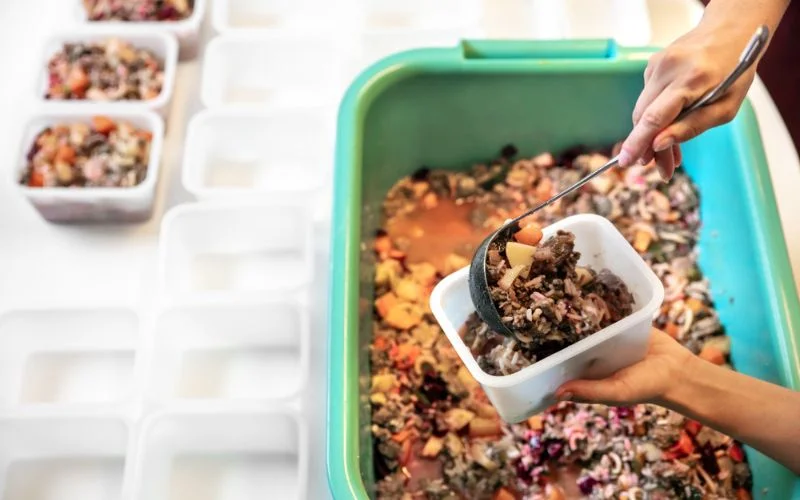
Freezing homemade dog food is common among pet owners who want to ensure their furry friends get the best nutrition possible.
By freezing homemade dog food, you can easily prepare meals in advance, saving you time and effort in the long run. But is it safe to freeze homemade dog food? Let’s find out.
One of the main concerns when it comes to freezing dog food is the potential loss of nutrients. However, studies have shown that chilly dog food does not significantly impact nutritional value. Freezing can even help preserve the nutrients and prevent spoilage.
When freezing homemade dog food, it’s important to follow a few guidelines to ensure your pet’s safety. First, ensure the food is completely cooled before placing it in the freezer. This helps prevent the growth of bacteria.
Additionally, divide the food into individual portions or use ice cube trays to make it easier to thaw and serve later.
To thaw frozen homemade dog food, transfer it from the freezer to the refrigerator and let it thaw overnight.
Avoid melting at room temperature, as this can promote bacterial growth. Once melted, you can serve the food to your dog as usual.
It’s worth noting that some ingredients, such as vegetables with high water content, may become mushy after freezing and thawing.
If your dog is particularly picky about texture, you may consider omitting these ingredients or using them in moderation.
In conclusion, freezing homemade dog food is a safe and convenient way to ensure your dog gets a nutritious meal.
You can provide your furry friend with delicious and healthy meals without any hassle by following proper freezing and thawing techniques.
How Long Does Homemade Dog Food Last in the Fridge?
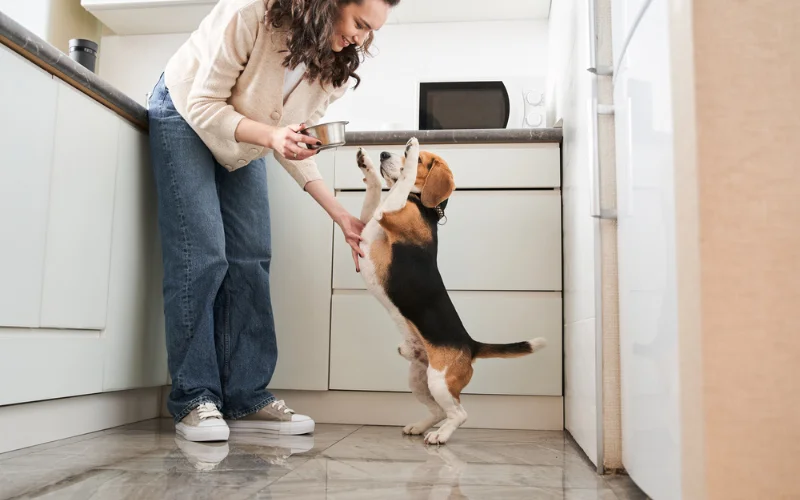
Many pet owners use homemade dog food recipes when feeding their furry friends. Not only can it be a healthier option, but it also allows us to have control over the ingredients. But one question that often arises is, how long does homemade dog food last in the fridge?
The answer to this question depends on several factors. First and foremost, the ingredients used in the recipe play a crucial role.
Fresh and high-quality ingredients will generally last longer than those of lower quality. Additionally, the method of preparation and storage also affects the shelf life of homemade dog food.
Homemade dog food can last in the fridge for about 3 to 5 days. It is important to note that this is just a guideline, not a hard rule. If you notice any spoilage, such as a foul smell or mold growth, it is best to discard the food immediately.
To extend the shelf life of homemade dog food, you can consider freezing it. Freezing can significantly prolong the freshness and nutritional value of the food.
Divide the food into portions and store them in airtight containers or freezer bags. When ready to serve, thaw a bit in the fridge overnight.
Practicing proper hygiene and food safety measures is crucial when preparing and storing homemade dog food.
Always wash your hands and utensils thoroughly before and after handling the ingredients. Additionally, clean your dog’s food bowl regularly to prevent bacterial growth.
In conclusion, homemade dog food can last in the fridge for 3 to 5 days, depending on the ingredients and storage method.
By following proper hygiene practices and freezing any leftovers, you can ensure your furry friend gets fresh and nutritious meals every time.
Conclusion
This post has covered various topics related to homemade dog food recipes. We have discussed the different types of recipes that you can make for your furry friend, including options for dogs with allergies.
We have also explored the safe ingredients dogs can eat and the importance of portion control when feeding homemade dog food.
One key takeaway from this post is the importance of using safe and nutritious ingredients in homemade dog food recipes.
You can ensure your dog gets the best possible nutrition by avoiding harmful components and focusing on wholesome options.
Additionally, we have addressed common concerns such as substituting ingredients in recipes and the proper storage of homemade dog food.
It is important to note that while substitutions can be made, it is crucial to consult with a veterinarian to ensure the safety and nutritional balance of the meal.
Furthermore, freezing homemade dog food can be a convenient option, but it is important to follow proper storage guidelines to maintain freshness and avoid spoilage.
Looking ahead, it is expected that the trend of homemade dog food will continue to grow as more pet owners recognize the benefits of providing their dogs with nutritious, homemade meals.
With this in mind, staying informed about future developments or trends that may impact homemade dog food recipes is important.
Thank you for taking the time to read this post. We hope you found it informative and helpful in providing the best nutrition for your furry friend. If you have any questions or feedback, please comment below. Happy cooking for your beloved dog!
