

How Raw Dog Food Helps Dogs with Allergies: Complete Guide
Every pet owner wants their furry friend to be happy and healthy. Unfortunately, many dogs suffer from allergies that can cause discomfort and distress. If your dog is constantly scratching, sneezing, or experiencing digestive issues, it’s time to consider changing their diet. Raw dog food has emerged as a popular solution for dogs with allergies, offering a natural and nutritious alternative to traditional commercial dog food.
Raw dog food consists of uncooked, unprocessed ingredients such as meat, bones, fruits, and vegetables. This diet closely mimics what dogs eat in the wild, providing them with the essential nutrients they need to thrive. By eliminating artificial additives, preservatives, and fillers commonly found in commercial dog food, raw dog food helps alleviate allergies in several ways.
Firstly, raw dog food is free from common allergens like wheat, corn, and soy. These ingredients trigger allergic reactions in dogs, leading to itchy skin, ear infections, and gastrointestinal issues. Removing these allergens from your dog’s diet can significantly reduce their allergy symptoms and improve their overall well-being.
Additionally, raw dog food is rich in omega-3 fatty acids with anti-inflammatory properties. Allergies often result in inflammation, causing discomfort and a weakened immune system. The omega-3 fatty acids in raw dog food help reduce inflammation, relieving your dog’s allergy symptoms and promoting a healthier immune response.
Furthermore, the high moisture content in raw dog food helps keep your dog hydrated, which is crucial for maintaining healthy skin and coat. Dry skin is a common symptom of allergies, and by providing your dog with a moisture-rich diet, you can alleviate their itchiness and promote a shiny, lustrous coat.
In conclusion, raw dog food is a natural and effective solution for dogs with allergies. This diet can significantly improve your dog’s quality of life by eliminating common allergens, reducing inflammation, and promoting hydration. In the following sections, we will delve deeper into the benefits of raw dog food, explore different recipes and feeding guidelines, and address common concerns and misconceptions. So, let’s dive in and discover how raw dog food can transform your dog’s health and happiness.
How Raw Dog Food Helps Dogs with Allergies
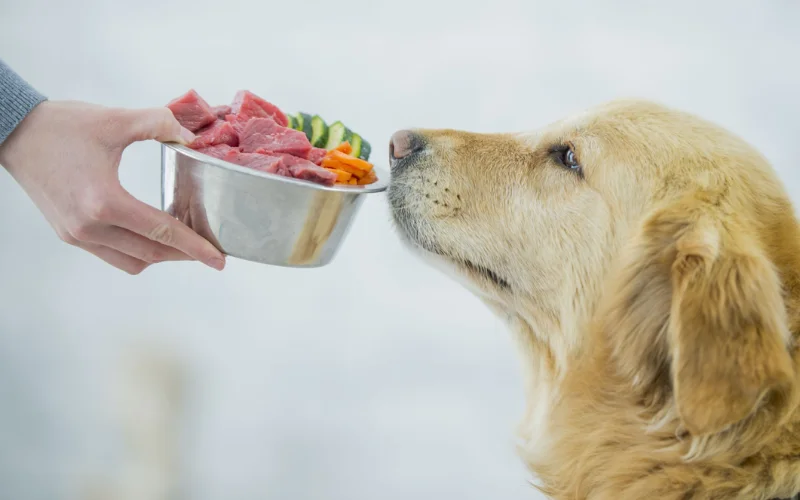
Raw dog food has gained popularity recently as more pet owners are looking for natural and healthy alternatives to traditional commercial pet food. One of the main benefits of raw dog food is its ability to help dogs with allergies.
Allergies can cause a range of symptoms in dogs, including itching, redness, and inflammation. Many dogs are allergic to the ingredients commonly found in commercial pet food, such as grains, fillers, and artificial additives. By switching to a raw dog food diet, pet owners can eliminate these potential allergens and provide their dogs with a more natural and nutrient-rich diet.
Raw dog food is typically made from high-quality, human-grade ingredients, such as raw meat, bones, fruits, and vegetables. These ingredients are minimally processed, which helps to preserve their natural nutrients and enzymes. This can be especially beneficial for dogs with allergies, as the raw food diet provides them with a wide range of essential vitamins, minerals, and antioxidants that can help to boost their immune system and reduce inflammation.
In addition to eliminating potential allergens, raw dog food also helps to promote a healthy digestive system. Many dogs with allergies also suffer from digestive issues like diarrhea or vomiting. The natural enzymes in raw dog food can help improve digestion and reduce these symptoms.
Furthermore, raw dog food is free from artificial additives and preservatives, which can also trigger allergic reactions in some dogs. Feeding your dog a natural and unprocessed diet can minimize the risk of allergic reactions and give them the nutrients they need to thrive.
In conclusion, raw dog food can be a great option for dogs with allergies. By eliminating potential allergens and providing a nutrient-rich diet, natural dog food can help to alleviate symptoms and improve overall health. If your dog suffers from allergies, consider switching to raw dog food and see the difference it can make.
What are the benefits of feeding raw dog food?

Feeding raw dog food has become increasingly popular among pet owners, especially those with allergies. Natural dog food consists of uncooked, minimally processed ingredients such as raw meat, bones, fruits, and vegetables. This diet offers several benefits for dogs, particularly in alleviating allergies.
One of the primary benefits of feeding raw dog food is that it eliminates potential allergens in commercial dog food. Many commercial dog foods contain fillers, artificial additives, and preservatives that can trigger allergic reactions in dogs. By switching to a raw food diet, pet owners can eliminate these potential allergens and provide their dogs with a more natural and nutritious diet.
Raw dog food is also rich in essential nutrients that can help boost the immune system and reduce allergy symptoms. This diet contains high-quality proteins, healthy fats, vitamins, and minerals necessary for a dog’s health. These nutrients can help strengthen the immune system, making dogs less susceptible to allergies.
Furthermore, raw dog food can improve digestion and reduce gastrointestinal issues often associated with allergies. The natural enzymes in raw food help break down the food more easily, leading to better digestion and nutrient absorption. This can alleviate symptoms such as diarrhea, gas, and bloating, common in dogs with allergies.
In addition to these benefits, raw dog food can contribute to healthier skin and coats. Many dogs with allergies suffer from itchy, dry skin and a dull coat. Natural dog food’s high-quality proteins and healthy fats can help nourish the skin and promote a shiny, healthy coat.
Feeding raw dog food can be highly beneficial for dogs with allergies. By eliminating potential allergens, providing essential nutrients, improving digestion, and promoting healthier skin and coats, a raw food diet can help alleviate allergy symptoms and improve a dog’s overall well-being.
What are common allergens in commercial dog food?
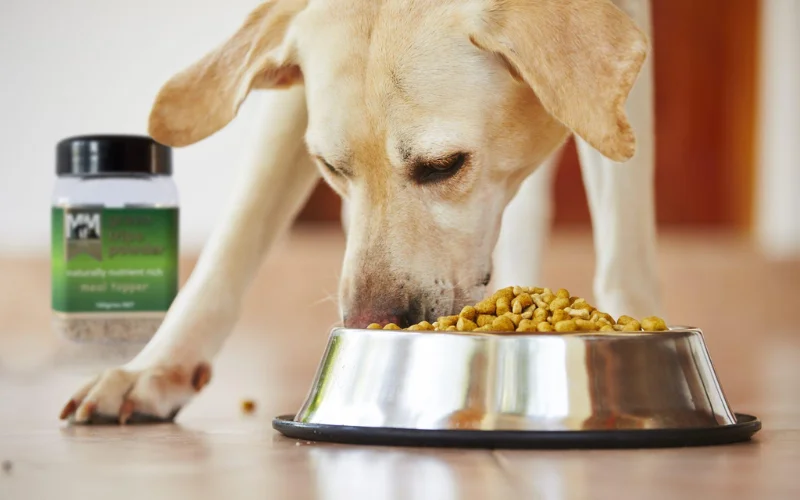
Commercial dog food is convenient for many pet owners but may not always be the best choice for dogs with allergies. Some ingredients commonly found in commercial dog food can be major allergens for our furry friends.
One common allergen in commercial dog food is grains. Wheat, corn, and soy are often used as fillers in dog food, but they can cause allergic reactions in some dogs. These grains are not a natural part of a dog’s diet, and their bodies may struggle to digest them properly. This can lead to itching, redness, and digestive issues.
Another common allergen is meat by-products. While meat is important to a dog’s diet, by-products can be problematic. By-products are the leftover parts of animals that are not typically consumed by humans, such as organs, bones, and feathers. These by-products can be difficult for dogs to digest and can trigger allergic reactions.
Artificial additives and preservatives are also common allergens in commercial dog food. These chemicals are often added to improve the food’s taste, texture, and shelf life, but they can cause allergies in some dogs. Common additives to watch out for include food colorings, artificial flavors, and chemical preservatives like BHA and BHT.
Lastly, dairy products can also be allergens for dogs. Many commercial dog foods contain milk, cheese, or other dairy ingredients, which can cause allergic reactions in dogs with lactose intolerance or dairy allergies. These allergies can manifest as digestive, skin, or respiratory problems.
If your dog is experiencing allergies, switching to raw dog food may be worth considering. By eliminating common allergens in commercial dog food, you can help alleviate your dog’s symptoms and improve their overall health. Raw dog food is made from natural, unprocessed ingredients, which can be easier for dogs to digest and less likely to trigger allergies.
In conclusion, knowing the common allergens in commercial dog food is important. By understanding these allergens, you can make informed choices about your dog’s diet and potentially alleviate their allergy symptoms. Raw dog food can be a great alternative for dogs with allergies, as it eliminates many common allergens in commercial dog food.
Can raw dog food help with skin allergies?

Skin allergies can be a frustrating and uncomfortable condition for dogs. Itchy, inflamed skin can lead to constant scratching and discomfort. Many dog owners are turning to raw dog food as a potential solution to help alleviate these allergies. But can natural dog food make a difference?
One of the main reasons why raw dog food is believed to help with skin allergies is because it eliminates common allergens found in commercial dog food. Many commercial dog foods contain fillers, artificial additives, and grains, which can trigger allergic reactions in sensitive dogs. By feeding a raw diet, dog owners can eliminate these potential allergens and provide their dogs with a more natural and nutrient-rich diet.
Raw dog food is also believed to support a healthy immune system, which can help dogs better tolerate allergens. The high-quality proteins and fats found in natural dog food can help strengthen the immune system and reduce inflammation, which is often a major contributor to skin allergies.
In addition to eliminating potential allergens and supporting the immune system, raw dog food is also rich in essential fatty acids. These fatty acids, such as omega-3 and omega-6, are known to have anti-inflammatory properties and can help improve the condition of the skin and coat. By providing dogs with a balanced raw diet, dog owners can help promote healthy skin and reduce the severity of allergies.
While raw dog food may not be a cure-all for every dog with skin allergies, many dog owners have reported significant improvements in their dogs’ condition after switching to a raw diet. It is important to consult with a veterinarian before making any major changes to your dog’s diet, as they can provide guidance and ensure that your dog’s nutritional needs are being met.
In conclusion, raw dog food has the potential to help dogs with skin allergies by eliminating potential allergens, supporting the immune system, and providing essential fatty acids. If your dog is struggling with skin allergies, it may be worth considering a switch to a raw diet under the guidance of a veterinarian.
Does raw dog food help with food sensitivities?

Raw dog food has gained popularity recently as a potential solution for dogs with food sensitivities. Many pet owners claim that switching dogs to a raw diet has helped alleviate their allergies and overall health. But does natural dog food live up to the hype?
One of the main reasons raw dog food is believed to help with food sensitivities is because it eliminates common allergens in commercial dog food. Many commercial dog foods contain fillers, artificial additives, and grains, which can trigger allergic reactions in some dogs. On the other hand, raw dog food consists of fresh, whole ingredients such as meat, bones, fruits, and vegetables, which are less likely to cause allergies.
Proponents of raw dog food also argue that raw food’s natural enzymes and probiotics can help improve digestion and boost the immune system. By supporting a healthy gut, raw dog food may reduce the risk of food sensitivities and allergies.
While anecdotal evidence supports the benefits of raw dog food for allergies, scientific research in this area is limited. Some studies have shown that raw diets can benefit dogs with certain health conditions, but more research is needed to determine their effectiveness for food sensitivities specifically.
It’s important to note that raw dog food diets require careful planning and preparation to ensure they provide all the necessary nutrients. Consult a veterinarian or a canine nutritionist before significantly changing your dog’s diet.
In conclusion, while raw dog food may potentially help dogs with food sensitivities, more research is needed to understand its benefits fully. If you’re considering switching your dog to a raw diet, it’s best to consult with a professional to ensure it is the right choice for your furry friend.
Is raw dog food suitable for all dogs with allergies?
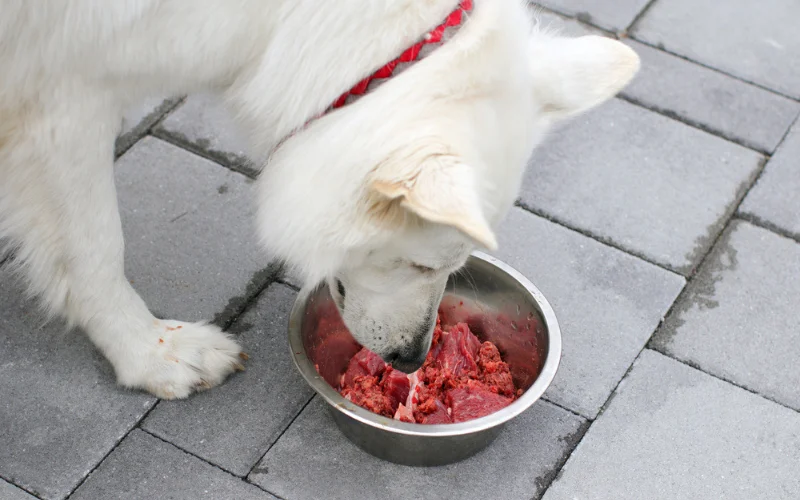
Raw dog food has recently gained popularity as a potential solution for dogs with allergies. Many pet owners have reported positive results, but is natural dog food suitable for all dogs with allergies?
When it comes to allergies, every dog is different. Some dogs may be allergic to ingredients commonly found in commercial dog food, such as grains or fillers. On the other hand, raw dog food consists of fresh, unprocessed ingredients free from artificial additives and preservatives. This can benefit dogs with allergies, as it eliminates potential triggers.
One of the main advantages of raw dog food for dogs with allergies is that it is hypoallergenic. It is free from common allergens, such as grains, which can cause some dogs’ digestive and skin problems. Feeding your dog a raw diet can help alleviate their allergy symptoms and improve their overall health.
Furthermore, raw dog food is rich in nutrients and enzymes that can boost your dog’s immune system. This can help strengthen their body’s natural defenses against allergens, reducing the severity of their allergic reactions. Additionally, the high moisture content in raw dog food can improve your dog’s digestion and promote a healthy coat and skin.
However, it is important to note that raw dog food may not suit all dogs with allergies. Some dogs may have specific dietary restrictions or medical conditions that require a different approach. It is always best to consult a veterinarian before changing your dog’s diet.
In conclusion, while raw dog food can benefit many dogs with allergies, it may not suit all. It is important to consider your dog’s needs and consult a professional to determine their best diet.
What are the potential risks of feeding raw dog food?

Feeding raw dog food has gained popularity recently as pet owners seek alternative diets for their furry friends. While this approach has potential benefits, it is essential to know the risks involved.
One of the primary concerns with raw dog food is the risk of bacterial contamination. Uncooked meat can carry harmful bacteria such as Salmonella or E. coli, posing a significant health risk to dogs and humans. Even if the dog shows no symptoms, they can still shed these bacteria in their feces, increasing the risk of transmission.
Another potential risk is an imbalance of nutrients. Raw dog food diets often lack the nutrients for a dog’s overall health. Dogs may suffer from deficiencies in vitamins, minerals, and other vital nutrients without proper supplementation. This can lead to various health issues, including weakened immune systems, poor coat quality, and even growth problems in puppies.
Feeding raw bones is another common practice among natural dog food enthusiasts. While bones can provide dental benefits and mental stimulation, they also carry the risk of choking, tooth fractures, or gastrointestinal blockages. It is crucial to choose appropriate bones and monitor your dog closely while they are chewing.
Lastly, transitioning to a raw dog food diet can be challenging for some dogs. Sudden dietary changes can cause digestive upset, including diarrhea or vomiting. It is recommended to transition gradually, mixing raw food with their regular diet to allow their digestive system to adjust.
In conclusion, while raw dog food diets may offer some benefits, it is essential to understand the potential risks involved. Bacterial contamination, nutrient imbalances, bone hazards, and digestive issues are all factors to consider before switching. Consulting with a veterinarian is crucial to ensure your dog’s nutritional needs are met and any potential risks are minimized.
Are there any precautions to take when feeding raw dog food?
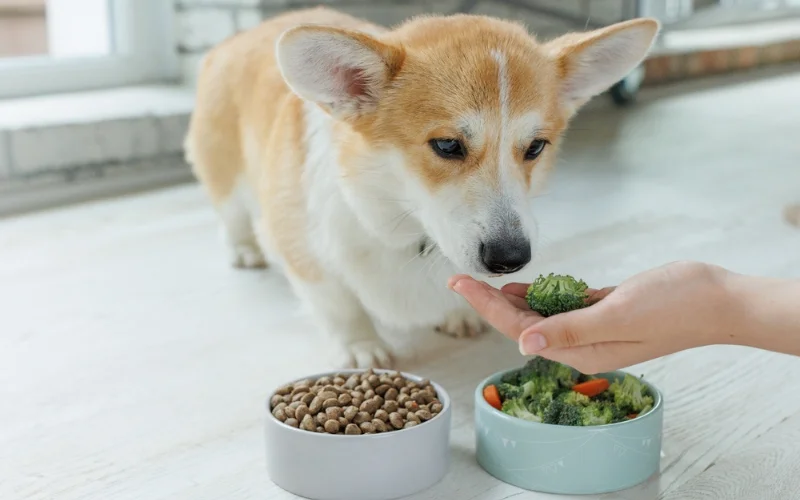
Feeding raw dog food has become increasingly popular among pet owners, especially for dogs with allergies. However, it is important to take certain precautions to ensure the health and safety of your furry friend. Here are some key points to keep in mind:
1. Consult with a veterinarian: Before switching your dog to a raw food diet, it is crucial to consult with a veterinarian. They can assess your dog’s needs and guide you on the best approach.
2. Balance and variety: Dogs need a balanced diet to thrive like humans. Ensure that your dog’s raw food diet includes a variety of proteins, fruits, vegetables, and supplements to provide all the necessary nutrients. This will help prevent any nutritional deficiencies.
3. Quality of ingredients: The ingredients used in raw dog food are paramount. Look for reputable brands that use high-quality, human-grade ingredients. Avoid products that contain fillers, artificial additives, or preservatives.
4. Safe handling and storage: Raw food can carry bacteria such as Salmonella or E. coli, harming both dogs and humans. Follow proper hygiene practices when handling raw dog food, including washing hands and utensils thoroughly. Store the food properly to prevent contamination.
5. Transition gradually: If you switch your dog to a raw food diet, do it slowly. Start by introducing small amounts of raw food mixed with their regular diet, gradually increasing the proportion over time. This will help your dog’s digestive system adjust to the new diet.
Following these precautions, you can safely feed your dog a raw food diet and potentially alleviate their allergies. However, monitoring your dog’s health and consulting with a veterinarian regularly is essential to meet its nutritional needs.
Remember, every dog is unique, and what works for one may not work for another. Pay attention to your dog’s individual needs and make adjustments as necessary.
We started by exploring the benefits of feeding raw dog food. This diet can help alleviate allergies by eliminating common allergens in commercial dog food. By providing a more natural and balanced diet, raw dog food can support a healthy immune system and reduce the risk of allergic reactions.
We also discussed the common allergens in commercial dog food, including grains, artificial additives, and fillers. These ingredients can trigger allergies in sensitive dogs, making raw dog food a suitable alternative.
Furthermore, we explored whether raw dog food can help with skin allergies. The answer is yes, as natural dog food is rich in essential fatty acids and nutrients that promote healthy skin and coat. By eliminating potential allergens and providing a nutrient-dense diet, raw dog food can help alleviate skin allergies.
We also addressed whether raw dog food helps with food sensitivities. While it may not eliminate all food sensitivities, natural dog food can help reduce the risk of triggering allergic reactions and provide a more easily digestible option for dogs.
It is important to note that raw dog food may not suit all dogs with allergies. It is recommended to consult with a veterinarian before making any dietary changes for your dog. Additionally, there are potential risks associated with feeding raw dog food, such as bacterial contamination, so proper handling and hygiene practices are essential.
Feeding raw dog food is growing as more pet owners recognize its benefits. However, it is important to stay informed about any future developments or trends that may impact the use of raw dog food for dogs with allergies.
Conclusion
In conclusion, raw dog food can be a beneficial option for dogs with allergies. Throughout this post, we have discussed various aspects of how raw dog food helps dogs with allergies.