

Have a Dog with Allergies? Try Lamb Dog Food!
At Acabonac Pet, we are passionate about creating high-quality dog food tailored to meet every pup’s needs. We offer lamb dog food – a single-source protein option for dogs reacting to poultry or beef. Our lamb is sourced from trusted farms and blended with fresh vegetables, fruit, seeds, and minerals, making it the perfect choice for pups with sensitivities.
Learn more about lamb dog food and why it might be the perfect fit for your furry friend.
Dogs and Allergies: Helping Your Furry Friend
There are many reasons why your pup may be experiencing allergies. A food allergy occurs when the body’s immune system rejects certain ingredients, and an environmental allergy can be caused by airborne particles such as dust mites or pollen.
Not sure if your pup is experiencing allergies? Symptoms can range from itchy skin and hot spots to ear infections and gastrointestinal issues. If you suspect your dog may have an allergy, the best thing to do is consult a veterinarian for a proper diagnosis.
The potential reasons your dog can struggle with allergies include the following:
1. An allergy to a specific ingredient in their food, such as beef or poultry
Studies have shown that some dogs may be more sensitive to specific proteins than others. Food containing a single protein source may be beneficial for pups with allergies. By switching out their regular food for lamb dog food, you can provide them with all the nutrition they need in a single source of protein.
2. An allergy to an environmental allergen
Environmental allergens such as pollen, dust mites, and mold spores can trigger allergies in some pups. If severe cases, your dog will likely need additional help in the form of allergy shots or medications. Sometimes, simply switching up their diet may help reduce the severity of their allergies.
3. Genetic predisposition
Some breeds of dogs are more prone to allergies due to their genetics. For example, some species have been bred with flat faces, reducing the amount of filtering they can do with the air they breathe.
So what can you do to bring your dog relief from their allergies? A first step may be to switch up their diet and try a new food option offering a single-source protein.
Lamb Dog Food: A Perfect Fit
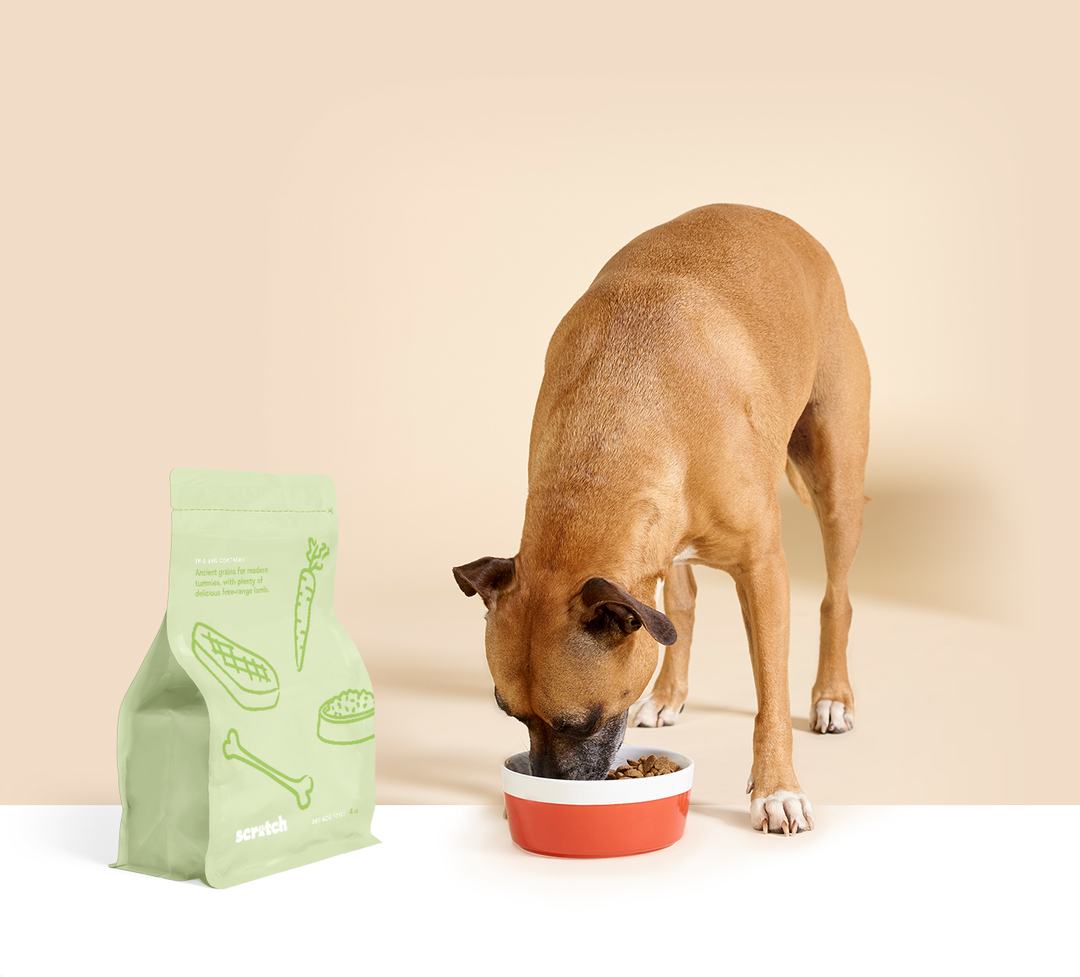
Lamb dog food is a nutritious and delicious option for your canine companion. It is made from high-quality lamb meat, a lean protein source that can help support your dog’s muscle growth and maintenance. Additionally, lamb is rich in essential vitamins and minerals, such as iron, zinc, and vitamin B12, which are important for your dog’s overall health and well-being.
One of the reasons why lamb dog food has become a popular choice among pet owners is its hypoallergenic properties. Many dogs suffer from food allergies or sensitivities, and lamb is often recommended as a novel protein source that is less likely to cause adverse reactions. This makes lamb dog food a great option for dogs with sensitive stomachs or skin issues.
Furthermore, lamb dog food is known for its palatability. Dogs are naturally predatory animals, and the taste of lamb is often irresistible. By feeding your dog lamb dog food, you can ensure they enjoy every meal and look forward to their next feeding time.
In conclusion, lamb dog food offers a nutritious and delicious option for your canine companion. With its high-quality protein, essential vitamins and minerals, hypoallergenic properties, and palatability, it is no wonder why more and more pet owners are choosing lamb dog food for their furry friends. So why not try it and see how it can affect your dog’s health and happiness?
What Are the Benefits of Lamb Dog Food?
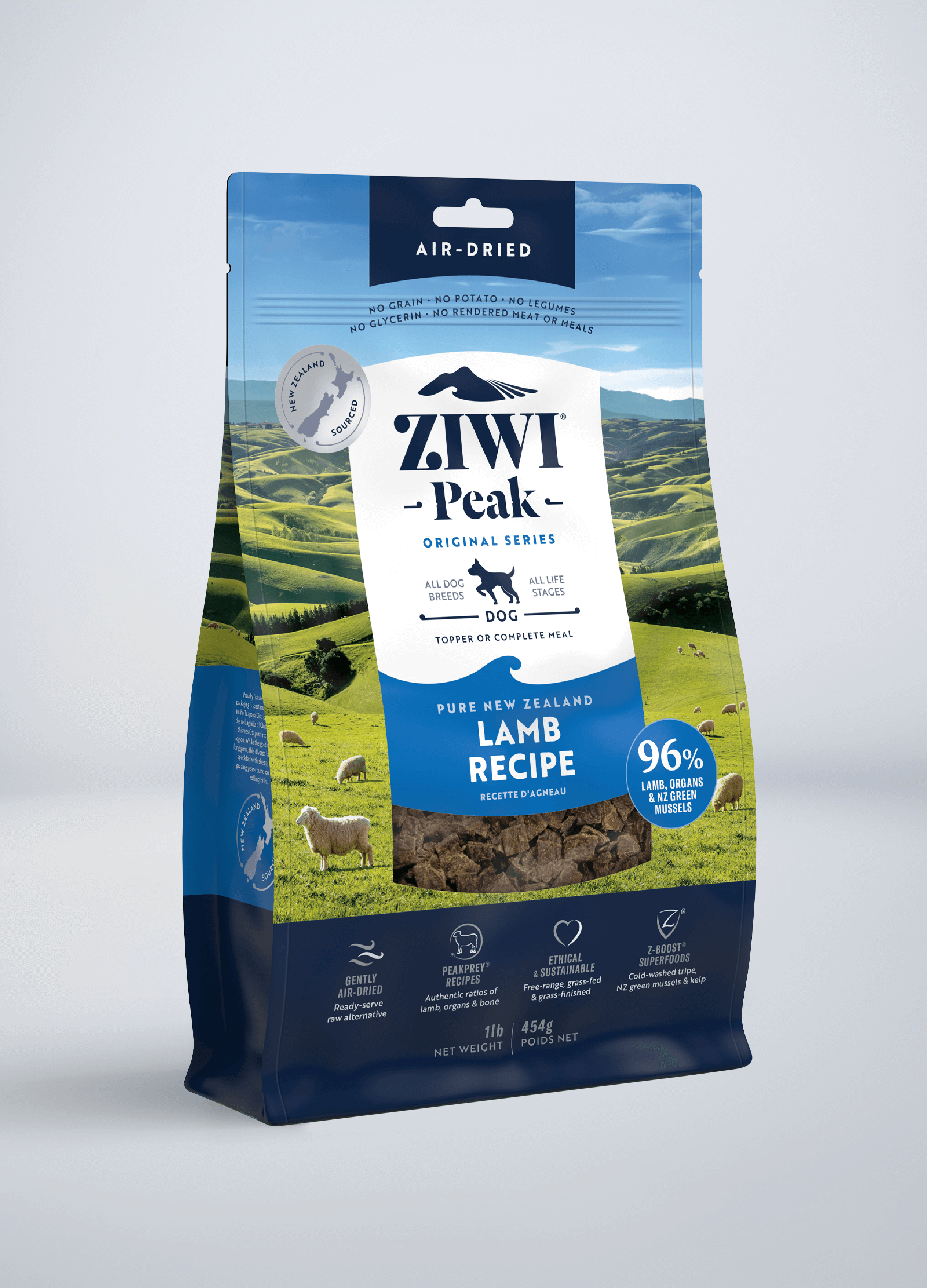
Lamb dog food has gained popularity among pet owners in recent years due to its numerous benefits for dogs. Not only is lamb a delicious protein source, but it also offers several advantages for your furry friend’s health and well-being.
One of the primary benefits of lamb dog food is its high nutritional value. Lamb is a lean meat rich in essential amino acids, vitamins, and minerals. It provides dogs the necessary nutrients to support their overall health and vitality. Additionally, lamb is easily digestible, making it an excellent choice for dogs with sensitive stomachs or food allergies.
Another advantage of lamb dog food is its potential to alleviate certain health issues. Some dogs may have allergies or sensitivities to proteins like chicken or beef. Lamb provides a hypoallergenic alternative that can help manage these conditions. Furthermore, lamb is known for its anti-inflammatory properties, which can benefit dogs with joint or skin issues.
Lamb dog food can also contribute to a healthy coat and skin. The omega-3 fatty acids found in lamb help nourish the skin and promote a shiny, lustrous coat. Additionally, lamb is a natural source of zinc, which plays a crucial role in maintaining healthy skin and preventing skin irritations or infections.
Moreover, lamb dog food can support your dog’s immune system. It contains essential vitamins and minerals, such as vitamin E and selenium, which help strengthen the immune system and protect against diseases and infections.
In conclusion, lamb dog food offers numerous benefits for your canine companion. Its high nutritional value, hypoallergenic properties, and positive impact on coat and skin health make it an excellent choice for pet owners. Consider incorporating lamb dog food into your dog’s diet to ensure their overall well-being and happiness.
Is Lamb Dog Food Suitable for All Dogs?
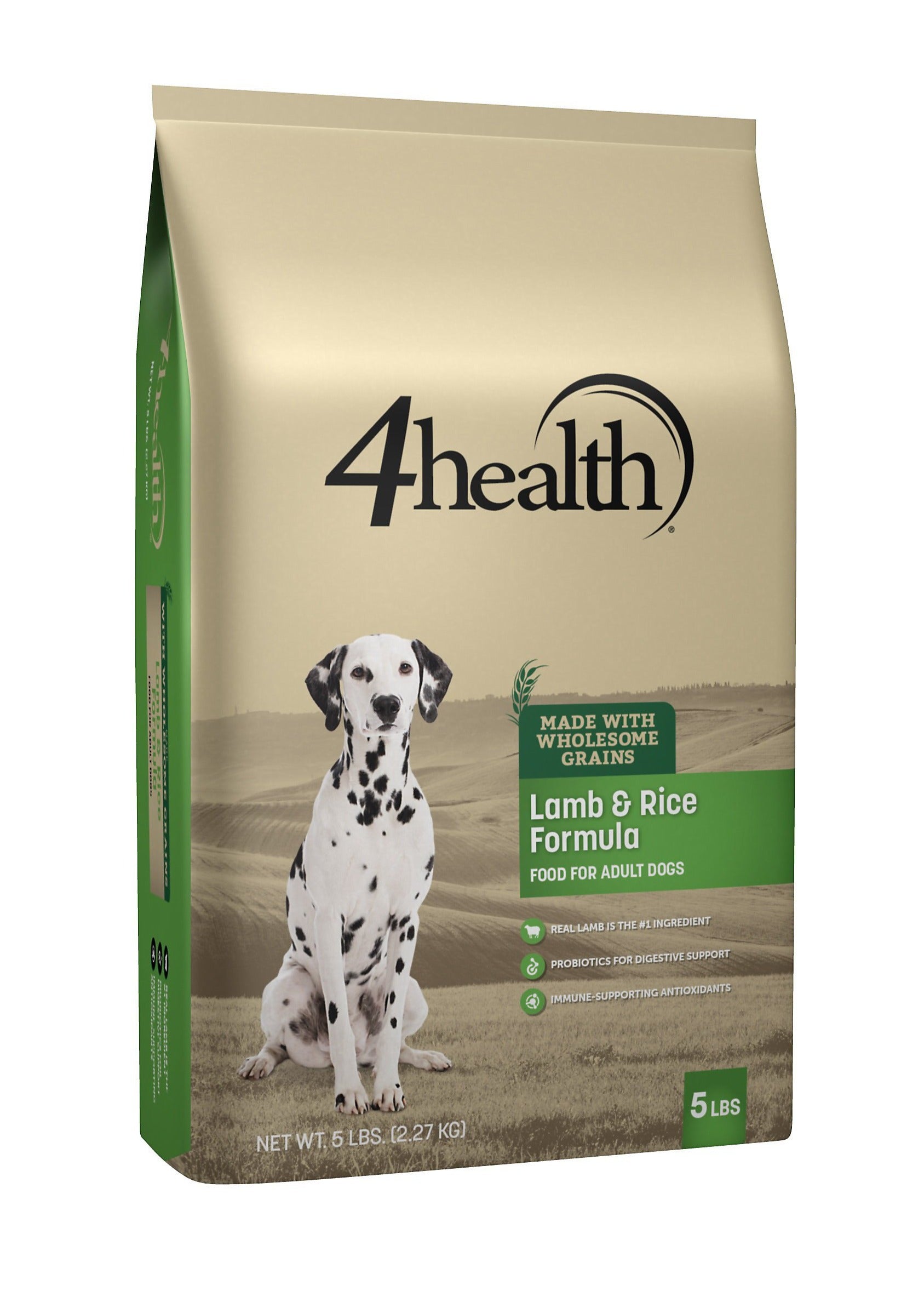
When it comes to choosing the right food for our furry friends, so many options are available on the market. One popular choice among dog owners is lamb dog food. But is lamb dog food suitable for all dogs? Let’s take a closer look.
Lamb dog food is often recommended for dogs with food sensitivities or allergies. It is a hypoallergenic protein source, which means it is less likely to cause an adverse reaction in dogs with allergies. Lamb is also easily digestible, making it a good option for dogs with sensitive stomachs.
However, it’s important to note that not all dogs will benefit from a lamb-based diet. Some dogs have specific dietary needs that may not be met by lamb dog food alone. For example, dogs with certain health conditions, such as kidney disease or pancreatitis, may require a specialized diet not based on lamb.
Additionally, it’s always a good idea to consult your veterinarian before changing your dog’s diet. They can provide personalized advice based on your dog’s needs and health conditions.
In conclusion, while lamb dog food can be a great option for dogs with allergies or sensitive stomachs, it may not be suitable for all dogs. It’s important to consider your dog’s needs and consult your veterinarian before making any dietary changes. Remember, the health and well-being of your furry friend should always be your top priority.
How Much Lamb Dog Food Should I Feed My Dog?
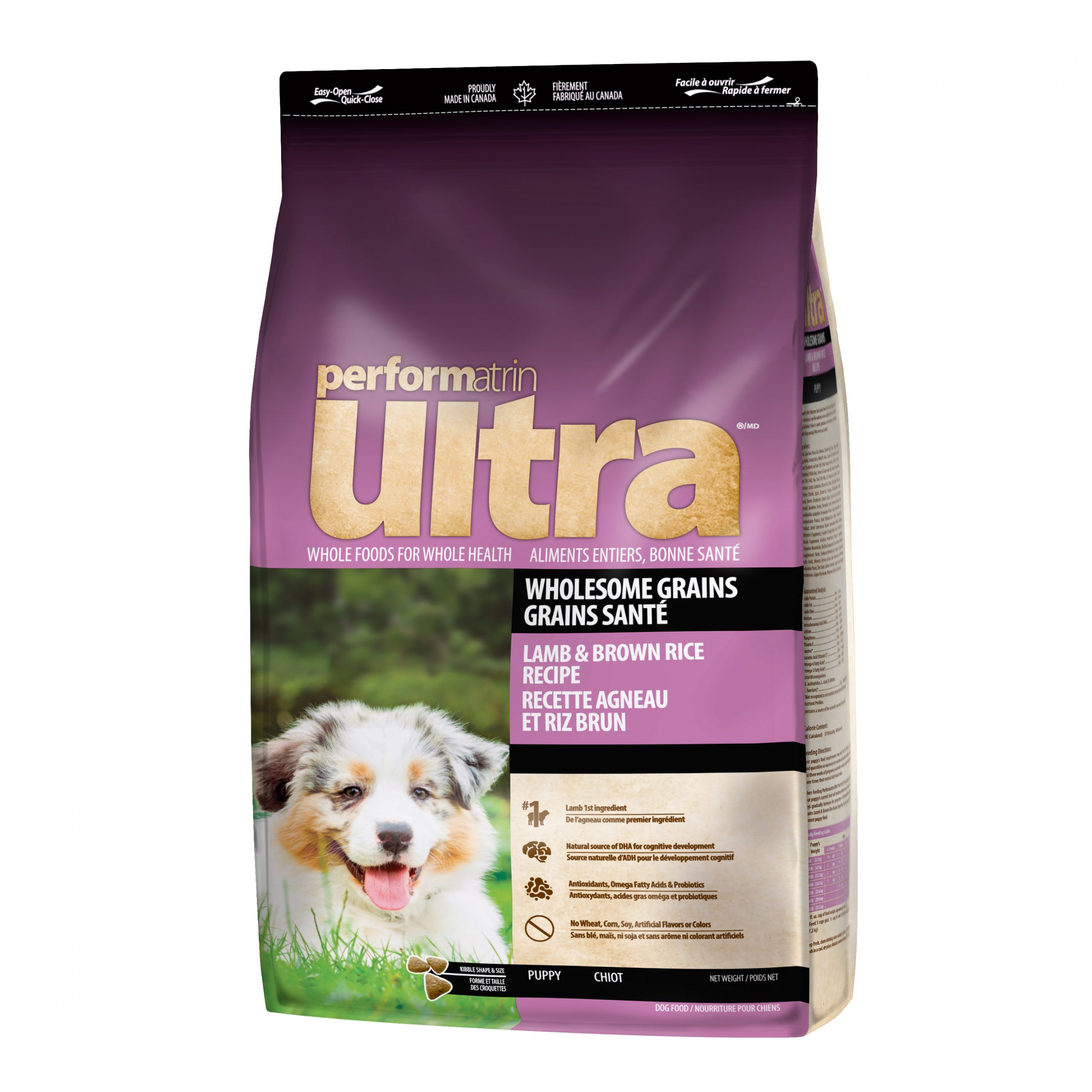
When it comes to feeding your dog, choosing the right food that meets its nutritional needs is important. Lamb dog food is a popular choice for many pet owners, as it offers a high-quality source of protein and essential nutrients. But how much lamb should you be feeding your furry friend? Let’s dive into the details.
The amount of lamb you should feed your dog depends on several factors, including size, age, activity level, and overall health. It’s always best to consult with your veterinarian to determine the appropriate portion size for your specific dog. However, as a general guideline, most dogs should be fed about 1-1.5 cups of lamb dog food daily, divided into two meals.
Puppies and active dogs may require slightly more food, while older or less active dogs may need less. Monitoring your dog’s weight and adjusting their food intake is important. If your dog starts to gain weight, you may need to reduce its portion size, and if they begin to lose weight, you may need to increase it.
In addition to the recommended portion size, it’s crucial to consider the quality of the lamb dog food you’re feeding your dog. Look for a brand that uses high-quality ingredients without fillers or artificial additives. Reading the label and understanding the nutritional information will help you make an informed decision.
Remember, every dog is unique, and their dietary needs may vary. Regularly monitoring your dog’s weight, consulting with your veterinarian, and making adjustments as needed will ensure your furry friend stays healthy and happy.
So, when it comes to feeding your dog lamb dog food, always consider their needs and consult a professional for guidance. Your dog’s well-being is worth the extra effort.
Can Lamb Cause Allergies in Dogs?
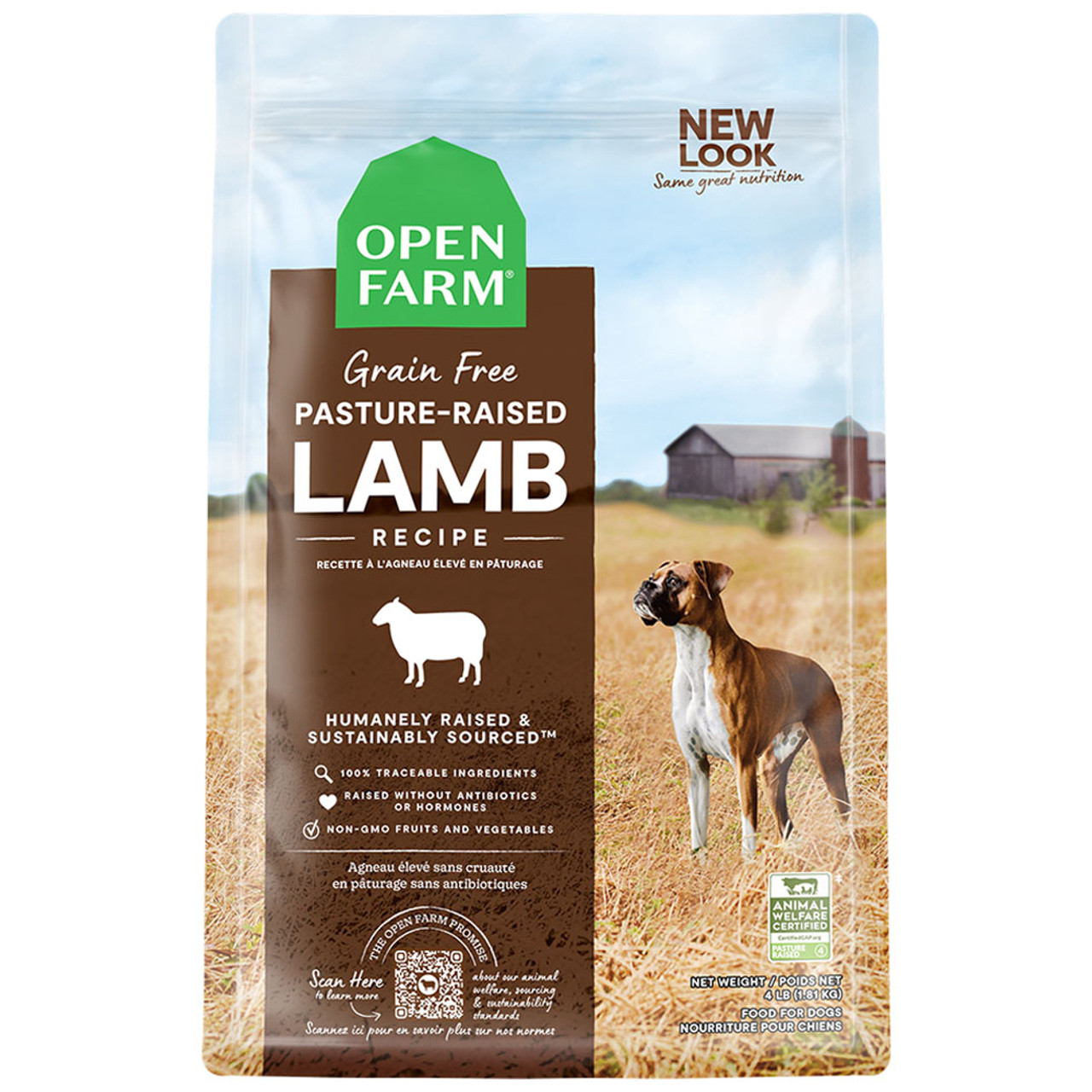
Lamb dog food has become increasingly popular among pet owners in recent years. Many people believe that lamb is a healthier alternative to other meats, such as beef or chicken. However, there is some debate about whether lamb dog food can cause allergies in dogs.
Allergies in dogs are relatively common, and various factors, including food, can cause them. Some dogs may have a specific allergy to lamb, while others may be allergic to other ingredients commonly found in lamb dog food, such as grains or preservatives.
It is important to note that not all dogs will have an allergic reaction to lamb. Just like humans, dogs can have individual sensitivities and allergies. If your dog has never been exposed to lamb before, it is recommended to introduce it gradually into their diet to see if they have any adverse reactions.
If your dog does have an allergic reaction to lamb dog food, there are several symptoms to watch out for. These may include itching, redness or inflammation of the skin, digestive issues, and even respiratory problems. If you suspect your dog is allergic to lamb, it is best to consult a veterinarian for a proper diagnosis and treatment plan.
In conclusion, while lamb dog food can cause allergies in some dogs, it is not guaranteed that all dogs will have an adverse reaction. If you are considering feeding your dog lamb dog food, it is important to monitor them closely for any signs of allergies and consult with a veterinarian if necessary. Remember, every dog is unique, and what works for one may not work for another.
Is it a Good Option for Dogs with Digestive Issues?
When choosing the right food for your furry friend, it’s important to consider their specific needs and any health issues they may have. One common concern for dog owners is digestive issues; finding a suitable diet can be challenging. One option that is often recommended for dogs with digestive problems is lamb dog food.
Lamb is a lean and easily digestible protein source, making it a good option for dogs with sensitive stomachs. It is also rich in essential nutrients, such as vitamins B12 and zinc, which are important for overall health and well-being. Additionally, lamb is hypoallergenic, meaning it is less likely to cause allergic reactions in dogs with food sensitivities.
Another benefit of lamb dog food is that it is often free from common allergens such as wheat, corn, and soy. These ingredients can be difficult for dogs with digestive issues to tolerate, so eliminating them from their diet can help alleviate symptoms such as diarrhea, vomiting, and gas.
In addition to being gentle on the digestive system, lamb dog food is known for its palatability. Many dogs find the taste of lamb delicious, encouraging them to eat and improve their appetite. This is especially important for dogs with digestive issues, as maintaining a healthy weight is crucial for their well-being.
While lamb dog food can be a good option for dogs with digestive issues, it’s important to consult your veterinarian before changing your dog’s diet. They can guide the best action based on your dog’s needs and health condition.
In conclusion, if your dog is experiencing digestive issues, lamb dog food may be a good option. Its easily digestible nature, nutrient-rich profile, and hypoallergenic properties make it a suitable choice for dogs with sensitive stomachs. However, always consult your veterinarian to ensure the best diet for your furry friend.
Is Lamb Dog Food a Complete and Balanced Diet?
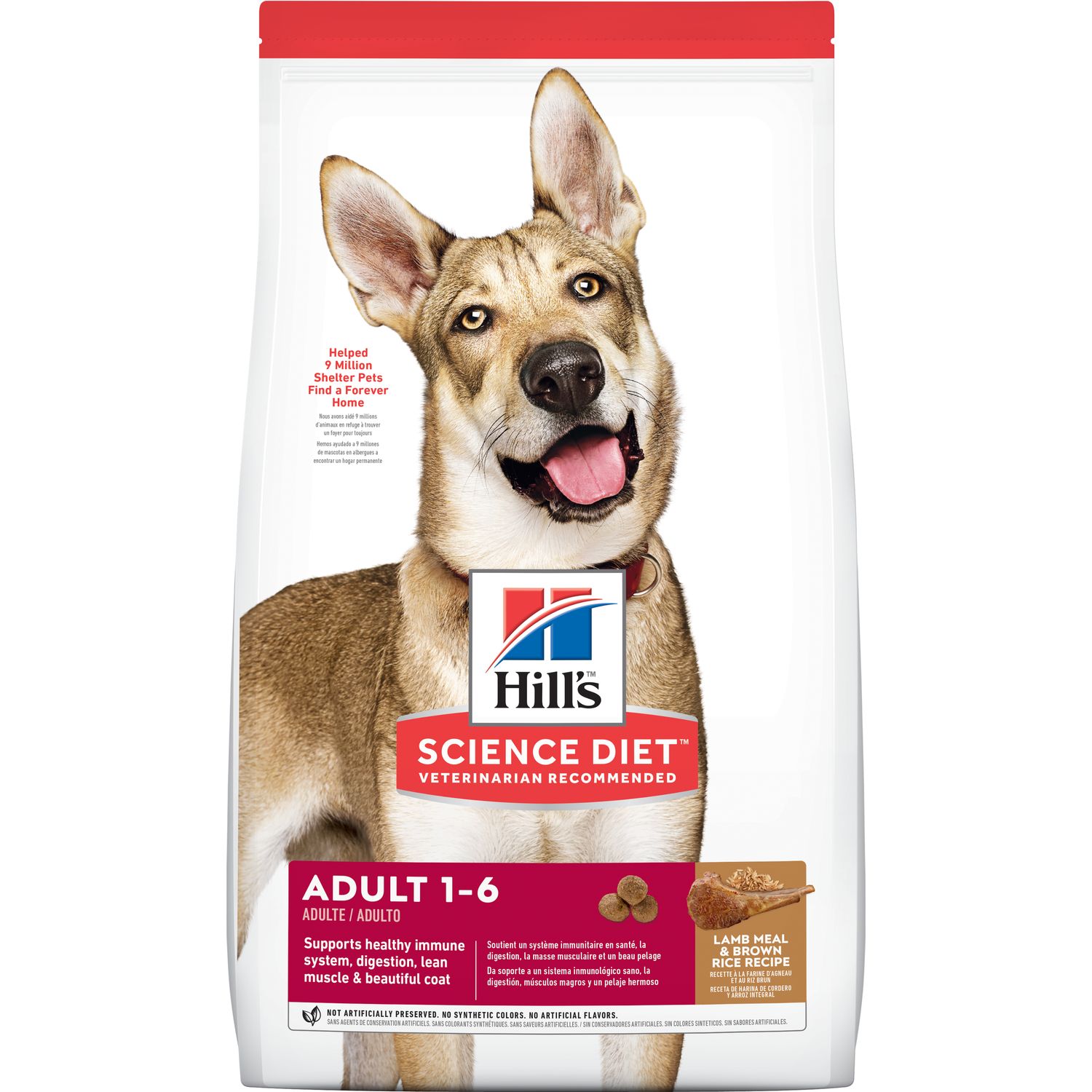
Lamb dog food has become increasingly popular among pet owners in recent years. Many believe feeding their dog lamb-based diets can provide complete and balanced nutrition. But is this the case?
When it comes to a dog’s diet, balance is key. Dogs require a combination of proteins, carbohydrates, fats, vitamins, and minerals to thrive. Lamb dog food can provide some of these essential nutrients, but it may not be enough.
One of the main concerns with lamb dog food is its limited protein source. While lamb is a good source of protein, dogs also require other types of protein for a well-rounded diet. Including other protein sources, such as chicken or fish, can help ensure your dog gets all the necessary amino acids.
Additionally, lamb dog food may lack certain essential vitamins and minerals. It’s important to carefully read the labels and choose a brand that includes a variety of fruits, vegetables, and supplements to provide a complete nutritional profile.
Another consideration is the potential for allergies. Some dogs may have sensitivities or allergies to lamb, leading to digestive issues or skin problems. If your dog has a known allergy, it’s best to consult a veterinarian before introducing lamb dog food into their diet.
In conclusion, while lamb dog food can be a part of a balanced diet, it should not be the sole source of nutrition for your furry friend. It’s important to provide a variety of protein sources and ensure that all essential nutrients are included in their diet. Consulting with a veterinarian can help you determine the best diet plan for your dog’s needs.
Can Lamb Dog Food Help with Skin and Coat Health?
Lamb dog food is popular among pet owners looking to improve their furry friend’s skin and coat health. With its high-quality protein and essential nutrients, lamb dog food offers numerous benefits that can contribute to a shiny and healthy coat and nourished skin.
One of the key reasons why lamb dog food is beneficial for skin and coat health is its rich source of omega-3 fatty acids. These essential fatty acids promote healthy skin by reducing inflammation and improving moisture retention. Additionally, omega-3 fatty acids can help reduce itching and flakiness, common issues for dogs with dry or sensitive skin face.
Furthermore, lamb dog food is often hypoallergenic, making it an excellent choice for dogs with food sensitivities or allergies. Allergies can often manifest as skin issues, such as itching, rashes, and hot spots. By feeding your dog a lamb-based diet, you can eliminate potential allergens commonly found in other types of dog food, which can help alleviate these skin problems.
In addition to omega-3 fatty acids, lamb dog food is rich in vitamins and minerals essential for overall skin and coat health. These nutrients include zinc, biotin, and vitamin E, vital in maintaining healthy skin and promoting a lustrous coat.
While lamb dog food can benefit skin and coat health, it is important to note that individual dogs may have different dietary needs. It is always recommended to consult with a veterinarian before changing your dog’s diet, especially if your dog has pre-existing skin conditions or allergies.
In conclusion, lamb dog food can help improve skin and coat health in dogs. Its high-quality protein, omega-3 fatty acids, and essential nutrients provide numerous benefits that contribute to a shiny and healthy coat and nourished skin. However, it is crucial to consider your dog’s needs and consult a veterinarian for personalized dietary recommendations.
Are There Any Potential Side Effects of Lamb Dog Food?
Lamb dog food has gained popularity among pet owners due to its numerous health benefits. However, it is important to consider whether there are any potential side effects associated with feeding your dog lamb-based meals. In this article, we will explore this topic and provide you with the necessary information to make an informed decision for your furry friend.
One potential side effect of lamb dog food is the risk of food allergies. Some dogs may be allergic to lamb protein, resulting in symptoms such as itching, skin rashes, gastrointestinal upset, and even respiratory distress. If you notice any of these signs after introducing lamb dog food to your pet’s diet, it is recommended to consult with a veterinarian for further evaluation.
Another consideration is the fat content in lamb dog food. While fat is an essential nutrient for dogs, excessive consumption can lead to weight gain and obesity. It is important to carefully monitor your dog’s portion sizes and ensure they receive a balanced diet to maintain a healthy weight.
Additionally, lamb may not be suitable for dogs with certain medical conditions. For example, dogs with pancreatitis or liver disease may require a specialized diet lower in fat and protein. It is crucial to consult with your veterinarian before making any dietary changes for your dog, especially if they have any underlying health issues.
In conclusion, while lamb dog food offers numerous health benefits, knowing the potential side effects is important. Monitoring your dog for any allergic reactions, managing their fat intake, and considering their specific medical needs are essential to ensure their overall well-being. Remember to consult your veterinarian for personalized advice and recommendations tailored to your dog’s needs.
In conclusion, lamb dog food offers a range of benefits for our furry friends. It is suitable for most dogs, providing them with essential nutrients and promoting overall health.
One of the key advantages of lamb dog food is its high protein content. This helps support muscle growth and repair, ensuring our dogs stay strong and active. Additionally, lamb is a great source of vitamins and minerals, including iron, zinc, and vitamin B12, which are all vital for a dog’s well-being.
When feeding your dog lamb dog food, it is important to consider their individual needs. Factors such as age, breed, and activity level should be considered. Consulting with your veterinarian can help determine the appropriate portion size for your dog.
While lamb dog food is generally well-tolerated, it can cause allergies in some dogs. If you notice any signs of an allergic reaction, such as itching, vomiting, or diarrhea, it is best to discontinue use and consult with your vet.
This dog food can be a good option for dogs with digestive issues. It is easily digestible and gentle on the stomach, making it suitable for dogs with sensitive digestive systems.
Furthermore, lamb dog food can contribute to healthy skin and a shiny coat. The omega-3 fatty acids in lamb help nourish the skin, reducing itchiness and promoting a lustrous coat.
It is important to note that while lamb dog food is a nutritious option, it should not be the sole source of your dog’s diet. It is recommended to provide a balanced diet that includes a variety of proteins, carbohydrates, and vegetables.
Looking ahead, lamb food’s popularity is likely to grow as more pet owners recognize its benefits. Manufacturers may also introduce new flavors or formulations to cater to different tastes and dietary requirements.
Thank you for taking the time to read this post. We hope you found it informative and helpful. If you have any questions or would like to share your experiences, please feel free to comment below. Your feedback is valuable to us!
