

The Dangers of Free Feed Your Dog?
Are you free feed your dog? Free feeding means leaving your dog’s food in a bowl, accessible to them for hours at a time, if not all day long. On the contrary, scheduled feeding means feeding your dog at pre-determined times throughout the day, when your dog eats their meal entirely during the feeding time. So, which method is better for your dog?
Free feeding is an extremely popular method of feeding because, well, it’s easier. But what is easier is rarely what is optimal. Free feeding has been a method of choice for busy pet parents because it ensures their pets always have food and never go hungry. Sounds like a good premise, right? In reality, free feeding can become the root of several health, hygiene, and training issues.
As dog owners, we want the best for our furry companions. From providing them with a loving home to ensuring they receive regular exercise, we go above and beyond to keep them happy and healthy. However, one aspect of pet care often overlooked is their feeding routine. Many dog owners opt for free feeding, allowing their pets to graze on food throughout the day. While this may seem convenient, it can pose several dangers to our beloved dogs.
First and foremost, free feeding can lead to obesity in dogs. It becomes difficult to monitor their food intake without a structured feeding schedule. Dogs are natural scavengers and will eat whenever food is available, even if they are not hungry. This can result in overeating and weight gain, harming their overall health. Obesity in dogs can lead to a myriad of health issues, including joint problems, heart disease, and diabetes.
Furthermore, free feeding can make identifying potential health issues in dogs challenging. When food is constantly available, it becomes difficult to notice changes in appetite or eating habits. Dogs may develop a decreased appetite or refuse to eat altogether, which could be an early sign of an underlying health problem. By establishing a feeding schedule, dog owners can easily monitor their pet’s eating habits and promptly address any concerns.
In addition to health risks, free feeding can also impact a dog’s behavior. Without a set mealtime, dogs may become possessive over their food, leading to aggression or resource guarding. This can be particularly problematic in multi-pet households, where food tensions arise. Following a feeding schedule, dog owners can promote a calm and harmonious environment during meal times.
In conclusion, while free feeding may seem convenient, it can seriously affect our dogs’ health and well-being. Establishing a feeding schedule not only helps prevent obesity and identify potential health issues but also promotes positive behavior. Creating a structured feeding routine ensures that our beloved pets live long, healthy, and happy lives.
What Are the Dangers of Free Feeding Dogs?
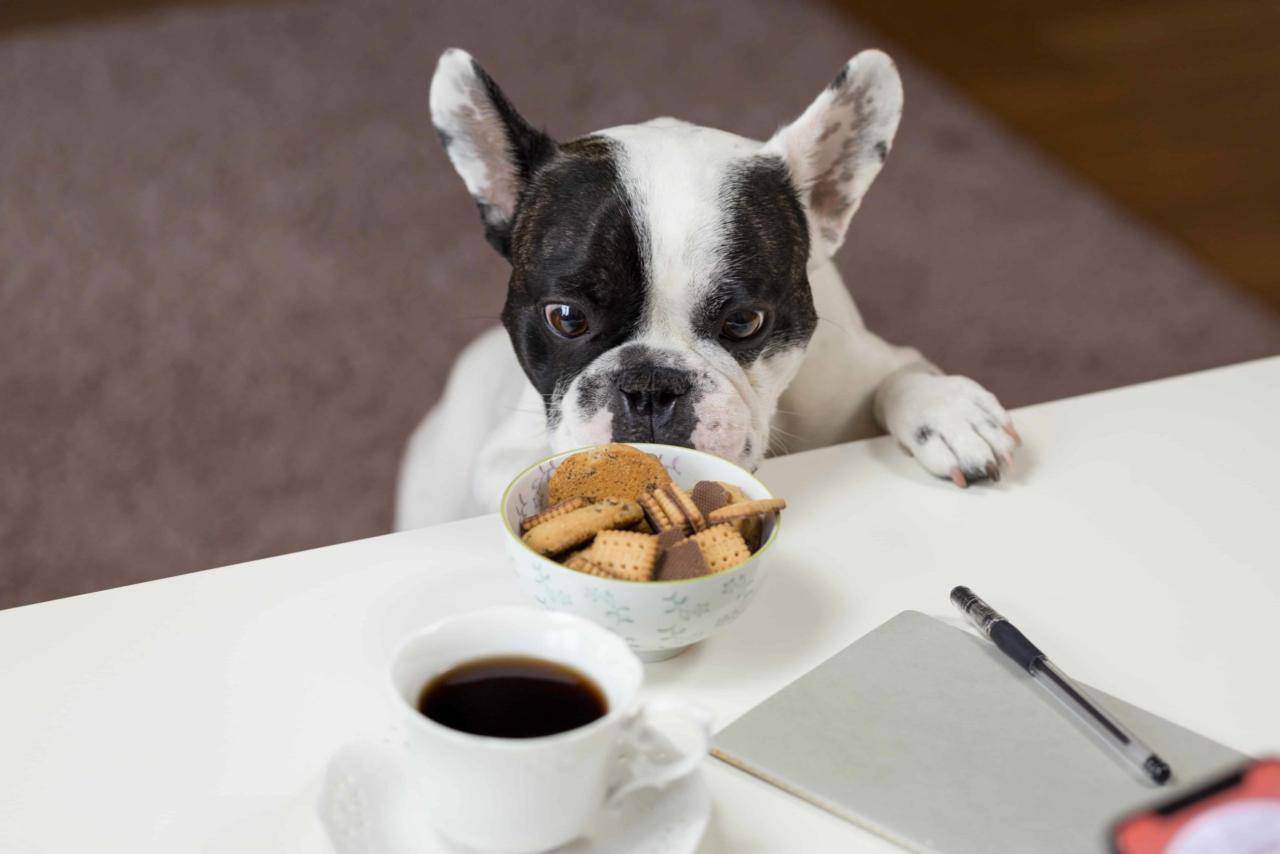
Free feeding, or leaving food available for dogs to eat at their own pace throughout the day, is common among pet owners. While it may seem convenient, there are several dangers associated with this feeding method that every dog owner should be aware of.
One of the main dangers of free-feeding dogs is the potential for overeating and obesity. When food is constantly available, dogs may eat more than they need, leading to weight gain and associated health problems. Obesity in dogs can cause joint issues, heart disease, and a reduced lifespan.
Another danger of free feeding is that it can disrupt a dog’s natural eating patterns. Dogs are instinctively programmed to eat in short bursts and then rest. Allowing them to graze throughout the day disrupts their natural eating rhythm, leading to digestive problems and a lack of appetite during regular meals.
Also, free feeding can make monitoring a dog’s food intake difficult and identify any potential health issues. By setting meal times, owners can easily notice changes in appetite or sudden weight loss, which could indicate an underlying health problem. These signs may go unnoticed with free-feeding until they become more severe.
Furthermore, leaving food out all day can attract pests, such as ants or rodents, into the home. Not only can these pests contaminate the food, but they can also spread diseases to both humans and dogs.
In conclusion, while free feeding may seem convenient, it poses several dangers to dogs’ health and well-being. Dog owners must establish regular meal times and monitor their pet’s food intake to prevent obesity, digestive issues, and potential health problems. Owners can ensure that their dogs lead a healthy and balanced lifestyle by providing structured meals.
How Does Free Feeding Affect a Dog’s Health?
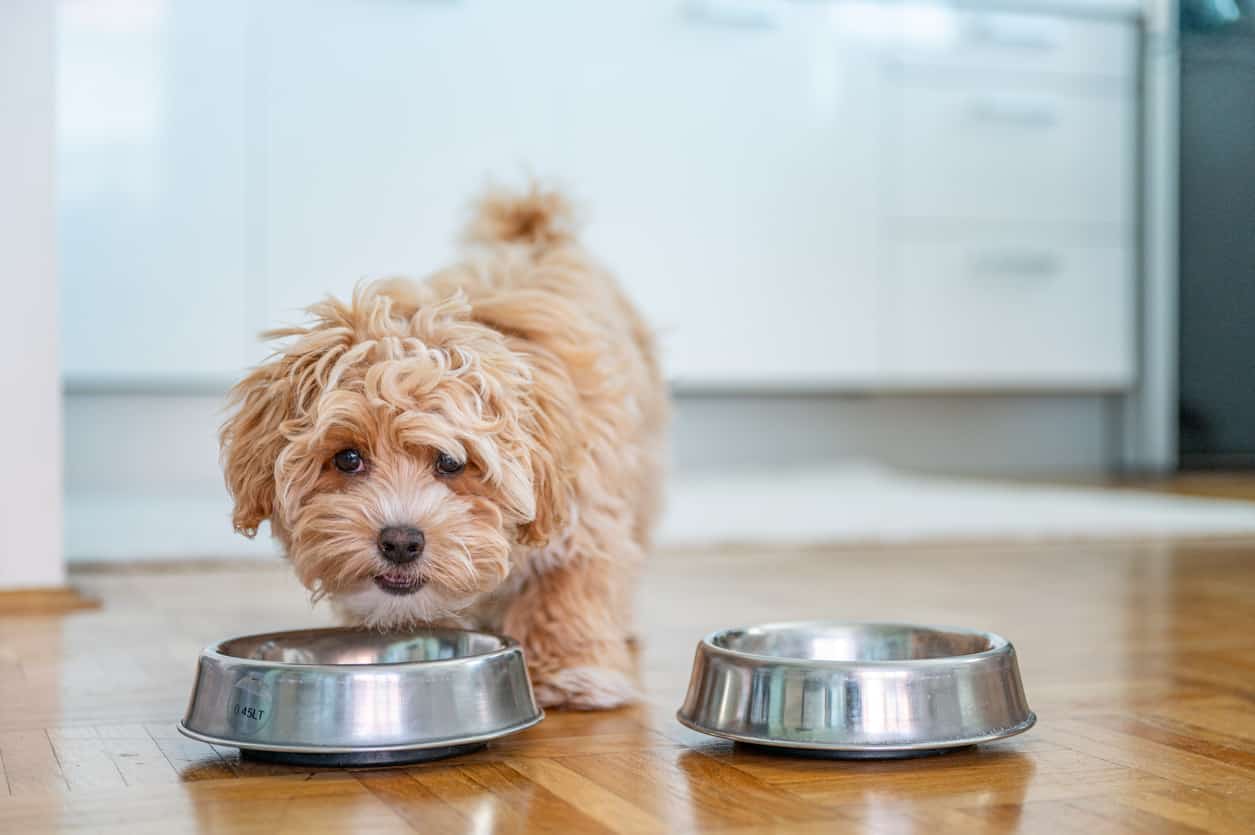
Free feeding, the practice of leaving food out all day for a dog to eat at its leisure, may seem convenient, but it can have serious implications for a dog’s health. Many pet owners opt for this feeding method, believing it provides their furry friends with constant access to food. However, the dangers associated with free feeding should not be overlooked.
One of the primary concerns with free feeding is the potential for obesity. When dogs have unlimited access to food, they are more likely to overeat, leading to weight gain and associated health issues. Obesity in dogs can lead to joint problems, heart disease, diabetes, and a shortened lifespan. Pet owners must control their dog’s food intake to maintain a healthy weight.
Another issue with free feeding is the lack of a regular feeding schedule. Dogs thrive on routine, and having set mealtimes helps regulate their metabolism and digestion. When food is available all day, a dog’s eating patterns become disrupted, leading to digestive problems such as bloating and gastrointestinal discomfort.
Furthermore, free feeding can make it difficult to monitor a dog’s appetite and detect changes in eating habits. Sudden changes in need can be an early indicator of underlying health issues. By feeding dogs on a schedule, pet owners can better track their dog’s eating habits and identify potential health concerns.
In conclusion, free feeding may seem convenient but it can harm a dog’s health. It can lead to obesity, disrupt their eating patterns, and make it challenging to monitor their appetite. Pet owners should prioritize portion control and establish a regular feeding schedule to ensure their dog’s well-being.
Can Free Feeding Lead to Obesity in Dogs?
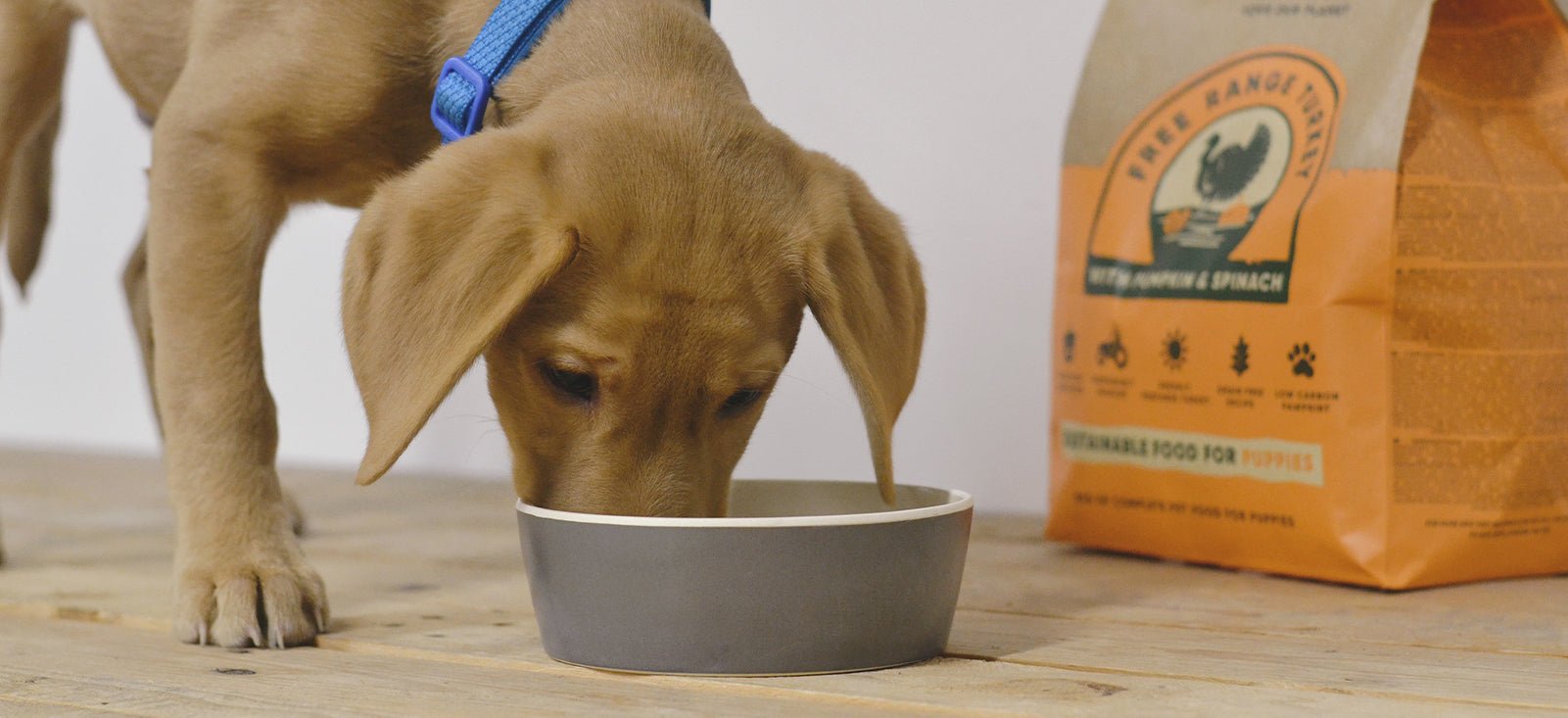
Free feeding, the practice of leaving food out all day for dogs to graze on, has become a common feeding method for many pet owners. While it may seem convenient and flexible, this approach can seriously affect a dog’s health, particularly obesity.
Obesity is a growing concern in the dog population, with studies showing that over 50% of dogs in the United States are overweight or obese. Free feeding plays a significant role in this epidemic. Dogs are more likely to overeat when food is constantly available, leading to excessive calorie intake and weight gain.
One of the main issues with free feeding is that it disrupts a dog’s natural feeding behavior. Dogs are instinctual eaters, and their bodies are designed to eat at specific times throughout the day. Allowing them to graze freely disrupts this natural rhythm and can reduce their metabolism.
Also, free feeding can make monitoring a dog’s food intake difficult. Without portion control, it is easy for dogs to consume more calories than they need, leading to weight gain over time. This can have serious health implications, including an increased risk of diabetes, heart disease, and joint problems.
It’s important to note that not all dogs are at equal risk for obesity. Certain breeds, such as Labradors and Beagles, are genetically predisposed to overeating and weight gain. Free feeding can be especially dangerous for these breeds and should be avoided.
In conclusion, free feeding can indeed lead to obesity in dogs. It disrupts their natural feeding behavior, promotes overeating, and makes it difficult to monitor their food intake. To ensure the health and well-being of our furry friends, it is important to establish a regular feeding schedule and provide appropriate portion sizes.
What Are the Behavioral Issues Associated with Free Feeding?
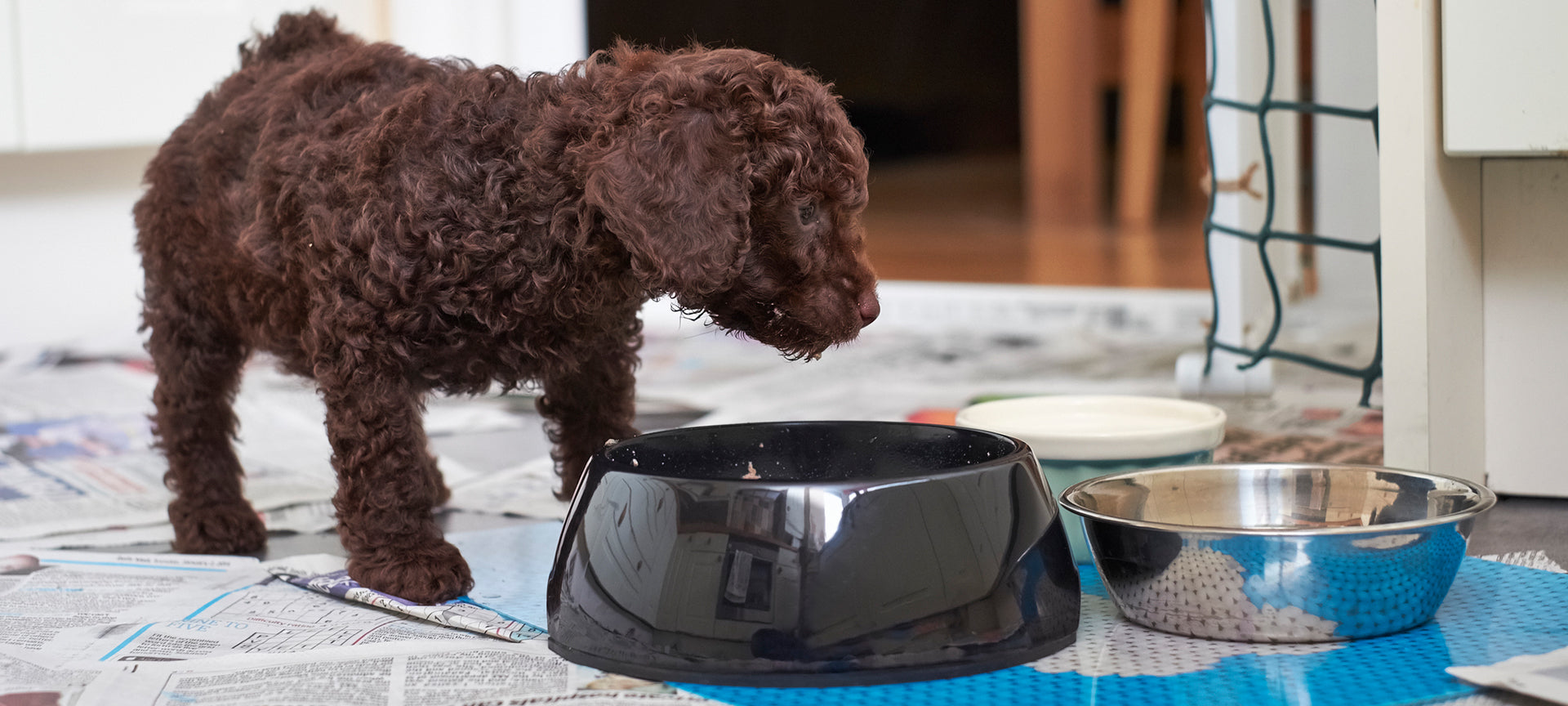
Feeding our furry friends is essential to their care, but have you ever considered the behavioral issues that can arise from free-feeding dogs? Free feeding refers to leaving food out all day for dogs to eat at their own pace rather than following a structured feeding schedule. While it may seem convenient, this practice can lead to various behavioral problems in our canine companions.
One of the primary concerns with free feeding is the potential for obesity. When food is constantly available, dogs may overeat and consume more calories than they need. This can quickly lead to weight gain and obesity, which can have serious health consequences for our furry friends. Obesity in dogs is associated with a higher risk of joint problems, heart disease, and diabetes.
In addition to weight gain, free feeding can contribute to resource-guarding behavior. When dogs have unlimited access to food, they may become possessive and protective of their food bowl. This can lead to aggression towards other animals or humans approaching their food. Resource guarding can create a tense and potentially dangerous environment in the home.
Furthermore, free feeding can disrupt the natural feeding instincts of dogs. Dogs are instinctively scavengers, and having food available all the time goes against their natural behavior. This can result in a loss of appetite and a decreased interest in food. It can also make training dogs using food rewards more challenging, as they may not be as motivated to work for food when it is readily available.
In conclusion, free-feeding dogs can lead to various behavioral issues, including obesity, resource guarding, and losing appetite. Establishing a structured feeding schedule is important to promote a healthy and balanced diet for our furry friends. By providing regular meals and monitoring their food intake, we can help prevent these behavioral problems and ensure the overall well-being of our beloved pets.
Does Free Feeding Impact a Dog’s Training?
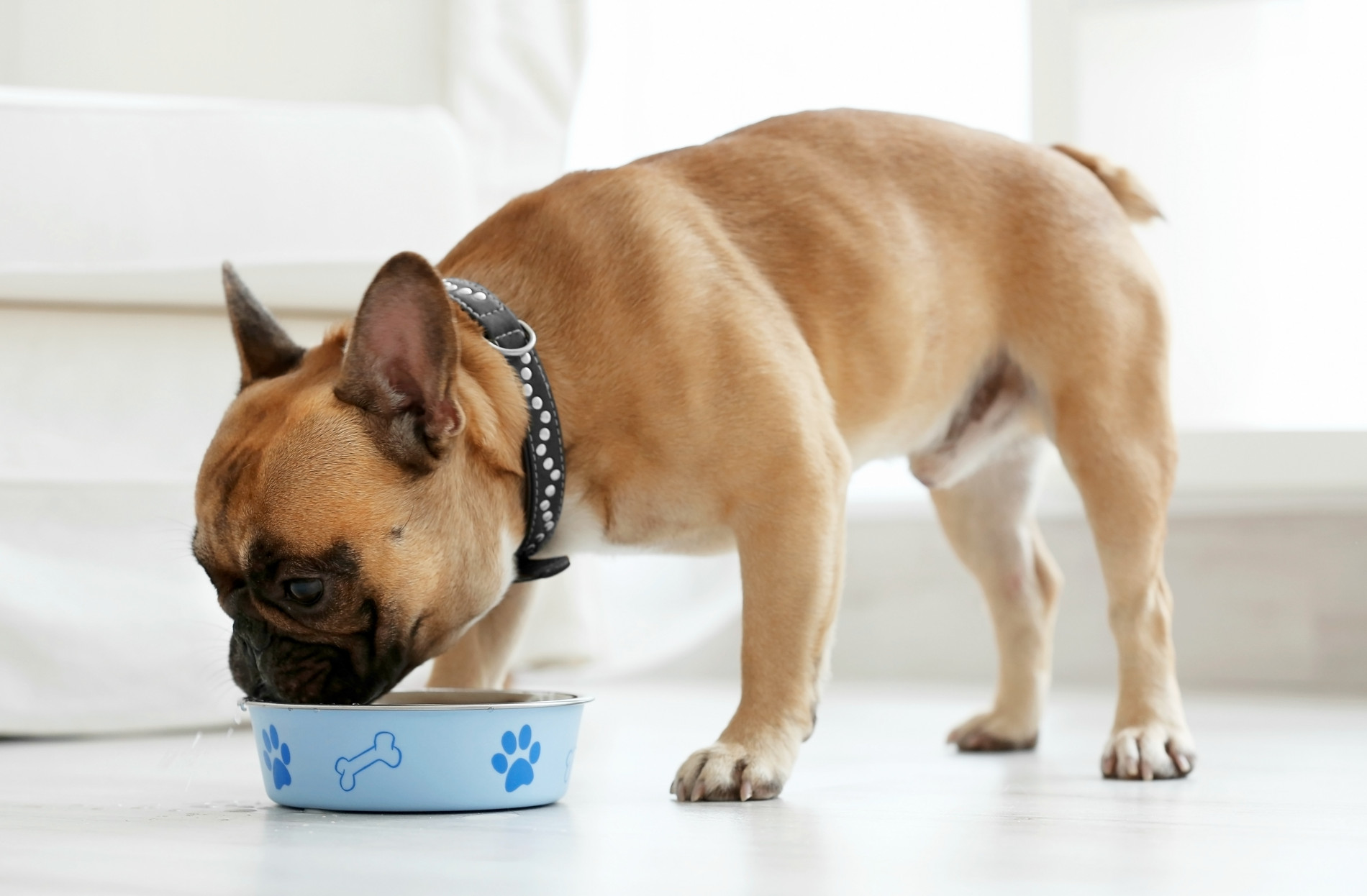
Free feeding, the practice of leaving food available to dogs at all times, has become a common approach for many pet owners. However, the impact of free feeding on a dog’s training is a topic of great concern among experts in the field. Understanding the potential dangers associated with this feeding method is crucial for responsible dog owners.
One of the primary concerns with free feeding is the lack of structure it provides. Dogs thrive on routine and consistency; feeding them on a schedule helps establish order and discipline. With free feeding, dogs can become less responsive to commands and training cues, as they are not motivated by hunger or the anticipation of mealtime.
Moreover, free feeding can lead to overeating and obesity in dogs. When food is constantly available, dogs may develop unhealthy eating habits and consume more calories than they need. This can result in weight gain, affecting their overall health and hindering their training progress. Overweight dogs may struggle with physical activities and have difficulty focusing during training sessions.
In addition, free feeding can make monitoring a dog’s dietary intake challenging. Owners can ensure their dogs receive the appropriate nutrients and maintain a healthy weight by controlling portion sizes and feeding times. Without this control, it becomes difficult to identify any potential dietary issues or allergies affecting the dog’s well-being.
In conclusion, free feeding can significantly impact a dog’s training. The lack of structure, potential for overeating, and difficulty monitoring their diet all contribute to the challenges dogs and owners face. To ensure successful training and overall well-being, it is recommended to establish a regular feeding schedule and provide controlled portions for your furry friend.
Are There Any Dental Problems Related to Free Feeding?
Free feeding, the practice of leaving food out all day for dogs to eat at their leisure, has become a popular choice for many pet owners. While it may seem convenient and stress-free, several dangers are associated with this feeding method, particularly regarding the dental health of our furry friends.
One of the main dental problems that can arise from free feeding is tooth decay. When dogs have constant access to food, especially if it is high in sugar or carbohydrates, it can lead to the buildup of plaque and tartar on their teeth. Over time, this can result in tooth decay and gum disease, causing pain and discomfort for our beloved pets.
Another issue that can arise is the development of bad breath. Bacteria can thrive in the mouth when food is constantly available, leading to a foul odor. This can be unpleasant for the dog and its owners and may indicate underlying dental problems that must be addressed.
Additionally, free feeding can contribute to obesity in dogs. When food is readily available, dogs may eat more than they need, leading to weight gain and associated health issues. Extra weight puts added pressure on the teeth and gums, increasing the risk of dental problems.
To ensure the dental health of our dogs, it is recommended to establish a regular feeding schedule. This allows for better control over the amount and type of food they consume, reducing the risk of dental issues. Regular brushing their teeth and using dog-friendly toothpaste can also help maintain oral hygiene.
In conclusion, while free feeding may seem convenient, it can harm our dogs’ dental health. Establishing a regular feeding schedule and practicing good oral hygiene can help prevent tooth decay, bad breath, and obesity in our furry companions.
Free Feed Your Dog: Can Free Feeding Cause Digestive Issues in Dogs?
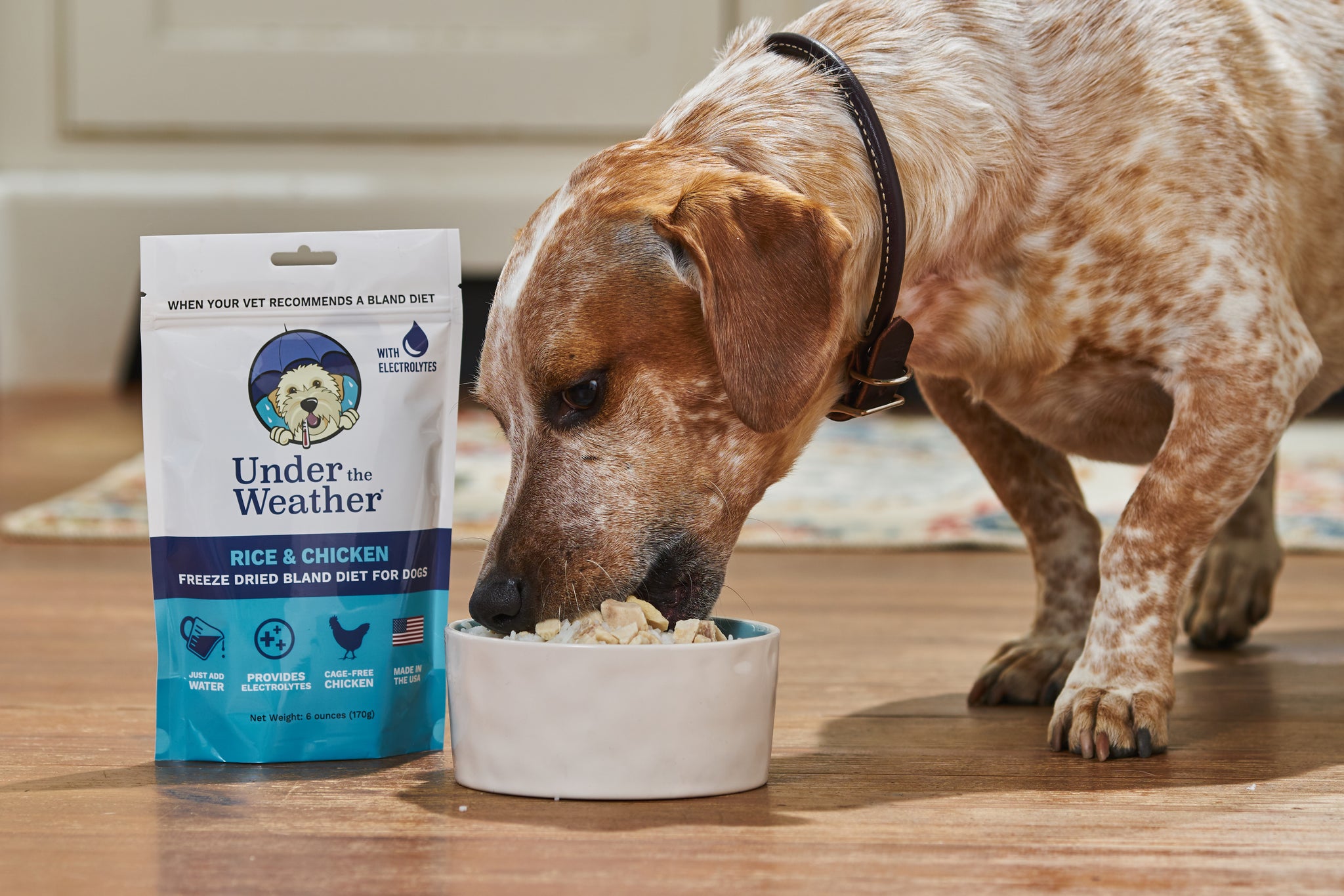
Free feeding, the practice of leaving food out all day for dogs to graze on, has become a common way of feeding pets. While it may seem convenient, there are potential dangers associated with this feeding method, particularly when it comes to the digestive health of our furry friends.
One of the main concerns with free feeding is that it can lead to overeating. Dogs are natural scavengers and may not have the self-control to regulate their food intake. This can result in obesity, a major risk factor for various health problems, including digestive issues.
When dogs have constant access to food, they may also develop a habit of eating too quickly. This can lead to gulping down large amounts of food, causing them to swallow air and potentially leading to bloating or gastric dilatation-volvulus (GDV), a life-threatening condition. Additionally, rapid eating can result in poor digestion and absorption of nutrients, leading to malnutrition over time.
Another concern is that free feeding can make it difficult to monitor a dog’s appetite and detect any changes in its eating habits. This can make it challenging to identify early signs of digestive issues such as diarrhea, vomiting, or changes in stool consistency. By the time these symptoms become noticeable, the problem may have already progressed.
To ensure the digestive health of our dogs, it is important to establish a regular feeding schedule. This allows for better portion control and helps prevent overeating. Additionally, feeding at specific times can help regulate a dog’s metabolism and promote healthy digestion.
In conclusion, while free feeding may seem convenient, it can harm a dog’s digestive health. By establishing a structured feeding routine, pet owners can better monitor their dog’s food intake, prevent overeating, and detect potential digestive issues early on.
Free Feed Your Dog: Is Free Feeding Suitable for All Dog Breeds?
Free feeding, the practice of leaving food out for dogs to eat at their own pace throughout the day, is a topic that sparks much debate among dog owners. While it may seem convenient and hassle-free, it is important to consider whether this feeding method suits all dog breeds.
One of the main concerns with free feeding is the potential for overeating and obesity in dogs. Some breeds are more prone to weight gain; leaving food out all day can lead to excessive consumption. This can harm their overall health, including an increased risk of diabetes, joint problems, and heart disease.
Another issue is that free feeding can disrupt a dog’s natural eating patterns. Dogs are instinctually programmed to eat when food is available, which can lead to food guarding and possessive behavior. This can be a problem in multi-dog households or when introducing a new dog to the family.
Furthermore, free feeding can make it difficult to monitor a dog’s appetite and detect any changes in its eating habits. This can make identifying potential health issues or dietary concerns, such as allergies or digestive problems, challenging.
Certain dog breeds, such as those with specific dietary needs or prone to food allergies, may require a more structured feeding schedule. Some species also benefit from portion control to maintain a healthy weight and prevent overeating.
In conclusion, while free feeding may work for some dog breeds, it is unsuitable for all. It is important to consider your dog breed’s specific needs and characteristics before deciding on a feeding method. Consulting with a veterinarian can provide valuable guidance in determining the best feeding approach for your furry friend.
In conclusion, the dangers of free-feeding dogs are significant and should not be overlooked. Throughout this post, we have explored various topics related to this keyword, including the risks of free feeding, its impact on a dog’s health, the potential for obesity, behavioral issues, training implications, dental problems, digestive issues, and the suitability of free feeding for different dog breeds.
Firstly, we learned that free feeding can lead to overeating and weight gain, which can have serious health consequences for our furry friends. Obesity in dogs can lead to a range of health issues, including joint problems, heart disease, and diabetes.
Additionally, we discussed the behavioral issues associated with free feeding. Dogs with constant access to food may become possessive or aggressive, leading to conflicts with other pets or family members.
Furthermore, free feeding can negatively impact a dog’s training. Without a structured feeding schedule, it becomes challenging to establish a routine and reinforce good behavior through reward-based training.
We also discovered that free feeding can contribute to dental problems. Constant snacking can lead to plaque buildup and tooth decay, resulting in painful dental issues for our dogs.
Moreover, digestive issues can arise from free feeding. Irregular feeding patterns can disrupt a dog’s digestive system, causing discomfort, diarrhea, and other gastrointestinal problems.
Lastly, we explored the suitability of free feeding for different dog breeds. While some species may be more prone to self-regulation, others require a more controlled feeding schedule to maintain their health.
It is crucial to recognize the significance of these dangers and take action to prevent them. To ensure the well-being of our dogs, we should establish a regular feeding schedule, monitor their food intake, and provide appropriate portion sizes.
It is essential to stay informed about future developments or trends that may impact the dangers of free-feeding dogs. New research and advancements in pet nutrition may provide further insights into this topic.
Thank you for taking the time to read this post. We hope you found it informative and useful. Please feel free to leave any comments or feedback. Your input is valuable, and together, we can create a healthier and happier environment for our beloved canine companions.
Portion Control & Weight Gain
First, granting access to food all day can easily lead to obesity in dogs. Just like humans, portion control is very important. Dogs can and will consistently overeat if given a chance, and if no changes are made to prevent this, the weight will inevitably pile on.
A Key Health Indicator
Many owners choose to free feed because it is hand’s off. This inherently causes a disconnection between you and your dog’s eating habits. A change in how often and how much your dog eats is often the first indication of a health problem. You can reliably keep tabs on your dog’s health by doing scheduled feeding.
Hygiene
Food left to sit out for long periods is at risk of being found by other hungry critters, such as bugs and mice. Dog food left in bowls is an open invitation for pests of all kinds to come into your home and take advantage of the free feast. This isn’t good news for the cleanliness of your home or your dog’s health. Additionally, unattended food can get wet and go bad if left out for too long.
Valuable Training Opportunities Lost
Food is the number one motivator when it comes to dog training. By leaving food out and in the open for your dogs to eat at any time, you’re leaving intensely valuable opportunities for training on the table.
Make Mealtime Meaningful
Scheduled feeding allows dog owners to be more in tune with their dog’s life. Mealtime can be a bonding experience between you and your furry friend, enabling you to train, instill good behavior daily, and stay on top of your health.
Acabonac Pet is built upon the premise that dog food can and should be more. More nutritious, more delicious, and more meaningful. Our raw dog food recipes are hand-crafted by pet food experts and are meant to be enjoyed intentionally. Made from over 65% pure meat and a nutritious vegetable, fruit, vitamin, and mineral mix, Acabonac Pet Food checks all the boxes to ensure your dog gets the most out of mealtime. Our prepackaged, pre-portioned meals make scheduled feeding easy, and our delivery service saves busy pet owners time and effort. Check out some of our recipes and build a personalized meal plan for your dog today, before you start Free Feed Your Dog.
Dr. Marty Dog Food: The Best Nutrition for Your Furry Friend
You also might like our review of Tractor Dog Food.
