

Canned vs. Dry Dog Food: Unraveling the Age-Old Debate
The eternal question looms for every dog owner: canned or dry dog food? The debate has raged on for years, with passionate advocates on both sides. Some swear by canned food’s convenience and nutritional value, while others argue that dry kibble is the way to a healthy and balanced diet.
When choosing the right type of food for your furry friend, there are several factors to consider. One of the most important is nutritional content.
Canned dog food is often lauded for its high moisture content, benefiting dogs struggling to stay hydrated. On the other hand, dry dog food is typically more energy-dense, meaning dogs need to eat less to meet their nutritional needs.
Another crucial consideration is convenience. Canned dog food is often considered a convenient option, as it comes ready to serve and requires no additional preparation. On the other hand, dry dog food can be easily stored and has a longer shelf life, making it a practical choice for busy pet owners.
But what about taste? Dogs are notorious for being picky eaters, and finding a food they enjoy can be challenging. While some dogs may prefer canned food’s rich flavors and textures, others may discover dry kibble more palatable. Ultimately, it’s important to consider your dog’s individual preferences when making this decision.
In the following articles, we will delve deeper into the nutritional differences between canned and dry dog food, explore the impact of each type on dental health, and discuss the potential benefits and drawbacks of both options.
So, whether you’re a seasoned dog owner or a first-time pup parent, join us as we unravel the mysteries of canned vs. dry dog food.
Canned vs. Dry Dog food

When choosing the right type of food for your furry friend, the debate between canned and dry dog food has been ongoing. Both options have pros and cons, and it’s important to consider your dog’s needs before deciding.
One of the main advantages of canned dog food is its high moisture content. This can benefit dogs who don’t drink enough water or have specific health conditions. Canned food is also palatable, making it a great option for picky eaters. Additionally, the soft texture of canned food can make it easier for dogs with dental issues to chew and digest.
On the other hand, dry dog food also offers some distinct advantages. It is more convenient and cost-effective, as it has a longer shelf life and is generally less expensive than canned food.
Dry food also helps promote dental health by reducing plaque and tartar buildup. It is often recommended for dogs who need to lose weight or have specific dietary requirements.
Regarding nutritional value, both canned and dry dog food can provide a balanced diet for your pet. However, it’s important to carefully read the labels and choose a high-quality brand that meets your dog’s specific nutritional needs. Consulting with your veterinarian can also help you determine the best option for your dog’s requirements.
In conclusion, the choice between canned and dry dog food ultimately depends on your dog’s needs and preferences. When deciding, consider factors such as moisture content, dental health, convenience, and cost. Remember to consult your veterinarian to ensure you provide your furry friend with the best nutrition.
Which is better for my dog?
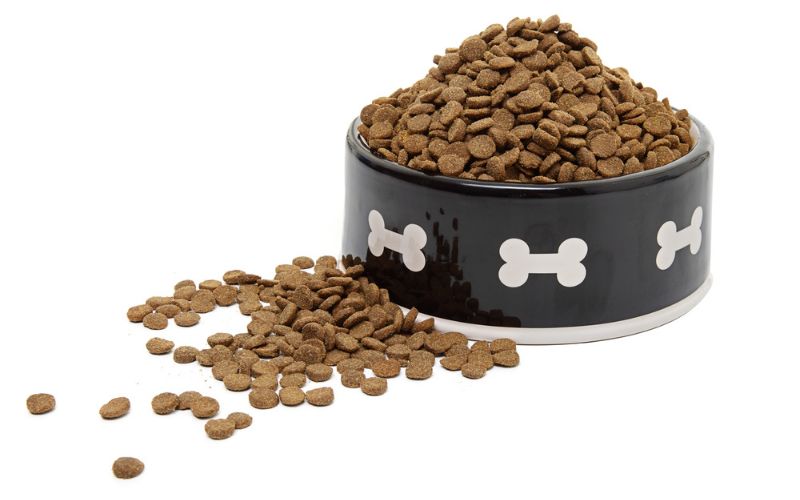
When choosing the best food for your furry friend, the debate between canned and dry dog food has been ongoing. Both options have advantages and disadvantages, so it’s essential to consider your dog’s specific needs and preferences before deciding.
One of the main benefits of dry dog food is its convenience. It is easy to store, has a long shelf life, and doesn’t require refrigeration.
Dry dog food is also more affordable than canned food, making it a popular choice for budget-conscious pet owners. Additionally, the crunchy texture of dry food can help promote dental health by reducing plaque and tartar buildup.
On the other hand, canned dog food offers several advantages as well. It has a higher moisture content, which can benefit dogs without water or having specific health conditions. Canned food is often palatable, making it ideal for picky eaters or dogs with dental issues. It also tends to have a higher protein content and fewer artificial additives.
When deciding between canned and dry dog food, it’s crucial to consider your dog’s age, size, activity level, and any specific dietary requirements. Some dogs may thrive on a combination of both, while others may have particular needs better met by one type of food over the other.
Ultimately, the choice between canned and dry dog food depends on what works best for your dog. It’s important to consult with your veterinarian to ensure you provide a balanced and nutritious diet that meets your dog’s needs.
In conclusion, there is no definitive answer to which type of dog food is better. Both canned and dry dog food have their unique advantages and disadvantages. The most important thing is choosing high-quality food that meets your dog’s nutritional needs and keeps them healthy and happy.
Are there any health benefits to feeding canned food?
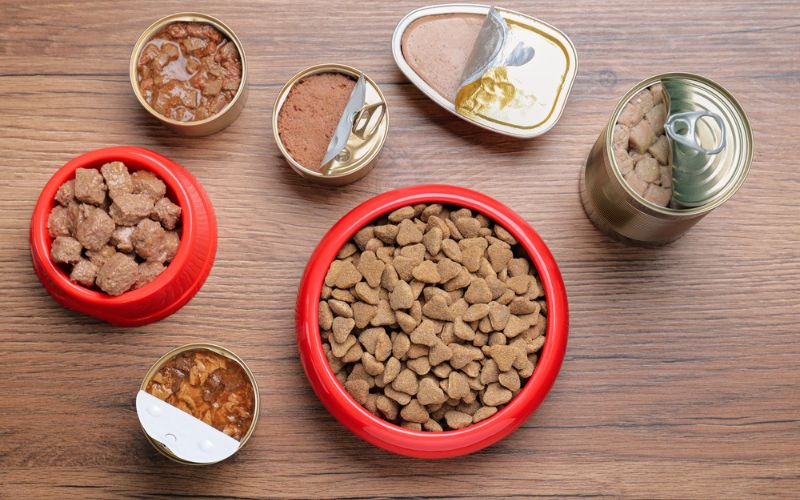
When choosing the right food for our furry friends, there are many factors to consider. One of the most debated topics is whether canned or dry dog food is better for our pets. While both options have advantages, we will focus on the health benefits of feeding canned food today.
One of the main advantages of canned food is its higher moisture content. This can benefit dogs who struggle to stay hydrated or have kidney issues. The extra moisture in canned food can help prevent urinary tract infections and promote healthy kidney function.
Canned food also tends to have a higher protein content than dry food. Protein is essential for dogs as it helps build and repair tissues, supports a healthy immune system, and provides energy. By feeding your dog canned food, you can ensure they get adequate protein.
Furthermore, canned food often contains fewer artificial preservatives and additives than dry food. This can be particularly beneficial for dogs with food sensitivities or allergies. By eliminating these potential triggers from their diet, you can help alleviate any digestive issues or skin problems they may be experiencing.
Additionally, the soft texture of canned food can make it easier for dogs with dental issues or missing teeth to chew and digest. This can be especially important for older dogs with difficulty eating hard kibble.
In conclusion, there are several health benefits to feeding canned food to your dog. From its higher moisture content to its protein-rich formulation and fewer additives, canned food can provide a well-rounded and nutritious diet for your furry friend. Consult your veterinarian to determine the best option for your dog’s needs.
What are the advantages of feeding dry food?

When choosing the right food for your furry friend, the debate between canned and dry dog food has been ongoing for years. While both options have merits, dry food offers several advantages, making it a popular choice among dog owners.
One main advantage of feeding your dog dry food is its convenience. Dry food is easy to store and has a longer shelf life than canned food. This means you can buy it in bulk and not worry about it spoiling quickly. Also, dry food is more convenient to serve, as you can measure the desired amount and pour it into your dog’s bowl.
Another advantage of dry food is its dental benefits. The crunchy texture of dry kibble helps to remove plaque and tartar from your dog’s teeth, promoting good oral health. This can help prevent dental issues such as gum disease and tooth decay, common in dogs.
Dry food is also generally more cost-effective compared to canned food. Since it has a longer shelf life, you can buy larger quantities at a time, saving you money in the long run. Additionally, dry food tends to be less expensive per serving than canned food, making it a budget-friendly option for dog owners.
Furthermore, dry food is often formulated to meet the nutritional needs of dogs. It contains a balanced blend of proteins, carbohydrates, and fats, providing your dog with the essential nutrients they need to thrive. Many dry dog foods also contain added vitamins and minerals to support overall health and well-being.
In conclusion, feeding your dog dry food offers several advantages, including convenience, dental benefits, cost-effectiveness, and nutritional value.
However, it’s important to remember that every dog is different, and what works for one may not work for another. It’s always best to consult your veterinarian to determine the best diet for your furry friend.
Can canned food help with a picky eater?

When feeding our furry friends, we all want the best for them. But what do you do when your dog is a picky eater? Many pet owners have successfully used canned food to entice their finicky pups.
One of the main advantages of canned food is its strong aroma. Dogs are known for their keen sense of smell, and the enticing scent of canned food can be hard for even the pickiest eaters to resist. The rich flavors and textures of canned food can also appeal to dogs, making mealtime a more enjoyable experience.
Canned food also tends to have a higher moisture content than dry food. This can benefit dogs who struggle to stay hydrated or have dental issues. The extra moisture in canned food can help keep your dog’s urinary tract healthy and prevent problems like urinary tract infections.
Additionally, canned food is often more palatable for dogs with sensitive stomachs or digestive issues. The soft texture of canned food can be easier for dogs to digest, reducing the likelihood of upset stomachs or digestive discomfort.
However, it’s important to note that canned food can be more expensive than dry food and has a shorter shelf life once opened. It’s also higher in calories, so monitoring your dog’s weight and adjusting their portion sizes is important.
In conclusion, if you have a picky eater, canned food can be a great option to entice them to eat. The strong aroma, rich flavors, and higher moisture content can make mealtime more enjoyable for your dog. Be mindful of the cost, shelf life, and calorie content when incorporating canned food into your diet.
Is dry food more cost-effective than canned food?

The cost is often a factor when choosing the right food for your furry friend. Many pet owners wonder if dry food is more cost-effective than canned food. Let’s delve into this question and explore the pros and cons of each option.
Dry dog food, known as kibble, is generally more affordable than canned food. It is available in larger quantities and has a longer shelf life, making it a convenient choice for budget-conscious pet owners. Also, dry food is more energy-dense, meaning you can feed your dog smaller portions than canned food. This can help stretch your budget further.
On the other hand, canned dog food tends to be more expensive. The canning process and the higher moisture content contribute to its price tag.
However, canned food often contains higher-quality ingredients, such as real meat, which can benefit dogs with specific dietary needs or picky eaters. It also provides more hydration, which is important for dogs who struggle to drink enough water.
It’s worth noting that the cost-effectiveness of dog food goes beyond the initial price. Consider your dog’s needs, such as age, size, and health conditions.
Some dogs may require a special diet better met with canned food, even if it is more expensive. It’s always a good idea to consult your veterinarian to determine the best food option for your furry friend.
In conclusion, while dry dog food is generally more cost-effective than canned food, it’s important to consider your dog’s needs. Both options have advantages and disadvantages, so finding the right balance between cost, nutrition, and your dog’s preferences is crucial.
Which type of food is easier to store?
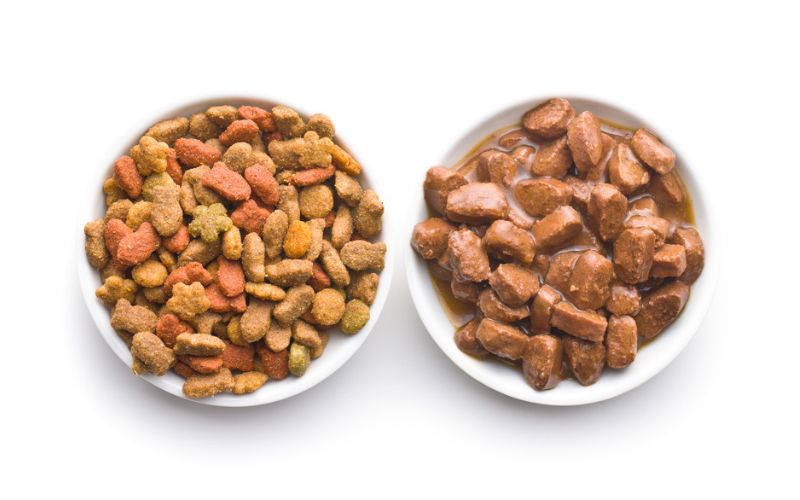
One important factor to consider when choosing dog food is how easy it is to store. Both canned and dry dog food have advantages and disadvantages regarding storage.
Canned dog food is often considered more convenient because it comes in sealed cans that can be stacked in a pantry or cupboard. The cans are durable and withstand different storage conditions, including temperature fluctuations.
This makes it a great option for those who want to stock up on dog food and have it readily available. However, the downside of canned dog food is that it takes up more space than dry dog food. The cans can be bulky and may require more storage space.
On the other hand, dry dog food is known for its long shelf life and compact packaging. Dry dog food usually comes in bags that can be resealed after each use, keeping the food fresh for longer. The compact packaging allows easy storage in small spaces like kitchen cabinets or a pantry.
Additionally, dry dog food is generally lighter and easier to transport, making it a convenient option for pet owners who are always on the go.
In conclusion, canned and dry dog food have pros and cons regarding storage. Canned dog food offers convenience and durability but takes up more space, while dry dog food has a longer shelf life and compact packaging but may lack the convenience of ready-to-serve meals. Choosing between the two depends on your specific storage needs and preferences.
Can I mix canned and dry food?

When it comes to feeding our furry friends, many pet owners wonder if mixing canned and dry dog food is okay. The short answer is yes, you can combine the two types of food. There are several benefits to doing so.
One of the main advantages of mixing canned and dry dog food is that it provides a variety of textures and flavors for your pet. Dogs can get bored with the same food daily, so mixing it up can help keep mealtime exciting.
Additionally, some dogs may prefer the taste and texture of one type of food over the other, so offering a mix allows them to enjoy the best of both worlds.
Another benefit of mixing canned and dry dog food is that it can help with hydration. Canned food has a higher moisture content than dry food, benefiting dogs who don’t drink enough water. By mixing the two, you can ensure that your dog is getting the hydration they need to stay healthy.
Additionally, mixing canned and dry dog food can provide a balanced diet. Canned food often contains higher levels of protein and fat, while dry food is typically higher in carbohydrates. Combining the two can create a well-rounded meal that meets your dog’s nutritional needs.
However, it’s important to note that not all dogs will do well with a mixed diet. Some dogs have sensitive stomachs and may experience digestive issues when changing food. If you’re considering mixing canned and dry food, it’s best to consult with your veterinarian to ensure it’s the right choice for your pet.
conclusion
Mixing canned and dry dog food can provide a variety of textures and flavors, help with hydration, and offer a balanced diet for your furry friend. However, it’s important to consider your dog’s needs and consult with a veterinarian before making any changes to their diet.
When it comes to choosing between canned and dry dog food, it ultimately depends on your dog’s specific needs and preferences. Both options have their advantages and disadvantages. Canned food is often more palatable for picky eaters and can provide additional hydration. On the other hand, dry food is more cost-effective and easier to store.
Feeding your dog canned food can have health benefits, as it is often higher in protein and lower in carbohydrates. However, it is important to note that not all canned foods are created equal, and it is essential to read the labels and choose high-quality options.
On the other hand, dry food is often more convenient and can help promote dental health by reducing plaque and tartar buildup. It is also a more cost-effective option, especially for those with multiple dogs or larger breeds.
Mixing canned and dry food can be a great way to provide your dog with a balanced diet and add variety to their meals.
As for the future of dog food, developments and trends could impact the choices available to dog owners. It is important to stay informed and watch for any new research or advancements in the industry.
Thank you for taking the time to read this post on “Canned vs. Dry Dog Food.” We hope it has provided you with valuable information to make an informed decision about your dog’s diet.
If you have any further questions or want to share your experiences, please comment below. We appreciate your feedback and look forward to hearing from you.
