

Bernedoodle: Unveiling the Charms of the Perfect Canine
In recent years, the popularity of designer dog breeds has soared, and among them, Bernedoodles have carved a niche for themselves. Combining the intelligence and charm of Poodles with the gentle temperament of Bernese Mountain Dogs, Bernedoodles have become sought-after companions. This comprehensive guide will explore the origins, characteristics, grooming needs, and common FAQs surrounding Bernedoodles.
Origins of Bernedoodles
Bernedoodles are a relatively new addition to the designer dog breed scene, originating in the early 2000s. The intentional crossbreeding of Bernese Mountain Dogs and Poodles aimed to combine the best traits of both breeds. The Poodle’s hypoallergenic coat, intelligence, and the Bernese Mountain Dog’s friendly demeanor and striking appearance created a winning combination.
Characteristics and Appearance
Bernedoodles are renowned for their exceptional temperament, harmoniously blending the best traits of their parent breeds. This enchanting hybrid strikes a perfect balance between the friendly and gentle nature of Bernese Mountain Dogs and the intelligent, eager-to-please demeanor of Poodles. This unique combination creates a charming companion that adapts seamlessly to diverse family dynamics.

Coat Varieties
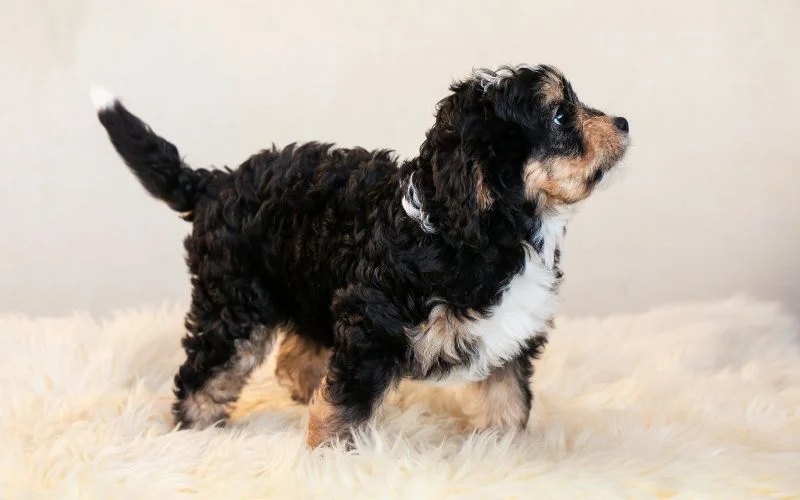
One of the most appealing aspects of Bernedoodles is their variety of coat types. These can range from wavy to curly, with colors including tricolor, black, ebony, and more. The coat, often low-shedding due to Poodle genetics, makes Bernedoodles a popular choice for individuals with allergies.
Size and Build
Bernedoodles come in different sizes, classified as standard, mini, and toy. Standards generally weigh between 70 and 90 pounds, miniatures range from 25 to 49 pounds, while toys are smaller, weighing around 10 to 24 pounds. Their size makes them adaptable to various living spaces, from spacious homes to apartments.
Temperament and Intelligence
Known for their friendly and social nature, Bernedoodles make excellent family pets. They tend to be good with children and other pets, inheriting the amiable temperament of Bernese Mountain Dogs. Their Poodle lineage contributes to high intelligence, making them trainable and eager to please.
Grooming Needs
Grooming is essential to caring for Bernedoodles, ensuring they remain visually appealing but also comfortable and healthy. Understanding and addressing their grooming needs contribute significantly to the overall well-being of these charming canine companions.
Coat Maintenance
Bernedoodles boast a variety of coat types, from wavy to curly, each requiring attention to prevent matting and tangling. Regular brushing, typically a few times a week, is crucial to keep their fur in optimal condition. The frequency of grooming may vary based on the specific coat type, with curlier coats demanding more frequent attention. This grooming ritual not only preserves the aesthetic appeal of their coats but also fosters a strong bond between owners and their Bernedoodles.
Bathing and Hygiene
Proper hygiene practices are essential for Bernedoodles to keep their coats clean and healthy. While they generally have hypoallergenic coats inherited from their Poodle lineage, regular bathing helps remove dirt, debris, and potential allergens. It is advisable to use dog-friendly shampoos and to be mindful of the frequency of baths to avoid stripping the coat of its natural oils. In addition to bathing, routine ear cleaning and teeth brushing contribute to the overall hygiene of these delightful companions.
Professional Grooming
Many Bernedoodle owners opt for professional grooming services to maintain their pet’s appearance. Professional groomers are trained to trim the coat, especially around sensitive areas like the eyes and paws. Beyond aesthetics, professional grooming sessions provide an opportunity for a thorough check-up, ensuring that any potential health issues are detected early. Groomers can also offer valuable advice on specific grooming needs based on the individual dog’s coat type and lifestyle.
Common Health Concerns
Despite being generally healthy, Bernedoodles, like any breed, may be prone to certain health issues. Responsible breeding practices aim to minimize genetic risks, but potential concerns include hip dysplasia, elbow dysplasia, and certain eye conditions. Regular veterinary check-ups and a balanced diet contribute to overall health and well-being.
Conclusion
Bernedoodles offer a delightful combination of intelligence, charm, and adaptability. Whether you’re a seasoned dog owner or a first-time pet parent, these affectionate companions have something to offer for everyone. Understanding their origins, characteristics, and grooming needs and addressing common FAQs will help ensure a happy and healthy life for your Bernedoodle.
FAQs
1. Are Bernedoodles good with children?
Bernedoodles are known for their gentle and friendly nature, making them excellent companions for families with children. Always supervise interactions between pets and young children to ensure a positive and safe environment.
2. How much exercise do Bernedoodles need?
The exercise needs of Bernedoodles vary based on size and age. Generally, they require moderate daily exercise, such as walks and playtime. Regular activity helps maintain their physical health and mental well-being.
3. Are Bernedoodles suitable for people with allergies?
Yes, Bernedoodles often have hypoallergenic coats inherited from their Poodle lineage. While individual reactions may vary, many allergy sufferers find Bernedoodles a suitable and low-allergen option.
4. What is the lifespan of a Bernedoodle?
The average lifespan of a Bernedoodle is around 12 to 15 years. Proper care, a balanced diet, regular exercise, and routine veterinary check-ups contribute to their overall health and longevity.
5. Do Bernedoodles get along with other pets?
Generally, Bernedoodles are sociable and get along well with other pets. Early socialization and proper introductions can enhance their adaptability to various animals in the household.
6. How often should Bernedoodles be groomed?
The grooming frequency depends on the coat type. For curlier coats, grooming may be required more often, potentially every 4-6 weeks. Regular brushing at home helps prevent matting and keeps the coat in good condition.
