

Maremma Sheepdog Breed: Characteristics and Care Guide
In an enchanting journey through Italy’s centuries-old pastoral tradition, we encounter a majestic breed that has spent millennia perfecting its craft: the Maremma Sheepdog. A dog that is much more than meets the eye, with a history as ancient and stirring as the land it originates from. From their endearing quirks to their work ethic and unfaltering devotion, join us on this in-depth odyssey about the Maremma Sheepdog—where we uncover their enigmatic history, distinctive characteristics, and so much more. Prepare to be swept off your feet by this unsung hero of the Italian countryside.
The Maremma sheepdog, also known as the Maremmano-Abruzzese Sheepdog, is an Italian livestock guardian breed. It is indigenous to Central Italy, particularly the Maremma region of Tuscany and Lazio, as well as northern areas of Southern Italy, notably Abruzzo. This breed has a solid, muscular build with a large head and a thick white coat. They have been used for centuries by Italian shepherds to protect sheep from wolves, showcasing their natural protective instincts. Despite a decrease in sheep farming, this breed remains abundant in the Maremma marshlands, where they have historically overwintered.
Origin and History of the Maremma Sheepdog
The Maremma Sheepdog, also known as the Maremmano-Abruzzese Sheepdog, is an ancient Italian breed with a rich history. Its origins can be traced back to Central Italy, particularly the Maremma region of Tuscany and Lazio, as well as parts of Abruzzo in southern Italy. The breed’s name derives from the Maremma marshlands, where shepherds, their dogs, and sheep would over-winter. Despite changes in sheep farming practices, this magnificent breed thrives in the area.
The roots of the Maremma Sheepdog can be seen even further back in time through ancient Roman literature and artwork. Depictions of white flock guardian dogs resembling the Maremmano are found in various historical records. These majestic creatures have been guarding herds and flocks for centuries, their presence deeply intertwined with the shepherd’s way of life.
Ancient Roots and Role as Guardian

In antiquity, shepherds recognized the need for protection against cunning predators such as wolves. This is where the strong guarding instincts that characterize the Maremma Sheepdog come into play. They were bred specifically to protect livestock.
Diving deeper into their role as guardians, let’s explore how these remarkable dogs fulfil their duties. Maremma Sheepdogs are renowned for their exceptional loyalty and courageous nature. When entrusted with a flock or herd, they are unwavering committed to defending it from potential threats.
A shepherd tending his flock in the lush green pastures of Tuscany. While he attentively tends to his charges, his faithful Maremma Sheepdog patrols the perimeter with unwavering vigilance – constantly scanning for predators that might attempt to harm the sheep under its care.
Like a warrior-protector on the battlefield, the Maremma Sheepdog fearlessly confronts any danger it perceives, utilizing its intelligence and physical strength to ward off intruders.
These dogs are imposing with their solid, muscular build and thick white coats. Males typically weigh between 35 and 45 kg and stand 65 to 73 cm at the shoulder, while females usually weigh between 30 and 40 kg and stand 60 to 68 cm. Such physical attributes enable them to hold their ground and deter potential threats effectively.
To better understand the traits that make the Maremma Sheepdog a formidable guardian, let’s take a look at some of their key characteristics:
| Key Traits Of The Maremma Sheepdog |
| Loyal and Devoted |
| Fearless |
| Intelligent |
| Protective |
| Independent |
These characteristics make them highly suitable for protecting livestock from predators – a task they have performed with unwavering dedication for centuries.
With their ancient roots firmly planted in history and finely honed instincts as guardians, Maremma Sheepdogs continue to leave an indelible mark on the shepherding traditions of Italy and beyond.
Key Traits and Behaviours of the Maremma Sheepdog
The Maremma Sheepdog, also known as the Maremmano-Abruzzese Sheepdog, is a remarkable breed known for its exceptional traits and behaviours. Understanding these key characteristics is essential for anyone considering owning this magnificent guardian dog.
Protective Nature and Herding Skills
One of the standout features of the Maremma Sheepdog is its innate protective nature. Bred specifically for livestock protection, they possess an unwavering dedication to their flocks. These dogs are fiercely loyal and will go to great lengths to ward off potential threats, including predators like wolves.
Imagine a picturesque countryside scene: a herd of sheep grazing peacefully in the rolling hills under the watchful eye of a majestic white dog standing tall with an unwavering presence. That’s the Maremma Sheepdog fulfilling its role as a protector and herder.
Their instinctive herding skills are another fascinating aspect of their behaviour. These dogs have been bred for centuries to work alongside shepherds in Central Italy, particularly in regions like Tuscany and Lazio. Their natural ability to guide and control livestock has been honed through generations of selective breeding.
It’s important to note that Maremma Sheepdogs may not display excessive affection towards humans due to their strong protective instincts. Their primary focus is safeguarding the flock assigned to them, demonstrating unwavering commitment. This should be considered when considering them as pets or working dogs.
Protective Nature and Herding Skills
The Maremma Sheepdog’s protective nature is deeply ingrained in its DNA. These dogs exhibit strong territorial instincts and keen awareness from an early age. They are highly attuned to potential threats and act swiftly to deter or confront them.
Their formidable size, muscular build, and thick white coat make them an imposing presence alone. Combined with their vigilance and assertive demeanour, they become an intimidating force against predators looking to harm the flock.
Picture a Maremma Sheepdog positioned at the edge of a grazing pasture. Its ears perked up, eyes alert, and head held high as it surveyed the surroundings. This majestic guardian’s mere sight and sound can serve as a deterrent, discouraging predators from approaching.
Think of a symphony conductor expertly directing each orchestra section to create a harmonious piece. That’s how the Maremma Sheepdog orchestrates the movements of its flock, showcasing its innate talents as a skilled herder.
- The breed, dating back to 1898 for registration, has been officially recognized by the Ente Nazionale della Cinofilia Italiana (ENCI) since 1958.
- Male Maremmano-Abruzzese sheepdogs typically have an average weight that ranges from 35 to 45 kg with a height of approximately 65 to 73 cm at the shoulder. Conversely, females weigh between 30 to 40 kg and stand around 60 to 68 cm tall.
Understand Their Independent Character
When it comes to the Maremma Sheepdog breed, it’s essential to understand their independent character. These dogs have a strong sense of autonomy ingrained in their genetic makeup. This independence stems from their history as guardian dogs, where they were bred to make decisions on their own when protecting livestock from predators like wolves. As a result, Maremmas tend to be less eager to please and may not display excessive affection towards humans. This doesn’t mean they cannot form bonds or be loyal companions, but it does require a different approach when training and interacting with them.
Comprehensive Guide to Train a Maremma Sheepdog
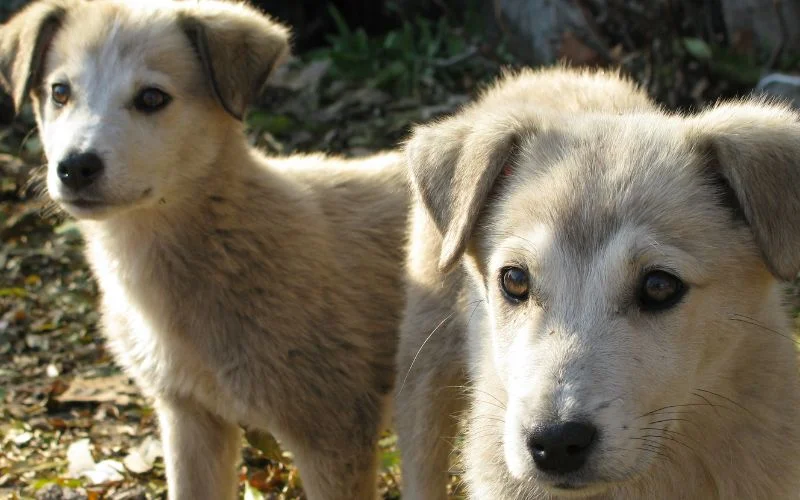
Training a Maremma Sheepdog requires patience, consistency, and understanding their unique traits. Here is a comprehensive guide that can help you navigate this process successfully:
- Start Early: Begin training your Maremma puppy when you bring them home. Early socialization and exposure to various sights, sounds, and experiences can help shape their behaviour positively.
- Establish Leadership: Maremmas respond well to confident and assertive leadership. Establish yourself as the leader by setting boundaries and enforcing consistent rules.
- Positive Reinforcement: Use reinforcement techniques like treats, praise, and rewards to motivate and encourage desired behaviours. Avoid harsh punishment methods as they can be counterproductive with this sensitive breed.
- Focus on Obedience Training: Teach basic obedience commands such as sit, stay, come, and leash walking. Consistency is key during these training sessions.
- Exposure to Different Environments: Gradually expose your Maremma to different environments, people, and animals to ensure they remain well-rounded and adaptable.
- Provide Mental Stimulation: Engage your dog in mentally stimulating activities like puzzle toys or training games to keep their intelligent minds occupied.
- Continued Socialization: Throughout their lives, expose their Maremma to new situations, people, and animals to prevent them from becoming overly protective or aggressive.
- Work with a Professional: Consider working with a professional dog trainer experienced with guardian breeds like the Maremma Sheepdog. They can provide guidance tailored to your specific needs and help address any challenges you may encounter.
Remember, training a Maremma requires patience and understanding its independent nature. Be consistent, establish a strong bond, and embrace their unique characteristics.
Enhancing Their Innate Herding Abilities
The Maremma Sheepdog breed boasts a rich history of herding sheep and protecting flocks from predators. From an early age, it is important to expose them to various livestock and provide opportunities for supervised interaction.
Training sessions should focus on obedience, recall, and commands tailored to herding tasks. Positive reinforcement techniques, such as rewards and praise, work well with these intelligent and eager-to-please dogs. Establishing clear boundaries and consistent rules and reinforcing good behaviour is crucial. Through regular practice and guidance, Maremma Sheepdogs can become exceptional herders who excel at their protective duties.
This careful cultivation of their instincts allows Maremma Sheepdogs to embody their role as effective livestock guardians fully.
Living Conditions for a Maremma Sheepdog
Maremma Sheepdogs are known for their dedication to their work and thrive when given ample space outdoors to fulfil their protective instincts. They require large areas of land or acreage where they have room to roam freely and guard their assigned territory. Ideally, this would involve rural settings with access to open fields or pastures where they can monitor and protect their flock.
It is important to note that Maremma Sheepdogs are not typically suited for urban or suburban environments due to their instinctual behaviour and size. These dogs take their guarding responsibilities seriously and may become vocal, barking to ward off potential threats.
Considering their natural inclination for outdoor living, providing proper shelter and care for these magnificent dogs is essential.
Compatible Environment and Care Requirements
The Maremma Sheepdog is a breed that thrives in a specific environment. These dogs are primarily suited for life on a farm or rural setting where they can fulfil their role as livestock guardians. They have a strong instinct to protect and guard, making them excellent at keeping predators away from sheep and other livestock.
To ensure the well-being of these magnificent dogs, it’s important to provide them with the appropriate care and environment they require.
In terms of physical exercise, regular activity is crucial to keep these dogs both physically and mentally stimulated. While they do not require intense exercise like some working breeds, daily walks or play sessions will help maintain their overall health and well-being.
Socialization is another key aspect of caring for a Maremma Sheepdog. Early socialization with other animals, people, and environments is crucial to ensure they become well-rounded individuals. It helps them understand what poses a genuine threat and distinguishes that from potential friends or harmless encounters.
Gradually introducing a Maremma to various sights, sounds, and experiences helps them develop confidence and adaptability in different scenarios.
