

Best Dog Food for Small Dogs: A Comprehensive Guide
When it comes to our furry companions, we want nothing but the best for them. And one crucial aspect of their well-being is their diet. As a responsible pet owner, we must provide our small dogs with the best dog food that meets their unique nutritional needs. But with so many options on the market, how do we choose the right one?
This comprehensive guide will explore the world of dog food specifically tailored for small dogs. From understanding their dietary requirements to deciphering the confusing labels, we will delve into every aspect to help you make an informed decision.
Small dogs have different nutritional needs compared to their larger counterparts. They require a diet rich in protein and healthy fats to support their high energy levels. Additionally, their smaller size means they need smaller kibble sizes that are easier to chew and digest. Finding the perfect balance of nutrients is crucial to ensure their overall health and well-being.
But it’s not just about the ingredients but also the quality. This guide will discuss the importance of choosing dog food made from high-quality, natural ingredients. We will explore the benefits of avoiding artificial additives, preservatives, and fillers that can harm your furry friend’s health in the long run.
Furthermore, we will explore the different types of dog food available for small dogs, including dry kibble, wet food, and raw diets. We will discuss the pros and cons of each option, helping you determine which is best suited for your furry friend’s needs.
Join us as we uncover the secrets to finding the best dog food for small dogs. Whether you’re a new pet owner or looking to switch your dog’s diet, this guide will provide you with all the information you need to make the right choice. Stay tuned for our upcoming articles, where we will dive deeper into each topic and help you become an expert on small dog nutrition.
What Are the Best Dog Food Brands for Small Dogs?
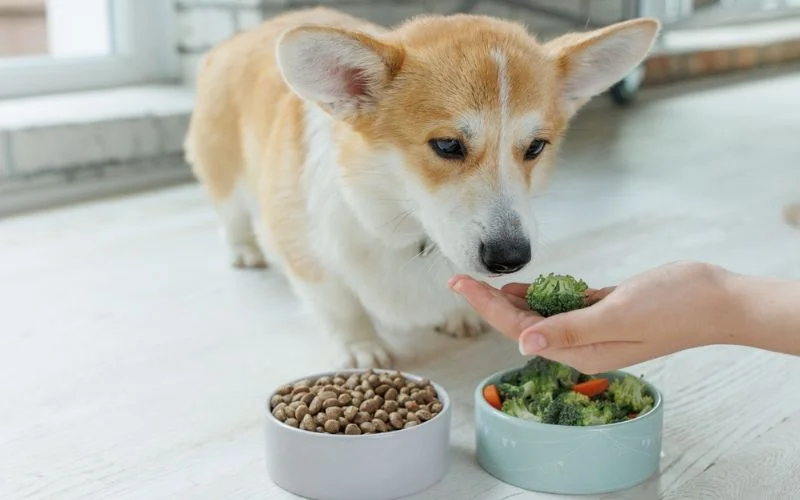
Choosing the right dog food is crucial when providing the best nutrition for our furry friends. This is especially important for small dogs, who have unique dietary needs. This article will explore some of the best dog food brands catering to small dogs.
One of the top dog food brands for small dogs is Royal Canin. Known for its breed-specific formulas, Royal Canin offers a range of options tailored to meet the nutritional needs of different small dog breeds. Their recipes support healthy digestion, maintain optimal weight, and promote well-being.
Another popular choice is Hill’s Science Diet. They offer a variety of small-breed formulas that are packed with high-quality ingredients and essential nutrients. Hill’s Science Diet focuses on providing balanced nutrition to support small dogs’ energy levels and maintain their ideal body condition.
Blue Buffalo is a great choice for pet owners looking for natural dog food. Their small breed formulas feature real meat as the first ingredient and are free from artificial preservatives, colors, and flavors. Blue Buffalo also includes antioxidants, essential vitamins, and minerals to support small dogs’ immune systems.
Wellness Complete Health is another brand known for its high-quality dog food options. Their small breed formulas are made with real meat, whole grains, and fruits and vegetables. Wellness Complete Health provides a balanced diet supporting small dogs’ overall health and well-being.
In conclusion, when choosing the best dog food for small dogs, there are several top brands to consider. Royal Canin, Hill’s Science Diet, Blue Buffalo, and Wellness Complete Health offer high-quality options catering to small breeds. Consult your veterinarian to determine the best food for your small dog’s needs.
What Are the Key Nutritional Needs of Small Dogs?
Small dogs may be tiny, but their nutritional needs are as important as their larger counterparts. Providing the right balance of nutrients is crucial for their overall health and well-being. In this article, we will explore the key nutritional needs of small dogs to help you make informed decisions about their diet.
Protein is essential for dogs of all sizes, including small breeds. It is important for muscle development, repair, and overall growth. Look for dog foods that list high-quality animal protein sources, such as chicken, turkey, or fish, as the main ingredient. Avoid products that contain fillers or meat by-products.
Fat is another important component of a small dog’s diet. It provides energy and helps maintain healthy skin and a shiny coat. Look for dog foods containing healthy fats, such as omega-3 and omega-6 fatty acids, in fish or flaxseed.
Carbohydrates are a source of energy for dogs, but choosing complex carbohydrates that provide sustained energy rather than simple sugars is important. Whole grains like brown rice or oats are good options. Avoid dog foods that contain excessive amounts of corn, wheat, or soy, as these can cause digestive issues in some small dogs.
Vitamins and minerals are essential for a small dog’s overall health. Look for dog foods fortified with a wide range of vitamins and minerals, including vitamins A, D, calcium, and phosphorus. These nutrients support bone health, immune function, and overall vitality.
In conclusion, small dogs have specific nutritional needs that must be met to ensure their health and well-being. By choosing a high-quality dog food that provides a balanced mix of protein, fat, carbohydrates, vitamins, and minerals, you can help your small dog thrive. Remember to consult your veterinarian to determine the best diet for your dog, as individual needs may vary.
How Much Should I Feed My Small Dog?
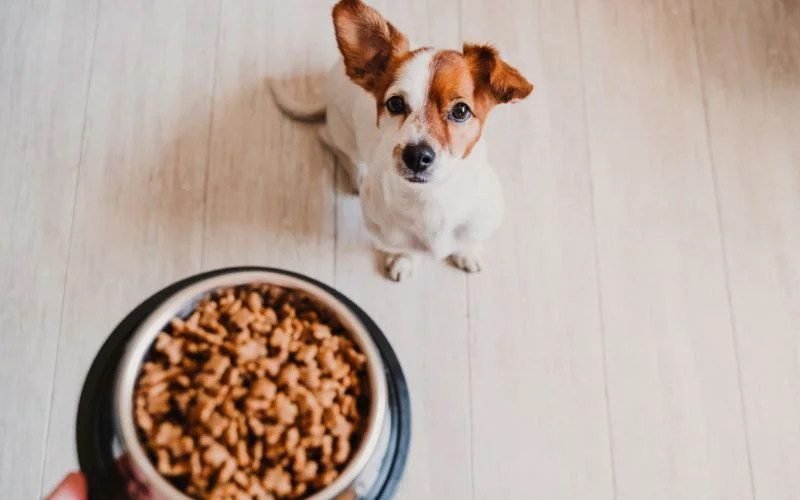
Feeding your small dog the right amount of food is crucial for their overall health and well-being. As a responsible pet owner, it’s important to understand the appropriate portion sizes and feeding schedule for your furry friend. This article will guide you on how much you should feed your small dog to ensure they get the nutrition they need.
When determining the correct amount of food to feed your small dog, it’s important to consider their age, weight, activity level, and overall health. Puppies require more food than adult dogs, which are still growing and developing. As a general guideline, small dog breeds should be fed around ¼ to ¾ cup of high-quality dog food daily, divided into two meals.
It’s essential to choose a dog food specially formulated for small breeds. These foods are designed to meet the unique nutritional needs of smaller dogs, including their higher metabolism and smaller kibble size. Look for dog foods that contain high-quality protein sources, such as chicken or fish, and avoid fillers and artificial additives.
While the recommended portion sizes can provide a starting point, monitoring your dog’s weight and body condition regularly is important. Adjust the amount of food accordingly to maintain a healthy weight. Consult your veterinarian for personalized recommendations if you’re unsure about your small dog’s appropriate portion sizes.
In addition to portion control, it’s crucial to establish a consistent feeding schedule for your small dog. Regular mealtimes can help prevent overeating and promote healthy digestion. Avoid leaving food out all day, as it can lead to obesity and other health issues.
Remember, every dog is unique, and their dietary needs may vary. Monitoring your small dog’s weight, energy levels, and overall health is important to ensure they receive the right amount of food. You can help your small dog live a happy and healthy life by providing a balanced diet and appropriate portions.
Sources:
– American Kennel Club: “Feeding Small Dogs”
– PetMD: “Feeding Your Small Breed Dog”
– Hill’s Pet Nutrition: “Feeding Small Dogs”
What Ingredients Should I Look for in Small Dog Food?

When choosing the best dog food for small dogs, paying close attention to the ingredients is important. Small dogs have unique nutritional needs; selecting the right food can help ensure their health and well-being. Here are some key elements for shopping for small dog food.
Protein is essential to any dog’s diet, and small dogs are no exception. Look for dog foods that list high-quality protein sources, such as chicken, beef, or fish, as the first ingredient. Protein helps support muscle development and provides energy for your small dog’s active lifestyle.
In addition to protein, small dogs also require a balanced mix of carbohydrates. Look for dog foods that contain whole grains, like brown rice or oatmeal. These complex carbohydrates provide a steady energy source and help maintain healthy digestion.
Healthy fats are another important ingredient to consider. Look for dog foods that include sources of omega-3 and omega-6 fatty acids, such as fish oil or flaxseed. These fats promote a healthy coat and skin and support brain function.
Small dogs also benefit from various fruits and vegetables in their diet. Look for dog foods that include sweet potatoes, carrots, and blueberries. These ingredients provide essential vitamins, minerals, and antioxidants that support overall health and immune function.
Lastly, avoiding artificial additives and fillers in your small dog’s food is important. Look for dog foods free from artificial colors, flavors, and preservatives. Opt for natural and wholesome ingredients to ensure your small dog gets the best nutrition possible.
In conclusion, when choosing the best dog food for small dogs, prioritize high-quality protein sources, balanced carbohydrates, healthy fats, fruits, and vegetables, and avoid artificial additives. By selecting a dog food that meets these criteria, you can provide your small dog with the nutrition they need to thrive.
Should I Choose Wet or Dry Food for My Small Dog?
When choosing the best dog food for small dogs, pet owners face one of the most common dilemmas: whether to go for wet or dry food. Both options have advantages and disadvantages, so it’s important to consider a few factors before deciding.
Wet or canned food is popular with many small dog owners. One of the main benefits of wet food is its high moisture content, which can benefit dogs that don’t drink enough water. Eating can also be easier for dogs with dental issues or older dogs with missing teeth. Additionally, wet food often contains higher levels of protein and fat, which can benefit active small dogs.
On the other hand, dry food, also known as kibble, has advantages. It is more convenient to store and serve and can be left out for longer periods without spoiling. Dry food also helps to keep your dog’s teeth clean by promoting chewing and reducing plaque buildup.
Many dry dog food options are formulated to meet the specific nutritional needs of small dogs, making it a convenient and balanced choice.
Choosing between wet and dry food depends on your dog’s needs and preferences. Wet food may be better if your small dog has specific dietary requirements or dental issues. However, if convenience and dental health are important factors, dry food may be the way to go.
In conclusion, there is no one-size-fits-all answer to the wet versus dry food debate for small dogs. It’s important to consider your dog’s needs and consult your veterinarian to determine the best option.
Regardless of your choice, the most important thing is to provide your small dog with a balanced and nutritious diet to ensure their overall health and well-being.
Are There Any Specific Health Concerns for Small Dogs?

Small dogs are adorable and make great companions, but they also have specific health concerns that owners should be aware of. By understanding these concerns, you can ensure that your small dog stays happy and healthy for years.
One of the main health concerns for small dogs is obesity. Due to their small size, they can easily gain weight quickly if they are overfed or not given enough exercise.
Obesity can lead to various health problems, including joint issues, heart disease, and diabetes. It’s important to monitor your small dog’s weight and provide them with a balanced diet and regular exercise to prevent obesity.
Another common health concern for small dogs is dental problems. Small dogs are prone to dental issues such as tooth decay, gum disease, and tooth loss.
This can be caused by a lack of dental care, such as regular brushing and dental cleanings. Providing your small dog with dental chews and toys can also help keep their teeth clean and healthy.
Small dogs are also more susceptible to certain genetic conditions. For example, breeds like Chihuahuas and Dachshunds are prone to back problems, while Shih Tzus and Pugs are prone to eye issues. Regular vet check-ups and screenings can help detect and manage these conditions early on.
In conclusion, owners must know small dogs’ specific health concerns. By monitoring their weight, providing proper dental care, and staying vigilant for genetic conditions, you can help ensure that your small dog leads a long and healthy life. Always consult your veterinarian for personalized advice and recommendations for your small-breed dog.
Can Small Dogs Eat the Same Food as Large Dogs?
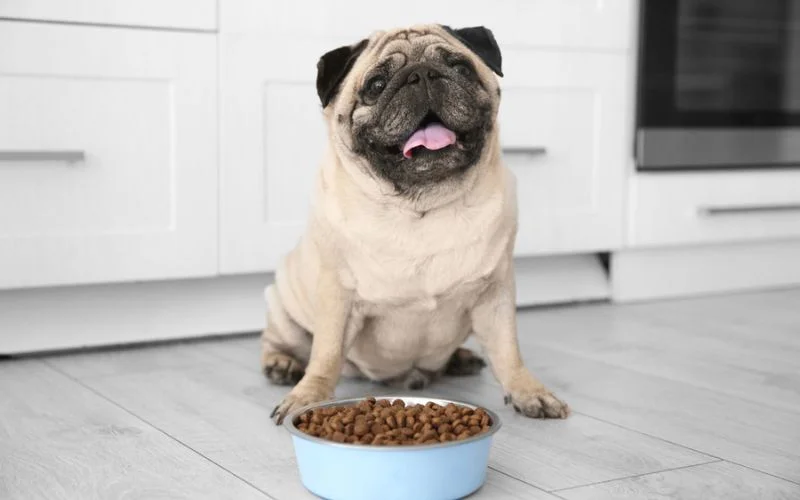
When it comes to feeding our furry friends, it’s important to provide them with the right nutrition for their size and breed. Many pet owners wonder if small dogs can eat the same food as large dogs. While feeding them the same food may seem convenient, several factors must be considered.
One of the main differences between small and large dogs is their metabolism. Small dogs tend to have a faster metabolism than larger breeds, requiring more calories per pound of body weight. Feeding a small dog the same food as a large dog could lead to weight gain and other health issues.
Another consideration is the size of the kibble. Large dogs need bigger kibble to prevent choking and promote proper chewing. On the other hand, small dogs need smaller kibble that is easier for them to eat and digest. Feeding a small dog large kibble can be a choking hazard and may cause digestive problems.
Additionally, small dogs have different nutritional needs than large dogs. They require a higher protein and fat diet to support their energy levels. On the other hand, large dog food may need a lower-fat diet to prevent weight gain and joint issues. Feeding small dogs the same food as large dogs may not give them the necessary nutrients.
In conclusion, feeding small dogs the same food as large dogs for convenience may be tempting, but it is not recommended. Small dogs have different nutritional needs and require smaller kibble to prevent choking and aid digestion.
It’s important to choose high-quality dog food specifically formulated for small breeds to ensure they receive the proper nutrition they need to thrive.
How Can I Transition My Small Dog to a New Food?
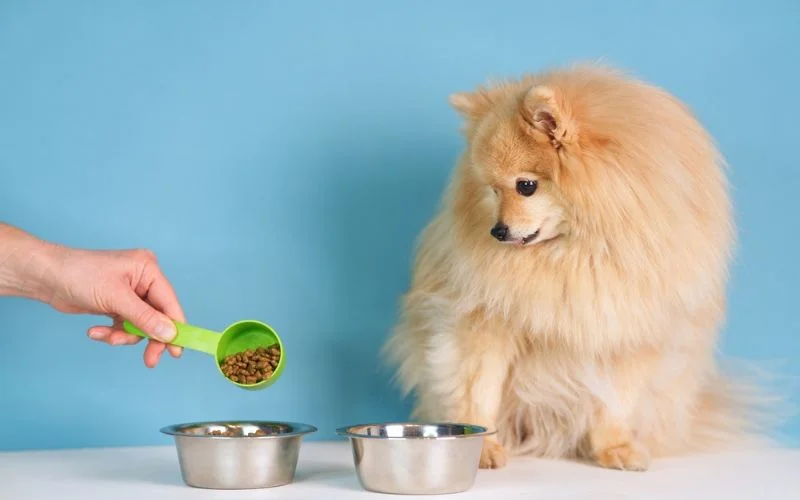
Transitioning your small dog to a new food can be a delicate process. As a responsible pet owner, you want to ensure the transition is smooth and stress-free for your furry friend. Here are some tips to help you navigate this important change.
First and foremost, it’s important to choose the right food for your small dog. Consider their specific needs when looking for the best dog food for small dogs. Look for options specially formulated for small breeds, considering their size, age, and any specific dietary requirements they may have.
Once you have selected the new food, it’s time to start the transition. The key here is to do it gradually. Abruptly switching your dog’s food can lead to digestive upset and discomfort.
Start by mixing a small amount of the new food with their current food. Over a week, gradually increase the proportion of the fresh food while decreasing the old food.
Keep a close eye on your dog during this transition period. Monitor their appetite, digestion, and overall well-being. If you notice signs of digestive upset or discomfort, slow the transition process and give your dog more time to adjust.
It’s also important to note that each dog is unique, and what works for one may not work for another. Pay attention to your dog’s individual needs and preferences. If necessary, consult with your veterinarian for personalized advice.
Conclusion
Transitioning your small dog to a new food requires patience and careful consideration. You can ensure a smooth transition and a happy, healthy pup by choosing the right food, gradually introducing it, and monitoring your dog’s response.
We started by discussing the best dog food brands for small dogs. Choosing a reputable brand that offers high-quality ingredients and meets the specific nutritional needs of small breeds is crucial. Additionally, understanding the key nutritional needs of small dogs is essential in providing them with a balanced diet that supports their overall health and well-being.
Portion control is another crucial aspect to consider. Knowing how much to feed your small dog can prevent overfeeding or underfeeding, leading to weight issues or nutritional deficiencies. We provided guidelines to help you determine the appropriate portion size for your furry companion.
Regarding ingredients, it is important to look for small dog food that contains high-quality protein sources, healthy fats, and essential vitamins and minerals. Avoiding fillers and artificial additives is key to ensuring your small dog receives optimal nutrition.
Choosing between wet and dry food is a personal preference, but it is important to consider your small dog’s specific needs and preferences. Both options have advantages and disadvantages, so choose what works best for your furry friend.
We also addressed specific health concerns for small dogs, such as dental health and potential allergies. When selecting dog food, remember these can contribute to your small dog’s overall well-being.
While small dogs can eat the same food as large dogs, they must consider their unique nutritional needs and adjust portion sizes accordingly.
We may see future small dog food formulation advancements, focusing more on tailored nutrition for specific small breeds. Additionally, trends in sustainable and eco-friendly dog food options may also impact the choices available for small dog owners.
Thank you for taking the time to read this post. We hope you found it helpful in your search for the best dog food for your small companion. We would love to hear from you if you have any comments or feedback. Remember, providing your small dog with a nutritious diet is one of the best ways to ensure their health and happiness.
