

Nourish Your Furry Friend: The Top Grain-Free Dog Food Choices
When it comes to our beloved pets, we want nothing but the best for them. This includes providing them with a nutritious, balanced diet that meets their needs. One popular option for dog owners is grain-free dog food. In recent years, the demand for grain-free dog food has skyrocketed as more and more pet owners recognize its potential benefits.
But what exactly is grain-free dog food, and why is it gaining so much attention? Grain-free dog food is exactly what it sounds like – dog food that does not contain grains such as wheat, corn, or soy. Instead, it is made with alternative sources of carbohydrates such as potatoes, sweet potatoes, or peas.
This type of dog food is often preferred by pet owners who believe that dogs are better suited to a diet that resembles what their ancestors would have eaten in the wild.
The benefits of feeding your dog a grain-free diet are numerous. Many dogs have food allergies to grains, which can cause digestive issues, skin problems, and other health concerns. You can help alleviate these issues and improve their overall well-being by eliminating grains from their diet.
Additionally, grain-free dog food is often higher in protein and lower in carbohydrates, which can help maintain a healthy weight and energy level for your furry friend.
This comprehensive guide will explore the world of grain-free dog food in depth. We will explore the different types of grain-free dog food available, the potential benefits and drawbacks, and how to choose the best option for your dog’s needs.
We will also provide tips on transitioning your dog to a grain-free diet and address common concerns and misconceptions. So, whether you’re a seasoned grain-free dog food advocate or just curious about trying it for the first time, join us to discover the best grain-free dog food for your furry companion.
What Are the Benefits of Grain-Free Dog Food?
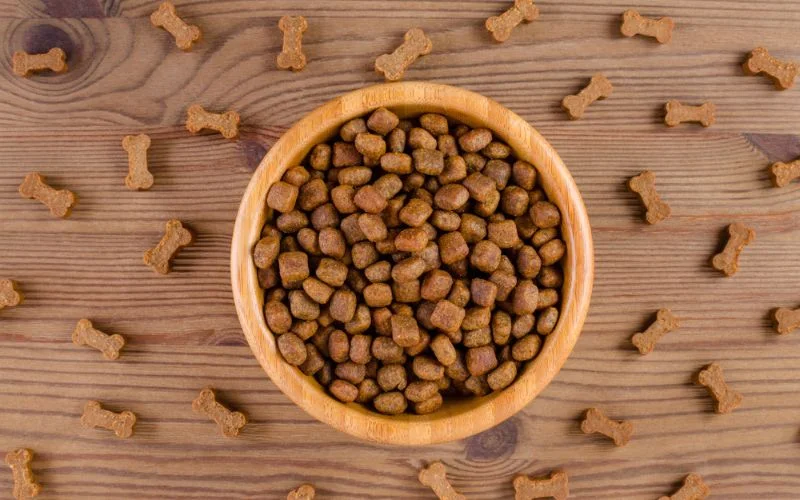
Grain-free dog food has become increasingly popular among pet owners in recent years. This dog food type is formulated without using grains such as wheat, corn, or soy. Instead, it is often made with high-quality proteins, vegetables, and fruits. But what are the benefits of feeding your furry friend a grain-free diet?
One of the main advantages of grain-free dog food is that it can be easier for dogs to digest. Many dogs have sensitivities or allergies to grains, which can lead to digestive issues such as bloating, gas, or diarrhea. By eliminating grains from their diet, these problems can often be alleviated, resulting in a happier and healthier pup.
Another benefit of grain-free dog food is that it can help maintain a healthy weight. Grains are often used as fillers in dog food, providing empty calories that can contribute to weight gain.
Grain-free dog food can help dogs maintain a healthy body weight and avoid obesity-related health issues by removing grains and replacing them with nutrient-dense ingredients.
In addition, grain-free dog food can benefit dogs with certain health conditions. For example, dogs with diabetes or food allergies may benefit from a grain-free diet. These dogs can avoid potential triggers by eliminating grains and better managing their condition.
Furthermore, grain-free dog food is often packed with high-quality proteins. This is essential for dogs, as protein is necessary for developing and maintaining strong muscles. Providing your dog with a protein-rich diet can help support their overall health and well-being.
In conclusion, there are many benefits to feeding your dog a grain-free diet. From improved digestion to weight management and support for specific health conditions, grain-free dog food can be a great choice for your furry friend. Consider making the switch and see the positive impact it can have on your dog’s health.
Are There Any Risks Associated with Grain-Free Dog Food?
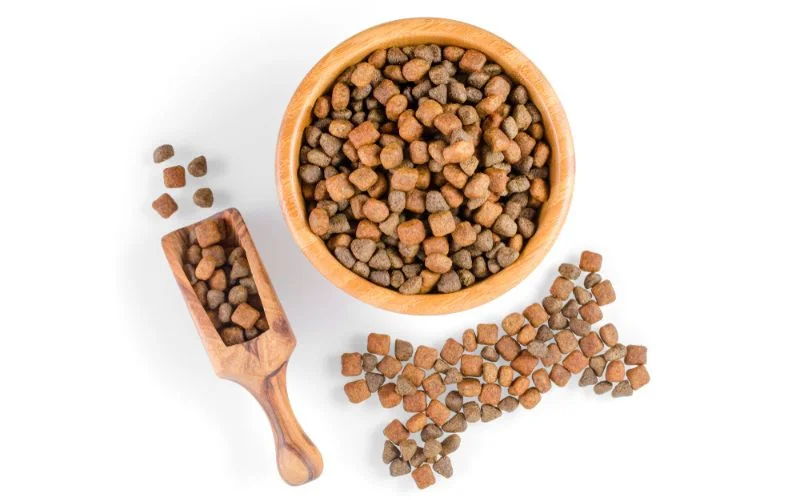
Grain-free dog food has gained popularity recently, with many pet owners believing it to be a healthier option for their furry friends. However, some potential risks are associated with feeding your dog a grain-free diet.
One of the main concerns with grain-free dog food is the potential for nutritional deficiencies. Grains, such as wheat and corn, are a good source of carbohydrates and provide essential nutrients like fiber. When these grains are removed from a dog’s diet, ensuring they get all the nutrients needed to thrive can be challenging.
Another risk associated with grain-free dog food is the possibility of dilated cardiomyopathy (DCM). DCM is a heart condition that can lead to heart failure in dogs.
Some grain-free dog foods may also contain alternative ingredients, such as legumes and potatoes, to replace the grains. While these ingredients can be nutritious, they can also be high in calories and may contribute to weight gain if not carefully monitored.
It’s important to note that not all grain-free dog foods are created equal. Some brands may have undergone rigorous testing to meet nutritional standards, while others may not. It’s essential to do your research and choose a reputable brand that prioritizes your dog’s health.
In conclusion, while grain-free dog food may have benefits, this diet has potential risks. It’s crucial to consult with your veterinarian and make an informed decision based on your dog’s individual needs and health conditions.
What Ingredients Should I Look for in Grain-Free Dog Food?
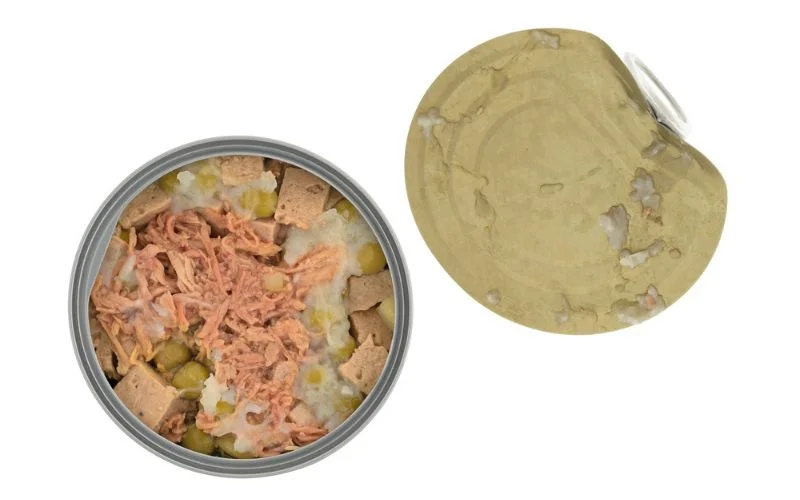
When choosing the best grain-free dog food for your furry friend, paying close attention to the ingredients is important. A high-quality dog food will provide your pet with the essential nutrients they need to thrive while avoiding grains that can be difficult for some dogs to digest. Here are some key ingredients to look for when selecting grain-free dog food.
First and foremost, look for dog food with a high-quality protein source. This could be in the form of real meat, such as chicken, beef, or fish. Protein is essential for your dog’s overall health and helps to support their muscles and energy levels.
Next, consider the fat content of the dog food. Healthy fats, such as those from sources like chicken fat or fish oil, are important for your dog’s skin and coat health. They also provide a source of energy and help to support their immune system.
In addition to protein and fat, it’s important to choose a dog food containing various fruits and vegetables. These provide important vitamins, minerals, and antioxidants for your dog’s health and well-being. Look for ingredients like sweet potatoes, peas, carrots, and blueberries.
Lastly, avoid dog foods that contain artificial additives, preservatives, or fillers. These can harm your dog’s health and provide little nutritional value. Instead, opt for dog foods made with natural ingredients and free from unnecessary additives.
By paying close attention to the ingredients in your dog’s food, you can ensure that you provide them with a high-quality, grain-free diet. Remember to consult your veterinarian to determine the best diet for your dog’s needs. Your furry friend will thank you for it!
Is Grain-Free Dog Food Suitable for All Dogs?
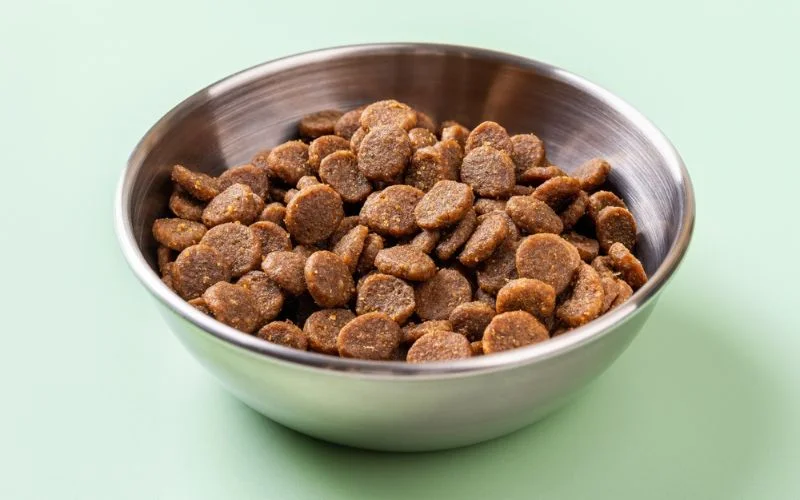
Grain-free dog food has become increasingly popular in recent years, with many pet owners opting for this diet for their furry friends. But is grain-free dog food suitable for all dogs? Let’s take a closer look.
One of the main reasons pet owners choose grain-free dog food is because it is believed to be more natural and closer to what dogs would eat in the wild.
Grain-free dog food typically contains high-quality protein sources such as meat, fish, and poultry, essential for a dog’s overall health and well-being-. These protein sources are also easier for dogs to digest compared to grains.
However, it’s important to note that not all dogs may benefit from a grain-free diet. Dogs with certain medical conditions, such as pancreatitis or food allergies, may require a different diet, including grains. Additionally, some dogs may have specific dietary requirements that can only be met with the inclusion of grains.
It’s always best to consult your veterinarian before changing your dog’s diet. They can assess your dog’s needs and recommend the most suitable diet for them. They may also recommend conducting food trials to determine if your dog has allergies or sensitivities to certain ingredients, including grains.
In conclusion, while grain-free dog food can be a healthy option for many dogs, it may not be suitable for all. It’s important to consider your dog’s specific needs and consult a veterinarian to determine the best diet. Remember, every dog is unique, and what works for one may not work for another.
Are There Any Specific Brands of Grain Free Dog Food That You Recommend?
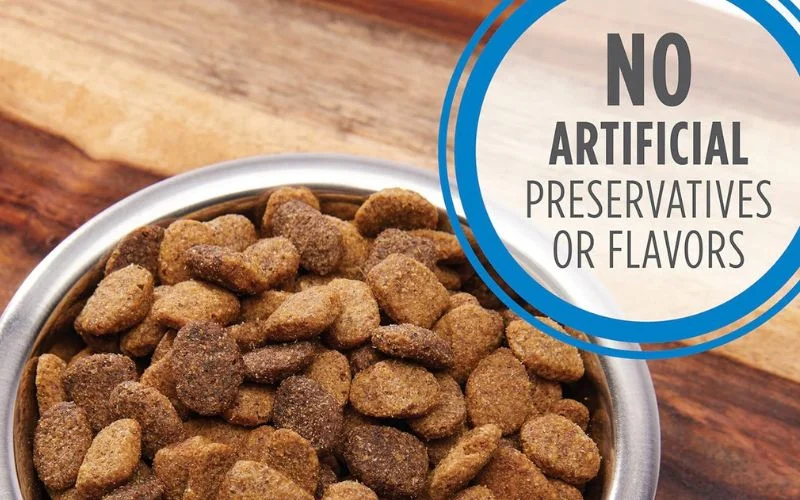
When choosing the best grain-free dog food for your furry friend, several top brands come highly recommended. These brands have gained popularity among dog owners and have proven to provide high-quality, nutritious meals for dogs without using grains.
One of the top brands in the market is Acana. Acana offers a variety of flavors, ensuring that there is something for every dog’s taste preferences.
Another great option is Orijen. . Their formulas are protein- and nutrient-rich, promoting optimal health and vitality.Taste of the Wild offers a range of flavors, allowing you to find the perfect match for your dog’s taste buds.
If you prefer a more budget-friendly option, Merrick is a great choice. Their grain-free dog food formulas are made with high-quality ingredients and are free from grains, corn, wheat, and soy. Merrick offers a variety of flavors and options to cater to different dietary needs.
In conclusion, when it comes to choosing the best grain-free dog food, brands like Acana, Orijen, Taste of the Wild, and Merrick are highly recommended. These brands prioritize using high-quality ingredients and provide dogs with the nutrition they need to thrive. Remember to consult your veterinarian to determine the best option for your dog’s needs.
How Much Grain-Free Dog Food Should I Feed My Dog?
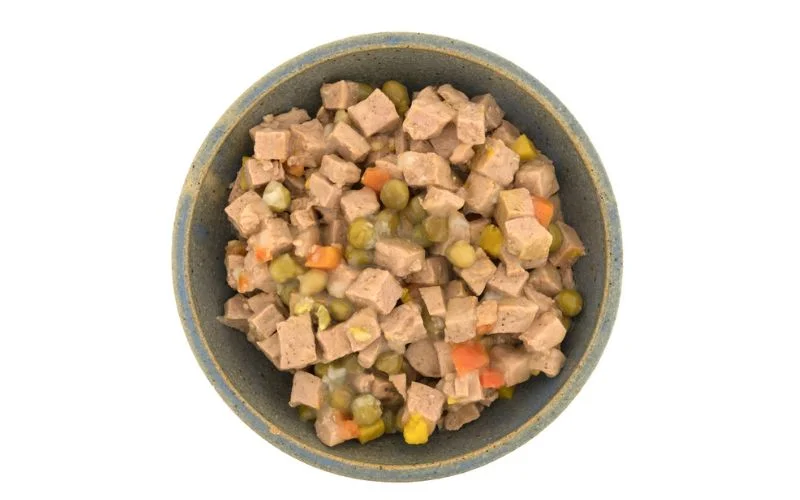
Feeding your dog a grain-free diet has become increasingly popular as more pet owners recognize the potential benefits of eliminating grains from their dog’s food.
But how much grain-free dog food should you be feeding your furry friend? This article will explore some factors to consider when determining the appropriate amount of grain-free dog food for your pet.
One important factor to consider is your dog’s age and weight. Puppies and younger dogs typically require more food than adult dogs as they are still growing and developing. It’s important to consult your veterinarian to determine the appropriate food for your dog based on their specific needs.
Another factor to consider is your dog’s activity level. Active dogs that exercise regularly will generally require more food than sedentary dogs. It’s important to adjust your dog’s food intake based on their activity level to ensure they get the right nutrition.
It’s also important to read the feeding guidelines provided by the manufacturer of your chosen grain-free dog food. These guidelines are typically based on your dog’s weight and can serve as a helpful starting point. However, it’s important to remember that every dog is unique, and individual needs may vary.
Monitoring your dog’s weight and body condition is crucial in determining the appropriate amount of food. If your dog is gaining weight, you may need to decrease their food intake; if they are losing weight, you may need to increase it. Regularly check your dog’s body condition and consult your veterinarian if you have any concerns.
In conclusion, determining the appropriate amount of grain-free dog food to feed your dog requires considering factors such as age, weight, and activity level and reading the feeding guidelines provided by the manufacturer.
By carefully monitoring your dog’s weight and body condition, you can ensure they receive the right nutrition for optimal health.
Can Grain-Free Dog Food Help with Allergies?
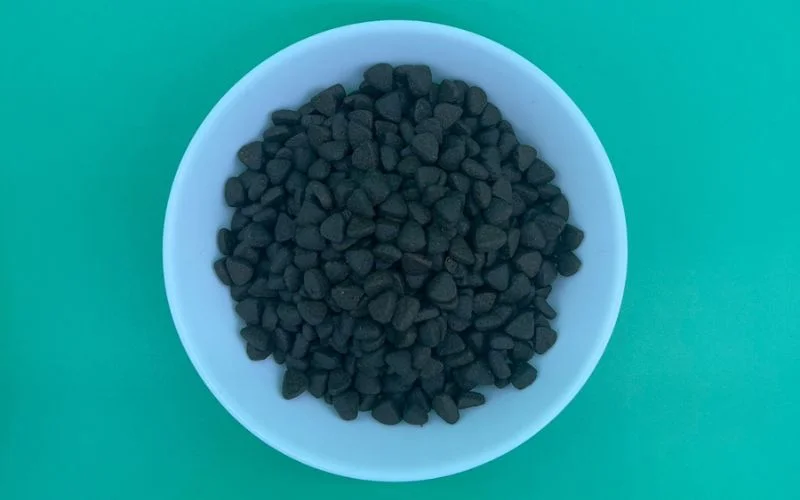
Grain-free dog food has gained popularity in recent years, and many pet owners are turning to this type of diet for their furry friends. One of the main reasons why people choose grain-free dog food is to help with allergies. But can it make a difference?
When it comes to dog allergies, grains are often a common culprit. Many dogs have sensitivities or intolerances to grains such as wheat, corn, and soy.
These grains can cause digestive issues and skin problems and even contribute to chronic inflammation. By eliminating grains from their diet, some dogs may experience relief from these symptoms.
Grain-free dog food typically replaces grains with alternative carbohydrate sources such as sweet potatoes, peas, or lentils. These ingredients are often easier to digest and less likely to trigger allergic reactions.
While grain-free dog food can benefit dogs with grain allergies, it’s important to note that not all dogs will see the same results. Each dog is unique, and what works for one may not work for another. If you suspect your dog has allergies, it’s best to consult your veterinarian to determine the best course of action.
In conclusion, grain-free dog food can help with allergies in some dogs. By eliminating grains from their diet and replacing them with alternative carbohydrate sources, dogs may experience relief from digestive issues, skin problems, and inflammation.
However, it’s important to remember that each dog is different, and what works for one may not work for another. If you’re considering switching your dog to a grain-free diet, consult your veterinarian to ensure it’s the right choice for your furry friend.
Is Grain-Free Dog Food More Expensive Than Regular Dog Food?
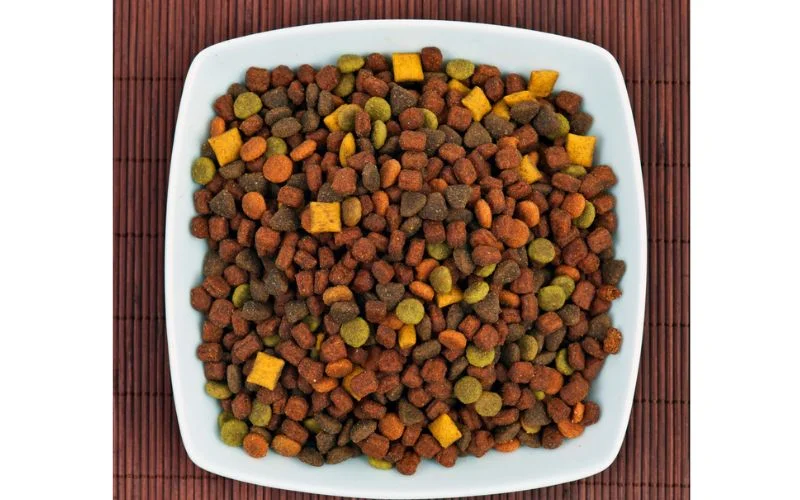
When choosing the best food for our furry friends, many dog owners wonder if grain-free dog food is more expensive than regular dog food. While the cost of dog food can vary depending on the brand and quality, grain-free options tend to be slightly pricier.
Grain-free dog food has gained popularity in recent years due to its potential health benefits for dogs. Instead, it typically includes high-quality protein sources like meat, fish, vegetables, and fruits.
Firstly, the ingredients used in these formulas are often of higher quality and sourced from reputable suppliers. Additionally, the production process for grain-free dog food may be more complex, as manufacturers need to find alternative ingredients to replace grains while still maintaining taste and texture.
However, it is important to note that not all grain-free dog foods are created equal. Some brands may use fillers or lower-quality ingredients, so reading the label and choosing a reputable brand is essential. Consulting with your veterinarian can also help you decide on the best grain-free dog food for your furry friend.
Conclusion
While grain-free dog food may be more expensive than regular dog food, it offers potential health benefits for your pet. Investing in their nutrition ensures their overall well-being and potentially reduces the risk of allergies or digestive issues. Remember to choose a high-quality brand and consult your veterinarian to find the best grain-free option for your dog.
In conclusion, “best grain-free dog food” is important for dog owners who want to provide their furry friends with a healthy and balanced diet. Throughout this post, we have discussed several key points to help you make informed decisions when choosing the right grain-free dog food for your pet.
We have explored the benefits of grain-free dog food, including improved digestion, increased energy levels, and healthier skin and coat. Additionally, we have examined the potential risks associated with grain-free dog food, such as the possibility of nutrient deficiencies and the need for proper supplementation.
When looking for grain-free dog food, paying attention to the ingredients is essential. Opt for high-quality proteins, such as chicken or salmon, and fruits and vegetables for added nutrients. Avoid artificial additives, fillers, and by-products.
While grain-free dog food is suitable for most dogs, it is important to consult with your veterinarian, especially if your dog has specific dietary requirements or health issues. They can provide personalized recommendations based on your dog’s individual needs.
Although many reputable brands of grain-free dog food are available, it is always a good idea to research and read reviews from other dog owners. This will help you find a brand that aligns with your dog’s preferences and dietary needs.
Regarding portion sizes, it is best to follow the feeding guidelines provided by the manufacturer. Adjust the amount based on your dog’s age, weight, and activity level.
Grain-free dog food has been known to help dogs with allergies, as it eliminates common allergens such as wheat and corn. However, it is essential to consult with your veterinarian to determine the underlying cause of your dog’s allergies and develop a comprehensive treatment plan.
While grain-free dog food may be slightly more expensive than regular dog food, the long-term health benefits outweigh the cost. Investing in your dog’s nutrition can prevent future health issues and save you money on veterinary bills.
As the pet food industry continues to evolve, we expect to see more grain-free dog food advancements. Stay updated on the latest research and trends to ensure you provide the best nutrition for your furry friend.
Thank you for taking the time to read this post. We hope you found it informative and helpful. If you have any questions or want to share your experiences with grain-free dog food, please comment below. Your feedback is valuable, and we look forward to hearing from you.
