

Senior Dog Food Options: Nourishing Your Aging Companion
As our beloved canine companions age, their nutritional needs evolve. Just like humans, senior dogs require a specialized diet to support their changing bodies and maintain optimal health.
This article will explore the world of senior dog food options, offering valuable insights and tips to help you make informed decisions about what to feed your aging furry friend.
As a responsible pet owner, it is crucial to understand the unique nutritional requirements of senior dogs. Aging can bring about various health issues, such as joint problems, reduced metabolism, and dental concerns.
Consequently, choosing the right food for your senior dog ensures their overall well-being and longevity. In the vast market of dog food options, there are specific formulations designed specifically for old dogs.
These specialized diets consider the changing needs of older dogs, providing them with the necessary nutrients to support their aging bodies.
From reduced-calorie formulas for weight management to joint-friendly ingredients for improved mobility, senior dog food options offer a tailored approach to meet the specific needs of your aging companion.
But with so many choices available, how do you know which senior dog food best fits your furry friend? This article will explore the factors to consider when selecting an old dog food, including ingredients, nutritional content, and potential dietary restrictions.
We will also explore the benefits of homemade senior dog food and discuss the importance of consulting with your veterinarian to meet your dog’s dietary needs.
Join us on this comprehensive journey through the world of senior dog food options as we uncover the secrets to nourishing your aging companion and enhancing their quality of life.
From exploring different brands to understanding the importance of proper nutrition, this article aims to equip you with the knowledge and tools to make the best choices for your senior dog’s dietary needs.
What Are the Best Senior Dog Food Brands?
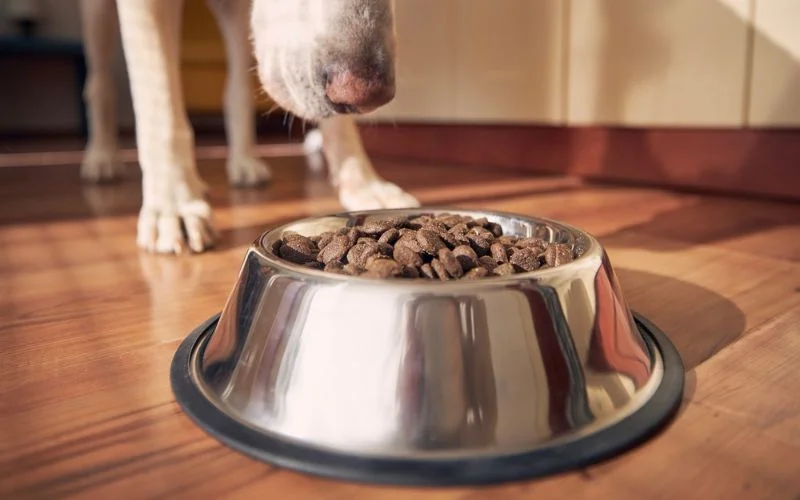
As our furry friends age, their nutritional needs change, requiring a diet that supports their aging bodies. Senior dogs need a balanced and specially formulated diet to maintain their health and vitality.
With so many options available, choosing the best senior dog food brands can be overwhelming. In this article, we will explore some of the top brands that cater to the needs of old dogs.
One of the leading brands in the market is Royal Canin. They offer a range of senior dog food options tailored to meet the specific needs of different breeds and sizes.
Their formulas support joint health, promote digestion, and maintain a healthy weight in older dogs.
Another popular brand is Hill’s Science Diet. They have a variety of senior dog food formulas that are crafted with high-quality ingredients and essential nutrients. Their recipes focus on improving old dogs’ mobility, cognitive function, and overall well-being.
Wellness Complete Health is a great choice for those looking for a more natural approach. They offer senior dog food options free from artificial additives and fillers.
Their recipes include wholesome ingredients like real meat, fruits, and vegetables, providing senior dogs with a balanced and nutritious diet.
Merrick Grain-Free Senior Dog Food is worth considering if you prefer a grain-free option. Their recipes contain high-quality protein sources and essential fatty acids to support joint health and promote a healthy coat.
In conclusion, when choosing the best senior dog food brands, it’s important to consider your dog’s specific needs and preferences.
Whether you opt for Royal Canin, Hill’s Science Diet, Wellness Complete Health, or Merrick Grain-Free, providing your senior dog with a nutritious and balanced diet will help them live a happy and healthy life.
What Are the Key Nutritional Needs for Senior Dogs?

As our furry friends age, their nutritional needs change. Just like humans, senior dogs require a balanced diet to maintain their health and vitality. In this article, we will explore the key nutritional needs of old dogs and how to meet them.
One of the most important nutrients for senior dogs is protein. Protein helps to maintain muscle mass and supports healthy organ function.
Look for dog foods that list high-quality protein sources, such as chicken or fish, as the main ingredient. Avoid products that contain excessive amounts of fillers or by-products.
In addition to protein, senior dogs also need a good source of healthy fats. Omega-3 fatty acids in fish oil and flaxseed are particularly beneficial for older dogs. These fats help to support brain health, reduce inflammation, and promote a shiny coat and healthy skin.
Fiber is another important nutrient for senior dogs. It aids in digestion and helps to prevent constipation, which can be a common issue in older dogs. Look for dog foods that contain easily digestible sources of fiber, such as brown rice or sweet potatoes.
Senior dogs may also benefit from supplements such as glucosamine and chondroitin. These supplements help to support joint health and can alleviate the symptoms of arthritis. Consult with your veterinarian to determine the appropriate dosage for your dog.
Lastly, providing senior dogs with plenty of fresh water is important. Dehydration can be a serious issue for older dogs, so make sure they have access to clean water at all times.
In conclusion, meeting the key nutritional needs of senior dogs is essential for their overall health and well-being.
By providing them with a balanced diet that includes high-quality protein, healthy fats, fiber, and supplements as needed, we can help our furry friends age gracefully and enjoy their golden years to the fullest.
How Often Should I Feed My Senior Dog?
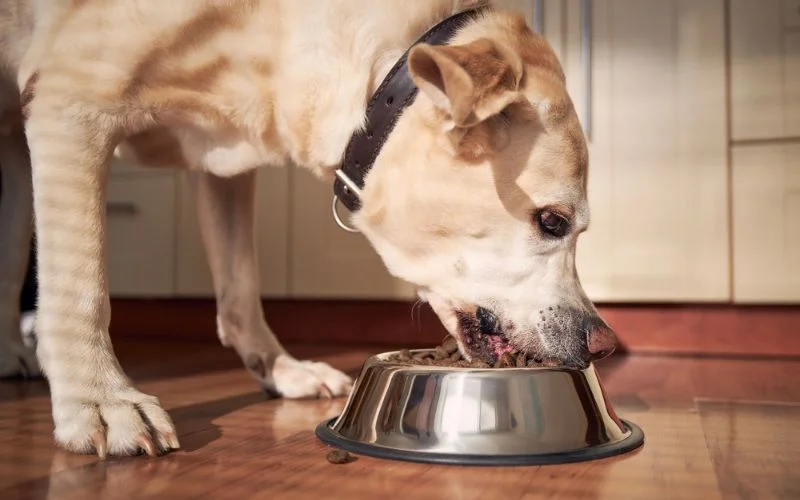
As our furry friends enter their golden years, their dietary needs change, and it’s important for us, as pet owners, to adjust their feeding schedule accordingly.
Finding the right balance in feeding frequency can help senior dogs maintain a healthy weight, prevent digestive issues, and ensure they receive nutrients. So, how often should you feed your old dog?
First and foremost, it’s crucial to consult with your veterinarian to determine the specific dietary requirements of your senior dog.
B breed, size, activity level, and any existing health conditions can influence the feeding schedule. However, as a general guideline, most senior dogs benefit from being fed twice daily.
Dividing their daily food intake into two meals allows for better digestion and absorption of nutrients. It also helps prevent overeating and reduces the risk of obesity, which can put additional strain on aging joints and organs.
By offering smaller, more frequent meals, you can also help manage any potential digestive issues or sensitivities that may arise with age.
It’s important to note that the quantity of food your senior dog needs may change as they age. Older dogs tend to have a slower metabolism, so they may require fewer calories to maintain a healthy weight. Your veterinarian can guide you on the appropriate portion sizes for your dog’s needs.
In addition to regular meals, it’s essential always to provide your senior dog with access to fresh water. Hydration is crucial for their overall well-being, especially as they may be more prone to dehydration as they age.
Remember, every dog is unique, and what works for one may not work for another. Please consider your senior dog’s needs and adjust their feeding schedule. By providing them with the right balance of nutrition and care, you can help ensure they live their golden years to the fullest.
What Are Some Common Health Issues in Senior Dogs?

As our beloved furry friends age, they may start to experience certain health issues that are more common in senior dogs.
Pet owners must be aware of these issues and take the necessary steps to ensure their senior dogs live a happy and healthy life. This article will explore some of the most common health issues old dogs may face.
One of the most prevalent health issues in senior dogs is arthritis. This degenerative joint disease can cause pain, stiffness, and difficulty in movement.
It is important to provide senior dogs with a diet that supports joint health, such as one rich in omega-3 fatty acids and glucosamine.
Another common health issue in senior dogs is dental problems. As dogs age, their teeth can become more susceptible to decay, gum disease, and tooth loss. Regular dental care, including brushing teeth and providing dental chews, can help prevent these issues.
Senior dogs are also prone to obesity, leading to other health problems like diabetes, heart disease, and joint issues.
Monitoring their weight and providing a balanced diet appropriate for their age and activity level is crucial.
Cognitive decline is another health issue that can affect senior dogs. They may experience memory loss, confusion, and behavioral changes. Mental stimulation, such as puzzle toys and interactive games, can help keep their minds sharp.
Incontinence and urinary tract infections are also common in senior dogs. It is important to provide them with frequent bathroom breaks and ensure they can always access fresh water.
By being aware of these common health issues and taking proactive measures to address them, we can ensure that our senior dogs enjoy a comfortable and happy life in their golden years. Stay tuned for more articles on senior dog care and nutrition.
Can I Make Homemade Senior Dog Food?

As pet owners, we always want the best for our furry friends, especially as they enter their senior years. One question often arises is whether making homemade old dog food is possible. The answer is yes, but there are a few important factors to consider.
When it comes to senior dogs, their nutritional needs may differ from those of younger dogs. They may require fewer calories to maintain a healthy weight as they age. It’s important to consult with your veterinarian to determine the specific dietary requirements for your senior dog.
Homemade senior dog food can be a great option for owners wanting more control over their dogs’ eating.
By preparing their meals at home, you can ensure that they are getting high-quality ingredients and avoid any potential allergens or additives that may be present in commercial dog food. To create a balanced homemade senior dog food, it’s important to include a variety of nutrients.
This can be achieved by incorporating lean proteins, such as chicken or turkey, and healthy carbohydrates, like sweet potatoes or brown rice. Adding fruits and vegetables can provide essential vitamins and minerals.
Supplements may also be necessary to ensure your senior dog gets all the nutrients they need. Omega-3 fatty acids, glucosamine, and chondroitin are commonly recommended for old dogs to support joint health and cognitive function.
While making homemade senior dog food can be a rewarding experience, it’s crucial to do thorough research and consult with your veterinarian to ensure that you meet your dog’s specific dietary needs. Additionally, monitoring your dog’s weight and overall health is important.
In conclusion, making homemade senior dog food can be a viable option for pet owners who want to provide their furry friends with a nutritious and personalized diet.
However, it’s crucial to consult with your veterinarian to ensure you meet your dog’s specific dietary requirements. You can create homemade meals to keep your senior dog happy and healthy with proper planning and attention to detail.
Should I Consult a Veterinarian Before Changing My Dog’s Food?

When changing your senior dog’s food, consulting a veterinarian is always wise. Old dogs have specific dietary needs that may differ from those of younger dogs, and a veterinarian can provide valuable guidance to ensure your furry friend stays healthy and happy.
As dogs age, their metabolism slows down, and they may become more prone to certain health conditions such as arthritis, obesity, or kidney disease.
These conditions can be managed or even prevented through a proper diet. A veterinarian can assess your dog’s needs and recommend the best senior dog food options catering to their unique requirements.
Additionally, senior dogs may have dental issues or a decreased appetite, which can make it challenging for them to eat certain types of food.
A veterinarian can evaluate your dog’s oral health and recommend appropriate food options that are easier to chew and digest. Changing your dog’s food abruptly can lead to digestive upset, including diarrhea or vomiting.
A veterinarian can guide you through a gradual transition process, where you slowly introduce the new food while gradually reducing the old food. This helps your dog’s digestive system adapt to the change and minimizes potential discomfort.
Furthermore, a veterinarian can monitor your dog’s response to the new food and make necessary adjustments. They can provide valuable insights into changes in your dog’s weight, energy levels, or overall health, ensuring that the new food meets their nutritional needs.
In conclusion, consulting a veterinarian before changing your senior dog’s food is essential for their well-being. A veterinarian can offer expert advice tailored to your dog’s needs, ensuring they receive the best nutrition possible.
So, before making any dietary changes, visit your veterinarian to discuss the best senior dog food options for your furry companion.
What Are Some Signs of Allergies in Senior Dogs?
As our beloved furry friends age, they may develop allergies that can cause discomfort and health issues. Senior dog owners must know the signs of allergies to provide the necessary care and support.
This article will explore some common signs of allergies in senior dogs, helping you better understand and address your pet’s needs.
One of the most noticeable signs of allergies in senior dogs is excessive itching and scratching. If you notice your dog constantly scratching, biting, or licking their skin, it may indicate an allergy.
Allergies can also manifest as redness, inflammation, or rashes on the skin. Pay close attention to changes in your dog’s coat or skin condition.
Another common sign of allergies in senior dogs is gastrointestinal issues. If your dog experiences frequent diarrhea, vomiting, or has a decreased appetite, it could result from allergies. Allergies can affect the digestive system, causing discomfort and digestive disturbances.
Respiratory symptoms can also indicate allergies in senior dogs. If your dog has frequent sneezing, coughing, or wheezing, it may be a sign of respiratory allergies. Pollen, dust mites, or other environmental factors can trigger these allergies.
Additionally, allergies can affect your dog’s ears and eyes. It could be a sign of allergies if you notice your dog constantly rubbing their ears, shaking their head, or having red and swollen eyes. These symptoms may also be accompanied by excessive tearing or discharge.
In conclusion, being aware of the signs of allergies in senior dogs is crucial for their overall well-being. By recognizing these symptoms, you can take appropriate measures to relieve and improve their quality of life.
If you suspect your senior dog may have allergies, it’s always best to consult a veterinarian for a proper diagnosis and treatment plan.
Are There Any Senior Dog Food Options for Dogs with Sensitive Stomachs?
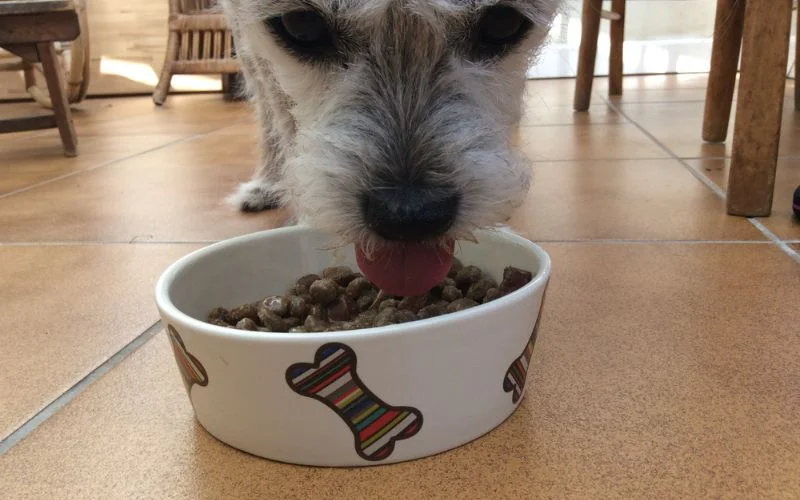
As our beloved dogs age, their nutritional needs change. Just like humans, senior dogs can develop sensitive stomachs, which can make it challenging to find the right food for them.
Luckily, several senior dog food options are available specifically formulated for dogs with sensitive stomachs.
One popular option is a limited-ingredient diet. These diets contain few ingredients, making it easier for dogs to digest.
They often include novel protein sources such as duck or venison, which are less likely to cause allergies or sensitivities. Additionally, limited-ingredient diets usually exclude common allergens like wheat, corn, and soy.
Another option is a grain-free diet. Many senior dogs have trouble digesting grains, so opting for a grain-free formula can alleviate stomach issues. These diets typically use alternative carbohydrate sources like sweet potatoes or peas, which are easier to digest.
Probiotics are also beneficial for senior dogs with sensitive stomachs. These supplements promote healthy digestion by balancing the gut flora. Look for old dog foods that include probiotics, or consider adding a probiotic supplement to your dog’s diet.
Additionally, there are senior dog food options that are specifically designed for dogs with sensitive stomachs.
These formulas often contain easily digestible proteins, carbohydrates, and added fiber to promote healthy digestion. They may also include ingredients like ginger or peppermint, which can help soothe the stomach.
In conclusion, if you have a senior dog with a sensitive stomach, several food options are available. Whether you choose a limited-ingredient diet, a grain-free formula, or a specialized old dog food, it’s important to find a diet that meets your dog’s unique needs.
Consult with your veterinarian to determine the best option for your furry friend.
Conclusion
This post has covered various topics related to senior dog food options.
We have discussed the best senior dog food brands, the key nutritional needs for old dogs, the frequency of feeding, common health issues in old dogs, homemade old dog food, consulting a veterinarian before changing your dog’s food, signs of allergies in old dogs, and senior dog food options for dogs with sensitive stomachs.
Choosing the right senior dog food brand for your furry companion is crucial. Look for brands that provide a balanced diet with high-quality ingredients tailored to meet the specific needs of older dogs.
Additionally, consider the nutritional requirements of your senior dog, such as joint support, digestive health, and weight management.
Feeding frequency is another important aspect to consider. Senior dogs may benefit from smaller, more frequent meals to aid digestion and prevent weight gain. However, consult your veterinarian to determine your dog’s best feeding schedule.
As dogs age, they are more prone to certain health issues such as arthritis, dental problems, and decreased immune function. Regular veterinary check-ups and a proper diet can help address and prevent these issues.
While homemade senior dog food may seem like a good idea, it is important to consult with a veterinarian or a veterinary nutritionist to ensure your dog’s nutritional needs are met. They can help you create a balanced and safe homemade diet for your senior dog.
If you notice any signs of allergies in your senior dog, such as itching, redness, or gastrointestinal distress, it is essential to consult with a veterinarian. They can help identify allergens and recommend suitable dietary changes or hypoallergenic senior dog food options.
Lastly, I encourage you to consult your veterinarian before changing your dog’s diet. They can provide personalized advice based on your dog’s needs and health conditions.
We can expect continued advancements in senior dog food options in the future, with more brands focusing on tailored nutrition for aging dogs. Stay informed about new developments in the market to ensure your old dog’s well-being.
Thank you for taking the time to read this post. I hope you found it informative and helpful. Please feel free to leave any comments or feedback. Your input is valuable in creating relevant and useful content for our readers.
