

Hypoallergenic Dog Food: A Solution for Canine Allergies
As dog owners, we want the best for our furry friends. We strive to provide them with a healthy and balanced diet that meets their nutritional needs. However, some dogs suffer from allergies, making it challenging to find suitable food options. This is where hypoallergenic dog food comes into play.
Hypoallergenic dog food is specially formulated to minimize the risk of triggering allergic reactions in dogs. It is designed to be free from common allergens such as wheat, soy, and dairy, which are known to cause sensitivities in some canines. By eliminating these potential triggers, hypoallergenic dog food aims to relieve dogs with food allergies or intolerances.
One of the main benefits of hypoallergenic dog food is that it can help alleviate allergy symptoms. Dogs with allergies often experience skin irritations, itching, gastrointestinal issues, and even ear infections. Switching to a hypoallergenic diet can relieve these symptoms, improving your dog’s overall well-being and quality of life.
Another advantage of hypoallergenic dog food is that it can help identify specific food allergies or intolerances. You can pinpoint the ingredients causing the allergic reactions by eliminating common allergens from your dog’s diet. This information is invaluable for future dietary choices and can prevent further discomfort for your beloved pet.
It’s important to note that hypoallergenic dog food is not a one-size-fits-all solution. Each dog is unique, and what works for one may not work for another. Consulting with your veterinarian is crucial to determine the best action for your dog’s needs.
In conclusion, hypoallergenic dog food offers a promising solution for dogs with allergies or sensitivities. Providing a carefully crafted diet that eliminates common allergens can help alleviate symptoms and improve your dog’s overall health.
The following articles will delve deeper into the different types of hypoallergenic dog food, how to choose the right one for your dog, and other essential considerations for managing canine allergies. Stay tuned for more valuable insights on this topic!
What Are the Benefits of Hypoallergenic Dog Food?
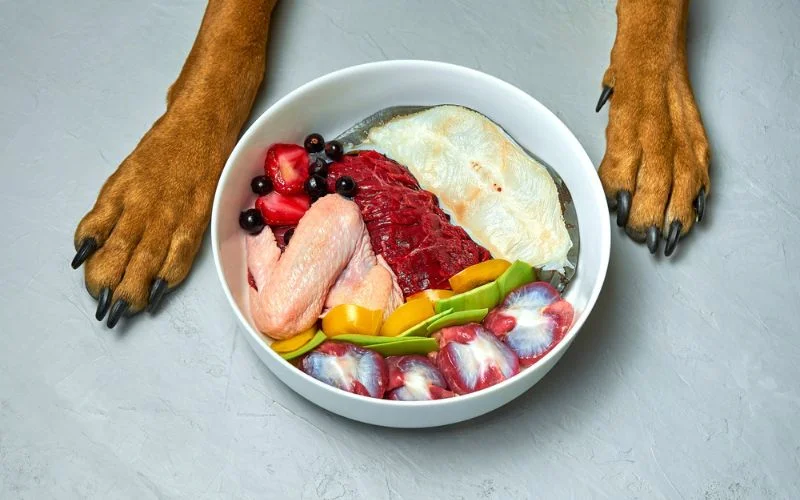
Hypoallergenic dog food has gained popularity recently as more pet owners know its potential benefits. This specialized type of dog food is formulated to minimize allergenic ingredients that can cause adverse reactions in dogs with food sensitivities or allergies.
By understanding the benefits of hypoallergenic dog food, pet owners can make informed decisions about their furry friends’ nutrition.
One of the primary benefits of hypoallergenic dog food is its ability to alleviate food allergies and sensitivities. Many dogs are allergic to common ingredients in regular dog food, such as beef, chicken, wheat, or soy.
Hypoallergenic dog food is carefully crafted to exclude these allergens, making it easier for dogs to digest and reducing the risk of allergic reactions.
Another advantage of hypoallergenic dog food is its potential to improve skin and coat health. Allergies in dogs often manifest through skin issues, such as itching, redness, or hot spots. By eliminating allergenic ingredients, hypoallergenic dog food can help alleviate these symptoms and promote healthier skin and a shinier coat.
Furthermore, hypoallergenic dog food can contribute to better digestive health. Dogs with food allergies or sensitivities often experience gastrointestinal upset, such as diarrhea or vomiting.
Hypoallergenic dog food is formulated with easily digestible ingredients, reducing the strain on the digestive system and promoting optimal nutrient absorption.
In conclusion, hypoallergenic dog food offers several benefits for dogs with allergies or sensitivities. Eliminating allergenic ingredients can alleviate allergic reactions, improve skin and coat health, and support better digestive health. If your dog experiences food-related issues, consulting with a veterinarian and considering hypoallergenic dog food may be wise.
How to Choose the Right Hypoallergenic Dog Food?
Choosing the right hypoallergenic dog food is crucial for the health and well-being of your furry friend. Finding the right food can make a difference if your dog has allergies or sensitivities. This article will guide you through selecting the best hypoallergenic dog food for your beloved pet.
First and foremost, it is important to consult with your veterinarian. They can diagnose allergies or sensitivities your dog may have and recommend suitable dietary options. Your vet may also suggest an elimination diet to identify specific food triggers.
When searching for hypoallergenic dog food, always read the ingredient list carefully. Look for high-quality, easily digestible proteins such as lamb, duck, or salmon. Avoid common allergens like chicken, beef, or grains. Opt for limited-ingredient diets that minimize the risk of triggering allergies.
Consider the size, age, and activity level of your dog. Different breeds have different nutritional requirements, so choose a hypoallergenic dog food that meets your dog’s needs. Puppies, senior dogs, and active dogs may require different formulas.
Choosing a hypoallergenic dog food free from artificial additives and preservatives is also essential. Look for natural antioxidants like vitamins E and C to support your dog’s immune system.
Transitioning your dog to a new food should be done gradually to avoid digestive upset. Start by mixing a small amount of the fresh hypoallergenic dog food with your dog’s current food, gradually increasing the ratio over a week or two.
Finding the right hypoallergenic dog food may take some trial and error. Be patient and monitor your dog’s response to the new diet. If you notice any adverse reactions or your dog’s symptoms persist, consult your vet for further guidance.
By following these tips, you can choose the right hypoallergenic dog food to provide your furry companion with the nutrition they need while minimizing allergic reactions. Your dog’s health and happiness are worth the extra effort!
Can Hypoallergenic Dog Food Help with Allergies?
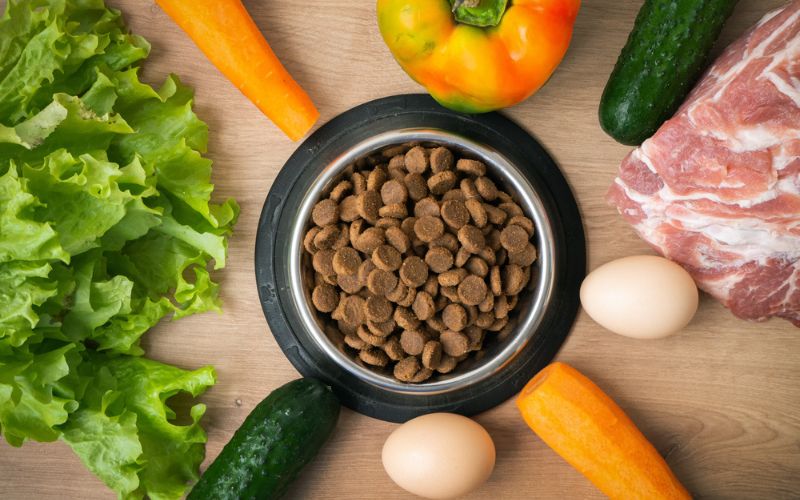
Hypoallergenic dog food has gained popularity recently as more pet owners know their dogs’ allergies. But can hypoallergenic dog food help with allergies? Let’s delve into this topic and find out.
Firstly, it’s important to understand what hypoallergenic dog food is. This type of dog food is specially formulated to minimize the risk of triggering allergic reactions in dogs.
It typically contains limited ingredients, avoiding common allergens such as wheat, corn, soy, and dairy. Instead, it focuses on high-quality proteins and easily digestible carbohydrates.
Many dogs suffer from food allergies, which can manifest as skin irritations, gastrointestinal issues, or even respiratory problems. These allergies are often caused by the proteins or grains in regular dog food. By switching to hypoallergenic dog food, pet owners hope to alleviate these symptoms and improve their furry friends’ overall health.
While the effectiveness of hypoallergenic dog food varies from dog to dog, many pet owners have reported positive results. By eliminating potential allergens from their dog’s diet, they have seen a reduction in allergic reactions and an improvement in their dog’s overall well-being.
However, it’s important to note that not all dogs will benefit from hypoallergenic dog food, as various factors can cause allergies.
If you suspect that your dog has food allergies, it’s best to consult with your veterinarian. They can help determine the underlying cause of your dog’s allergies and recommend the most suitable diet. In some cases, hypoallergenic dog food may be the answer, while additional medical intervention may be required in others.
In conclusion, hypoallergenic dog food can be a helpful tool in managing allergies in dogs. While it may not be a cure-all, many pet owners have successfully alleviated their dog’s reactions by switching to hypoallergenic options. If your dog is suffering from allergies, it’s worth exploring this dietary option under the guidance of a veterinarian.
What Ingredients Should I Look for in Hypoallergenic Dog Food?

When choosing the right hypoallergenic dog food for your furry friend, it’s important to understand what ingredients to look for.
Hypoallergenic dog food is specifically formulated to minimize the risk of allergic reactions in dogs, making it a great choice for pets with food sensitivities or allergies. By selecting the right ingredients, you can meet your dog’s dietary needs while keeping them healthy and happy.
One of the key ingredients to look for in hypoallergenic dog food is a high-quality protein source. Common options include lamb, venison, or duck, as these proteins are less likely to cause dog allergies. Avoid dog food that contains common allergens, such as beef, chicken, or grains like wheat and corn.
In addition to a quality protein source, hypoallergenic dog food should contain easily digestible carbohydrates. Sweet potatoes, peas, and brown rice are good options as they provide energy without triggering allergies. These ingredients are also a great fiber source, promoting healthy digestion.
Another important consideration is the inclusion of omega-3 fatty acids in the dog food. These essential fatty acids help support a healthy coat and skin, reducing the likelihood of skin allergies. Look for ingredients like fish oil or flaxseed, which are rich in omega-3s.
Lastly, avoiding artificial additives and preservatives in hypoallergenic dog food is important. These can potentially trigger allergies or other adverse reactions in sensitive dogs. Opt for dog food free from artificial flavors, colors, and preservatives to ensure your pet’s well-being.
You can provide your furry friend with a nutritious, allergen-free diet by selecting hypoallergenic dog food with these key ingredients. Remember to consult with your veterinarian to determine the best hypoallergenic dog food for your pet’s specific needs.
Are There Any Side Effects of Hypoallergenic Dog Food?
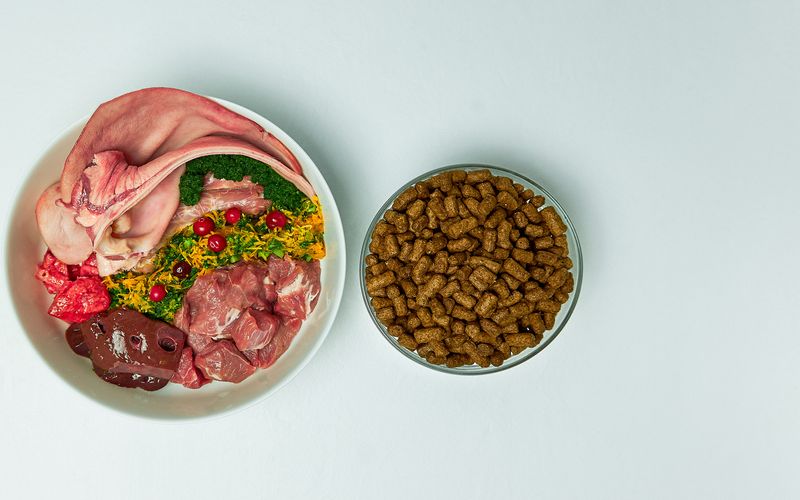
Hypoallergenic dog food has gained popularity among pet owners who have dogs with food allergies or sensitivities. It is specially formulated to minimize potential allergens and provide a balanced diet for dogs.
While hypoallergenic dog food can benefit certain dogs, it is important to understand that there may be some possible side effects.
One possible side effect of hypoallergenic dog food is a change in bowel movements. Some dogs may experience loose stools or diarrhea when transitioning to a new diet.
This is often a temporary adjustment period as their digestive system adapts to the fresh food. Introducing fresh food gradually is recommended to minimize any digestive upset.
Another side effect to be aware of is the potential for nutrient deficiencies. Hypoallergenic dog food often eliminates common allergens such as wheat, soy, or dairy, which can be sources of essential nutrients.
Choosing a hypoallergenic dog food that is nutritionally balanced and meets your dog’s specific needs is important. Regular monitoring and consultation with a veterinarian can help ensure your dog receives all the necessary nutrients.
Some dogs may also experience a lack of appetite or decreased interest in their food when switching to hypoallergenic dog food. This can be due to a change in taste or texture. Adding variety to their meals or consulting a veterinarian can help address this issue.
It is worth noting that not all dogs will experience side effects when switching to hypoallergenic dog food. Many dogs thrive on this type of diet and experience improved overall health. However, monitoring your dog closely during the transition period is important, and consult with a veterinarian if you have any concerns.
In conclusion, while hypoallergenic dog food can be beneficial for dogs with food allergies or sensitivities, there may be some potential side effects to consider.
It is important to choose a nutritionally balanced option, introduce the new food gradually, and monitor your dog’s response. Consulting with a veterinarian can provide guidance and ensure that your dog’s dietary needs are met.
Is Hypoallergenic Dog Food Suitable for All Breeds?

Hypoallergenic dog food has gained popularity recently as more pet owners know their dogs’ dietary needs. But is hypoallergenic dog food suitable for all breeds? Let’s delve into this question and explore the factors to consider.
Firstly, it’s important to understand what hypoallergenic dog food is. This type of food is formulated to minimize the risk of allergic reactions in dogs.
It typically contains limited ingredients, such as novel protein sources like venison or duck, and avoids common allergens like wheat, soy, and dairy. While hypoallergenic dog food can benefit dogs with food sensitivities or allergies, it may not be necessary for all breeds.
Each dog breed has its unique nutritional requirements. Some species have specific dietary needs due to size, activity level, or health conditions. For example, small breeds may require higher calorie content, while large breeds may need additional joint support.
Hypoallergenic dog food may not always meet these specific needs, and it’s essential to consult a veterinarian to determine the best diet for your dog.
Additionally, some breeds are more prone to allergies than others. Species with sensitive skin or a history of food allergies may benefit from hypoallergenic dog food. However, species without a predisposition to allergies may not require this specialized diet.
It’s also worth noting that hypoallergenic dog food can be more expensive than regular dog food. If your dog has no known allergies or sensitivities, sticking to a high-quality, balanced diet that meets their specific breed requirements may be more cost-effective.
In conclusion, while hypoallergenic dog food can benefit certain breeds with allergies or sensitivities, it may not be necessary or suitable for all species. Consulting with a veterinarian is crucial in determining the best diet for your dog, considering their breed, size, activity level, and any specific health conditions.
Can Hypoallergenic Dog Food Improve My Dog’s Skin and Coat?
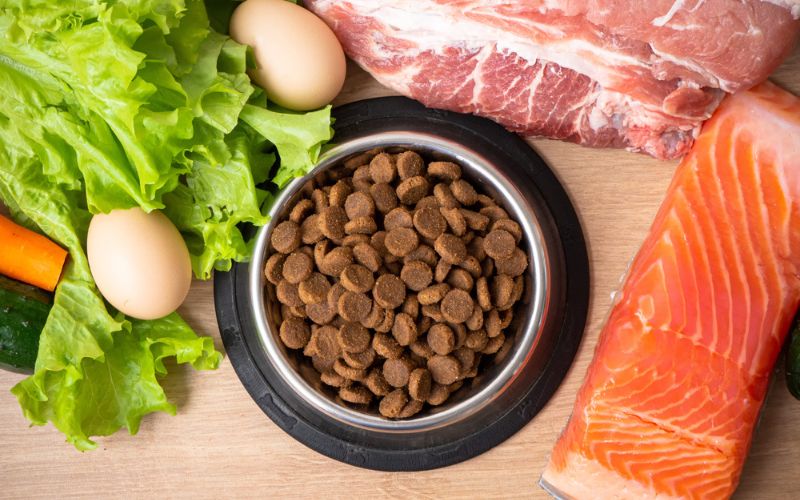
Hypoallergenic dog food has gained popularity among owners looking to improve their furry friend’s skin and coat. But does it work? Can switching to hypoallergenic dog food make a noticeable difference in your dog’s overall appearance?
The answer is yes, it can. Hypoallergenic dog food is specially formulated to reduce the risk of allergic reactions in dogs. It is made with high-quality ingredients less likely to trigger allergies, such as novel proteins like duck or venison and carbohydrates like sweet potatoes or peas.
By eliminating common allergens like wheat, corn, and soy, hypoallergenic dog food helps to alleviate skin irritations and improve coat health.
One of the key benefits of hypoallergenic dog food is its ability to address skin conditions caused by food allergies. Many dogs suffer from allergic reactions to certain food ingredients, manifesting as itchy, dry skin, hot spots, or excessive shedding.
Hypoallergenic dog food can help alleviate these symptoms and promote healthier skin and coat by providing a diet free from these allergens.
In addition to eliminating allergens, hypoallergenic dog food is often rich in essential fatty acids like omega-3 and omega-6. These fatty acids are crucial in maintaining healthy skin and a shiny coat. They help to reduce inflammation, moisturize the skin, and promote a strong and lustrous coat.
While switching to hypoallergenic dog food can benefit dogs with allergies or skin issues, it is important to consult your veterinarian before making any dietary changes. Your vet can help determine if hypoallergenic dog food is right for your dog and recommend the best options based on their needs.
In conclusion, hypoallergenic dog food can improve your dog’s skin and coat. Eliminating allergens and providing essential nutrients helps alleviate allergic reactions, promote healthier skin, and enhance the overall appearance of your furry friend. Consider switching to hypoallergenic dog food and see its positive impact on your dog’s well-being.
How Long Does It Take to See Results from Hypoallergenic Dog Food?
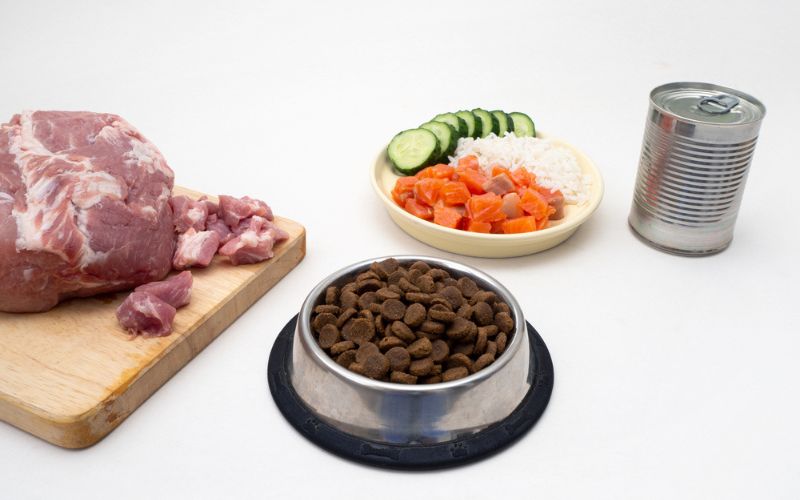
When feeding our furry friends, we want to ensure they get the best nutrition possible. For dogs with allergies, hypoallergenic dog food can be a game-changer. But how long does it take to see results from this specialized diet?
The answer to this question can vary depending on the dog’s allergies. Generally, giving hypoallergenic dog food a trial period of at least 8 to 12 weeks is recommended. During this time, you should closely monitor your dog’s symptoms and any changes in their overall health.
You may not notice significant changes during the first few weeks of transitioning to hypoallergenic dog food. It takes time for the body to adjust to a new diet and eliminate allergens. However, as the weeks go by, you may see improvements in your dog’s skin and coat condition, digestion, and overall energy levels.
It’s important to note that some dogs may see results sooner, while others may take longer to show improvement. Each dog is unique, and their response to hypoallergenic dog food can vary. Patience is key during this process, as it can take time for the body to heal and for any underlying allergies to subside.
Suppose you have been feeding your dog hypoallergenic dog food for the recommended trial period and have not seen any improvement in their symptoms. In that case, it may be worth consulting with a veterinarian. They can provide further guidance and help determine if other underlying issues may contribute to your dog’s allergies.
Conclusion
The time it takes to see results from hypoallergenic dog food can vary. It is important to give it a fair trial period of at least 8 to 12 weeks and closely monitor your dog’s symptoms. Remember to consult with a veterinarian if you have any concerns or if your dog’s allergies persist.
By opting for hypoallergenic dog food, pet owners can provide their furry friends with a diet specifically formulated to minimize allergic reactions and promote overall well-being. The careful selection of ingredients, such as novel proteins and limited grains, ensures that dogs receive the necessary nutrients without triggering allergies.
It is important to note that while hypoallergenic dog food can be highly beneficial, it is always recommended to consult with a veterinarian to determine the best course of action for your dog’s specific needs. Additionally, monitoring your dog’s response to the new diet is crucial to ensure its effectiveness.
Looking ahead, the field of hypoallergenic dog food is continually evolving, with new ingredients and formulations being developed to cater to the unique dietary requirements of dogs. As more research is conducted, we can expect further advancements in this area, providing even better options for dogs with allergies.
Thank you for taking the time to read this post on hypoallergenic dog food. We hope the information provided has helped you understand the benefits and considerations associated with this specialized diet.
If you have any questions or comments, we encourage you to leave them below. Your feedback is valuable as we strive to provide our readers with the most relevant and informative content.
