

Rehoming Dog: Finding a New Home for Your Furry Friend
Finding a new home for your beloved dog can be difficult and emotional. Whether due to a change in circumstances, a lack of time to care for them properly, or any other reason, rehoming a dog requires careful consideration and planning.
This article will explore the various aspects of rehoming a dog, providing valuable insights and guidance to ensure a smooth transition for you and your furry friend.
When it comes to rehoming a dog, there are several important factors to take into account. First and foremost, finding a suitable new home that will provide the love, care, and attention your dog deserves is crucial.
This might involve reaching out to friends, family, or even local shelters and rescue organizations to find potential adopters willing and able to provide a loving environment.
Additionally, it’s essential to consider your dog’s emotional well-being throughout the rehoming process. Dogs are highly social animals, and the sudden change in their living situation can be stressful.
Taking the time to gradually introduce your dog to their new home and potential adopters can help ease their transition and ensure they feel safe and secure.
Furthermore, it’s important to communicate openly and honestly with potential adopters about your dog’s personality, medical history, and any specific needs they may have. This will help ensure your dog finds the perfect match and avoids potential issues.
The following sections will delve deeper into each topic, providing valuable tips and advice for successfully rehoming your dog.
We will cover everything from preparing your dog for its new home to finding the right adopter and ensuring a smooth transition.
So, if you’re considering rehoming your dog or simply interested in learning more about the topic, read on. The journey of finding a new home for your furry friend begins here.
What Is the Process for Rehoming a Dog?

Rehoming a dog can be a challenging but rewarding experience. Whether you cannot care for your current pet or have found a stray dog needing a loving home, rehoming requires careful consideration and planning. A few key steps can ensure a smooth transition for you and the dog.
Firstly, it is essential to assess the dog’s needs and temperament. This will help you determine the type of home that would best fit the dog.
Consider factors such as the dog’s age, size, energy level, and any specific requirements they may have. This information will be crucial in finding the right adoptive family or individual.
Next, you will need to gather all necessary documentation. This includes the dog’s medical records, vaccination history, and other relevant paperwork.
Potential adopters will want to know about the dog’s health and past medical issues. Having these documents readily available will make the rehoming process much smoother.
Once you have assessed the dog’s needs and gathered the necessary paperwork, it’s time to find a suitable home. Several options include contacting friends, family, or local rescue organizations.
You can also consider posting on social media platforms to reach a wider audience. Be sure to screen potential adopters carefully to ensure they can provide a loving and safe environment for the dog.
After finding a potential adopter, conducting a thorough home visit is crucial. This will allow you to assess the living conditions and ensure it meets the dog’s needs.
Additionally, it provides an opportunity to answer any questions the potential adopter may have and address any concerns.
Finally, it’s time to facilitate the adoption once you have found a suitable home. This involves signing adoption paperwork, transferring ownership, and providing the new owner with all necessary information about the dog’s care.
Rehoming a dog requires careful planning and consideration. By following these steps, you can ensure the dog’s successful and smooth transition, ultimately finding them a loving and permanent home.
What Should I Consider Before Rehoming My Dog?
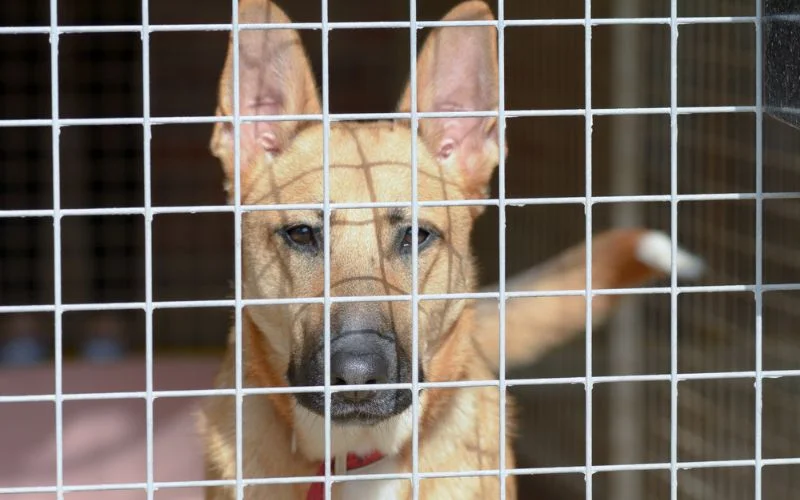
Rehoming a dog is a big decision that should not be taken lightly. Several important factors must be considered before finding a new home for your furry friend.
First and foremost, think about why you are considering rehoming your dog. Is it due to a change in your living situation, such as moving to a place that doesn’t allow pets?
Or perhaps you are facing financial difficulties and can no longer afford to care for your dog. Understanding the underlying reasons will help you make an informed decision.
Next, consider the impact rehoming will have on your dog. Dogs are social animals and form strong bonds with their owners.
Moving to a new home can be stressful and confusing for them. Consider whether rehoming is truly in their best interest and if other options are available, such as finding a dog-friendly living arrangement or seeking financial assistance.
It is also important to assess your dog’s behavior and health. If your dog has behavioral issues that make it difficult to live with, consider seeking professional help from a trainer or behaviorist before rehoming.
Additionally, if your dog has any medical conditions, consider whether the new home can provide the necessary care.
Finding a responsible and loving new owner is crucial when rehoming your dog. Take the time to thoroughly vet potential adopters, ensuring they have the means and commitment to provide a good home.
Consider conducting home visits and asking for references to ensure your dog will be in safe hands. Rehoming a dog is a decision that should not be made hastily.
By carefully considering the reasons and impact on your dog and finding the right new owner, you can ensure that your furry friend will transition smoothly to their new home. Remember, your dog’s well-being should always be the top priority.
Can I Rehome a Dog That Has Aggression Issues?
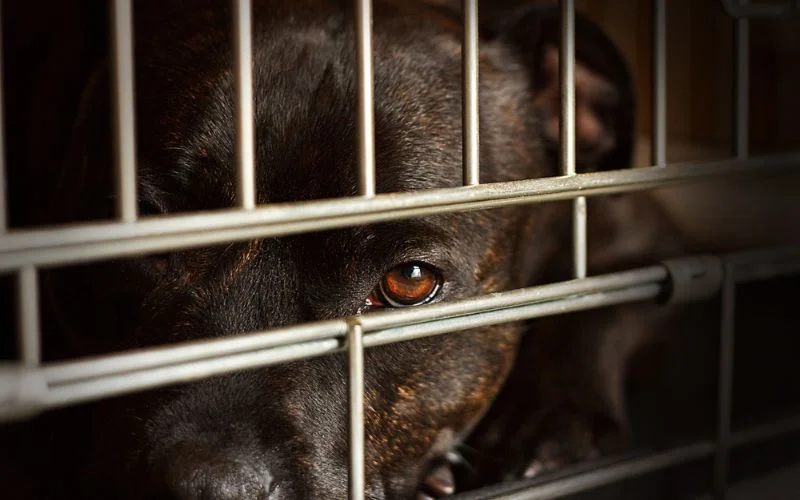
Rehoming a dog can be difficult, especially when the dog has aggression issues. It is important to consider the safety of both the dog and potential new owners. While rehoming a dog with aggression issues is possible, it requires careful consideration and proper handling.
First and foremost, it is essential to understand the underlying causes of the dog’s aggression. Aggression in dogs can stem from various factors such as fear, territoriality, or past traumatic experiences. Identifying the root cause can help determine whether the attack can be managed or rehabilitated.
Being transparent about their behavior is crucial if you rehome a dog with aggression. Potential new owners must be fully informed about the dog’s charge and any triggers that may provoke it.
This will allow them to make an informed decision and ensure they have the necessary skills and resources to handle the dog’s behavior. When rehoming a dog with aggression issues, it is advisable to seek professional help.
Consulting with a certified dog behaviorist or trainer can guide you in managing the dog’s aggression and help assess potential adopters. They can also advise on training techniques and strategies to address the dog’s behavior.
Additionally, it is important to consider the environment and lifestyle of potential adopters. Some households may not be suitable for a dog with aggression issues, especially if children or other pets are present. Finding the right match is crucial to ensure the dog’s safety and well-being in their new home.
In conclusion, rehoming a dog aggressively is possible but requires careful consideration and responsible handling.
Understanding the underlying causes of the aggression, being transparent with potential adopters, seeking professional help, and finding the right match, giving these dogs a second chance at a loving home is possible.
How Long Does It Take to Rehome a Dog?

Rehoming a dog is a process that requires careful consideration and planning. Many factors come into play when determining how long it will take to find a new home for a needy dog. While there is no set timeframe for rehoming a dog, several factors can influence the speed of the process.
One of the most significant factors is the dog’s breed and age. Popular breeds and puppies tend to find new homes more quickly, while older dogs or those with specific needs may take longer to rehome.
The dog’s size and temperament can also affect the time it takes to find a suitable match. Another crucial factor is the efforts put into promoting the dog for adoption.
Animal shelters and rescue organizations often use various channels to advertise dogs needing homes, such as social media, websites, and community events. The more exposure a dog receives, the quicker the chances of finding a new home.
The availability of potential adopters is also a factor to consider. Some people may be actively searching for a dog to adopt, while others may need time to decide or wait for the right dog to become available.
The geographical location can also play a role, as some areas may have a higher demand for adoptable dogs than others.
It’s important to note that finding the right home for a dog should always be the priority rather than rushing the process.
Potential adopters must undergo an application and screening process to ensure they can provide the dog with a suitable and loving environment. This process takes time but is crucial for the long-term well-being of the dog.
In conclusion, the time it takes to rehome a dog can vary depending on various factors, including the dog’s breed, age, size, and temperament, as well as the efforts put into promoting the dog for adoption and the availability of potential adopters.
It is essential to prioritize finding the right home for the dog rather than rushing the process.
What Are the Costs Associated with Rehoming a Dog?

Rehoming a dog can be a rewarding experience, but it also comes with its fair share of costs. From adoption fees to veterinary expenses, it’s important to understand the financial commitments involved in giving a dog a new home.
One of the primary costs associated with rehoming a dog is the adoption fee. This fee typically covers the expenses the shelter or rescue organization incurred in caring for the dog.
The amount can vary depending on the organization and the dog’s age, breed, and medical history. It’s essential to inquire about the adoption fee upfront and ensure it fits your budget.
In addition to the adoption fee, there are ongoing costs to consider. Dogs require regular veterinary care, including vaccinations, check-ups, and preventive medications.
These expenses can add up over time, so budgeting for them is important. It’s also a good idea to research local veterinarians and compare their prices to find the best value for your money.
Another cost to factor in is food and supplies. Dogs need a balanced diet to stay healthy; high-quality dog food can be expensive.
Additionally, you’ll need to purchase items such as a leash, collar, food and water bowls, toys, and bedding. These initial purchases can add up, but they are necessary for providing a comfortable and safe environment for your new furry friend.
Training is another expense that should not be overlooked. Whether you enroll your dog in obedience classes or hire a private trainer, the cost of training can vary. However, investing in training is crucial for ensuring your dog’s well-being and your peace of mind.
Rehoming a dog is a commitment that goes beyond providing a loving home. It’s important to know the financial responsibilities involved and plan accordingly.
By understanding the costs associated with rehoming a dog, you can make an informed decision and provide the best care for your new canine companion.
Can I Rehome a Dog That Has Health Issues?

When considering rehoming a dog, it’s important to consider any health issues the dog may have. While it may seem daunting, rehoming a dog with health issues is not impossible. With proper care and attention, these dogs can still find loving homes.
One of the first steps in rehoming a dog with health issues is to be transparent about their condition. Potential adopters should know about the dog’s health issues, including ongoing treatments or medications. This will help ensure the dog is placed in a suitable home for the necessary care.
It’s also essential to consider the financial aspect of rehoming a dog with health issues. Medical expenses can add up quickly, so potential adopters should be prepared for the extra costs of caring for a dog with ongoing health issues.
This includes regular vet visits, medications, and any necessary specialized treatments. When looking for a new home for a dog with health issues, it’s crucial to find someone willing and able to provide the required care.
This may mean finding a family with experience in dealing with similar health conditions or individuals committed to learning and providing the best possible care for the dog.
Rehoming a dog with health issues requires patience and understanding. It may take longer to find the right home, but it’s important not to rush the process. Finding the perfect match will ensure the dog receives the care and love it deserves.
In conclusion, rehoming a dog with health issues is possible with the right approach. By being transparent about the dog’s condition, considering the financial aspect, and finding a suitable home, these dogs can have a chance at a happy and fulfilling life.
What Are the Legal Considerations for Rehoming a Dog?

When rehoming a dog, several legal considerations need to be considered. These considerations are important to ensure the process is carried out legally and ethically. This article will explore some key legal aspects when rehoming a dog.
One of the first things to consider is whether you have the legal right to rehome the dog. If you are the owner of the dog, then you generally have the right to make decisions regarding its rehoming.
However, if the dog is owned by someone else, you will need to obtain their consent before proceeding with the rehoming process.
Another important legal consideration is ensuring the new owner is suitable and capable of caring for the dog.
This includes conducting background checks, verifying their living situation, and assessing their ability to provide proper care and attention to the dog. Ensuring the new owner has the necessary resources and knowledge to meet the dog’s needs is crucial.
In addition, it is essential to comply with local laws and regulations regarding dog rehoming. Some areas may have specific requirements or restrictions regarding rehoming dogs, such as licensing, vaccination, or microchipping.
It is important to familiarize yourself with these laws and ensure compliance to avoid legal issues. Furthermore, it is advisable to have a written agreement between the current owner and the new owner.
This agreement should outline the terms of the rehoming process, including any conditions or responsibilities that both parties must adhere to. This can help protect the interests of both the current owner and the new owner and provide clarity in case any disputes arise in the future.
In conclusion, rehoming a dog involves various legal considerations that should not be overlooked.
By ensuring that you have the legal right to rehome the dog, assessing the suitability of the new owner, complying with local laws, and having a written agreement, you can ensure a smooth and legal rehoming process.
What Resources Are Available to Help Rehome a Dog?
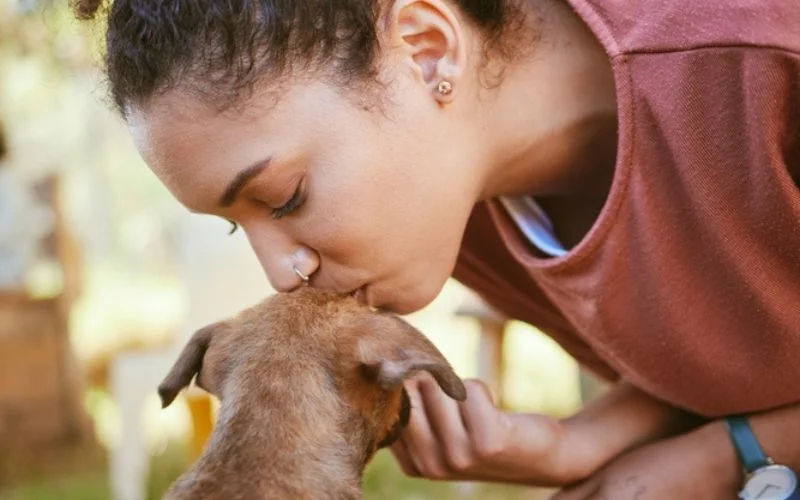
When rehoming a dog, various resources are available to assist you in finding a new loving home for your furry friend.
Whether you cannot keep your dog due to personal circumstances or have found a stray dog that needs a home, these resources can help ensure a smooth transition for you and the dog.
One of the most common resources for rehoming a dog is animal shelters and rescue organizations. These organizations specialize in finding suitable homes for dogs in need.
They often have a network of foster homes where dogs can stay until a permanent home is located. Animal shelters and rescue organizations also provide veterinary care, vaccinations, and spaying/neutering services to ensure the dog is healthy and ready for adoption.
Online platforms and websites dedicated to rehoming pets have also become popular resources. These platforms allow you to create a profile for your dog, including photos and a personality description.
Potential adopters can browse the profiles and contact you directly if they want to adopt your dog. These platforms often have strict screening processes to ensure the safety and well-being of the dogs.
Local community groups and social media networks can also be valuable resources for rehoming a dog. Many communities have dedicated Facebook groups or websites where individuals can post about dogs that need new homes.
These platforms allow you to reach a wider audience and connect with people looking to adopt a dog.
We have discussed the importance of understanding the process for rehoming a dog, which involves finding a suitable new home, conducting interviews and home visits, and ensuring a smooth transition for the dog. It is crucial to prioritize the well-being and happiness of the dog throughout this process.
Before deciding on a dog, we have highlighted the key considerations that should be considered: the dog’s behavior and aggression issues, health conditions, and the impact on the family and other pets. It is essential to seek professional advice and support when dealing with these challenges.
Additionally, we have addressed the time and costs associated with rehoming a dog. While the timeline may vary depending on various factors, it is important to be patient and thorough in finding the right home for the dog.
Moreover, we have discussed the financial aspects, such as veterinary care, vaccinations, and transportation, which should be considered when budgeting for rehoming.
Furthermore, we have discussed the legal considerations for rehoming a dog, emphasizing the importance of following local laws and regulations. It is crucial to understand the legal responsibilities involved in transferring dog ownership.
Lastly, we have highlighted the resources available to help rehome a dog, including animal shelters, rescue organizations, and online platforms. These resources can provide valuable support and guidance throughout the rehoming process.
It is important to stay informed about developments or trends that may impact the rehoming process. Changes in legislation or technological advancements may influence how dogs are rehomed in the future.
Conclusion
Rehoming a dog is a complex process that requires careful consideration and planning.
Throughout this post, we have covered several important topics related to rehoming dogs, including the steps involved, considerations before making the decision, finding a good home, providing necessary information to potential adopters, charging an adoption fee, ensuring a smooth transition, dealing with unsuccessful rehoming, and staying in touch with the new owners.
