

Healthy Dog Treats: Nutritious Way to Pamper Your Pooch
When caring for our pets, we aim for the finest. A caring home, exercise, and proper food are priorities. But how about treats? Dogs enjoy pleasures, yet choosing wisely matters. Healthy dog treats offer a delightful way to indulge your pup while prioritizing their well-being.
Healthy dog treats have gained popularity in recent years, and for good reason. These treats are specially formulated to provide dogs with a balanced and nutritious snack that supports their overall well-being. Packed with wholesome ingredients and free from artificial additives, these treats offer a guilt-free indulgence for your four-legged friend.
One of the key benefits of healthy dog treats is their impact on your pup’s dental health. Chewing on these treats helps to remove plaque and tartar buildup, promoting healthy gums and fresh breath. Many of these treats are designed to support joint health, making them a great choice for older dogs or those with mobility issues.
But it’s not just about the health benefits – these treats are also incredibly delicious! From savory flavors like chicken and beef to sweet options like peanut butter and pumpkin, there’s a treat to satisfy every canine palate. And with a wide variety of shapes and sizes, you can find the perfect treat for your dog, whether they prefer a crunchy biscuit or a soft chew.
So, why settle for ordinary treats when you can give your furry friend something special? Healthy dog treats offer a delectable way to show your love and care for your pup, all while keeping their health in check. In the following articles, we’ll delve deeper into the world of healthy dog treats, exploring different types, homemade options, and even tips for choosing the best treats for your specific dog breed. Prepare to embark on a delicious and nutritious journey that will leave your dog’s tail wagging joyfully!
What Are Some Healthy Dog Treat Options?

When it comes to treating our furry friends, it’s important to choose options that are not only delicious but also healthy. After all, we want to ensure that our dogs get the nutrients they need while enjoying a tasty snack. This article will explore some of the best healthy dog treat options available.
One popular choice among dog owners is homemade treats. You have full control over the ingredients used by making treats at home. You can opt for natural and organic options, avoiding harmful adgetpreservatives. Many recipes have tasty ingredients like peanut butter, pumpkin, and oats, which provide essential nutrients for your dog’s health.
Another great option is freeze-dried treats. These treats are made by removing the moisture from the ingredients while preserving their nutritional value. They come in various flavors, such as chicken, beef, and fish, which dogs love. Freeze-dried treats are convenient and a healthy alternative to traditional treats.
For dogs with specific dietary needs, there are also specialized treats available. For example, if your dog has allergies or sensitivities, you can find treats that are grain-free, gluten-free, or made with limited ingredients. These treats are formulated to be gentle on your dog’s stomach while providing a delicious snack.
Lastly, dental treats are a great option for maintaining your dog’s oral health. These treats help remove plaque and tartar buildup, promoting healthy teeth and gums. They come in various shapes and sizes, allowing you to choose the one that best suits your dog’s chewing habits.
In conclusion, there are plenty of healthy dog treat options. Whether you prefer homemade treats, freeze-dried options, specialized treats, or dental treats, you can find something to keep your dog happy and healthy. Always read the ingredient list and consult your veterinarian to ensure that the treats you choose suit your dog’s needs.
How Many Treats Should I Give My Dog?
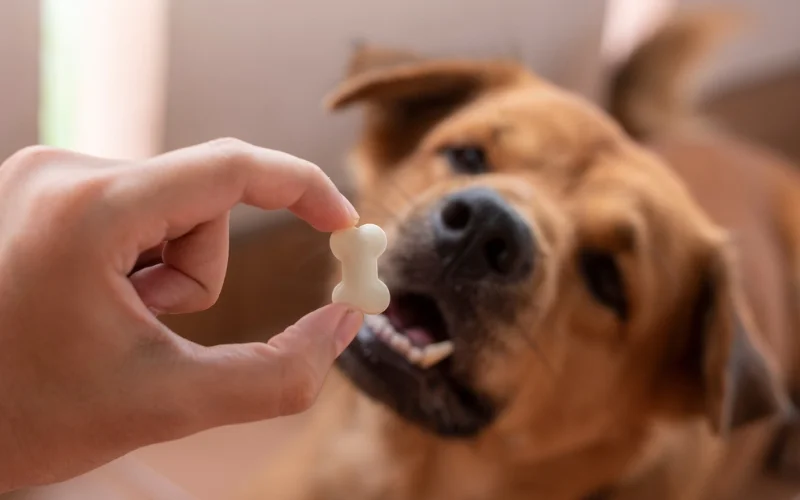
As a responsible dog owner, it’s natural to want to treat your furry friend to some delicious snacks. However, it’s important to remember that treats should be in moderation to maintain your dog’s health and well-being. But how many treats should you give your dog? Let’s explore this topic further.
When determining the appropriate number of treats to give your dog, it’s crucial to consider their size, age, and overall health. Smaller dogs generally require fewer treats compared to larger breeds. Puppies have different nutritional needs than adult dogs, so choosing treats specifically formulated for their age group is essential.
Limiting treats to no more than 10% of your dog’s daily caloric intake is recommended. This ensures that they still receive a balanced diet from their regular meals. If you’re unsure about the number of calories your dog needs, consult your veterinarian, who can provide specific guidelines based on your dog’s needs.
Remember thatLimitingace a nutritious and balanced diet. They should be seen as recommended signal rewards rather than a staple in your dog’s daily routine. Overfeeding your dog with treats can lead to weight gain, digestive issues, and even more serious health problems.
In addition to quantity, choosing healthy treats for your dog is also important. Look for treats made with high-quality ingredients, free from artificial additives, preservatives, and excessive amounts of sugar or salt. Opt for treats that are low in fat and contain beneficial nutrients such as vitamins and minerals.
By following these guidelines and considering your dog’s unique needs, you can ensure that treats remain a special and enjoyable part of their life without compromising their overall health. Remember, a happy and healthy dog is a well-balanced dog!
Are There Any Treats I Should Avoid Giving My Dog?

When it comes to treating our furry friends, it’s important to ensure we’re giving them delicious and healthy snacks. While there are plenty of options for healthy dog treats, it’s equally important to know which treats to avoid. Some treats can harm dogs and should be avoided at all costs.
One treat to avoid is anything that contains artificial sweeteners, such as xylitol. Xylitol can be found in many human foods, including some peanut butter brands, and can be extremely toxic to dogs. It can cause a sudden drop in blood sugar levels, leading to seizures or even liver failure. Always check the ingredient list before giving your dog any treats, and avoid anything that contains xylitol.
Another type of treat to avoid is anything that contains chocolate. Chocolate contains theobromine, which is toxic to dogs. Even a small amount of chocolate can cause vomiting, diarrhea, rapid breathing, and an increased heart rate in dogs. Dark chocolate and unsweetened baking chocolate are particularly dangerous. If your dog accidentally ingests chocolate, it’s important to contact your veterinarian immediately.
Grapes and raisins are also treats that should never be given to dogs. These fruits can cause dog kidney failure, leading to serious health issues. Symptoms of grape or raisin toxicity include vomiting, diarrhea, and lethargy. If you suspect your dog has ingested grapes or raisins, seek veterinary care immediately.
In conclusion, it’s crucial to know the threats that should be avoided regarding our dogs’ health. By avoiding treats that contain artificial sweeteners like xylitol, chocolate, grapes, or raisins, we can ensure that our furry friends stay happy and healthy. Always prioritize your dog’s well-being and choose treats specially for them.
Can I Make My Healthy Dog Treats?

When it comes to our furry friends, we always want the best for them. This includes providing them with healthy and nutritious treats and plant treats while they are available in stores; many pet owners wonder if they can make wholesome dog treats at home. The answer is a resounding yes!
Making healthy dog treats has several benefits. Firstly, you have full control over the ingredients, ensuring your dog gets only the best. You can avoid any artificial additives, preservatives, or fillers that may be present in store-bought treats. Secondly, making treats at home allows you to cater to your dog’s specific dietary needs. If your has allergies or sensitivities, you can easily customize the treats to suit their requirements.
So, how do you go about making your healthy dog treats? It’s quite simple. Start by choosing a base ingredient such as whole wheat flour, oats, or sweet potatoes. These ingredients provide a good source of carbohydrates and fiber. Next, add some protein, such as lean meats or eggs, to give your dog’s treats an extra nutritional boost. You can also incorporate healthy fats like coconut oil or peanut butter for added flavor and benefits.
Once you have your ingredients ready, it’s time to get creative. You can shape the treats into fun and appealing shapes using cookie cutters or roll them into bite-sized balls. Then, bake them in the oven until golden brown and crispy. Allow them to cool completely before offering them to your furry friend.
Remember, homemade dog treats should be given in moderation and as part of a balanced diet. It’s always a good idea to consult your veterinarian before introducing new treats or ingredients into your dog’s diet.
So, why not give it a try? Making healthy dog treats can be a fun and rewarding experience for you and your furry companion. Your dog will love the taste, and you can have peace of mind knowing that you provide them with the best possible treats.
What Are Some Natural Dog Treat Options?

When treating our furry friends, it’s important to choose options that are tasty and healthy. Natural dog treats are a great choice, providing a nutritious and delicious alternative to traditional treats. This article will explore some of the best wild dog treat options available.
One popular natural dog treat option is freeze-dried treats. These treats are made by removing the ingredients’ moisture, which helps preserve their nutritional value. Freeze-dried treats often come in various flavors, such as chicken, beef, or fish, making them a favorite among dogs.
Another great option is dehydrated treats. These treats are made by slowly removing the moisture from the ingredients, resulting in a chewy and flavorful snack. Dehydrated treats are often made with single-ingredient proteins, such as chicken, turkey, or sweet potato, making them a healthy choice for dogs with allergies or sensitivities.
For dogs with a love for fruits and vegetables, there are also natural dog treats made from real produce. These treats are often low in calories and packed with vitamins and minerals. Some popular options include apple slices, carrot sticks, and blueberry treats.
If your dog has a sensitive stomach or specific dietary needs, you may want to consider natural dog treats that are grain-free or made with limited ingredients. These treats are often made with alternative flours, such as coconut or chickpea, and are free from common allergens like wheat, corn, and soy.
In conclusion, natural dog treats offer a healthy and delicious option for rewarding your furry friend. Whether you choose freeze-dried treats, dehydrated treats, fruit and vegetable treats, or grain-free options, you can feel good about giving your dog a tasty snack that supports its overall health and well-being. So go ahead and spoil your pup with some natural dog treats today!
Are There Any Special Treats for Dogs with Allergies?

When it comes to our furry friends, we always want to give them the best. This includes their treats. But what if your dog has allergies? Are there any special treats available for them? The answer is yes!
Dogs, just like humans, can develop allergies to certain foods. Common allergens for dogs include beef, chicken, dairy, and grains. If your dog has allergies, it’s important to find treats that are free from these allergens.
One option for dogs with allergies is to choose treats made from novel proteins. Novel proteins are proteins your dog hasn’t been exposed to before, making them less likely to cause an allergic reaction. Some examples of novel proteins include duck, venison, and kangaroo. These treats can be a great alternative for dogs with allergies.
Another option is to choose grain-free treats. Many dogs have allergies or sensitivities to grains, so opting for grain-free treats can help alleviate their symptoms. Instead of grains, these treats are often made with alternative ingredients like sweet potatoes or peas.
In addition to novel proteins and grain-free options, treats are specifically formulated for dogs with allergies. These treats are made with limited ingredients, making pinpointing and avoiding potential allergens easier. They are often labeled as hypoallergenic or allergy-friendly.
When selecting treats for your dog with allergies, it’s important to read the ingredient list carefully. Avoid treats that contain any known allergens for your dog. It’s also a good idea to consult your veterinarian before introducing new goodies to your dog’s diet.
In conclusion, if your dog has allergies, special treats are available for them. Whether it’s treats made from novel proteins, grain-free options, or specifically formulated allergy-friendly treats, you can still spoil your furry friend while keeping their allergies in check. Always prioritize your dog’s health and consult your vet for the best options.
What Are Some Low-special Treats?
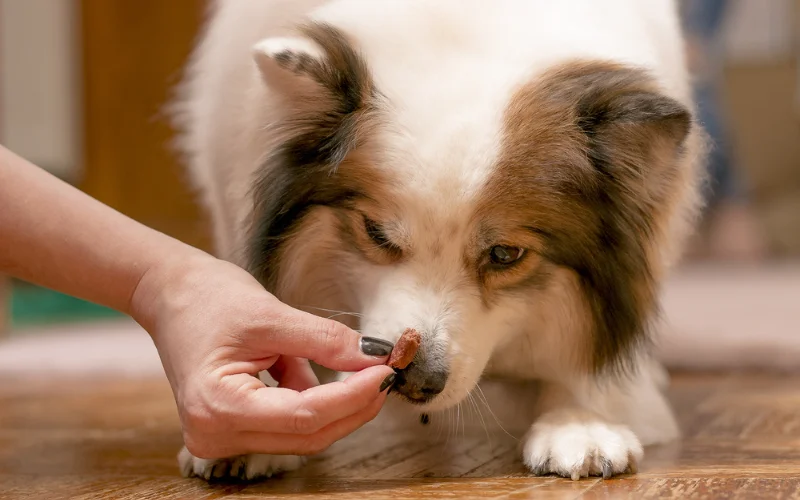
Finding the right treats is essential for keeping our furry friends happy and healthy. However, many dog treats on the market are high in calories and can contribute to weight gain and other health issues. That’s why it’s important to know about low-calorie dog treat options that can still satisfy your pup’s cravings.
One popular low-calorie dog treat option is carrots. Carrots are not only low in calories but also high in fiber, which can help promote good digestion. They are also packed with vitamins and minerals, making them a nutritious choice for your dog. You can serve raw or cooked carrots; some dogs even enjoy frozen carrot sticks as a refreshing treat.
Another great low-calorie option is green beans. Green beans are low in calories and fiber, making them a filling and healthy treat for your dog. You can serve them raw or steamed; they also make a great addition to your pup’s regular meals.
If your dog enjoys fruits, consider offering them small pieces of apple or watermelon. These fruits are low in calories and provide a natural sweetness that dogs love. Just remove any seeds or pits before giving them to your furry friend.
When choosing low-calorie dog treats, avoiding added sugars or artificial ingredients is important. Stick to natural options that are safe and healthy for your dog. Always consult your veterinarian before introducing new treats into your dog’s diet, especially if they have specific dietary needs or health conditions.
By incorporating these low-calorie dog treats, you can give them tasty and nutritious rewards without adding unnecessary calories. So spoil your furry friend with these healthy options they will love!
Can I Give My Dog Human Food as Treats?
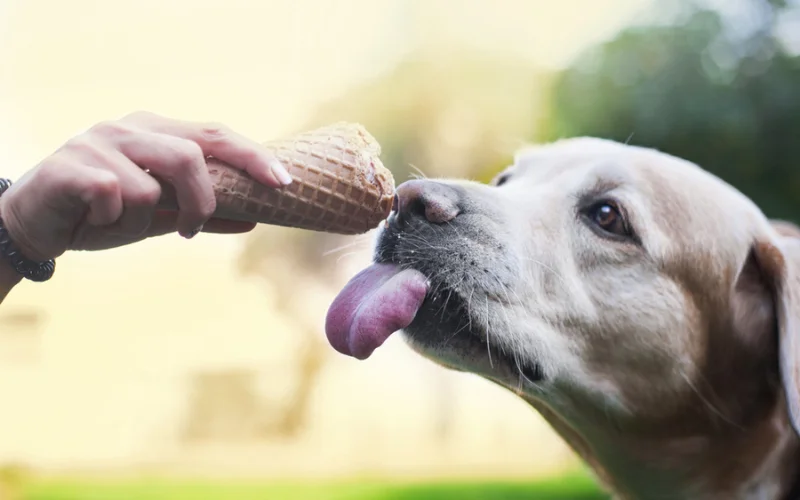
When treating our furry friends, many dog owners wonder if giving them human food as treats is safe. While some human foods can be healthy for dogs, knowing which ones are safe and which to avoid is important.
One human food often given to dogs as a treat is peanut butter. Not only is it a tasty treat, but it also contains healthy fats and protein. Just make sure to choose a peanut butter brand that doesn’t contain xylitol, a sugar substitute that can be toxic to dogs.
Another human food that can be given to dogs in moderation is cooked chicken. It’s a great source of lean protein and can be a healthy alternative to store-bought dog treats. However, remove the skin and bones before feeding it to your dog.
Carrots are another human food that can make a great treat for dogs. They are low in calories and fiber, making them a healthy option for weight management. Plus, they are great for promoting good dental health.
While some human foods are safe for dogs, many should be avoided. Foods like chocolate, grapes, onions, and garlic can be toxic to dogs and should never be given to them as treats.
In conclusion, it’s important to be cautious when giving your dog human food as treats. While some foods can be healthy and safe, others can be harmful. Always consult your veterinarian before introducing new foods into your dog’s diet. Remember, the health and well-being of your furry friend should always be a top priority.
Understanding what constitutes a healthy dog treat is essential for maintaining your dog’s overall well-being. By opting for treats made with wholesome ingredients, you can ensure that your dog receives the necessary nutrients without any harmful additives or fillers. Additionally, being mindful of portion sizes is crucial to prevent overfeeding and potential weight gain.
Furthermore, it is important to be aware of treats that should be avoided altogether, such as sweeteners, chocolate, or high sodium levels. These treats can harm your dog’s health and should be replaced with healthier alternatives.
If you have the time and resources, making healthy dog treats can be a rewarding experience. This gives you full control over the ingredients, ensuring your dog receives only the best. Countless recipes available online cater to different dietary needs and preferences.
For dogs with allergies or sensitivities, specialized treats are available that cater to their specific needs. These treats are often made with limited ingredients and are free from common allergens, providing your pet with a safe and enjoyable snacking experience.
If weight management is a concern, numerous low-calorie dog treat options are available. These treats allow specialized treats to compromise their waistline.
Lastly, while sharing your food with your dog may be tempting, it is important to be cautious. Not all human foods are safe for dogs; some can even be toxic. It is best to stick to treats specifically made for dogs to ensure their safety and well-being.
As the world of pet nutrition continues to evolve, new developments and trends will likely emersharingdog tr. Staying informed may be tempting, and keeping up with these advancements will enable you to provide the best care for your furry companion.
Conclusion
In conclusion, exploring the world of healthy dog treats can greatly benefit you and your furry friend. Throughout this post, we have discussed various topics related to this keyword, including different treat options, portion control, treats to avoid, homemade goodies, natural options, special treats for dogs with allergies, low-calorie options, and human food as treats.