

Importance of Regular Exercise for Dogs: Health and Happiness
As dog owners, we all want the best for our furry companions. We strive to provide them a loving home, nutritious food, and proper healthcare. However, one aspect often overlooked is the importance of regular exercise for dogs. Exercise is not just a way to burn off excess energy but a vital component of their overall well-being.
Regular exercise for dogs is crucial for maintaining their physical health. Just like humans, dogs need to stay active to keep their muscles strong and their joints flexible. A sedentary lifestyle can lead to obesity, increasing the risk of various health issues such as diabetes, heart disease, and joint problems. By engaging in regular exercise, dogs can maintain a healthy weight, improve their cardiovascular fitness, and strengthen their immune system.
However, exercise benefits dogs’ physical health and significantly affects their mental and emotional well-being. Dogs are naturally active animals; without sufficient training, they can become bored, anxious, and even develop behavioral problems. Regular exercise provides them with mental stimulation, helps alleviate stress, and promotes a sense of happiness and contentment.
Furthermore, exercise is an excellent opportunity for dogs to socialize and bond with their owners. Going for walks, playing fetch, or participating in agility training strengthens the bond between dogs and their owners and provides an avenue for positive reinforcement and conditioning.
In conclusion, regular exercise is crucial to a dog’s life. It promotes their physical health and mental well-being and strengthens the bond between dogs and their owners. In the following sections, we will delve deeper into the different types of exercises suitable for dogs, the recommended duration and intensity, and the potential health benefits. So, let’s explore the world of dog exercise together and discover how we can ensure our furry friends lead happy and healthy lives.
Why is Regular Exercise Important for Dogs?

Regular exercise is crucial for our canine companions’ overall health and well-being. Like humans, dogs need physical activity to stay fit, maintain a healthy weight, and prevent various health issues. This article will explore the importance of regular exercise for dogs and why it should be essential to their daily routine.
One of the primary benefits of regular exercise for dogs is weight management. Obesity is a growing concern among pets, and it can lead to various health problems, such as diabetes, joint issues, and heart disease. By engaging in regular physical activity, dogs can burn calories, maintain a healthy weight, and reduce the risk of these conditions.
Exercise also plays a crucial role in maintaining good mental health for dogs. Dogs are naturally active animals, and regular exercise helps alleviate boredom and prevents destructive behaviors that can arise from lack of stimulation. Physical activity stimulates their minds, reduces anxiety, and promotes overall happiness.
Furthermore, regular exercise is essential for promoting strong muscles and bones in dogs. Like humans, dogs must build and maintain muscle mass to support their bodies and prevent injuries. Exercise helps strengthen their muscles, improve flexibility, and enhance their overall physical performance.
In addition to the physical benefits, regular exercise allows dogs to socialize and bond with their owners. Going for walks, playing fetch, or participating in dog sports keeps them physically active and strengthens the bond between dogs and their owners.
In conclusion, regular exercise is of utmost importance for dogs. It helps them stay physically fit, promotes mental well-being, and strengthens the bond between dogs and their owners. As responsible pet owners, we must ensure that our furry friends get the exercise they need to live a happy and healthy life.
What are the Benefits of Regular Exercise for Dogs?
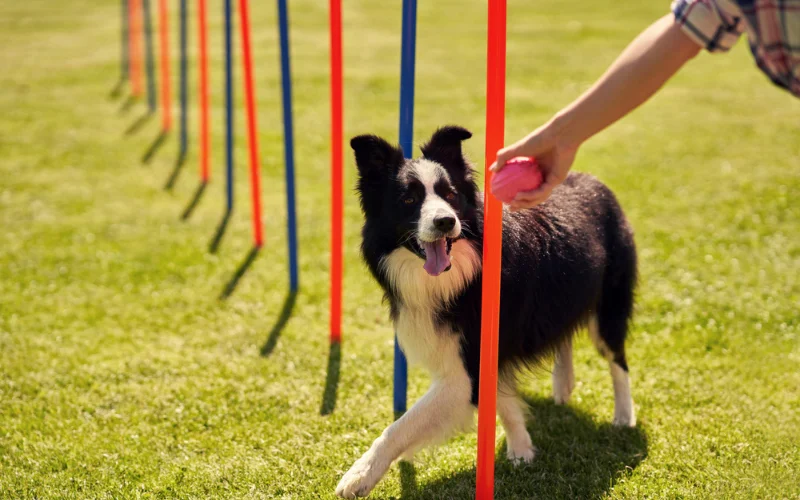
Regular exercise is not only important for humans but also for our furry friends. Dogs require physical activity to maintain their overall health and well-being. Like humans, dogs can suffer from obesity, heart disease, and other health issues if they lead a sedentary lifestyle. Therefore, it is crucial to understand the benefits of regular exercise for dogs.
One of the primary benefits of regular exercise is weight management. Obesity in dogs can lead to various health problems, including joint pain, diabetes, and decreased lifespan. Dogs can burn calories and maintain a healthy weight by exercising regularly. This helps to prevent obesity-related issues and keeps them fit and active.
Exercise also promotes cardiovascular health in dogs. Just like humans, dogs need to keep their hearts and lungs strong. Regular exercise helps to improve blood circulation, strengthen the heart muscles, and reduce the risk of heart disease. It also increases their endurance and stamina, allowing them to engage in physical activities for longer durations.
Furthermore, exercise plays a crucial role in mental stimulation for dogs. Dogs are intelligent creatures that require mental stimulation to prevent boredom and destructive behavior. Regular exercise provides an outlet for their energy and helps to keep them mentally engaged. Fetching, agility training, and interactive toys can challenge their minds and prevent behavioral issues.
In addition to physical and mental health benefits, regular exercise strengthens the bond between dogs and their owners. Going for walks, playing fetch, or participating in training sessions together allows for quality time and strengthens the emotional connection.
In conclusion, regular exercise is essential for dogs to maintain their overall health and well-being. It helps with weight management, promotes cardiovascular health, provides mental stimulation, and strengthens the bond between dogs and their owners. So, incorporate regular exercise into your furry friend’s routine for a happy and healthy life.
How Much Exercise Does a Dog Need Each Day?
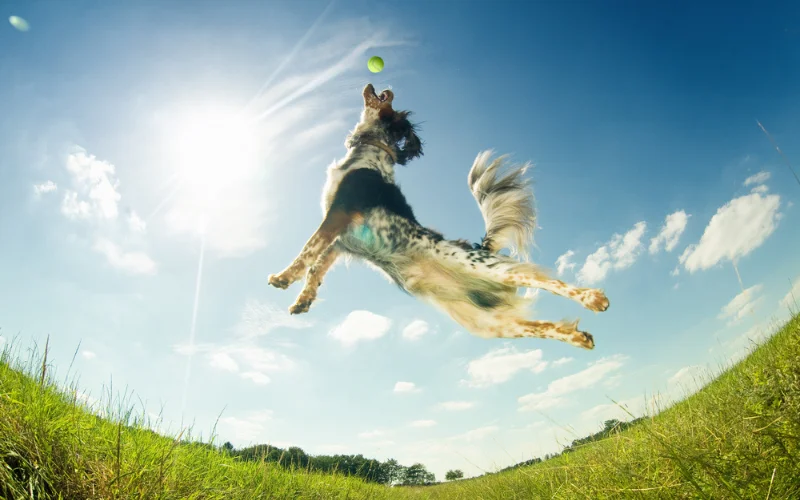
Regular exercise is crucial for our furry friend’s overall health and well-being. Like humans, dogs need physical activity to stay fit and maintain a healthy weight. But how much exercise does a dog need each day? Let’s explore this important question.
The amount of exercise a dog requires can vary depending on several factors, including breed, age, size, and overall health. Generally, most dogs should engage in at least 30 minutes to 2 hours of exercise every day. However, some high-energy breeds, like Border Collies or Siberian Huskies, may need more training to burn off their excess energy.
Puppies, on the other hand, have different exercise needs. While they still require daily exercise, it should be less intense and shorter in duration. Short walks and gentle play sessions are ideal for young pups, as their growing bodies are still developing.
It’s important to remember that exercise should combine physical activity and mental stimulation. Dogs love challenges and engaging activities that keep their minds sharp. Incorporating puzzle toys, obedience training, or interactive games into their exercise routine can provide the mental stimulation they need.
When it comes to older dogs, their exercise needs may decrease slightly due to age-related changes. However, keeping them active is still important to prevent weight gain and maintain muscle tone. Gentle walks and low-impact activities are great options for senior dogs.
In conclusion, the amount of exercise a dog needs each day depends on various factors. When determining their exercise routine, it’s essential to consider your dog’s breed, age, size, and overall health. By providing them with regular physical activity and mental stimulation, you’ll help ensure their overall well-being and happiness.
What are Some Fun Ways to Exercise With Dogs?
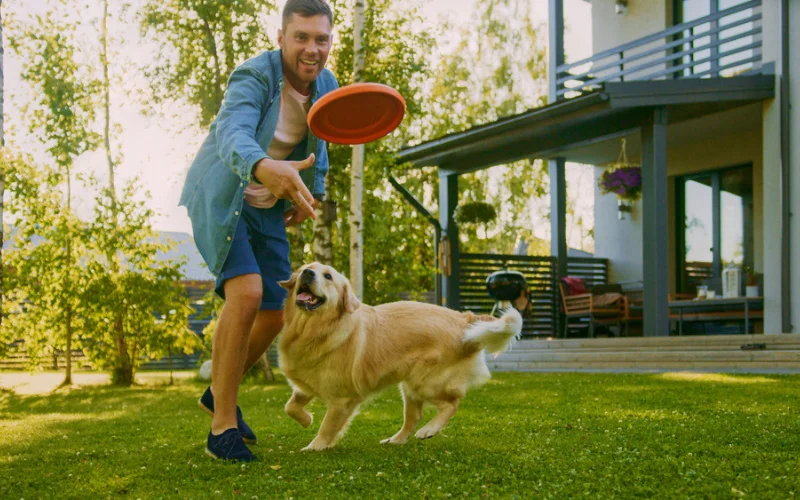
Regular exercise is crucial for our furry friends’ overall health and well-being. Not only does it help keep them physically fit, but it also provides mental stimulation and helps prevent behavioral issues. So, let’s explore some fun ways to exercise with your dog that will make you happy and healthy!
1. Go for a brisk walk or jog: Walking or jogging is a great way to get your dog’s heart pumping and their muscles working. Choose different routes to keep things interesting and let your dog explore new smells and sights.
2. Play fetch: Most dogs love chasing after a ball or a frisbee. Find an open space, throw the toy, and let your dog run and retrieve it. It’s a fantastic way to improve their agility and burn off excess energy.
3. Try agility training: Set up an obstacle course in your backyard or visit a local dog park with agility equipment. This activity provides physical exercise and challenges your dog’s problem-solving skills.
4. Go swimming: If your dog enjoys the water, swimming is an excellent low-impact exercise. It’s easy on their joints and muscles while providing a full-body workout. Just make sure to choose a safe and dog-friendly swimming spot.
5. Play hide and seek: Hide treats or toys around your house or yard and encourage your dog to find them. This game engages their sense of smell and keeps them mentally stimulated.
6. Join a dog sports club: Various dog sports clubs offer activities like flyball, dock diving, or canine freestyle dancing. These activities provide a fun and challenging way for you and your dog to stay active.
Every dog is different, so it’s essential to consider their breed, age, and health conditions when choosing the right exercise routine. Always consult with your veterinarian before starting any new exercise regimen. So, get out there, have fun, and enjoy the benefits of regular exercise with your furry companion!
Can Regular Exercise Help With a Dog’s Behavior?

Regular exercise is not only important for keeping dogs physically healthy, but it can also have a significant impact on their behavior. Like humans, dogs need to burn off energy and release pent-up frustration. Dogs may become restless, anxious, and even develop behavioral problems without regular exercise.
One of the main benefits of regular exercise for dogs is that it helps to prevent destructive behaviors. Dogs that are bored or have excess energy often resort to chewing furniture, digging holes, or barking excessively. You can help redirect their energy towards more appropriate activities by providing them with regular exercise.
Exercise also plays a crucial role in reducing anxiety and stress in dogs. When dogs are physically active, their bodies release endorphins, natural mood boosters. This can help dogs feel more relaxed and content, reducing the likelihood of anxiety-related behaviors such as excessive barking or aggression.
Furthermore, regular exercise can improve a dog’s socialization skills. Taking your dog for walks or to the dog park allows them to interact with other dogs and people. This exposure helps them become more comfortable in different environments and enhances their social skills. Well-socialized dogs are generally more confident and less likely to exhibit fearful or aggressive behaviors.
In addition to the behavioral benefits, regular exercise contributes to a dog’s overall physical health. It helps maintain a healthy weight, strengthens muscles and joints, and improves cardiovascular fitness. This can lead to a longer and happier life for your furry friend.
In conclusion, regular exercise is essential for maintaining a dog’s physical health and can positively impact their behavior. You can help prevent destructive behaviors, reduce anxiety, and improve their socialization skills by providing ample opportunities to burn off energy. So, lace up those walking shoes and get active with your four-legged companion!
What are The Risks of not Giving a Dog Enough Exercise?
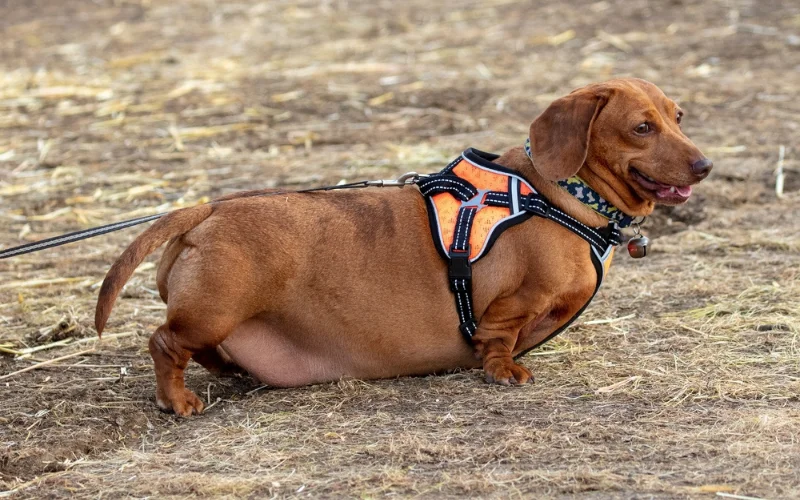
Regular exercise is not only important for humans but also for our furry friends. Just like humans, dogs need physical activity to stay healthy and happy. Without enough exercise, dogs can face various risks that can negatively impact their overall well-being.
Obesity
One of the main risks of not giving a dog enough exercise is obesity. Lack of physical activity can lead to weight gain, which strains their joints and can lead to other health issues such as diabetes and heart disease. Obesity can also shorten a dog’s lifespan and decrease their quality of life.
Behavioral Problems
Moreover, dogs that don’t get enough exercise are more likely to develop behavioral problems. When dogs cannot burn off their excess energy, they may become restless, bored, and frustrated. This can result in destructive behaviors such as chewing furniture, excessive barking, or aggression. Regular exercise helps release pent-up energy and promotes mental stimulation, preventing these behavioral issues.
Dog’s Mental Health
In addition, a lack of exercise can hurt a dog’s mental health. Dogs need mental stimulation to prevent boredom and keep their minds sharp. Without regular exercise, dogs can become anxious, depressed, or develop separation anxiety. Training provides an outlet for their energy and helps to keep them mentally and emotionally balanced.
Overall, not giving a dog enough exercise can have serious consequences for their physical and mental well-being. Dog owners must recognize the importance of regular exercise and prioritize it in their pet’s daily routine. Providing adequate training can help our furry friends live longer, healthier, and happier lives.
Are There Any Health Conditions that Restrict a Dog’s Exercise?

Regular exercise is crucial for a dog’s overall health and well-being. However, it’s important to recognize that not all dogs can engage in the same level of physical activity. Some health conditions can restrict a dog’s exercise routine, requiring modifications and special care.
Arthritis
One common condition that can limit a dog’s exercise is arthritis. This degenerative joint disease causes pain and inflammation, making it difficult for dogs to move comfortably. While exercise is still important for arthritic dogs, it must be low-impact and gentle. Swimming and short walks on soft surfaces can help maintain muscle strength without putting too much strain on the joints.
Heart Conditions
Heart conditions also play a significant role in a dog’s exercise limitations. Dogs with heart problems may tire easily and have difficulty breathing during physical activity. It’s essential to consult with a veterinarian to determine the appropriate level of exercise for a dog with a heart condition. Short and controlled walks may sometimes be recommended, while more strenuous activities should be avoided.
Respiratory Issues
Respiratory issues, such as brachycephalic airway syndrome, can also restrict a dog’s exercise. Breeds with flattened faces, like Bulldogs and Pugs, often struggle with breathing and can overheat quickly. These dogs should avoid intense exercise and be walked during cooler times of the day.
Other health conditions, such as obesity, musculoskeletal disorders, and certain neurological conditions, can limit a dog’s exercise abilities. Working closely with a veterinarian is crucial to developing a tailored exercise plan considering any underlying health issues.
In conclusion, while regular exercise is important for dogs, it’s essential to consider any health conditions that may restrict their physical activity. Understanding and accommodating these limitations ensures that our furry friends stay healthy and happy for years.
How Can I Tell if My Dog is Getting Enough Exercise?

Regular exercise is crucial for our furry friends’ overall health and well-being. As responsible dog owners, we must ensure that our canine companions get enough physical activity to keep them happy and healthy. But how can we tell if our dogs are getting enough exercise? Here are a few signs to look out for:
Energy levels: A well-exercised dog will have balanced energy levels. If your dog is constantly full of energy and seems restless, it may be a sign that they need more exercise. On the other hand, if your dog seems lethargic and lacks enthusiasm, they may not be getting enough physical activity.
Weight management: Regular exercise helps dogs maintain a healthy weight. If your dog is gaining weight or becoming overweight, it could indicate that they need more practice. Conversely, if your dog is losing weight rapidly, it may mean excessive exercise or an underlying health issue.
Behavior: Dogs that don’t get enough exercise may exhibit behavioral problems such as excessive barking, chewing, or digging. They may also become more anxious or exhibit destructive behavior. Regular exercise helps positively channel their energy and reduces the likelihood of these issues.
Muscle tone and joint health: Adequate exercise helps strengthen your dog’s muscles and promotes joint health. If you notice that your dog’s muscles are weak or they have difficulty getting up or moving around, it could be a sign that they need more exercise.
Mental stimulation: Exercise is not only important for physical health but also for mental stimulation. Dogs not getting enough exercise may become bored and engage in destructive behaviors. Regular exercise helps keep their minds sharp and prevents boredom.
By monitoring these signs, you can ensure that your dog is getting enough exercise to stay healthy and happy. Every dog is different, so it’s important to tailor their exercise routine to their specific needs and abilities.
Firstly, regular exercise helps to maintain a dog’s overall health and well-being. It promotes cardiovascular fitness, strengthens muscles, and aids in weight management. Exercise also stimulates mental stimulation, reducing the risk of boredom and destructive behaviors.
The amount of exercise a dog needs daily depends on various factors such as breed, age, and health condition. However, a general guideline is to provide at least 30 minutes to 2 hours of physical activity daily. This can be achieved through walking, running, playing fetch, or engaging in agility training.
Not only does exercise benefit the physical and mental health of dogs, but it also contributes to their behavior. Regular exercise can help reduce hyperactivity, anxiety, and aggression in dogs. It provides an outlet for their energy and allows them to relax and be more balanced.
Failure to provide adequate exercise for your dog can lead to various risks and health issues. These include obesity, muscle atrophy, joint problems, and even behavioral problems. It is essential to prioritize their exercise needs to ensure their overall well-being.
However, it is important to note that certain health conditions may restrict a dog’s exercise routine. Consulting with a veterinarian is crucial to determine the appropriate level of activity for dogs with specific health concerns.
Please pay attention to their behavior and energy levels to ensure that your dog is getting enough exercise. Signs of sufficient training include a calm demeanor, good appetite, and sound sleep. If you notice any restlessness or excessive energy symptoms, it may indicate that your dog needs more physical activity.
Looking ahead, the importance of regular exercise for dogs is only expected to grow. As more research is conducted and awareness increases, we can expect new canine fitness developments and trends. Dog owners must stay informed and adapt their exercise routines accordingly.
Conclusion
In conclusion, regular exercise is of utmost importance for dogs. Throughout this post, we have explored why training is crucial for our furry friends and its numerous benefits.