

Small Breed Dog Care: Your Little Companion Happy and Healthy
Small breed dogs are often adored for their adorable size and charming personalities. From the playful Chihuahua to the elegant Shih Tzu, these pint-sized pups bring joy and companionship to countless households worldwide. However, caring for a small breed dog requires special attention and consideration.
This comprehensive guide to small-breed dog care will explore the various aspects of raising and nurturing these delightful canines. From nutrition and exercise to grooming and training, we will delve into the essential elements that contribute to the overall well-being of your small breed companion.
One of the key factors in small-breed dog care is understanding their unique dietary needs. Due to their smaller size and faster metabolism, small-breed dogs require a diet rich in nutrients and specifically formulated for their breed. We will discuss the importance of balanced meals, portion control, and the potential health risks associated with overfeeding.
Regular exercise is another crucial aspect of small-breed dog care. Despite their small stature, these dogs often burst with energy and require daily physical activity to stay happy and healthy. We will explore various exercise options, from brisk walks to interactive play sessions, that will help keep your small breed dog mentally stimulated and physically fit.
Grooming is yet another important aspect of small-breed dog care. Their luxurious coats may require regular brushing and occasional trips to the groomer to prevent matting and maintain a healthy appearance. We will provide tips and techniques to make grooming a pleasant experience for you and your furry friend.
Training is also vital for small-breed dogs. While their size may make them seem like easy pets to manage, small breeds can be just as stubborn as their larger counterparts. We will offer guidance on effective training methods to help you establish a strong bond with your small breed dog while ensuring they are well-behaved and obedient.
As we embark on this journey into small-breed dog care, we invite you to explore the topics we will cover in greater detail. From nutrition and exercise to grooming and training, we will equip you with the knowledge and tools to provide the best care for your small breed companion. So, let’s dive in and discover the secrets to keeping your little friend happy and healthy for years to come.
What Should I Feed My Small Breed Dog?

Feeding your small-breed dog the right diet is essential for their health and well-being. As a responsible dog owner, it’s important to understand what kind of food is best suited for your furry friend. This article will explore the various options and considerations for feeding small-breed dogs.
Small breed dogs have unique dietary needs due to their size and metabolism. They require a well-balanced diet with the right nutrients to support their energy levels and maintain a healthy weight. When choosing dog food for your small breed, it is crucial to look for options specifically formulated for their needs.
One important factor to consider is the size of the kibble. Small breed dogs have smaller mouths and teeth, so choosing dog food with smaller-sized kibble is important. This will make it easier for them to chew and digest their food.
Protein is another essential component of a small-breed dog’s diet. Look for dog foods that list high-quality animal protein, such as chicken or fish, as the main ingredient. Avoid dog foods that contain fillers or by-products, as these may not provide the necessary nutrients for your dog.
In addition to protein, small-breed dogs also require a good amount of healthy fats. Fats provide them with energy and help keep their skin and coat healthy. Look for dog foods containing omega-3 fatty acids, such as fish oil or flaxseed.
It’s also important to consider your dog’s age and any specific dietary requirements they may have. Puppies, adult dogs, and seniors have different nutritional needs, so choose a dog food appropriate for their life stage.
In conclusion, choosing the right food for your small-breed dog is crucial for their health and well-being. By considering their unique dietary needs and selecting a high-quality dog food that provides the necessary nutrients, you can ensure your furry friend stays happy and healthy for years.
How Often Should I Walk My Small Breed Dog?
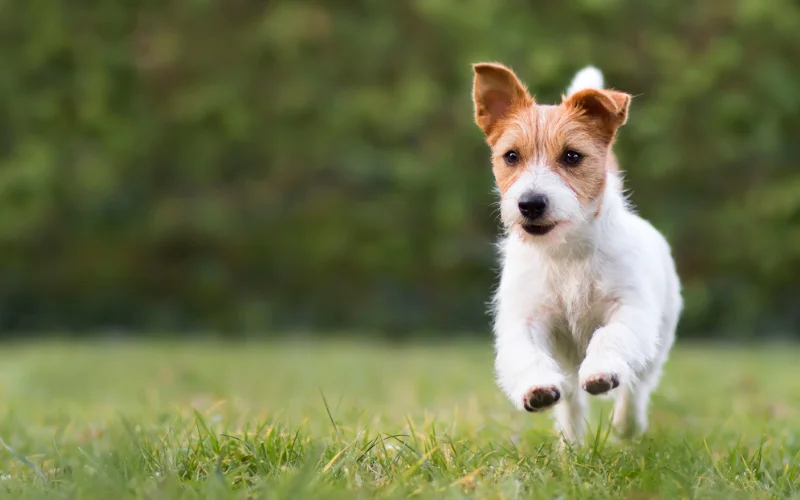
Walking your small breed dog is an essential part of their care routine. Not only does it provide them with physical exercise, but it also offers mental stimulation and helps maintain their overall health. But how often should you walk your small breed dog? Let’s find out.
Small breed dogs have different exercise needs compared to larger breeds. While larger dogs require more intense exercise, small-breed dogs have shorter legs and lower energy levels. As a general guideline, small breed dogs should be walked at least once daily for around 20 to 30 minutes.
However, it’s important to note that every dog is unique, and their exercise requirements may vary. Factors such as age, health, and breed characteristics should be considered. For example, younger small-breed dogs may have more energy and benefit from longer walks or additional playtime. On the other hand, older dogs or those with health issues may need shorter and more frequent walks.
In addition to regular walks, it’s also important to provide mental stimulation for your small breed dog. Interactive toys, puzzle games, and obedience training can help keep their minds sharp and satisfied. Incorporating these activities into their daily routine can enhance their overall well-being.
Walking your small-breed dog is about physical exercise, bonding, and socialization. It’s a great opportunity to strengthen your bond and expose them to different environments, people, and other dogs. However, always ensure their safety by using a leash and following local regulations.
In conclusion, small breed dogs should be walked at least once daily for 20 to 30 minutes, but individual factors should be considered. By providing regular exercise and mental stimulation, you can ensure your small-breed dog stays happy, healthy, and well-adjusted. So grab that leash and enjoy some quality time with your furry friend!
How Often Should I Bathe My Small Breed Dog?
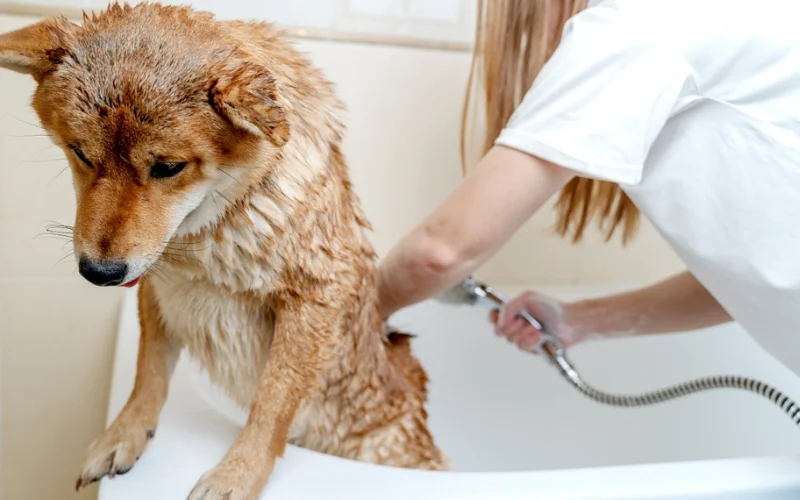
Bathing your small-breed dog is important to their overall care routine. However, determining how often they should be washed is unclear. This article will explore the factors influencing bathing frequency and provide general guidelines to help you keep your small-breed dog clean and healthy.
One important factor to consider is the type of coat your small-breed dog has. Dogs with longer or thicker coats may require more frequent baths to keep their fur clean and free from mats or tangles. On the other hand, dogs with shorter or smoother coats may not need to be bathed as often.
Another factor to consider is your small-breed dog’s lifestyle and activities. If your dog spends a lot of time outdoors, playing in the dirt, or swimming, they may need to be bathed more frequently to remove any dirt or debris that may accumulate on their coat. Similarly, if your dog has any skin conditions or allergies, your veterinarian may recommend more frequent bathing to help manage these issues.
It is important to note that excessive bathing can strip your small breed dog’s skin of its natural oils, leading to dryness and irritation. This can result in itchiness and discomfort for your dog. As a general guideline, most small breed dogs should be bathed every 4-6 weeks. However, it is best to consult your veterinarian to determine your dog’s ideal bathing frequency.
In conclusion, regular bathing is an important part of small-breed dog care. By considering factors such as coat type, lifestyle, and any specific skin conditions, you can determine the appropriate bathing frequency for your furry friend. Remember to use gentle, dog-specific shampoos and conditioners, and always rinse thoroughly to avoid any residue on their coat. Keeping your small breed dog clean and well-groomed will improve their health and happiness.
What Vaccines Does My Small Breed Dog Need?
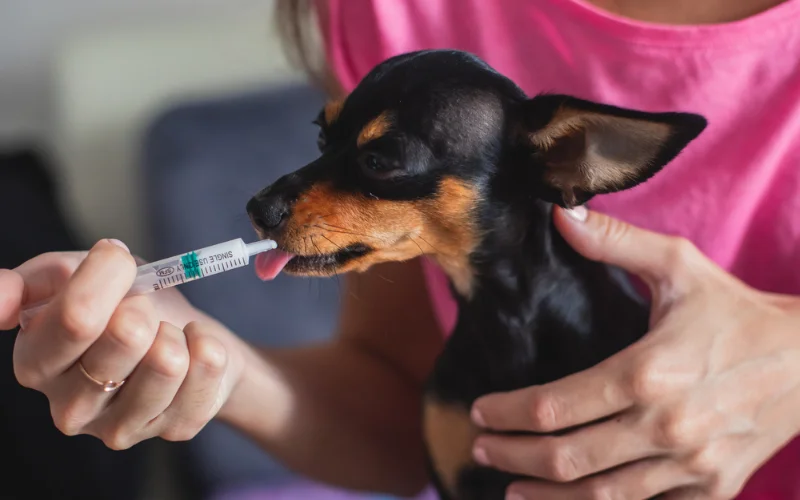
Keeping your small breed dog healthy and protected from diseases is essential for their well-being. One important aspect of their care is ensuring they receive the necessary vaccines. Vaccines help prevent the spread of infectious diseases and can significantly improve your dog’s quality of life. In this article, we will discuss the vaccines that are recommended for small-breed dogs.
The rabies vaccine is one of the most crucial vaccines for small-breed dogs. Rabies is a deadly disease that can be transmitted to humans, so it is essential to keep your dog up to date on this vaccine. Other core vaccines typically recommended for small-breed dogs include distemper, parvovirus, and adenovirus. These vaccines protect against highly contagious and potentially fatal diseases.
In addition to core vaccines, non-core vaccines may be recommended based on your dog’s lifestyle and risk factors. These vaccines include Bordetella, leptospirosis, and Lyme disease. Bordetella is often required for dogs that frequent boarding facilities or participate in dog shows. Leptospirosis is a bacterial infection transmitted through contaminated water or contact with infected animals. Lyme disease is transmitted through tick bites and can cause joint pain and other health issues.
It is important to consult your veterinarian to determine which vaccines are necessary for your small-breed dog. They will consider your dog’s age, health status, and lifestyle to create a vaccination schedule that meets their specific needs.
Remember, vaccines are a crucial part of your small breed dog’s preventive healthcare. You are taking important steps to protect their health and well-being by ensuring they receive the necessary vaccines. Stay proactive and prioritize your dog’s vaccinations to give them the best chance at a long, healthy life.
How Can I Train My Small Breed Dog?
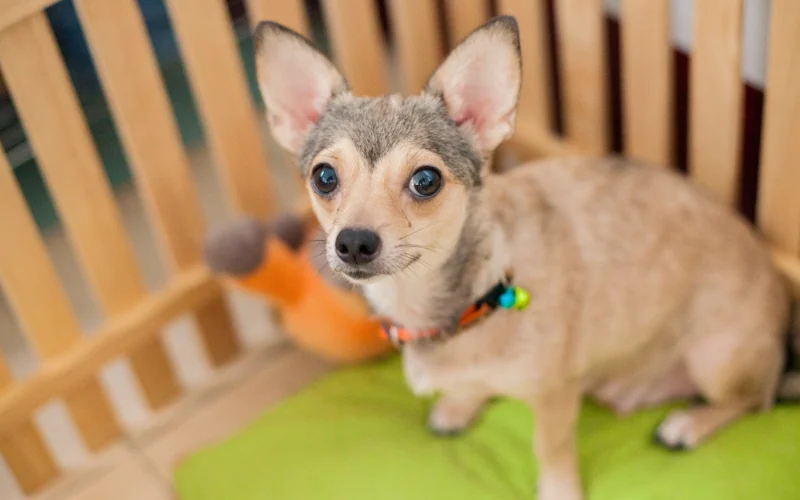
Training a small breed dog can be a rewarding experience for both you and your furry friend. Small dogs are known for their intelligence and willingness to learn, making them highly trainable. However, it’s important to approach training with patience, consistency, and positive reinforcement. Here are some tips to help you train your small-breed dog effectively.
Firstly, establish a routine. Dogs thrive on a structured schedule, so create a daily routine that includes regular feeding times, exercise, and training sessions. Consistency is key in training, so stick to the plan as much as possible.
Next, focus on basic obedience commands. Start with simple controls like sit, stay, and come. Use positive reinforcement techniques such as treats, praise, and affection to reward your dog for following orders correctly. Be patient and repeat the orders consistently until your dog understands their expectations.
Socialization is also crucial for small-breed dogs. Expose your dog to different environments, people, and other animals from a young age. This will help them become well-rounded and confident in various situations. Consider enrolling your dog in puppy classes or socialization groups to enhance their social skills further.
In addition to obedience training, addressing any behavioral issues your small breed dog may have is important. For excessive barking, separation anxiety, or house training problems, seek professional help. A qualified dog trainer or behaviorist can provide guidance and develop a personalized training plan for your dog.
Remember, training is an ongoing process. Be patient, consistent, and understanding with your small-breed dog. Celebrate their successes and never punish or scold them for mistakes. Your small-breed dog will become a well-behaved and happy companion with time, effort, and positive reinforcement.
In conclusion, training a small breed dog requires patience, consistency, and positive reinforcement. Establishing a routine, focusing on basic obedience commands, socializing your dog, and addressing behavioral issues are key steps in the training process. Remember always to be patient and understanding with your furry friend, and enjoy the training journey together.
How Do I Keep My Small Breed Dog’s Teeth Clean?
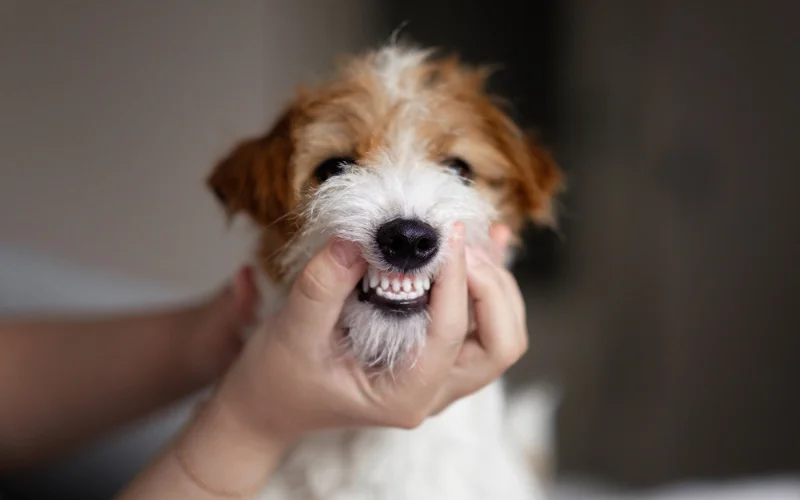
Keeping your small breed dog’s teeth clean is essential to their health and well-being. Dental care is often overlooked, but it is crucial in preventing dental diseases such as gum infections, tooth decay, and bad breath. Here are some tips to help you maintain your small-breed dog’s dental hygiene.
Regular brushing is the most effective way to clean your dog’s teeth. Use a soft-bristled toothbrush and dog-friendly toothpaste. Start by gently introducing the toothbrush to your dog’s mouth, allowing them to get used to the sensation. Gradually increase the duration and intensity of the brushing sessions. Aim to brush your dog’s teeth at least two to three times a week.
In addition to brushing, provide your small breed dog with dental chews and toys. These specially designed items help remove plaque and tartar buildup while providing entertainment. Look for products specifically made for small-breed dogs to ensure they are the right size and texture for your pet.
Regular dental check-ups are vital for maintaining your dog’s oral health. Schedule annual visits with your veterinarian to have your dog’s teeth examined and professionally cleaned if necessary. Your vet can advise on specific dental care products that may benefit your small-breed dog.
It is essential to monitor your dog’s diet to prevent dental issues. Avoid feeding them excessive sugary treats and opt for dental-friendly options instead. Also, please provide them with a balanced diet promoting oral health.
Following these tips ensures that your small breed dog maintains a healthy and clean mouth. Good dental care is essential for your dog’s overall well-being, so prioritize it in their daily routine.
What Grooming Needs Does My Small Breed Dog Have?
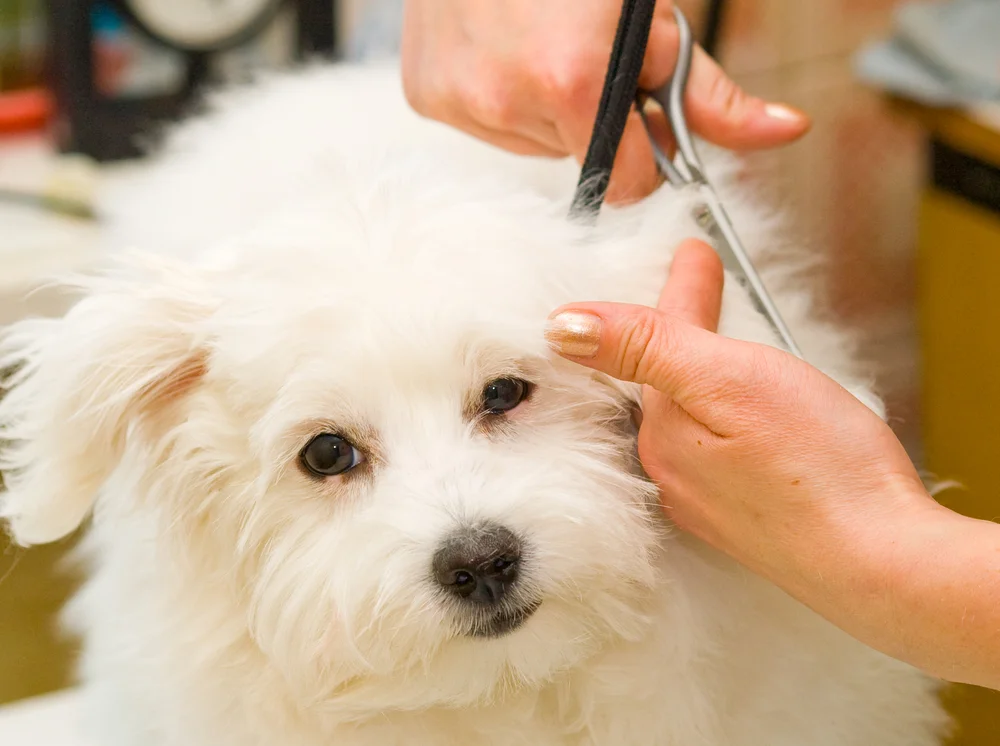
Small-breed dogs are adorable and make wonderful companions. However, they have specific grooming needs that should not be overlooked. Understanding and addressing these needs ensures your small-breed dog stays healthy and happy.
One important aspect of grooming for small-breed dogs is regular brushing. Their coats can easily become tangled and matted, so brushing them at least a few times a week is essential. This keeps their fur neat help, helps remove loose hair, and prevents shedding.
In addition to brushing, small-breed dogs often require regular haircuts. Their hair can grow long, leading to discomfort and even health issues if not properly maintained. It’s best to consult a professional groomer to determine the appropriate length and style for your dog’s coat.
Another grooming need for small-breed dogs is dental care. These dogs are prone to dental problems, so it’s crucial to establish a regular teeth-cleaning routine. This can be done with a dog-specific toothbrush and toothpaste or with dental chews and toys that help remove plaque and tartar.
Trimming your small breed dog’s nails is also important for their well-being. Overgrown nails can cause discomfort and difficulty walking. Regular nail trims at home or by a professional can prevent this issue and keep your dog’s paws in good condition.
Lastly, don’t forget about ear care. Small-breed dogs are susceptible to ear infections, so cleaning their ears regularly is important. Use a gentle ear-cleaning solution and cotton balls to remove dirt or wax buildup.
You can keep your small breed dog looking and feeling their best by addressing these grooming needs. Always approach grooming sessions with patience and care, making it a positive experience for you and your furry friend.
How Can I Keep My Small Breed Dog Healthy?

Caring for a small breed dog requires specific attention and care to ensure their overall health and well-being. Incorporating these essential practices into your daily routine can help keep your furry friend happy and healthy for years.
Proper nutrition is vital for small-breed dogs. Choose high-quality dog food that is specifically formulated for small breeds. Look for options that contain a balanced blend of proteins, carbohydrates, and fats to meet their unique nutritional needs. Additionally, consider their age, activity level, and any specific dietary requirements they may have.
Regular exercise is crucial for small-breed dogs to maintain a healthy weight and prevent obesity-related health issues. Engage in daily walks, play sessions, or agility training to keep them physically active and mentally stimulated. Be mindful of their limitations and adjust the intensity of exercise accordingly.
Grooming is another important aspect of small-breed dog care. Regular brushing helps prevent matting and keeps their coat clean and healthy. Additionally, they trim their nails regularly to avoid overgrowth and discomfort. Dental hygiene is also essential, so incorporate teeth brushing into their routine and provide dental chews or toys to promote good oral health.
Regular veterinary check-ups are essential for small-breed dogs. Schedule routine visits to monitor their health, receive vaccinations, and address concerns. Early detection of health issues can significantly improve the chances of successful treatment.
Finally, provide a safe and comfortable environment for your small-breed dog. Ensure they have a cozy bed, clean water, and a designated area to relax and feel secure. Minimize exposure to extreme temperatures and keep harmful substances out of their reach.
By following these guidelines, you can ensure that your small-breed dog remains healthy and happy. Remember, small-breed dog care is a lifelong commitment, and your furry companion will reward you with endless love and loyalty.
When feeding your small breed dog, choosing a high-quality, balanced diet that meets their nutritional needs is important. Regular exercise is essential for small-breed dogs to maintain a healthy weight and prevent obesity. Aim for daily walks or play sessions to keep them active and stimulated.
Bathing your small breed dog should be done as needed, as excessive bathing can strip their skin of essential oils. Regular brushing, however, is important to prevent matting and keep their coat healthy and shiny.
Vaccinations are crucial for protecting your small-breed dog from common diseases. Consult your veterinarian to ensure your dog is current on all necessary vaccines.
Training your small breed dog is essential for their safety and well-being. Consistency, positive reinforcement, and patience are key in training. Consider enrolling in obedience classes or working with a professional trainer if needed.
Maintaining dental hygiene is often overlooked but is vital for small breed dogs. Regular teeth brushing and check-ups can prevent dental diseases and keep their teeth clean and healthy.
Grooming needs for small breed dogs may vary depending on their coat type, but regular grooming sessions are necessary to keep their coat free of mats and tangles.
Lastly, keeping your small breed dog healthy involves regular veterinary check-ups, a balanced diet, regular exercise, and lots of love and attention. Remember to monitor their weight, watch for unusual behaviors or symptoms, and provide them with a safe and comfortable living environment.
We may see advancements in small-breed dog care, such as new vaccination protocols or innovative grooming techniques. It is important to stay informed and adapt to any changes in the field.
Conclusion
In conclusion, small-breed dog care is crucial to being a responsible pet owner. Throughout this post, we have covered several key topics related to small-breed dog care, including nutrition, exercise, grooming, training, dental hygiene, vaccinations, and overall health.