

Understanding Dogs Behavior: Secrets of Man’s Best Friend
Dogs have long been known as man’s best friend, but how well do we understand their behavior? From wagging tails to barking, dogs communicate with us in ways that go beyond words. Delving into the fascinating world of dog behavior is essential to connect with our furry companions.
This article will explore the intricacies of understanding dogs’ behavior and the various factors influencing their actions. We can better understand our canine friends by gaining insight into their instincts, body language, and social dynamics.
One of the key aspects of understanding dog behavior lies in recognizing their instincts. Dogs are descendants of wolves, and many of their behaviors can be traced back to their wild ancestors.
By understanding their instincts, such as hunting, guarding, and pack mentality, we can better comprehend why they behave the way they do.
Body language is another vital component of dog behavior. From the position of their ears to the wag of their tail, dogs use their bodies to communicate their emotions and intentions. Learning to interpret these subtle cues can help us understand when our dogs are happy, scared, or need attention.
Furthermore, understanding the social dynamics within a dog pack can shed light on their behavior. Dogs are social animals, and their interactions with other dogs and humans can greatly influence their behavior.
By studying their social hierarchy and their need for companionship, we can create a harmonious environment for our furry friends.
In this introductory article on understanding dog behavior, we have only scratched the surface of this vast and captivating subject.
From exploring the origins of their instincts to decoding their body language, there is much more to discover. So, join us as we embark on a journey to unlock the secrets of man’s best friend and deepen our connection with our beloved dogs.
Understanding Dog Behavior

Dogs are known for their loyalty and companionship, but understanding their behavior can sometimes be challenging. By delving into the world of dog behavior, we can gain insight into their actions and build stronger relationships with our furry friends.
One important aspect to consider is a dog’s body language. Dogs communicate through subtle cues such as tail wagging, ear positioning, and eye contact.
For example, a wagging tail doesn’t always mean a dog is happy. It could indicate excitement, fear, or even aggression. We can better understand what our dogs are trying to tell us by paying attention to these signals.
Another key factor in understanding dog behavior is their social nature. Dogs are pack animals and are instinctive to establish a hierarchy within their social group.
This is why some dogs may display dominant or submissive behavior. Recognizing these dynamics can help us address behavioral issues and create a harmonious environment for our pets.
Additionally, dogs have different needs and preferences regarding exercise and mental stimulation. Some breeds require more physical activity, while others thrive on mental challenges. Understanding our dog’s specific needs can help prevent boredom and destructive behavior.
It’s also important to consider the impact of past experiences on a dog’s behavior. Dogs that have been mistreated or neglected may exhibit fear or aggression. Patience, consistency, and positive reinforcement are key to helping these dogs overcome their past traumas and develop trust.
Understanding dog behavior is an ongoing journey. It requires observation, patience, and a willingness to adapt. Investing time and effort into learning about our dog’s behavior can create a stronger bond and provide them with the love and care they deserve.
Remember, every dog is unique, and there is no one-size-fits-all approach. We can ensure our beloved canine companions a happy and fulfilling life by being attentive to their needs and behaviors.
Why do dogs wag their tails?
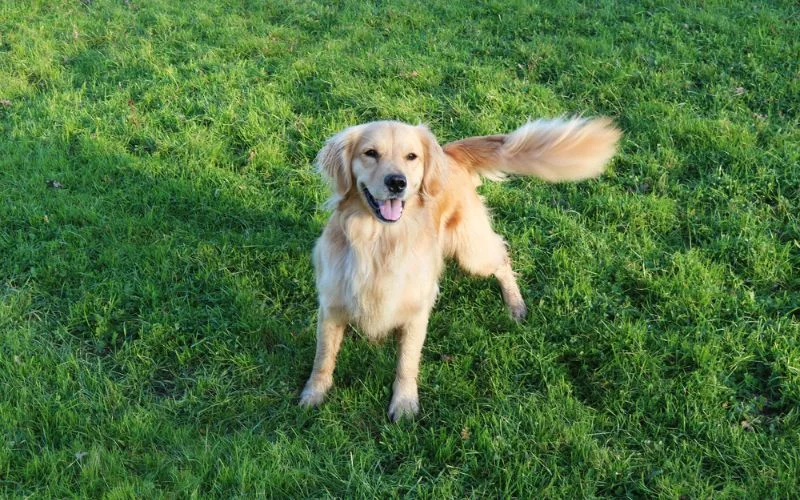
Dogs wag their tails as a means of communication. It is how they express their emotions and intentions to humans and other dogs. Understanding why dogs wag their seats can give us valuable insights into their behavior and help us better understand them.
When a dog is happy and excited, their tail wags vigorously from side to side. This is a clear sign that they are feeling positive and approachable. On the other hand, a slow and low tail wag indicates caution or uncertainty. It is important to pay attention to the speed and height of the tail wag to interpret a dog’s mood accurately.
Tail wagging is not limited to positive emotions. Dogs may also wag their tails when they are anxious or fearful. In these situations, the wag may be accompanied by other signs of stress, such as a tense body posture or tucked tail. Recognizing these signals and providing support and reassurance to the dog is crucial.
Interestingly, dogs can also wag their tails when they are being aggressive. This is known as a “flagging” behavior, where the bottom is held high and stiff. It serves as a warning to others to stay away and indicates that the dog is ready to defend itself if necessary.
In conclusion, tail wagging is a complex form of communication for dogs. It conveys various emotions and intentions, from happiness and excitement to caution and aggression.
By observing and understanding a dog’s tail wag, we can gain valuable insights into their behavior and better communicate with them.
How do dogs communicate with each other?

Dogs are highly social animals that communicate with each other in various ways. Understanding how dogs communicate can provide valuable insights into their behavior and help us better understand our furry friends.
One of the primary ways dogs communicate is through body language. They use their posture, facial expressions, and tail movements to convey different messages.
For example, a relaxed and loose body posture indicates a dog is calm and friendly, while a stiff and tense body posture suggests aggression or fear. Similarly, a wagging tail can signify happiness and excitement, while a tucked tail indicates submission or anxiety.
Vocalizations also play a crucial role in dog communication. Dogs use different barks, growls, and howls to express emotions and intentions.
A high-pitched bark, for instance, can indicate excitement or playfulness, while a deep growl may signal aggression or a warning. Dogs also use whines, yelps, and whimpering sounds to convey distress or seek attention.
Scent marking is another important form of communication among dogs. They use their urine, feces, and pheromones to leave messages for other dogs.
By sniffing these scent markers, dogs can gather information about the identity, reproductive status, and emotional state of other dogs in the area.
Social interaction is a fundamental aspect of dog communication. Dogs engage in various behaviors, such as play bows, tail wagging, and gentle nipping, to initiate and maintain social bonds.
They also use eye contact and body positioning to establish dominance or submission within a group.
Understanding how dogs communicate is key to interpreting their behavior and ensuring successful interactions with other dogs.
Observing their body language, vocalizations, scent marking, and social interactions can deepen our understanding of their needs, emotions, and intentions. This knowledge allows us to communicate more effectively with our canine companions and strengthen our bond with them.
Why do dogs bark?
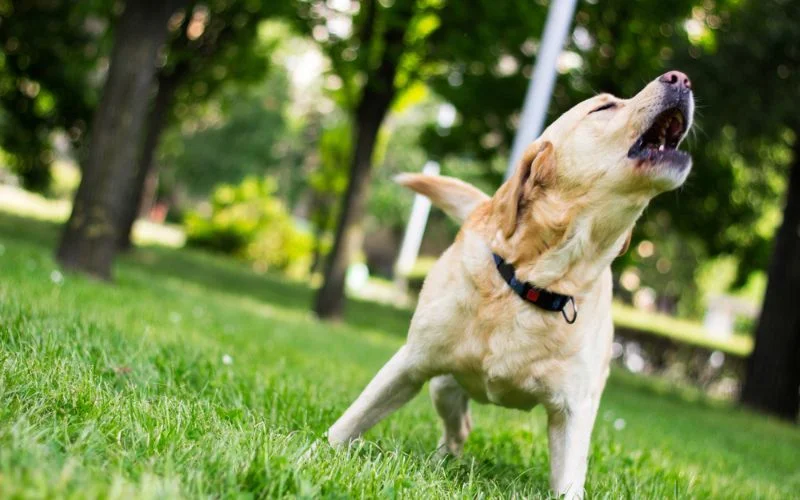
Dogs are known for their ability to bark, but have you ever wondered why they do it? Understanding the reasons behind a dog’s barking can provide valuable insight into their behavior and help you better communicate with your furry friend.
One of the most common reasons dogs bark is to communicate. Barking is their way of expressing themselves, whether it’s to alert you of danger, greet you when you come home, or get your attention. By barking, dogs can convey various emotions and intentions, such as fear, excitement, or frustration.
Another reason dogs bark is to establish their territory. They say, “This is my space, and I’m here to protect it.”
This instinctual territorial behavior can be triggered by the presence of other animals or unfamiliar people in their surroundings.
Barking can also be a result of boredom or loneliness. Dogs are social animals and thrive on companionship. They may resort to barking to alleviate their boredom or express frustration when left alone.
Some dogs bark excessively due to anxiety or fear. They may fear certain stimuli, such as loud noises or unfamiliar environments, and use barking as a coping mechanism. It’s important to address the underlying cause of their anxiety and provide them with the necessary support and reassurance.
In some cases, dogs may bark out of habit or as a learned behavior. If barking has been rewarded in the past, they may continue to do so in similar situations. It’s essential to train your dog to understand when barking is appropriate and when it’s not.
Understanding why dogs bark can help you better respond to their needs and strengthen your bond. By listening to their barks and observing their body language, you can decipher their messages and provide them with the care and attention they require.
Remember, barking is a natural behavior for dogs, and with proper training and understanding, it can be managed effectively.
What does it mean when a dog growls?

Dogs communicate with us in various ways, and one of the most common forms of communication is through growling. But what does it mean when a dog growls? Understanding the meaning behind this behavior is essential for dog owners and anyone who interacts with dogs regularly.
When a dog growls, it is typically a sign of warning or discomfort. It is their way of expressing that they are feeling threatened or agitated.
It’s important to remember that growling is a natural behavior for dogs and should not be punished or ignored. Instead, it should be seen as a valuable form of communication.
There are several reasons why a dog may growl. It could be due to fear, pain, territoriality, or resource guarding.
For example, if a dog feels threatened by a stranger approaching their territory, they may growl to establish boundaries and protect themselves. Similarly, barking may be their way of expressing distress if a dog is in pain or discomfort.
Paying attention to the context in which a dog is growling is crucial. Are they barking when someone approaches their food bowl or when they are being petted in a certain area? Understanding the triggers for growling can help us address the underlying issue and prevent potential aggression.
If your dog growls, it is essential to respond appropriately. Avoid punishing or scolding them, as this can escalate the situation. Instead, give them space and remove them from the triggering situation if possible.
Consulting with a professional dog trainer or behaviorist can also be beneficial in addressing any underlying behavioral issues.
In conclusion, when a dog growls, it is their way of communicating their discomfort or warning. By understanding the meaning behind this behavior and responding appropriately, we can ensure a safe and harmonious relationship with our furry friends.
How do dogs show affection?
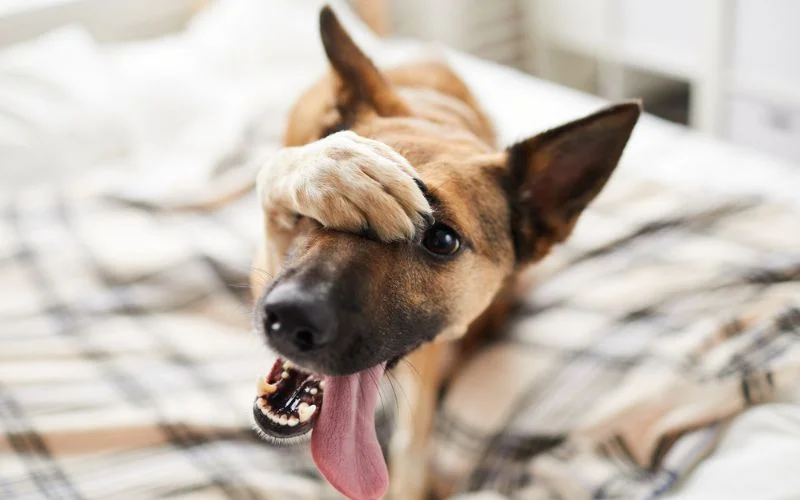
Dogs are known for their loyalty and love towards their human companions. Understanding how dogs express affection is essential for building a strong bond with them. This article will explore how dogs show love and what these behaviors mean.
One of the most common ways dogs show affection is through physical contact. They often lean against their owners, rest their heads on their laps, or snuggle beside them. These actions provide comfort and serve as a way for dogs to seek attention and closeness.
Another way dogs express affection is through licking. While it may seem slobbery, licking is a sign of love and respect for dogs. It’s their way of grooming and showing respect towards their human companions, and licking releases endorphins in dogs, making them feel happy and content.
Tail wagging is another unmistakable sign of affection in dogs. A wagging tail indicates excitement and happiness.
However, it’s important to note that not all tail wagging is a sign of respect. Dogs wag their tails for various reasons, including fear, anxiety, or aggression. Understanding the context and accompanying body language is crucial in interpreting a dog’s bottom-wagging behavior.
Dogs also show affection through eye contact. When a dog looks into your eyes, it releases oxytocin, often called the “love hormone.” This bonding hormone strengthens the emotional connection between dogs and their owners. Eye contact is a powerful way for dogs to express their love and trust.
In addition to these behaviors, dogs may bring you their favorite toys or engage in playfulness to show affection. They may also follow you around, seeking your company and companionship.
Understanding how dogs show affection allows us to respond appropriately and strengthen our bond. We can create a deeper connection with our furry friends by recognizing and reciprocating their displays of love.
Why do dogs lick people?

Dogs are known for their affectionate nature, and one of the ways they express their love and bond with their human companions is through licking. But why do dogs lick people? This behavior can have various meanings and can be influenced by multiple factors.
One common reason dogs lick people is to show submission and respect. Licking is an instinct in dogs that starts from puppyhood when they lick their mother’s face to communicate their proposition. By licking their owners, dogs display loyalty and acknowledge their place in the pack.
Another reason dogs lick people is to seek attention or affection. Dogs are social animals and crave interaction with their human family members.
Licking can be seen as a way for dogs to initiate contact and engage in a bonding activity. It is their way of saying, “I love you,” and seeking reassurance from their owners.
Furthermore, licking can also be a sign of affection and grooming behavior. Dogs have a strong instinct to groom themselves and their pack members. By licking their owners, dogs are not only showing their love but also trying to keep them clean. It is their way of taking care of their human companions.
In some cases, dogs may lick people to alleviate stress or anxiety. They were licking releases endorphins in dogs, which can help them relax and feel better. If a dog feels anxious or overwhelmed, it may turn to licking as a self-soothing mechanism.
Dogs lick people for various reasons, including submission, seeking attention, showing affection, and relieving stress.
Dog owners need to understand and interpret their dog’s licking behavior in terms of their overall body language and behavior. By doing so, they can strengthen the bond with their furry friends and ensure their well-being.
What causes separation anxiety in dogs?

Separation anxiety is a common behavioral issue that many dogs experience when they are left alone. It can manifest in various ways, such as excessive barking, destructive behavior, and even self-harm.
Understanding the causes of separation anxiety can help dog owners address this issue and provide the necessary support for their furry friends.
One of the main causes of separation anxiety in dogs is a lack of socialization. Dogs not properly exposed to different environments, people, and other animals may become anxious when separated from their owners.
This is why it is crucial to socialize your dog from a young age and expose them to various situations.
Another factor that can contribute to separation anxiety is a traumatic experience. If a dog has experienced a traumatic event while alone, such as being abandoned or neglected, it may develop anxiety when left alone again.
It is important to provide a safe and secure environment for your dog and address any past traumas they may have experienced.
Changes in routine can also trigger separation anxiety in dogs. Dogs are creatures of habit, and sudden changes in their daily routine can cause stress and anxiety. This can include changes in work schedules, moving to a new home, or adding a new family member.
Gradually introducing these changes and providing a consistent routine can help alleviate separation anxiety.
Lastly, some dogs are more prone to separation anxiety due to their genetics or temperament. Certain breeds, such as Labrador Retrievers and German Shepherds, are more susceptible to separation anxiety. Understanding your dog’s breed and character can help you identify and address their needs.
In conclusion, separation anxiety in dogs can be caused by various factors, including a lack of socialization, traumatic experiences, changes in routine, and genetic predisposition.
By understanding the underlying causes, dog owners can take the necessary steps to help their furry friends overcome separation anxiety and lead happier, more balanced lives.
How do dogs establish dominance?

Understanding dog behavior is crucial for owners to establish a healthy and harmonious relationship with their furry companions. One aspect of dog behavior that often intrigues owners is how dogs show dominance within their social groups.
This article will explore how dogs illustrate authority and its implicatipowereir interactions with other dogs and humans.
One common way dogs establish dominance is through body language. Dominant dogs often display confident and assertive postures, such as standing tall with their heads held high and tails held upright.
They may also engage in behaviors like direct eye contact, leaning on other dogs, and placing their paws on them. These actions communicate their dominance and assert their position within the social hierarchy.
Another method dogs use to establish dominance is resource guarding. Dominant dogs may guard valuable resources, such as food, toys, or sleeping areas, to assert their control over these coveted items.
They may growl, snap, or even bite if another dog or human tries to approach or take away their resources.
Social interactions, such as play and greetings, also play a role in establishing dominance. Dominant dogs often initiate play and control the pace and intensity of the interaction.
They may mount other dogs, engage in rough latitude, or use their bodies to block or push other dogs around. Doing so reinforces their dominance and establishes their position within the social group.
Understanding how dogs establish dominance is important for owners to effectively manage their dogs’ behavior and prevent potential conflicts.
By recognizing the signs of power and taking appropriate measures, such as providing consistent leadership and training, owners can establish themselves as the pack leader and promote a balanced and respectful relationship with their dogs.
In conclusion, dogs establish dominance through various means, including body language, resource guarding, and social interactions. By understanding these behaviors and their implications, dog owners can better navigate their dogs’ social dynamics and foster a healthy and respectful relationship.
Conclusion
Understanding dog behavior is crucial for every dog owner and lover. Throughout this post, we have explored various aspects of dog behavior, including why dogs wag their tails, how they communicate with each other, why they bark, what it means when a dog growls, how they show affection, why they lick people, what causes separation anxiety, and how they establish dominance.
By understanding dog behavior, we can better communicate with our furry friends and build a stronger bond with them. We now know that tail wagging is not always a sign of happiness but can indicate fear or anxiety.
Dogs communicate through body language, vocalizations, and scent marking, allowing them to convey their needs and emotions to other dogs and humans.
Barking is a natural behavior for dogs, serving as a means of communication, protection, and even boredom.
Growling, on the other hand, can be a warning sign and should never be ignored. It is essential to recognize how dogs show affection, such as licking, cuddling, or leaning against their owners.
Separation anxiety is common among dogs, and understanding its causes can help us address and alleviate their distress. Recognizing and managing dominant behaviors is crucial for a harmonious relationship with our pets.
Staying updated on the latest research and trends in dog behavior is important. New training methods, behavioral therapies, and technological developments can further enhance our understanding and interaction with dogs.
Thank you for taking the time to read this post. We hope it has provided valuable insights into understanding dog behavior.
We encourage you to leave any comments or feedback, as your input is greatly appreciated. Remember, by understanding and respecting our dogs’ behavior, we can create a happier and healthier environment for them.