

Why We Make Our Own Dog Food at RAWF: Beyond the Bowl
When it comes to our furry companions, their health and well-being are of utmost importance. As pet owners, we strive to provide the best care possible, from regular vet check-ups to daily exercise. But have you ever stopped to consider what you’re feeding your dog? Many commercial dog foods today are filled with artificial ingredients, preservatives, and fillers that can hurt your pet’s health. That’s why at RAWF, we believe in taking matters into our own hands and making our dog food.
At RAWF, we understand that dogs are not just pets but family members. We believe they deserve the same quality of food we would feed ourselves. That’s why we have taken it upon ourselves to create our dog food, using only the freshest and most natural ingredients. By doing so, we can ensure that our furry friends get the nutrition they need without harmful additives.
Making our dog food also gives us complete control over the ingredients we use. We carefully select each component, ensuring they are of the highest quality and free from potential allergens or harmful substances. This level of control gives us peace of mind, knowing that we provide our dogs with a diet tailored to their needs.
Another reason why we make our dog food at RAWF is its cost-effectiveness. While some may argue that commercial dog foods are more affordable, we have found that making our dog food can be more economical in the long run. By purchasing ingredients in bulk and preparing meals in advance, we can save money without compromising the quality of our dogs’ food.
Why Should I Make My Dog Food?

Making your dog food has become increasingly popular among pet owners, and for a good reason. When it comes to the health and well-being of our furry friends, we want to ensure they are getting the best nutrition possible. Many pet owners turn to homemade dog food to provide their dogs with a balanced and nutritious diet.
One of the main reasons why people choose to make their dog food is because they have more control over the ingredients. Commercial dog foods often contain fillers, preservatives, and artificial additives that may not be the best for your dog’s health. You can carefully select high-quality ingredients tailored to your dog’s specific needs by making your dog food.
Another benefit of making your dog food is that it allows you to avoid potential allergens and sensitivities. Many dogs suffer from food allergies or sensitivities, leading to digestive issues, skin problems, and overall discomfort. By making your dog food, you can eliminate potential triggers and provide your dog with a diet free from allergens.
Furthermore, homemade dog food allows you to cater to your dog’s preferences and dietary requirements. Just like humans, dogs have different tastes and nutritional needs. By making their food at home, you can ensure they get the flavors they love and the nutrients they need.
In conclusion, making your dog food is a great way to ensure your furry friend gets the best nutrition possible. With control over the ingredients, the ability to avoid allergens, and the opportunity to cater to your dog’s preferences, homemade dog food is a healthy and rewarding choice for pet owners. So why not try it and see the difference it can make in your dog’s life?
What Are the Benefits of Homemade Dog Food?
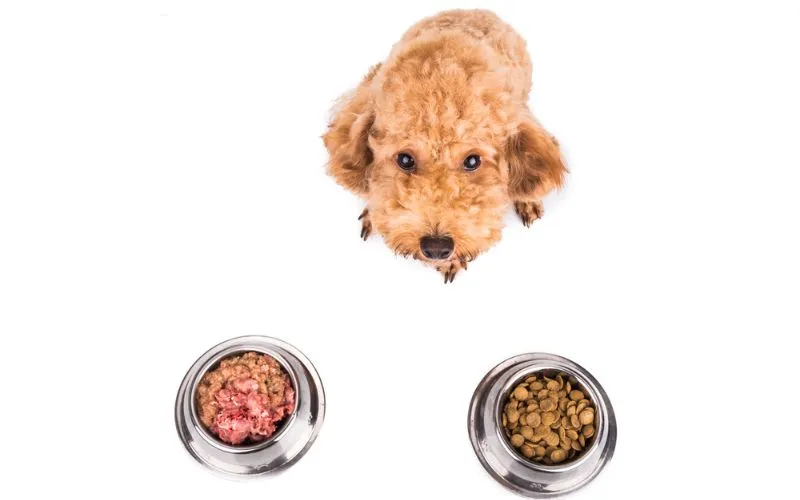
Making your dog food at Rawf has become increasingly popular among pet owners who want to ensure their furry friends get the best nutrition possible. By preparing homemade dog food, you control the ingredients, portion sizes, and food quality you feed your beloved pet. Let’s explore some of the benefits of homemade dog food.
One of the main advantages of homemade dog food is the ability to tailor the recipe to your dog’s specific needs. Every dog is unique, and their nutritional requirements may vary based on age, breed, and activity level. By making your dog food, you can customize the ingredients to meet your dog’s needs, ensuring they receive the right balance of proteins, carbohydrates, and fats.
Another benefit of homemade dog food is the elimination of fillers and additives commonly found in commercial pet food. Many commercial dog foods contain artificial preservatives, colors, flavors, and low-quality ingredients that offer little nutritional value. Using fresh, whole ingredients in your homemade dog food can provide your pet with a healthier and more natural diet.
Lastly, preparing homemade dog food can be a bonding experience between you and your furry companion. Involving your dog in the cooking process can create a sense of excitement and anticipation during mealtime. It also strengthens your bond and strengthens your connection with your pet.
In conclusion, homemade dog food offers numerous benefits, including customization, healthier ingredients, and the ability to cater to specific dietary needs. By preparing homemade dog food, you can provide your pet with a nutritious and delicious diet that promotes their overall well-being.
Is Homemade Dog Food Healthier for Dogs?

When it comes to our furry friends, we want nothing but the best for them. This includes their diet. Many pet owners question whether homemade dog food is healthier for their beloved pets. At Rawf, we firmly believe that making our dog food is the best choice for our dogs’ health and well-being.
One of the main reasons we make our dog food raw is that we have full control over the ingredients. Commercial dog foods often contain fillers, additives, and preservatives that may not benefit our dogs.
Another advantage of homemade dog food is that it can be tailored to meet our dogs’ specific dietary needs. Like humans, dogs have different nutritional requirements based on age, breed, and health conditions. By making our dog food, we can customize the recipe to suit our dogs’ needs, ensuring they get the right balance of proteins, carbohydrates, and fats.
Furthermore, homemade dog food allows us to avoid potential allergens that may be present in commercial dog food. Many dogs suffer from food allergies or sensitivities, which can cause digestive issues, skin problems, and other health concerns. By making our dog food, we can carefully select safe and suitable ingredients for our dogs, minimizing the risk of allergic reactions.
In conclusion, homemade dog food can indeed be healthier for dogs. By making our dog food at Rawf, we control the ingredients, tailor the recipe to our dogs’ needs, and avoid potential allergens. However, consulting with a veterinarian or a canine nutritionist is important to ensure that the homemade diet is nutritionally balanced and meets all of our dogs’ dietary requirements.
What Ingredients Should I Include in Homemade Dog Food?
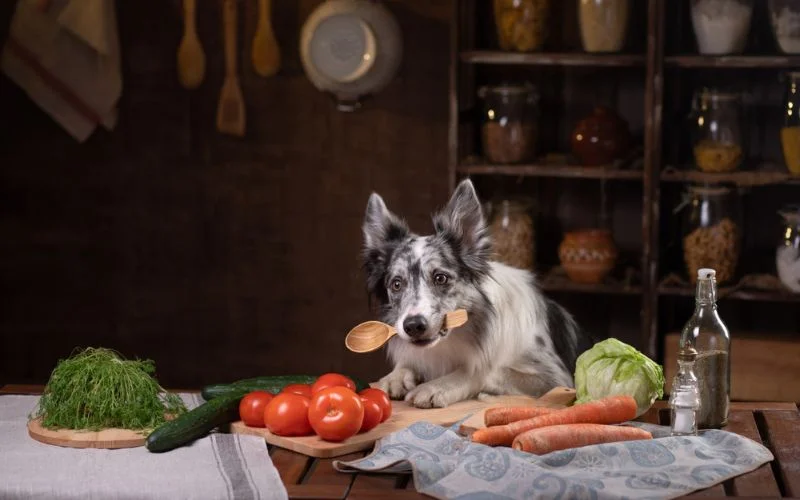
Many pet owners turn to homemade dog food to provide their furry friends with the best nutrition. Dog food gives you full control over the ingredients, ensuring your dog receives a balanced and healthy diet. But what exactly should you include in homemade dog food?
First and foremost, it’s important to include a source of protein in your dog’s diet. This can come from lean meats such as chicken, turkey, or beef. Protein is essential for muscle development, repair, and overall growth and maintenance.
In addition to protein, your homemade dog food should also contain carbohydrates. Good sources of carbohydrates include brown rice, sweet potatoes, and whole grains. Carbohydrates provide energy and help to keep your dog feeling full and satisfied.
Fruits and vegetables are another important component of homemade dog food. They provide essential vitamins, minerals, and antioxidants. Some great options include carrots, peas, spinach, and blueberries. These ingredients not only add nutritional value, but they also add flavor and variety to your dog’s meals.
It’s also a good idea to include some healthy fats to ensure that your dog gets all the necessary nutrients. This can come from sources such as fish oil or flaxseed oil. Healthy fats are important for a shiny coat, healthy skin, and overall well-being.
Finally, don’t forget to include a calcium source in your homemade dog food. This can come from ingredients like yogurt or cottage cheese. Calcium is important for strong bones and teeth.
You can provide your furry friend with a nutritious and balanced diet by including these essential ingredients in your homemade dog food. Consult with your veterinarian to ensure you meet your dog’s specific dietary needs.
Can I Customize the Recipe for My Dog’s Specific Needs?
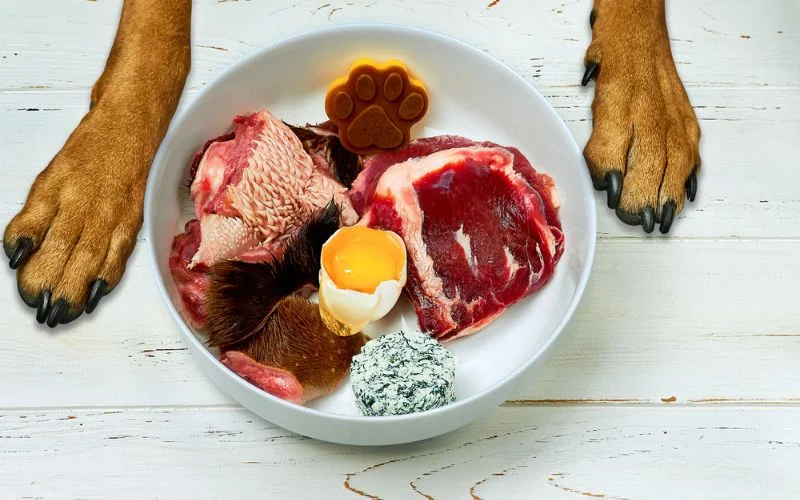
When it comes to our furry friends, we want nothing but the best for them. That’s why many pet owners have started making their dog food raw. But can you customize the recipe to meet your dog’s specific needs? The answer is a resounding yes!
One of the main reasons we make our dog food raw is that commercial pet foods often contain fillers, preservatives, and artificial ingredients that may not be suitable for our dogs. By preparing their meals ourselves, we have full control over the ingredients that go into their food.
If your dog has specific dietary requirements, such as allergies or sensitivities, making your dog food allows you to tailor the recipe to meet its needs. For example, if your dog is allergic to certain grains, you can eliminate them from the recipe and replace them with alternative ingredients like sweet potatoes or quinoa.
Furthermore, if your dog has health issues, such as kidney disease or diabetes, you can adjust the recipe to accommodate their condition. For instance, you can reduce the amount of phosphorus in the food for a dog with kidney disease or limit the carbohydrates for a diabetic dog.
Customizing your dog’s food also allows you to cater to their preferences. If your dog is a picky eater, you can experiment with different flavors and textures to find what they enjoy the most. You can also add supplements or superfoods to boost their health and well-being.
In conclusion, making your dog’s food raw allows you to customize the recipe to meet your dog’s needs. You can provide a nutritious and delicious meal, whether it’s allergies, health issues, or simply their taste preferences. So why not try it and see the difference it can make in your dog’s life?
How Can I Ensure My Homemade Dog Food is Balanced?

Ensuring that your homemade dog food is balanced is crucial for the health and well-being of your furry friend. At RawF, we understand the importance of providing a nutritious diet for our pets, so we make our dog food. This article will discuss some key factors to consider when preparing homemade dog food to ensure it is balanced and meets all of your dog’s nutritional needs.
First and foremost, it is important to understand the nutritional requirements of dogs. They need a balanced diet of proteins, carbohydrates, fats, vitamins, and minerals. These nutrients play a vital role in their overall health and development. When preparing homemade dog food, it is essential to include a variety of ingredients that provide these nutrients in the right proportions.
Proteins are essential to a dog’s diet as they help build and repair tissues. Good protein sources include lean meats, fish, eggs, and dairy products. Conversely, carbohydrates provide energy and can be found in grains, vegetables, and fruits. Fats are necessary for healthy skin and coats and can be obtained from fish and flaxseed.
When preparing homemade dog food, following a recipe or consulting with a veterinary nutritionist is crucial to ensure that the food is balanced and meets your dog’s specific needs. It is also important to monitor your dog’s weight and overall health to make any necessary adjustments to its diet.
By ensuring that your homemade dog food is balanced, you are providing your furry friend with the best possible nutrition. At RawF, we believe in the power of homemade dog food and its ability to promote the health and well-being of our beloved pets.
Are There Any Risks or Concerns with Homemade Dog Food?

Many pet owners opt for homemade dog food when feeding their furry friends. This trend has gained popularity due to concerns over the quality and safety of commercial dog food. But are there any risks or problems associated with homemade dog food? Let’s explore.
One of the main concerns with homemade dog food is ensuring proper nutrition. Dogs require a balanced diet with enough protein, carbohydrates, fats, vitamins, and minerals. Without careful planning and knowledge of canine nutrition, homemade dog food may lack essential nutrients, leading to deficiencies or imbalances in their diet.
Another risk is contamination. Raw ingredients used in homemade dog food can carry bacteria, such as salmonella or E. coli, harming both dogs and humans. Proper handling, storage, and cooking techniques are crucial to minimize the risk of bacterial contamination.
Additionally, homemade dog food can be time-consuming and expensive. It requires careful meal planning, sourcing quality ingredients, and preparing meals in the right proportions. It may not be feasible for pet owners with busy schedules or tight budgets.
Furthermore, some ingredients commonly used in homemade dog food can harm dogs. For example, certain fruits, vegetables, spices, or seasonings can be harmful or fatal to our canine companions. Researching and consulting with a veterinarian is essential to ensure the ingredients used are safe for dogs.
In conclusion, while homemade dog food can offer benefits such as quality control and customization, some risks and concerns must be addressed. Proper nutrition, contamination, time, expense, and ingredient safety are all factors to consider when making homemade dog food. It is crucial to consult with a veterinarian to ensure that your dog’s nutritional needs are met and that their homemade meals are safe and balanced.
Where Can I Find Recipes for Homemade Dog Food?

When it comes to the health and well-being of our furry friends, many pet owners are turning to homemade dog food to provide their dogs with nutritious and natural meals. Dog food gives you control over the ingredients and ensures your dog gets the best possible nutrition. But where can you find recipes for homemade dog food?
One great resource for finding recipes is the internet. Numerous websites and blogs are dedicated to providing pet owners with homemade dog food recipes. These sites often include various recipes catering to different dietary needs and preferences. Whether your dog has allergies, sensitivities, or specific dietary requirements, you will likely find a recipe that suits their needs.
Another option is to consult with a veterinarian or a pet nutritionist. These professionals can provide you with expert advice on how to create balanced and nutritious homemade dog food. They can guide you on the right proportions of protein, carbohydrates, and fats and the necessary vitamins and minerals your dog needs. They can also help you tailor the recipes to your dog’s needs.
Additionally, several books are available that focus on homemade dog food recipes. These books often provide a wealth of nutrition information and offer you a wide range of recipes. They can be a great resource for pet owners who want to delve deeper into the world of homemade dog food.
Conclusion
Making our dog food at RAWF offers numerous benefits and advantages for our beloved pets. Throughout this post, we have explored various topics related to the keyword “why we make our dog food at RAWF” and have provided valuable insights into the importance of this practice.
We have discussed why making our dog food is essential, highlighting the control and transparency it provides over the ingredients used. Preparing homemade dog food ensures that our furry friends receive a well-balanced and nutritious diet tailored to their specific needs.
The benefits of homemade dog food have been extensively covered, including improved digestion, enhanced coat, and skin health, increased energy levels, and even potential weight management. By avoiding artificial additives and preservatives, we can promote the overall well-being of our dogs and contribute to their longevity.
Customization is another key aspect we have explored. By understanding our dog’s specific needs, we can tailor the recipe accordingly, considering factors such as age, breed, and any allergies or sensitivities they may have. This personalized approach ensures that our dogs receive the optimal nutrition they require.
Ensuring a balanced homemade dog food diet is crucial, and we have provided actionable tips and advice on achieving this. By consulting with a veterinarian and incorporating various protein sources, carbohydrates, healthy fats, and essential vitamins and minerals, we can create a well-rounded meal for our furry companions.
Thank you for taking the time to read this post. We encourage you to leave any comments or feedback and share your experiences with making your dog food. As pet nutrition continues to evolve, it is important to stay informed and adapt our practices accordingly. Together, we can provide the best care for our furry friends and ensure their health and happiness for years.
