

The Best Raw Dog Food to Enhance Your Pet’s Wellbeing
Providing our furry friends with the best nutrition is crucial. Raw dog food, mirroring their ancestors’ diet, is popular today. But choosing the best one among the options can be daunting. Consider their needs and consult a vet for a healthy choice.
In this article, we will explore the world of raw dog food and help you navigate the various options to find the perfect fit for your furry companion. From understanding the benefits of a raw food diet to knowing what ingredients to look for, we’ll cover it all.
Raw dog food has gained popularity due to its potential health benefits. Many dog owners report improved coat quality, digestion, and overall energy levels after switching to a raw food diet. This is because raw food is free from artificial additives, preservatives, and fillers in commercial dog food.
But not all raw dog food is created equal. It’s important to consider factors such as the quality of ingredients, sourcing practices, and nutritional balance. We’ll delve into these topics and provide the information you need to make an informed decision.
Join us as we discover the best raw dog food options. Whether you’re a seasoned raw feeder or new to the concept, this article will be a valuable resource to help you make the best choice for your furry friend’s health and well-being.
Remember, the best raw dog food is not a one-size-fits-all solution. Each dog is unique, and their nutritional needs may vary. So, let’s dive in and explore the world of raw dog food together, ensuring that our four-legged companions receive the best nutrition possible.
What Is the Best Raw Dog Food?
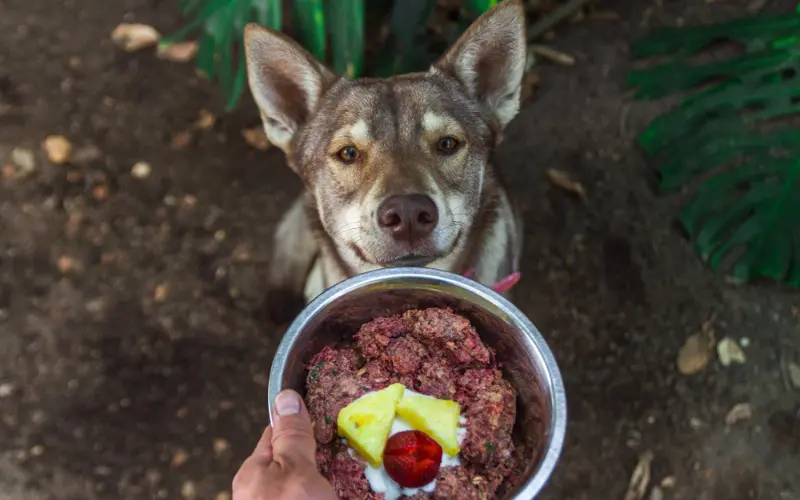
When it comes to the health and well-being of our furry friends, choosing the best raw dog food is of utmost importance. But with so many available options, it can be overwhelming to determine which is truly the best. This article will explore the key factors to consider when selecting raw dog food and provide insights into popular choices.
First and foremost, it is crucial to prioritize your dog’s nutritional needs. Raw dog food should contain high-quality protein sources, such as lean meats and organs, to support muscle growth and repair. Additionally, it should include essential fats, vitamins, and minerals to ensure overall health and vitality.
One popular option that meets these criteria is the BARF diet, which stands for Biologically Appropriate Raw Food. This diet emphasizes feeding dogs a variety of raw meats, bones, fruits, and vegetables to mimic their natural diet in the wild. Many dog owners report improved digestion, shinier coats, and increased energy levels in their pets after switching to the BARF diet.
Another notable brand in the raw dog food market is Stella & Chewy’s. Their freeze-dried raw food offers convenience without compromising on quality. Made with premium ingredients and no artificial additives, Stella & Chewy’s ensures a balanced and nutritious diet for your furry companion.
Primal Pet Foods is worth considering for those who prefer a more budget-friendly option. Their raw dog food formulas are made with high-quality ingredients and come in various protein options to cater to different dietary needs.
In conclusion, the best raw dog food prioritizes your dog’s nutritional needs and is made with high-quality ingredients. Whether you choose the BARF diet, Stella & Chewy’s, Primal Pet Foods, or another reputable brand, providing your furry friend with a raw food diet can improve health and vitality. Consult your veterinarian to determine the best option for your dog’s needs.
How to Transition My Dog to a Raw Diet?
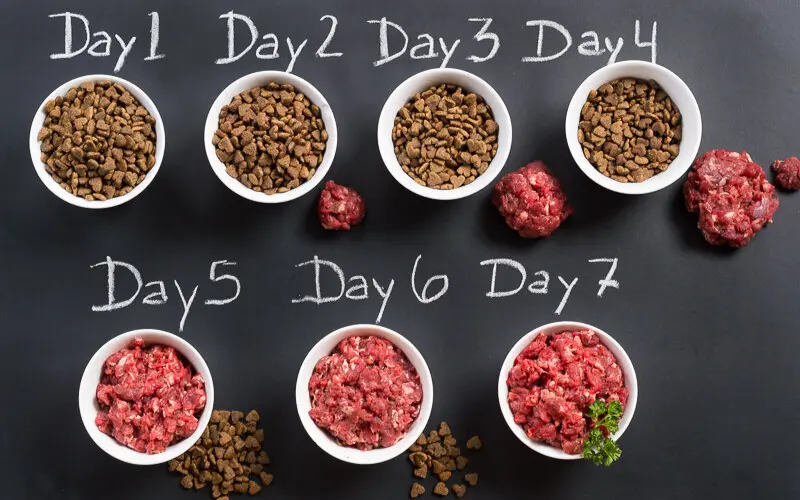
Transitioning your dog to a raw diet can be a beneficial change for its overall health and well-being. You give them a natural and nutritionally balanced diet with the best raw dog food. But how do you go about making this transition? Here are some steps to help you through the process.
Firstly, it’s important to research and choose the right raw dog food for your furry friend. Look for brands that use high-quality ingredients and have a good balance of protein, fruits, and vegetables. This will ensure that your dog gets all the necessary nutrients.
Once you have selected the best raw dog food, gradually introduce it into your dog’s diet; start by mixing a small amount of raw food with their current food. Over a week, gradually increase the ratio of raw food to their old food. This slow transition will help your dog adjust to the new diet without any digestive issues.
Monitoring your dog’s health and behavior is important during the transition period. Keep an eye out for any signs of discomfort or allergies. If you notice any adverse reactions, consult with your veterinarian for guidance.
In addition to the gradual transition, providing your dog with plenty of fresh water and exercise is important. This will help support their overall health and digestion.
Every dog is unique, and transitioning to a raw diet may take time. Be patient and observant, and make adjustments as needed. Your furry friend will thrive on their new diet with the right approach and the best raw dog food.
What Are the Benefits of Feeding Raw?

Feeding raw dog food has become increasingly popular among pet owners who want the best nutrition for their furry friends. But what exactly are the benefits of providing basic? This article will explore the advantages of this natural and wholesome dog diet.
One of the main benefits of feeding raw is improved digestion. Raw dog food is rich in natural enzymes and probiotics, which help support a healthy gut. This can lead to better nutrient absorption and reduced digestive issues such as bloating, diarrhea, and constipation.
Another advantage of raw feeding is healthier skin and coats. Natural dog food contains essential fatty acids, vitamins, and minerals that promote a shiny coat and reduce skin allergies. Many dog owners have reported significant improvements in their pet’s skin and coat condition after switching to a raw diet.
Raw feeding can also contribute to better oral health. Chewing on bare meaty bones helps remove plaque and tartar buildup, reducing the risk of dental problems such as gum disease and tooth decay. It’s a natural way to keep your dog’s teeth clean and strong.
Furthermore, feeding raw can support a stronger immune system. Raw dog food contains natural antioxidants and nutrients that boost the immune system, making your dog less susceptible to infections and diseases. A strong immune system is essential for overall health and longevity.
Lastly, many dog owners have noticed increased energy levels and improved weight management when feeding raw. Raw food is more nutrient-dense and easier to digest, providing dogs with the energy they need to stay active and maintain a healthy weight.
In conclusion, feeding raw dog food offers numerous benefits for your furry companion. A raw diet can greatly enhance your dog’s well-being, from improved digestion and healthier skin to better oral health and a stronger immune system. Consider switching to the best natural dog food and see the positive changes in your pet’s health and vitality.
Can I Feed My Dog Raw Bones?

Feeding your dog a raw diet has become increasingly popular among pet owners, providing numerous health benefits. One question that often arises when considering a raw diet for your furry friend is whether it is safe to feed them bare bones. This article will explore the pros and cons of feeding your dog bare bones.
Raw bones can be a great addition to your dog’s diet for several reasons. Firstly, they are a natural source of essential nutrients such as calcium and phosphorus, vital for maintaining strong bones and teeth. Additionally, chewing on raw bones can help keep your dog’s teeth clean and reduce the risk of dental issues such as tartar buildup and gum disease.
However, it is crucial to exercise caution when feeding your dog raw bones. Always choose bare-bones appropriate for your dog’s size and breed. Large, weight-bearing bones, such as beef femurs, can be too hard and may cause dental fractures or other injuries. Instead, opt for softer bones, such as chicken or turkey necks, which are more suitable for chewing.
It is also important to supervise your dog while they are enjoying its raw bone. Some dogs may become possessive or aggressive when guarding their bones, leading to potential conflicts with other pets or family members. Establish clear boundaries and teach your dog proper chewing etiquette to prevent accidents or injuries.
In conclusion, feeding your dog raw bones can benefit their diet, providing essential nutrients and promoting dental health. However, choosing the right type of bones and supervising your dog during chewing is crucial. By following these guidelines, you can safely incorporate raw bones into your dog’s diet and contribute to their overall well-being.
How Much Raw Food Should I Feed My Dog?
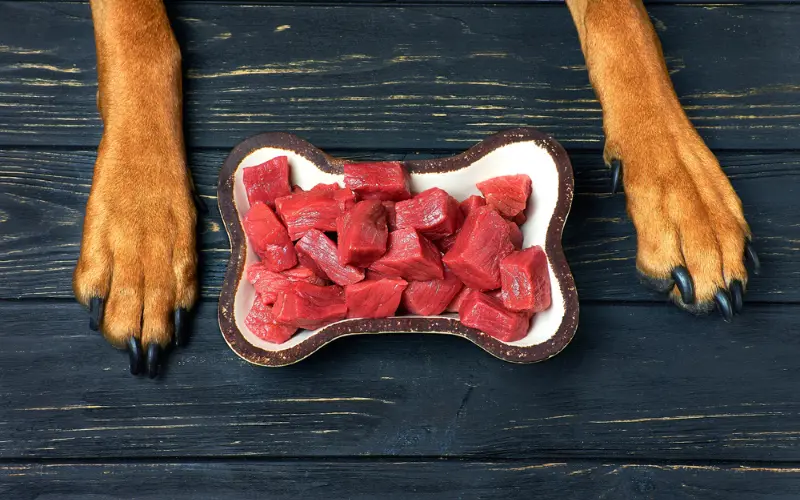
Feeding your dog a raw food diet has become increasingly popular among pet owners who want to provide their furry friends with the best nutrition possible. But how much raw food should you be feeding your dog? This is a common question many dog owners have, and it’s important to address it to ensure your dog gets the right amount of nutrients.
When determining how much raw food to feed your dog, there are a few factors to consider. First, consider your dog’s age, weight, and activity level. Puppies and active dogs generally require more food than older or less active dogs. It’s important to consult with your veterinarian to determine the appropriate portion size for your specific dog.
Generally, a good starting point is to feed your dog 2-3% of their body weight in raw daily food. This can be divided into two meals, one in the morning and one in the evening. For example, if your dog weighs 50 pounds, you feed them approximately 1-1.5 pounds of raw food daily.
It’s also important to remember that every dog is unique, and their nutritional needs may vary. Depending on their metabolism and health conditions, some dogs may require more or less food. Monitoring your dog’s weight and adjusting their portion size is always good.
In conclusion, determining how much raw food to feed your dog is not an exact science. It requires careful consideration of your dog’s age, weight, and activity level and consultation with your veterinarian. Providing your dog with the right raw food can ensure they get the nutrition they need to thrive.
What Ingredients Should I Look for in Raw Dog Food?
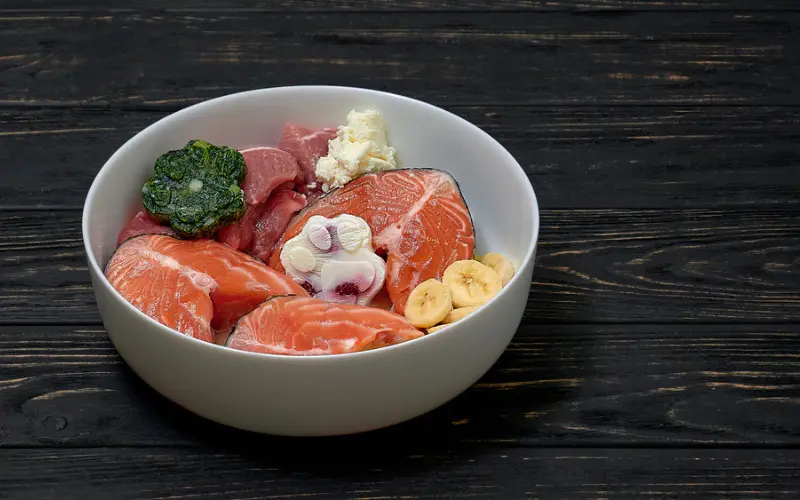
When feeding our furry friends, we want to ensure they get the best nutrition possible. Raw dog food has gained popularity in recent years as pet owners are becoming more aware of the benefits of a natural diet. But what exactly should you look for in raw dog food?
First and foremost, it’s important to choose raw dog food made with high-quality, human-grade ingredients. Look for a brand that uses real, whole meats as the main ingredient, such as chicken, beef, or lamb. Avoid fillers or by-products, as these can harm your dog’s health.
In addition to the main protein source, raw dog food should include various fruits and vegetables. These ingredients provide essential vitamins, minerals, and antioxidants that can help support your dog’s overall health and well-being. Look for ingredients like nutrient-rich sweet potatoes, carrots, and blueberries.
Another important factor to consider is the presence of natural supplements in raw dog food. Omega-3 fatty acids, probiotics, and glucosamine benefit your dog’s joint health, digestion, and immune system. These supplements can help keep your dog healthy and active for years.
Lastly, choosing raw dog food free from artificial preservatives, colors, and flavors is crucial. These additives can harm your dog’s health and cause allergies or other adverse reactions. Opt for a brand that uses natural preservatives, such as vitamin E or rosemary extract.
In conclusion, when looking for the best raw dog food, prioritize high-quality ingredients, including real meats, fruits, and vegetables. Ensure the presence of natural supplements and avoid artificial additives. You can provide your furry friend with a nutritious and balanced diet by choosing raw dog food that meets these criteria.
Are There Any Risks or Dangers to Feeding Raw?

Feeding raw dog food has gained popularity among pet owners seeking a natural and healthy diet for their furry companions. However, it is important to consider the potential risks and dangers associated with this feeding method.
One of the main concerns with raw dog food is the risk of bacterial contamination. Uncooked meat can contain harmful bacteria such as Salmonella and E. coli, threatening both dogs and their owners. It is crucial to handle raw food properly, ensuring proper storage, hygiene, and thorough cleaning of utensils to minimize the risk of bacterial infection.
Another potential danger of feeding raw is the imbalance of nutrients. While raw food can provide many essential nutrients, it can be challenging to achieve a well-balanced diet consistently. Dogs require a specific combination of proteins, fats, carbohydrates, vitamins, and minerals to thrive. A raw diet may lack certain nutrients without careful planning and supplementation, leading to nutritional deficiencies.
Furthermore, bones in raw diets can pose a choking hazard or cause dental issues. Some raw feeders advocate for feeding whole bones, claiming they benefit dental health. However, fractured teeth or intestinal blockage is risky if the bones are not appropriately sized or the dog gulps them down.
Lastly, transitioning to a raw diet can be challenging for some dogs. Sudden changes in diet can cause digestive upset, including diarrhea or vomiting. It is essential to introduce raw food gradually and monitor the dog’s response to ensure a smooth transition.
In conclusion, while feeding raw dog food can have benefits, knowing the potential risks and dangers is crucial. Proper handling and preparation of raw food, ensuring a balanced diet, and monitoring the dog’s response are all essential factors to consider when opting for a raw feeding approach.
Can I Mix Raw Food with Kibble?
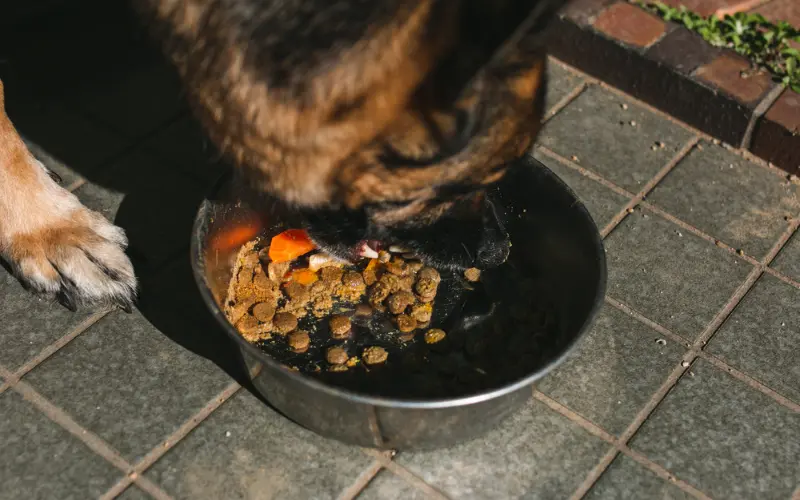
When it comes to feeding our furry friends, many dog owners wonder if mixing raw food with kibble is okay. The answer to this question is not a simple yes or no. It depends on various factors, including your dog’s dietary needs and preferences.
Raw food diets for dogs have gained popularity in recent years, as they are believed to provide a more natural and nutritionally balanced diet. These diets typically contain raw meat, bones, fruits, and vegetables. On the other hand, kibble is a processed form of dog food that is convenient and easy to store.
Some dog owners mix raw food with kibble to provide their pets a balanced diet. This can be done by adding a small amount of raw food to your dog’s kibble or by feeding them a raw meal once daily and kibble for the rest of the meals. Mixing the two can help ensure your dog gets the benefits of both types of food.
However, it’s important to note that not all dogs will tolerate this mix well. Some dogs may have digestive issues or allergies to certain ingredients, which can be exacerbated by mixing raw food with kibble. It’s always best to consult your veterinarian before changing your dog’s diet.
In conclusion, mixing raw food with kibble can be a viable option for some dogs, but it’s not suitable for every dog. It’s essential to consider your dog’s needs and consult a professional to determine the best diet. Remember, the goal is to provide your furry friend with the best raw dog food that meets their nutritional requirements and keeps them healthy and happy.
Firstly, we explored what the best raw dog food entails. We discussed the importance of a balanced diet and its benefits for your furry friend. Transitioning your dog to a raw diet can be a gradual process, and we provided helpful tips on making this transition smooth and successful.
Feeding raw has numerous benefits, including improved digestion, healthier skin and coat, and increased energy levels. We also addressed the common concern of feeding bare bones to dogs, and its potential associated risks. It is important to exercise caution and provide appropriate bones to ensure the safety of your pet.
Determining the right amount of raw food to feed your dog is crucial. We discussed factors such as age, weight, and activity level that should be considered when determining portion sizes. Additionally, we highlighted the key ingredients to look for in raw dog food, emphasizing the importance of high-quality protein sources and avoiding fillers or artificial additives.
While there are risks and potential dangers associated with feeding raw, proper handling and hygiene practices can mitigate these concerns. It is important to consult with your veterinarian and follow their guidance when embarking on a raw diet for your dog.
As for mixing raw food with kibble, it is generally not recommended due to differences in digestion and nutrient absorption. However, we advise seeking professional advice if you choose to do so.
The trend towards feeding raw is expected to grow as more pet owners recognize the importance of providing a species-appropriate diet. Ongoing research and advancements in natural dog food formulations will likely lead to even better options.
Conclusion
In conclusion, raw dog food is optimal for a wholesome and balanced diet. Its benefits include improved digestion, dental health, and boosted immunity. While concerns exist, proper handling and sourcing mitigate risks. Embrace raw food responsibly to optimize your dog’s health and happiness.