

Natural Raw Diet for Dogs: A Balanced Boost
Are you looking to improve your furry friend’s overall health and well-being? Transitioning your dog to a raw food diet may be the answer you’ve been searching for. Raw food diets have gained popularity among pet owners due to their numerous benefits, including improved digestion, increased energy levels, and a shinier coat. This guide will explore the steps to successfully transition your dog to a raw food diet, ensuring a seamless and healthy transition.
Transitioning to a raw food diet is a gradual process that requires careful planning and consideration. It’s important to note that not all dogs are suitable candidates for raw food diets, so consulting with your veterinarian before making any changes is crucial. Once you have determined that a raw food diet suits your dog, it’s time to embark on this exciting journey toward better health.
The first step in transitioning your dog to a raw diet is gradually introducing raw food. Suddenly switching your dog’s diet can cause digestive upset, so it’s best to take it slow. Start by replacing a small portion of your dog’s diet with raw food and gradually increasing the ratio over time. This allows your dog’s digestive system to adapt to the new diet without discomfort.
Another important aspect of transitioning to a raw diet is ensuring balanced nutrition. Dogs require various nutrients to thrive, and a well-rounded diet is essential. Incorporating a range of proteins, fruits, vegetables, and supplements will help meet your dog’s nutritional needs. Consulting with a veterinary nutritionist can be beneficial in creating a balanced meal plan for your furry friend.
In conclusion, transitioning your dog to a raw food diet can positively impact its health and well-being. Following a gradual transition process and providing a balanced diet can ensure a smooth and successful transition. In the upcoming sections, we will delve deeper into the specifics of raw food diets, addressing common concerns and providing expert advice. So, let’s embark on this journey together and unlock the potential of raw food for your beloved canine companion.
How to Transition a Dog to Raw Food

Transitioning a dog to a raw diet can benefit its health and well-being. However, it’s important to approach this process carefully to ensure a smooth and successful transition. This article will discuss transitioning your dog to a raw food diet.
Firstly, it’s crucial to consult with your veterinarian before making any dietary changes for your dog. They can provide guidance specific to your dog’s needs and ensure they receive all the necessary nutrients. Once you have the green light from your vet, you can begin the transition process.
Start by gradually introducing raw food into your dog’s diet. Begin by mixing a small amount of raw food with their regular food. Over a week or two, gradually increase the amount of raw food while decreasing the amount of their traditional food. This slow transition will help your dog’s digestive system adjust to the new diet.
It’s important to provide a balanced raw food diet for your dog. This means including various meats, bones, and organs to ensure they get all the necessary nutrients. You can also add fruits and vegetables to provide additional vitamins and minerals.
Monitor your dog’s health and well-being throughout the transition process. Keep an eye out for any digestive issues or changes in their behavior. If you notice any concerns, consult with your vet for further guidance.
In conclusion, transitioning your dog to a raw diet requires careful planning and monitoring. Following these steps and consulting with your veterinarian can ensure a successful transition that promotes your dog’s health and well-being. Remember always to prioritize your dog’s individual needs and make adjustments as necessary.
Benefits of Feeding Raw Food

Feeding raw food to your dog can have numerous benefits for their overall health and well-being. Many dog owners are transitioning their pets to a raw food diet due to the positive impact it can have on their furry friends. In this article, we will explore some of the key benefits of feeding raw food to your dog.
One of the main advantages of a raw food diet is improved digestion. Raw food is easier for dogs to digest compared to processed kibble. It contains natural enzymes and probiotics that aid in the breakdown of food, leading to better nutrient absorption and reduced digestive issues such as bloating or gas.
Another benefit is improved dental health. Chewing on raw bones and meat helps to naturally clean your dog’s teeth and gums, preventing the buildup of plaque and tartar. This can lead to fresher breath and a reduced risk of dental diseases.
Feeding raw food can also boost your dog’s immune system. Raw food is rich in vitamins, minerals, and antioxidants that support a strong immune response. This can help your dog fight off infections and diseases more effectively, leading to a healthier and longer life.
Many dog owners also report increased energy levels and a healthier coat when feeding their pets a raw diet. The natural nutrients found in raw food can contribute to a shinier coat, reduced shedding, and increased vitality.
Furthermore, a raw food diet can benefit dogs with allergies or sensitivities. By eliminating common allergens found in processed dog food, such as grains or artificial additives, many dogs experience reduced allergy symptoms and improved skin health.
In conclusion, feeding your dog a raw food diet can provide numerous benefits, including improved digestion, dental health, immune system support, increased energy levels, and a healthier coat. Consider transitioning your dog to raw food to optimize its health and well-being.
Raw Food vs. Commercial Dog Food

Regarding feeding our furry friends, the debate between raw and commercial dog food is hot. Many dog owners are considering transitioning their pets to a raw food diet, but is it the best choice? Let’s take a closer look at the differences between natural and commercial dog food to help you make an informed decision for your canine companion.
Raw food diets for dogs consist of uncooked meat, bones, fruits, and vegetables. Advocates of this diet believe that it is more natural and closely resembles what dogs would eat in the wild. They argue that raw food provides essential nutrients, improves digestion, and promotes healthier skin and coat.
On the other hand, commercial dog food is processed and often contains a mix of meat, grains, and other ingredients. It is formulated to meet the nutritional needs of dogs and is regulated by industry standards. Commercial dog food offers convenience and a wide variety of options and is generally more affordable than a raw food diet.
One of the main concerns with raw food diets is the risk of bacterial contamination. Uncooked meat can carry harmful bacteria such as Salmonella and E. coli, threatening both dogs and humans. Proper handling and storage of raw food is crucial to minimize this risk.
On the other hand, commercial dog food undergoes rigorous testing to ensure it is safe for consumption. It is formulated to provide a balanced diet for dogs, including the necessary vitamins and minerals to thrive. However, some commercial dog foods may contain fillers, artificial preservatives, and low-quality ingredients, so choosing a reputable brand is important.
Ultimately, the decision between raw and commercial dog food depends on your dog’s needs and preferences. Consulting with your veterinarian can help you make the best choice for your furry friend. Remember to gradually transition your dog to a new diet to avoid digestive upsets.
How to Calculate Raw Food Portions

Transitioning your dog to a raw diet can benefit its health and well-being. One important aspect of this transition is understanding how to calculate the appropriate portions of raw food for your furry friend. Following these simple guidelines ensures your dog receives the right amount of nutrients without overfeeding or underfeeding.
Firstly, it’s important to consider your dog’s weight and activity level. A sedentary dog will require fewer calories compared to an active dog. Use a reliable online calculator or consult a veterinarian to determine your dog’s daily caloric needs. This will serve as the basis for calculating their raw food portions.
Next, you’ll need to determine the percentage of their body weight that should be allocated to raw food. Generally, adult dogs should consume approximately 2-3% of their body weight in raw food daily. For example, if your dog weighs 50 pounds, their daily raw food portion would be around 1-1.5 pounds.
Once you have the daily portion size, you can divide it into two meals if you prefer feeding your dog twice daily. This will help prevent overeating and aid digestion. If your dog is a picky eater or has a sensitive stomach, you may need to adjust the portion size accordingly.
It’s important to note that these calculations are just a starting point. Every dog is unique, and their individual needs may vary. Monitor your dog’s weight and body condition regularly, and adjust their portion sizes as needed. Always consult a veterinarian before making significant changes to your dog’s diet.
Calculating raw food portions accurately ensures that your dog receives the right balance of nutrients for optimal health. Remember to introduce new foods gradually and monitor your dog’s response to the transition. Your furry friend will thrive on their new raw food diet with time and patience.
Common Concerns About Raw Food Diet
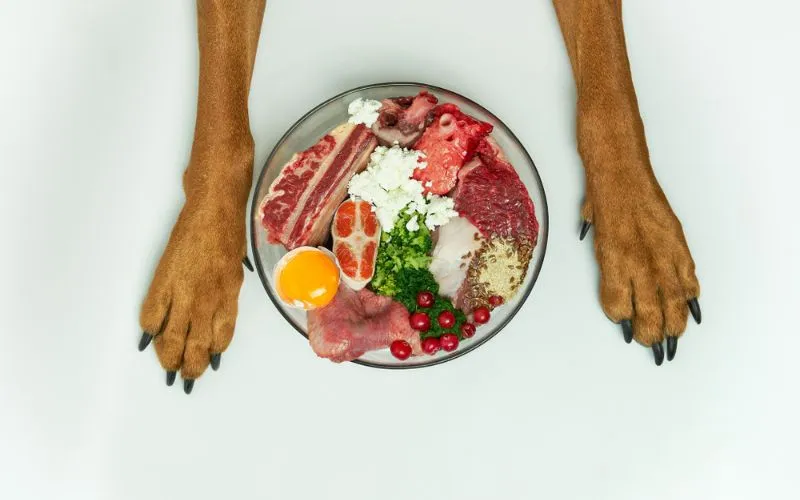
Feeding your dog a raw food diet can provide numerous benefits, such as improved digestion, healthier skin and coat, and increased energy levels. However, many pet owners have concerns about making the switch. This article addresses common problems with transitioning a dog to a raw food diet.
One of pet owners’ main concerns is the risk of bacterial contamination. Raw meat can contain harmful bacteria, such as salmonella or E. coli. However, dogs have a shorter digestive tract than humans, which allows them to handle these bacteria better. It’s important to take raw meat properly, ensuring it is stored and prepared in a clean environment to minimize the risk of contamination.
Another concern is the nutritional balance of a raw food diet. Some worry that their dog may not receive all the necessary nutrients. To address this concern, it’s essential to provide a variety of proteins, including muscle meat, organ meat, and bones. Additionally, you can supplement your dog’s diet with fruits, vegetables, and other appropriate supplements to ensure they receive a well-rounded diet.
Cost is another concern for pet owners considering a raw food diet. While it may seem more expensive upfront, feeding a raw food diet can have long-term cost benefits. A healthier diet can result in fewer vet visits and lower medical bills in the long run.
Lastly, some pet owners worry about the inconvenience of preparing raw meals for their dogs. However, with proper planning and organization, feeding a raw food diet can become a seamless part of your routine. You can prepare meals in batches and freeze them for easy access.
By addressing these common concerns, pet owners can make an informed decision about transitioning their dogs to a raw food diet. Remember to consult your veterinarian before making any dietary changes for your furry friend.
Introducing Raw Food Gradually
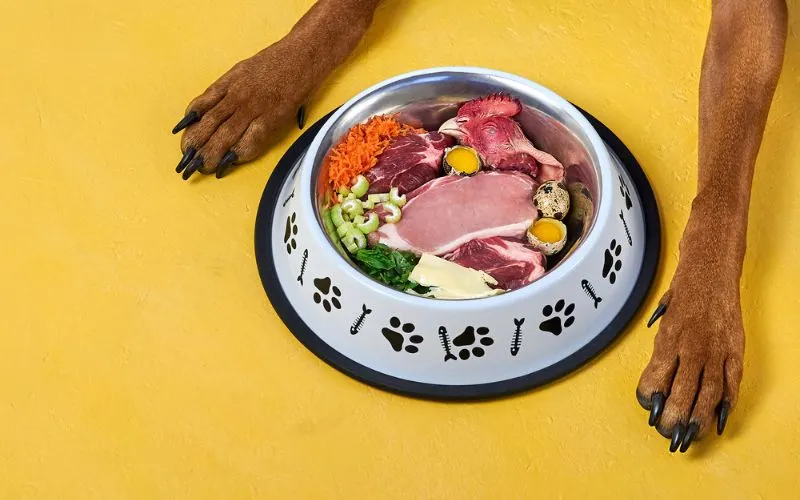
Transitioning your dog to a raw diet can benefit its health and well-being. However, it’s important to introduce this new diet gradually to ensure a smooth transition for your furry friend. Following these steps can help your dog adjust to their new raw food diet easily.
Firstly, it’s crucial to consult with your veterinarian before making any dietary changes for your dog. They can provide valuable guidance and ensure the raw food diet suits your dog’s needs. Once you have their approval, you can begin the transition process.
Start by incorporating small amounts of raw food into your dog’s meals. Begin with just a teaspoon or two and gradually increase over time. This will allow your dog’s digestive system to adapt to the new diet without issues.
Monitoring your dog’s reaction is important as you increase the amount of raw food. Keep an eye out for any signs of digestive upset or discomfort. If you notice any adverse reactions, slow the transition process and give your dog more time to adjust.
In addition to gradually increasing the amount of raw food, you should also consider introducing a variety of proteins. This will ensure your dog receives a well-balanced diet with all the necessary nutrients. Rotate between different types of meat, such as chicken, beef, and fish, to provide a diverse range of nutrients.
Remember to take it slow and be patient throughout the transition process. Each dog is unique, and some may take longer to adjust. By introducing raw food gradually and monitoring your dog’s reaction, you can ensure a successful transition to a raw food diet.
In conclusion, transitioning your dog to a raw food diet requires careful planning and patience. Following these steps and consulting with your veterinarian can help your dog switch to a healthier and more natural diet.
Supplements for a Balanced Raw Food Diet
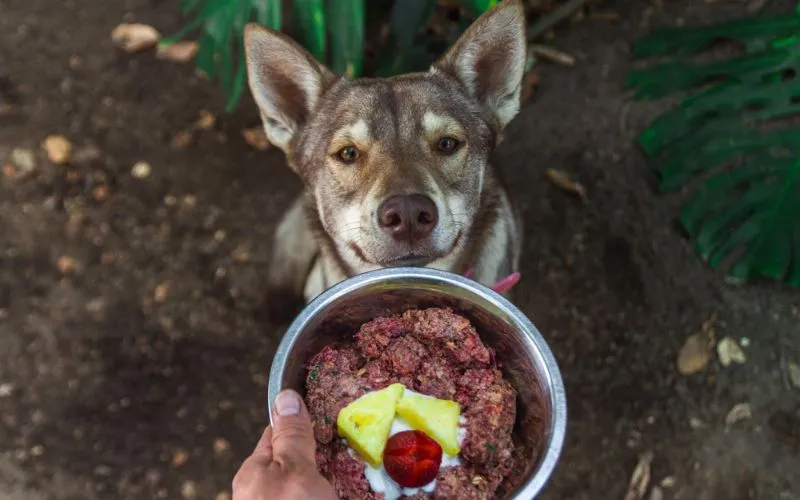
Transitioning your dog to a raw food diet can provide numerous health benefits. However, it is essential to ensure they receive all the necessary nutrients for a balanced diet. While raw food is nutrient-rich, adding supplements can help fill any nutritional gaps and promote optimal health for your furry friend.
One crucial supplement to consider is omega-3 fatty acids. These essential fatty acids are vital for your dog’s well-being, promoting healthy skin and coat, reducing inflammation, and supporting brain and eye development. Sources of omega-3s for dogs include fish oil, krill oil, and algae-based supplements.
Probiotics are another beneficial addition to a raw food diet. These beneficial bacteria help maintain a healthy gut flora, aiding digestion and boosting the immune system. Look for probiotic supplements specifically for dogs, as human probiotics may not suit their needs.
Add glucosamine and chondroitin supplements to your dog’s diet to support joint health and mobility. These natural compounds help maintain healthy cartilage and reduce the risk of joint degeneration. They are particularly beneficial for older dogs or those with common issues.
Vitamin and mineral supplements can also be beneficial to ensure your dog receives all the necessary nutrients. However, it’s important to consult a veterinarian to determine your dog’s needs, as excessive amounts of certain vitamins and minerals can be harmful.
In conclusion, while a raw food diet can provide many health benefits for your dog, it’s important to supplement their diet to ensure they receive all the necessary nutrients. Omega-3 fatty acids, probiotics, glucosamine, chondroitin, and appropriate vitamin and mineral supplements can all contribute to a balanced raw food diet. Please consult a veterinarian to determine your dog’s needs and provide the best care for its overall health and well-being.
Monitoring Your Dog’s Health on a Raw Food Diet
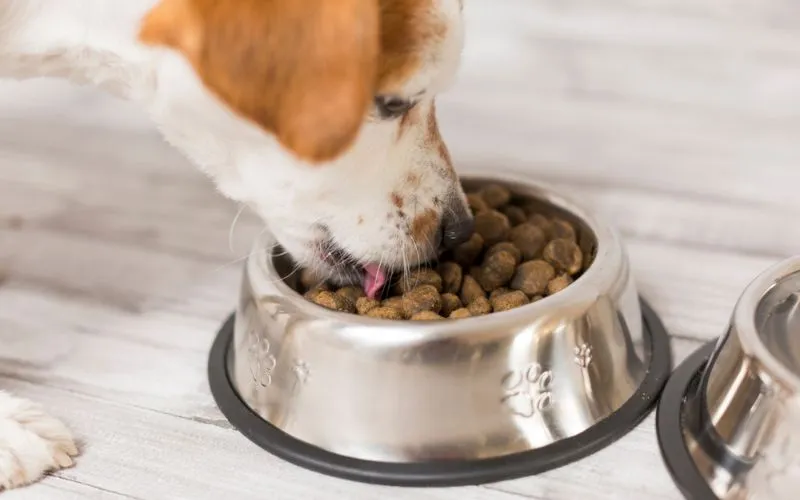
Transitioning your dog to a raw diet can benefit its health and well-being. However, it is important to closely monitor their health during this transition period to ensure they get the right nutrients and identify potential issues. Here are some key factors to consider when monitoring your dog’s health on a raw food diet.
One of the most important things to watch is your dog’s weight. While some dogs may naturally lose weight when switching to a raw diet, others may gain weight if overeating. Monitoring their weight and adjusting their portions is crucial to maintaining a healthy body.
Another aspect to consider is their coat and skin health. A raw food diet can often improve a dog’s coat, making it shinier and healthier. However, if you notice any changes in their coat, such as excessive shedding or dryness, it’s important to address these issues promptly. It could be a sign that their diet lacks certain nutrients, and adjustments may need to be made.
Dental health is another area to monitor. Chewing on raw bones and meat can help keep your dog’s teeth clean and healthy. However, it’s important to regularly check their teeth for any signs of tartar buildup or dental issues. If you notice any problems, it’s best to consult with your veterinarian for guidance.
Digestive health is also crucial when monitoring your dog’s well-being on a raw food diet. While it is normal for their stool to change slightly during the transition period, persistent diarrhea or constipation could indicate an underlying issue. Monitor their bowel movements and consult your vet if you have any concerns.
Conclusion
Transitioning your dog to a raw diet can benefit its health and well-being. Throughout this post, we have covered various topics related to this keyword, including the benefits of feeding raw food, the differences between raw food and commercial dog food, how to calculate raw food portions, common concerns about a raw food diet, introducing raw food gradually, supplements for a balanced raw food diet, and monitoring your dog’s health on a raw food diet.
By transitioning your dog to raw food, you provide them with a diet that resembles what their ancestors would have consumed in the wild. This can lead to numerous benefits, such as improved digestion, healthier skin and coat, increased energy levels, and better dental health. Additionally, raw food diets are often free from additives and preservatives commonly found in commercial dog food, making it a more natural and nutritious option.
Calculate raw food portions based on your dog’s weight and activity level, ensuring they receive the right nutrients. It is important to gradually introduce raw food, allowing their system to adjust and avoiding digestive issues. Supplements such as omega-3 fatty acids and probiotics can help ensure a balanced diet.
Throughout this transition, monitoring your dog’s health closely is essential. Look out for changes in their weight, energy levels, or stool consistency, and consult a veterinarian if necessary. Remember, every dog is unique, and what works for one may not work for another.
As the popularity of raw food diets continues to grow, we will likely see new developments and trends in this area. Stay informed about any updates or advancements impacting your dog’s diet.
Thank you for taking the time to read this post. We hope that the information provided has been helpful in your journey to transition your dog to a raw food diet. We encourage you to leave any comments or feedback, as we value your input. Here’s to the health and happiness of your furry friend.
