

Lab Husky Mix: A Guide to the Fascinating Huskador
The Lab Husky mix, also known as the Huskador, is a captivating hybrid breed that combines the traits of two beloved canine breeds: the Labrador Retriever and the Siberian Husky. These two breeds combine a unique blend of characteristics, resulting in a charming and versatile dog. This comprehensive article will delve into the Lab Husky mix, examining their physical attributes, temperament, care requirements, and more. Whether you’re a prospective owner or a dog enthusiast, this guide will provide valuable insights into this wonderful hybrid breed.
Understanding the Lab Husky Mix
The Lab Husky mix, often called the Huskador, is a captivating and endearing hybrid breed that combines the distinctive characteristics of two beloved canine breeds: the Labrador Retriever and the Siberian Husky. This unique crossbreed has gained popularity among dog enthusiasts and families due to its appealing blend of traits.
Origins of the Lab Husky Mix

The Lab Husky mix is a relatively recent addition to the world of designer dogs. It is believed to have originated in the United States, where breeders began crossing Labrador Retrievers and Siberian Huskies to create a unique and well-rounded companion. While the breed’s inception is uncertain, it likely occurred within the past few decades as interest in hybrid breeds grew.
Physical Characteristics
The Lab Husky mix’s physical appearance is a fascinating amalgamation of their Labrador Retriever and Siberian Husky parentage. This section will delve into the distinctive physical traits that define these captivating hybrid dogs.
Coat and Color
The Lab Husky mix can inherit many coat colours and patterns from its parent breeds. Common coat colours include black, chocolate, yellow, grey, and various shades of sable. Their coat is typically dense and may feature distinctive Husky markings, such as a mask-like face and striking blue eyes. The length of their coat can vary, but it is usually medium to long, which requires regular grooming.
Size and Build
These hybrid dogs are medium to large, sturdy and muscular. On average, Lab Husky mixes stand between 20 and 24 inches tall at the shoulder and weigh between 40 and 60 pounds. Their physical appearance is a harmonious blend of the Labrador’s stocky frame and the Husky’s graceful, athletic build.
Lifespan
The Lab Husky mix generally has a life expectancy of 10 to 13 years, provided they receive proper care and a healthy lifestyle. Consistent exercise, a well-balanced diet, and regular veterinary check-ups are pivotal in extending their lifespan and ensuring their overall well-being.
Temperament and Behavior
Understanding the temperament and behaviour of the Lab Husky mix is crucial for prospective owners and anyone interested in this hybrid breed. These dogs bring together traits from the Labrador Retriever and Siberian Husky, resulting in a unique blend of characteristics that make them stand out.
Intelligence
One of the Lab Husky mix’s standout traits is their high intelligence level. Both parent breeds, the Labrador Retriever and Siberian Husky, are known for their cleverness and problem-solving abilities. This intelligence is passed down to the Huskador, making them quick learners. They thrive on mental stimulation and are eager to engage in intellectually challenging activities. This intelligence makes them well-suited for obedience training, agility, and various canine sports.
Affectionate and Loyal
Lab Husky mixes are renowned for their affectionate nature and loyalty to their human families. They form strong bonds with their owners and are often eager to please. This devotion makes them excellent family pets, as they thrive on human interaction and are known to be great with children. Their friendly and pleasant demeanour also extends to other pets when properly socialized from a young age.
Energetic and Playful
With the Labrador Retriever and Siberian Husky genes, it’s no surprise that Lab Husky mixes are energetic and playful dogs. They have boundless energy and require regular exercise to stay happy and well-behaved. Daily walks, playtime in the yard, and interactive toys are essential to keep them physically and mentally stimulated. Their playful nature makes them great companions for active individuals and families who enjoy outdoor activities.
Care and Maintenance
Proper care and maintenance are essential to ensure the health and well-being of your Lab Husky mix, also known as the Huskador. These dogs have specific needs and requirements that should be met to keep them happy and thriving.
Exercise Needs
Lab Husky mixes are active and energetic dogs that require significant exercise to stay happy and healthy. On average, they need at least 60 to 90 minutes of physical activity each day. This can include brisk walks, runs, hikes, or engaging playtime in a secure, fenced yard. Failing to provide sufficient exercise can lead to boredom and potentially destructive behaviour.
Grooming
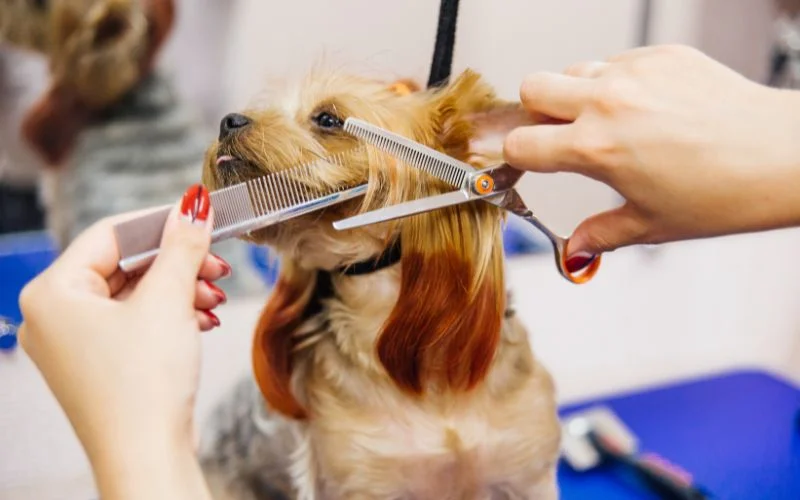
The Lab Husky mix has a double coat, which means they shed quite a bit. Regular grooming is essential to keep their coat healthy and minimize shedding. Brush your Huskador a few times weekly to remove loose fur and prevent matting. During seasonal shedding periods, you may need to increase the frequency of grooming to manage the extra hair. Additionally, they may benefit from occasional baths to keep their coat clean and odour-free.
Diet and Nutrition
Maintaining a well-balanced diet is crucial for your Lab Husky mix’s overall health. Consult with your veterinarian to determine the best type and amount of food for your dog based on age, weight, and activity level. High-quality dog food that meets their nutritional needs should be the foundation of their diet. Be cautious about overfeeding; these dogs can be prone to weight gain if not monitored closely.
Conclusion
The Lab Husky mix, or Huskador, is a delightful and dynamic breed that brings together the best traits of the Labrador Retriever and Siberian Husky. Their intelligence, affectionate nature, and playful demeanour make fantastic companions for active families and individuals alike. While they require commitment in exercise and grooming, the rewards of having a Lab Husky mix as a part of your family are immeasurable. If you’re considering adding one of these remarkable hybrids to your home, be prepared for a loyal and loving companion who will undoubtedly enrich your life for years.
FAQs
1. Are Lab Husky mixes good with children and other pets?
Yes, Lab Husky mixes are generally great with children and other pets. They have a friendly and sociable nature, making them excellent family dogs. However, early socialization and proper training are essential to ensure they get along well with other animals and children.
2. How do I manage the shedding of a Lab Husky mix?
Lab Husky mixes have a double coat that sheds year-round, with heavier shedding during seasonal changes. Regular brushing, along with the use of de-shedding tools, can help manage shedding. Providing a nutritious diet to support healthy skin and coat is also important.
3. Do Lab Husky mixes require a lot of exercise?
Yes, Lab Husky mixes are active dogs that need substantial exercise. They thrive on physical activity and mental stimulation. Daily walks, playtime, and engaging activities are essential to keep them happy and prevent behavioural issues.
4. Are Lab Husky mixes suitable for first-time dog owners?
Lab Husky mixes can be suitable for first-time dog owners, but they may require experienced guidance in training and handling due to their intelligence and energy. Consistent training and socialization from a young age can make them more manageable for novice owners.
5. Do Lab Husky mixes have any specific health concerns?
Lab Husky mixes may inherit health issues from their parent breeds, such as hip dysplasia, eye conditions, and allergies. Regular veterinary check-ups and a healthy lifestyle can help mitigate these potential health concerns.
6. What is the average lifespan of a Lab Husky mix?
Lab Husky mixes typically have an average lifespan of 10 to 13 years. Providing them with proper care, a balanced diet, and regular exercise can lead to healthier lives.
