

How to Care for a 4-Month-Old German Shepherd Puppy
Unleashing the potential of a German Shepherd puppy is more than just about love and affection; it’s a mindful journey filled with specific training and care at each growth stage. But what exactly does this entail when they reach four months old? Congratulations! If you’re reading this, it’s likely because you’ve welcomed a lively 4-month-old German Shepherd into your home. You must be bursting with questions: What should I feed them? Are they receiving enough exercise? How do I shape that cute but naughty behavior? This guide will unravel the answers to these questions and offer tips from experts on nurturing your little fur friend into becoming an obedient and loving family companion. Forgfur friend, I’ve heard about how challenging they can be — raising your German Shepherd could not be simpler with us. Dive in, discover, and let’s decode the world of 4-month-old German Shepherds together!
Caring for a 4-month-old German Shepherd puppy involves a few key aspects. Ensure they receive regular veterinary check-ups and vaccinations. Maintain their coat by brushing it daily to minimize shedding. Please provide them with appropriate mental and physical stimulation through playtime, walks, and obedience training. Establish a consistent feeding schedule with high-quality puppy-specific kibble. Limit treats to a few small ones per day.
Training Your 4-Month-Old German Shepherd Puppy
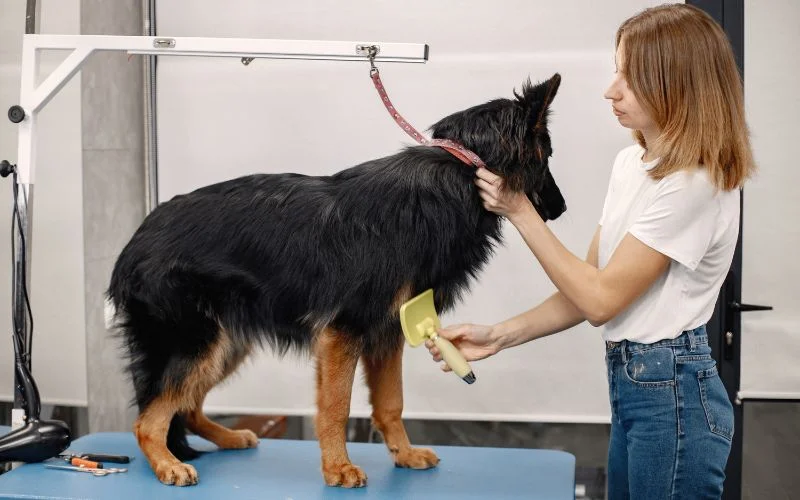
Training your 4-month-old German Shepherd puppy is essential to their development and helps set the foundation for a well-behaved and obedient adult dog. German Shepherds are highly trainable at this age due to their intelligence and loyalty. They have boundless energy and a keen desire to please their owners, making training sessions enjoyable and effective.
Now that we’ve covered the basics of training a 4-month-old German Shepherd puppy let’s explore the importance of socialization for their well-rounded development.
- Training a 4-month-old German Shepherd puppy is crucial for their development and lays the groundwork for a well-behaved adult dog. German Shepherds are highly trainable at this age, thanks to their intelligence and desire to please. Basic obedience commands like sit, down, stay, and come should be taught using positive reinforcement techniques such as treats or praise. Consistency and regular training sessions are vital, but keeping them short and engaging is important to accommodate a puppy’s short attention span.
Socialization Techniques and Benefits
Socializing your 4-month-old German Shepherd puppy is crucial for their well-being and behavior in different environments. Socialization involves exposing your pup to various people, animals, sounds, sights, and experiences in a positive manner during their critical learning period.
Introducing your puppy to different situations gradually helps build their confidence and prevents fearful or aggressive behavior later in life. Take your puppy for walks in other locations, such as parks or busy streets, to become comfortable in various environments. In a controlled setting, allow them to interact with other dogs and expose them to unfamiliar sounds, such as traffic noise or fireworks.
Proper socialization helps German Shepherds develop good manners and appropriate behavior when encountering new people or animals. It also enhances their ability to adapt to changing circumstances with ease. Well-socialized German Shepherds are more confident, friendly, and less prone to anxiety or aggression.
When socializing your puppy, always prioritize their safety and well-being. Monitor interactions with other dogs and people carefully, ensuring positive experiences for your pup. If your puppy shows signs of fear or discomfort, take a step back and gradually reintroduce them to the situation at their own pace.
- Data from the American Kennel Club suggests that a male German Shepherd puppy typically weighs between 35 and 40 pounds at four months, while females weigh around 31 and 35 pounds.
- A study conducted by Purdue University College of Veterinary Medicine indicated that German Shepherds are among the top three breeds with an aptitude for learning commands, highlighting their trainability from an early age.
- According to veterinary recommendations, an average of 18 hours of sleep per day is necessary for German Shepherd puppies at this age to aid their development and growth.
Basic Obedience Commands and Effective Discipline
Training a 4-month-old German Shepherd puppy in basic obedience commands is crucial for their development and well-being. These commands lay the foundation for good behavior and create a strong bond between the establishment. Start with simple commands like “sit,” “stay,” and “down.” Use positive reinforcement techniques such as treats, praise, and playtime to encourage desired behaviors. Consistency and patience are key in teaching these commands effectively.
It’s important to establish clear boundaries and effective discipline. You are showing your German Shepherd puppy. Positive reinforcement should always be the primary method of discipline, using rewards to reinforce good behavior while ignoring or redirecting undesirable behaviors. Avoid punishment-based training methods such as physical corrections or shouting, as they can harm the trust between you and your puppy.
For instance, if your puppy jumps on people when greeting them, teach them the “off” command by gently pushing them down while saying “off” firmly. When they respond correctly, reward them with praise and treats. Over time, they will begin to understand what behavior is expected of them.
Remember that consistency is key in obedience training – practice daily, keep sessions short, and make training a fun experience for both you and your pup. Seek guidance from professional dog trainers if you encounter challenges or need additional support.
Essential Healthcare and Feeding Tips for Your Puppy
Proper healthcare and nutrition are essential for the growth and well-being of your 4-month-old German Shepherd puppy. Here are some tips to ensure you’re providing the best care:
Healthcare: Regular vet visits are crucial during this stage of your puppy’s life. The vet will monitor their growth, administer necessary vaccinations, and provide advice on parasite control. Maintain a vaccination schedule to protect against diseases prevalent in your area—additionally, schedule appointments for regular measurements to track their progress.
Think of these measurements as a growth chart for your puppy, just like our ones for human babies. It helps you keep track of their development and ensures they are growing at a healthy rate.
Feeding
Proper nutrition is vital for your puppy’s development. Feed them a high-quality puppy-specific kibble that provides the necessary nutrients for healthy growth. Start with three meals a day and gradually transition to two by the end of the fourth month. Follow the feeding guidelines on the packaging, adjusting portion sizes based on your puppy’s needs and activity level.
Remember that German Shepherds can have sensitive stomachs, so it’s recommended to introduce new foods gradually and monitor their digestion. Remember to provide fresh water at all times.
Care
Maintain your puppy’s hygiene by brushing their coat daily to prevent excessive shedding and maintain their natural oils. Baths should be done sparingly to avoid stripping their skin of essential oils. Regular flea and worm treatments are also important for their health and well-being.
When it comes to grooming, make it a positive experience by associating it with rewards and praise. This will help your puppy feel comfortable and enjoy the process.
Remember, each German Shepherd is unique, so consult your veterinarian for personalized healthcare advice based on your puppy’s needs.
Regular Vet Visits and Vaccination Schedule
When caring for a 4-month-old German Shepherd puppy, regular vet visits are crucial for their overall health and well-being. Following a vaccination schedule protects your puppy against common diseases and illnesses. It is recommended to consult with your veterinarian to develop a customized vaccination plan based on your puppy’s specific needs. These vaccinations typically include core vaccinations like distemper, parvovirus, and rabies, which help protect your puppy from potentially life-threatening diseases. Regular vet visits also allow monitoring your puppy’s growth and development, addressing any health concerns early on, and receiving guidance on proper care.
Nutritional Needs and Recommended Diets
Providing your 4-month-old German Shepherd puppy with the right nutrition is essential for their growth and development. During this stage, they require a balanced diet that supports their energy levels and promotes strong bones and muscles. Feeding your puppy high-quality, commercially prepared puppy-specific kibble that meets their nutritional requirements is recommended. These specialized formulas often contain higher protein levels to support healthy muscle development.
Additionally, gradually transitioning from three meals daily to two by the end of the fourth month is recommended. Be mindful of portion sizes, as overfeeding can lead to obesity and related health issues. Treats should be in moderation, preferably small-sized treats specifically formulated for puppies. Remember to provide fresh water at all times.
For example, you could consider feeding your 4-month-old German Shepherd Royal Canin or Purina Pro Plan Sport kibble, both of which offer tailored formulas for puppies of this age.
Considering individual dietary preferences or potential health conditions, it is always important to consult with your veterinarian to determine the best diet for your specific German Shepherd puppy.
Now that we have covered regular vet visits, vaccination schedules, and the nutritional needs and recommended diets for your 4-month-old German Shepherd puppy, let’s explore the activities that can provide them with the necessary mental and physical stimulation.
Mental and Physical Stimulation Activities
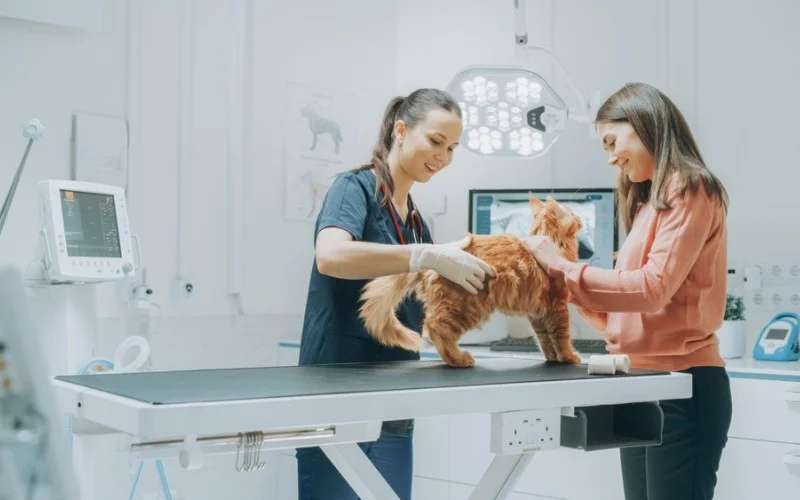
Providing mental and physical stimulation activities is crucial to ensure the holistic development of your 4-month-old German Shepherd puppy. These activities not only keep your puppy engaged and entertained but also help to channel their energy positively. Engaging in such activities can also strengthen you and your puppy.
One effective mental stimulation activity for your German Shepherd puppy is puzzle toys. These toys challenge their problem-solving skills and keep their minds active. For instance, you can provide interactive treat-dispensing toys that require the puppy to figure out how to access the treats inside. This encourages mental engagement and provides a reward at the same time.
Regular physical exercise is equally important for a 4-month-old German Shepherd puppy. Engage in activities that allow them to burn off excess energy while promoting muscle growth and coordination. Active play sessions, such as fetch or tug-of-war, can be incorporated into their daily routine. Taking them for walks or jogs provides physical exercise and exposes them to different environments, sights, and smells, contributing to their socialization.
Recommended Toys for Teething and Play
At four months old, German Shepherd puppies go through teething as their adult teeth start coming in. This period can be uncomfortable for them, but providing appropriate toys can help alleviate discomfort and prevent destructive chewing behavior.
One recommended toy is a durable chew toy specifically designed for teething puppies. Look for toys made of sturdy rubber or nylon material that can withstand strong chewing from your growing German Shepherd. These toys satisfy their urge to chew and promote healthy dental habits by massaging their gums.
Soft plush toys are another option to consider for playtime with your puppy. They provide texture variety while allowing your puppy to engage in playful behaviors like fetching, shaking, or cuddling. However, always supervise playtime with plush toys to prevent them from being torn apart and ingested.
For example, the Kong Classic, a popular and durable toy, can be stuffed with treats or frozen goodies to keep your puppy engaged and entertained for hours.
Understanding and Monitoring Your Puppy’s Development
As a responsible owner of a 4-month-old German Shepherd puppy, thoroughly understanding your furry friend’s development and growth is important. Doing so can ensure that your puppy is physically and behaviorally on the right track, allowing you to address any potential concerns or needs promptly.
One crucial aspect of understanding your puppy’s development is being aware of their size and appearance. At this age, a 4-month-old German Shepherd can be around one foot tall and weigh between 31-40 pounds, depending on gender. Their coat becomes thicker and glossier, shedding more frequently.
Teething is another significant milestone during this stage. German Shepherds begin teething at four months old, which can lead to discomfort and excessive chewing. It’s important to provide them with appropriate chew toys to redirect their teething instincts and protect their belongings. Additionally, you may notice that their ears start to perk up around this time as the cartilage strengthens over the next month or two.
Sleep is crucial for young German Shepherds; they need ample rest to grow properly. At five months old, Shepherds sleep for around 18 hours a day. Don’t be surprised if they seem to bursts of energy when awake; this is completely normal for their age.
Monitoring your puppy’s health is also essential during this stage. Regular visits to the veterinarian for measurements and vaccines are important for ensuring their overall well-being. Additionally, maintaining their hygiene is crucial. Bathing should be done sparingly to preserve the natural oils in their skin, and daily brushing helps prevent excessive shedding.
Providing proper nutrition is vital for your puppy’s development. They should consume three meals daily of puppy-specific kibble at four months old. Gradually transition from three to two meals by the end of the fourth month. Treats should be limited to 3-5 small treats per day.
