

Grass Fed Pasture Finished Beef Liver: A Nutrient Powerhouse
“When it comes to nutrient-dense foods, few can rival the impressive profile of grass-fed pasture finished beef liver. The title alone may not sound particularly appetizing, but don’t let that deter you. This humble organ meat is packed with a wealth of vitamins, minerals, and other essential nutrients that can support optimal health and well-being.
First and foremost, let’s address the source of this nutritional powerhouse – grass-fed pasture finished beef. Unlike conventionally raised cattle, which are often confined to feedlots and fed a grain-based diet, grass-fed cattle roam freely on pasture. This natural grazing allows them to consume a varied diet of grasses and other vegetation, which in turn enhances the nutrient content of their meat, including the liver.
Speaking of the liver, it is often referred to as the body’s detoxification organ. It plays a vital role in filtering and eliminating toxins from the bloodstream. But that’s not all – grass-fed pasture finished beef liver is also an excellent source of several key nutrients. It is rich in iron, which is essential for oxygen transport and energy production. Additionally, it contains high levels of vitamins A, B12, and folate, as well as various minerals like zinc and copper.
Incorporating grass-fed pasture finished beef liver into your diet can provide a range of health benefits. It supports immune function, aids in the production of red blood cells, and promotes healthy brain function. Moreover, the liver’s nutrient density makes it an ideal food for individuals looking to boost their overall nutrient intake.
As we delve deeper into the world of grass-fed pasture finished beef liver, we will explore its culinary potential, debunk common myths, and uncover the science behind its nutritional composition. So, whether you’re a seasoned liver enthusiast or simply curious about expanding your culinary horizons, join us on this journey as we uncover the many wonders of grass-fed pasture finished beef liver.
What Are the Benefits of Grass Fed Beef Liver?
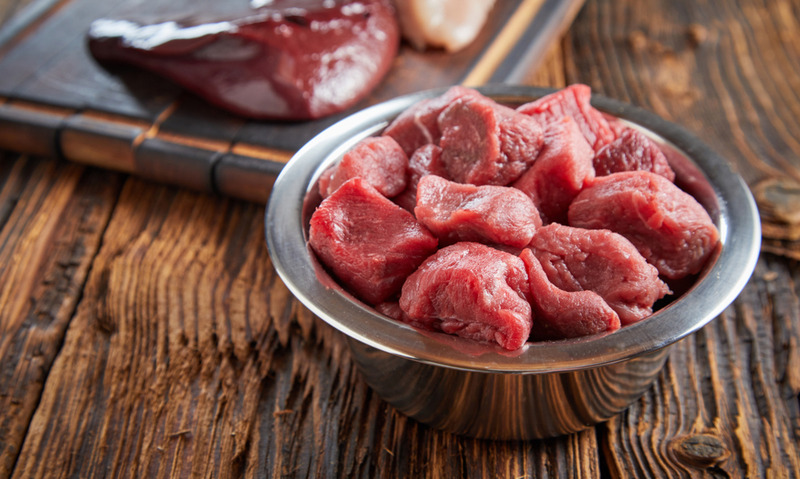
Grass fed beef liver is a nutrient-dense superfood that offers numerous health benefits. Packed with essential vitamins, minerals, and nutrients, it is considered one of the most nutritious organ meats available. This article will explore the benefits of consuming grass fed beef liver and why it is a valuable addition to a healthy diet.
One of the key benefits of grass fed beef liver is its high nutrient content. It is an excellent source of vitamin A, which is vital for maintaining healthy vision, supporting the immune system, and promoting proper cell growth and development. Grass fed beef liver also contains high levels of vitamin B12, which is essential for energy production, brain function, and the formation of red blood cells.
In addition to vitamins, grass fed beef liver is rich in minerals such as iron, zinc, and copper. Iron is crucial for the production of hemoglobin and the transportation of oxygen throughout the body. Zinc plays a vital role in immune function, wound healing, and DNA synthesis. Copper is essential for the formation of collagen, the absorption of iron, and the maintenance of a healthy immune system.
Furthermore, grass fed beef liver is a great source of high-quality protein, which is essential for muscle growth, repair, and maintenance. It also contains important amino acids that support various bodily functions and contribute to overall health.
Consuming grass fed beef liver can also support liver health. Despite its name, beef liver is not harmful to the liver but can actually help improve its function. It contains nutrients that support liver detoxification and promote optimal liver health.
In conclusion, grass fed beef liver is a nutritional powerhouse that offers a wide range of health benefits. Its high nutrient content, including vitamins, minerals, and protein, make it an excellent addition to a balanced diet. Consider incorporating grass fed beef liver into your meals to reap its many benefits and support your overall health and well-being.
How to Cook Grass Fed Beef Liver?
Grass-fed pasture finished beef liver is a highly nutritious and flavorful organ meat that can be a great addition to your diet. Packed with vitamins, minerals, and protein, it offers a range of health benefits. If you’re wondering how to cook grass-fed beef liver to make it delicious and tender, here are a few tips to get you started.
One popular way to cook grass-fed beef liver is to sauté it. Start by slicing the liver into thin pieces and season them with salt, pepper, and your favorite herbs and spices. Heat a skillet over medium-high heat and add a small amount of cooking oil. Once the oil is hot, add the liver slices and cook them for about 2-3 minutes on each side, or until they are browned and cooked through. Be careful not to overcook the liver, as it can become tough and dry.
Another tasty option is to grill grass-fed beef liver. Marinate the liver slices in a mixture of olive oil, garlic, lemon juice, and your choice of herbs and spices. Preheat your grill to medium-high heat and grill the liver for about 3-4 minutes on each side, or until it reaches your desired level of doneness. The grill adds a smoky flavor to the liver, making it even more delicious.
If you prefer a milder flavor, you can soak the grass-fed beef liver in milk or buttermilk for a few hours before cooking. This helps to remove any strong flavors and makes the liver more tender. After soaking, you can proceed to cook the liver using your preferred method.
Incorporating grass-fed beef liver into your diet can be a nutritious and delicious choice. Experiment with different cooking methods and flavors to find the one that suits your taste buds. Enjoy the health benefits and unique taste of grass-fed pasture finished beef liver in your meals.
Is Grass Fed Beef Liver Nutritious?

When it comes to nutrition, grass fed beef liver is a powerhouse. Packed with essential vitamins, minerals, and nutrients, it is a highly nutritious food that can provide numerous health benefits.
One of the key benefits of grass fed beef liver is its high vitamin content. It is an excellent source of vitamin A, which is essential for maintaining healthy vision, immune function, and skin health. Grass fed beef liver also contains a significant amount of B vitamins, including B12, which is crucial for energy production and brain function.
In addition to vitamins, grass fed beef liver is rich in minerals such as iron, zinc, and copper. Iron is important for the production of red blood cells, while zinc and copper play a role in immune function and collagen formation. These minerals are essential for overall health and well-being.
Another important nutrient found in grass fed beef liver is choline. Choline is essential for brain development and function, and it also plays a role in liver health. Grass fed beef liver is one of the best dietary sources of choline, making it an important food for brain health.
Furthermore, grass fed beef liver is a great source of high-quality protein. Protein is essential for building and repairing tissues, and it also helps to support muscle growth and maintenance. Grass fed beef liver provides a complete amino acid profile, making it an excellent choice for those looking to increase their protein intake.
In conclusion, grass fed beef liver is an incredibly nutritious food. With its abundance of vitamins, minerals, and nutrients, it offers numerous health benefits. Whether you’re looking to support your immune system, improve brain function, or increase your protein intake, grass fed beef liver is a great choice. So, next time you’re at the grocery store, be sure to pick up some grass fed beef liver and enjoy its many nutritional benefits.
Where Can I Buy Grass Fed Beef Liver?

If you’re looking to buy grass-fed beef liver, you’re in luck! There are several options available to you. Grass-fed beef liver is a nutrient-dense food that is rich in vitamins and minerals, making it a popular choice for those looking to improve their overall health. In this article, we will explore where you can purchase grass-fed beef liver.
One option is to visit your local farmers market. Many farmers who raise grass-fed cattle often sell their products at these markets. This allows you to support local farmers while also ensuring that you are getting high-quality, grass-fed beef liver. You can ask the farmers about their farming practices and ensure that their cattle are truly grass-fed.
Another option is to look for grass-fed beef liver at specialty grocery stores or natural food stores. These types of stores often carry a wide range of organic and grass-fed products. They may have grass-fed beef liver available in the meat section, or you can ask the store manager if they can order it for you.
If you prefer the convenience of online shopping, there are also several websites that specialize in selling grass-fed beef liver. These websites often source their products from small, sustainable farms and deliver them directly to your door. This can be a great option if you don’t have access to local farmers markets or specialty stores.
In conclusion, there are several options available for purchasing grass-fed beef liver. Whether you choose to visit your local farmers market, shop at a specialty store, or order online, you can enjoy the benefits of this nutrient-dense food. So go ahead and start incorporating grass-fed beef liver into your diet for a healthier you!
Can Grass Fed Beef Liver Help with Anemia?
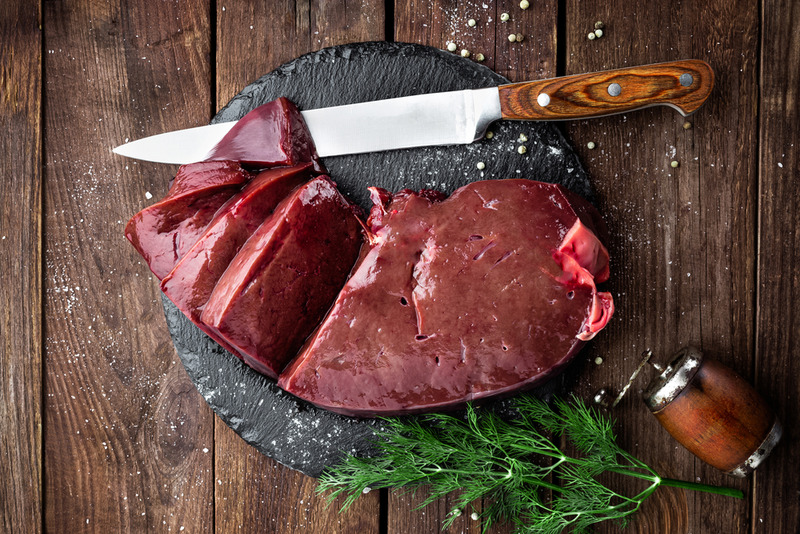
Anemia is a common condition characterized by a deficiency of red blood cells or hemoglobin in the blood. It can lead to symptoms such as fatigue, weakness, and shortness of breath. While there are various causes of anemia, one potential solution that has gained attention is grass fed beef liver.
Grass fed beef liver is known for being rich in essential nutrients, including iron, vitamin B12, and folate. These nutrients play a crucial role in the production of red blood cells and the prevention of anemia. Iron is necessary for the synthesis of hemoglobin, the protein responsible for carrying oxygen throughout the body. Vitamin B12 and folate are essential for the production of red blood cells.
Compared to conventionally raised beef liver, grass-fed beef liver is often considered a superior choice. Grass-fed cattle are raised on a natural diet of grass, which results in a higher nutrient content in their organs, including the liver. Additionally, grass-fed beef liver is free from antibiotics and hormones, making it a healthier option overall.
Incorporating grass-fed beef liver into your diet can be beneficial for individuals with anemia. It provides a natural source of iron, vitamin B12, and folate, which can help boost red blood cell production and alleviate symptoms. However, it is important to note that grass-fed beef liver should be consumed in moderation, as it is also high in cholesterol.
In conclusion, grass-fed beef liver has the potential to help with anemia due to its rich nutrient profile. Incorporating it into a balanced diet can provide essential nutrients needed for red blood cell production. However, it is always recommended to consult with a healthcare professional before making any significant changes to your diet.
How to Store Grass-Fed Beef Liver?
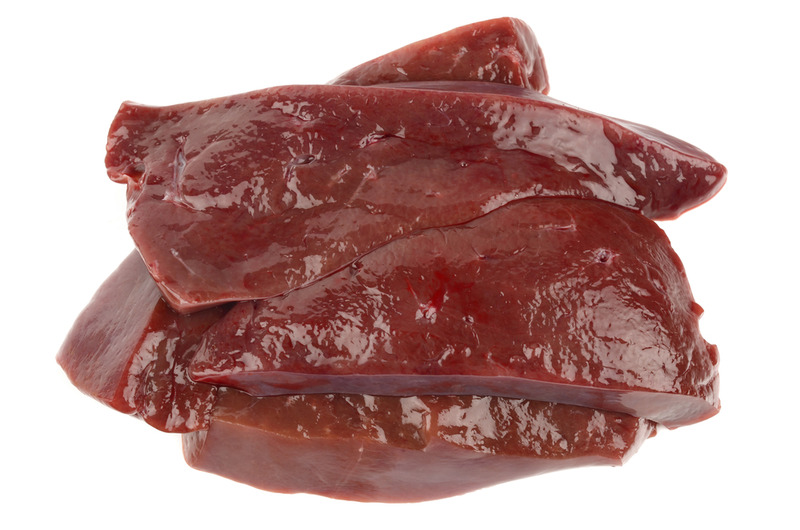
When it comes to grass-fed pasture-finished beef liver, proper storage is essential to maintain its quality and freshness. Whether you’ve just purchased it from a local farm or butcher, or you’ve cooked a large batch and want to store the leftovers, here are some tips on how to store grass-fed beef liver.
Firstly, it’s important to note that grass-fed beef liver tends to be more delicate than conventional beef liver. Therefore, it requires extra care during storage to prevent spoilage. To start, make sure you store it in the refrigerator at a temperature below 40°F (4°C). This will help slow down the growth of bacteria and keep the liver fresh for a longer period.
To store grass-fed beef liver, wrap it tightly in plastic wrap or place it in an airtight container. This will help prevent any air exposure, which can lead to oxidation and spoilage. If you’re storing cooked liver, make sure it has cooled down completely before wrapping or placing it in a container.
Another important tip is to store grass fed beef liver away from other strong-smelling foods. Liver has a distinct odor, and it can easily absorb odors from other foods in the fridge. To avoid this, store it in a separate section or use odor-proof containers.
If you have a large quantity of grass fed beef liver that you won’t be able to consume within a few days, consider freezing it. Wrap it tightly in plastic wrap or place it in a freezer-safe container, and label it with the date to keep track of its freshness. Frozen grass fed beef liver can last for several months without significant loss of quality.
By following these storage tips, you can ensure that your grass fed beef liver remains fresh and delicious for longer. So, next time you buy or cook grass fed beef liver, remember these guidelines for optimal storage.
Is Grass Fed Beef Liver Safe to Eat Raw?

When it comes to the topic of grass fed pasture finished beef liver, one question that often arises is whether it is safe to eat raw. Raw food diets have gained popularity in recent years, with proponents claiming numerous health benefits. However, when it comes to consuming raw beef liver, there are certain factors to consider.
First and foremost, it is important to ensure that the beef liver comes from a trusted source. Grass fed pasture finished beef liver is generally considered safer to eat raw compared to conventionally raised liver. This is because grass fed cattle are less likely to be exposed to harmful substances such as antibiotics and hormones.
Additionally, grass fed beef liver is known to be rich in essential nutrients such as vitamins A, B12, and iron. These nutrients are important for maintaining good health and can provide numerous benefits when consumed raw. However, it is crucial to handle and store the liver properly to minimize the risk of bacterial contamination.
It is recommended to freeze the liver for at least 14 days before consuming it raw. Freezing helps kill any potential parasites that may be present in the liver. Thawing the liver in the refrigerator is the safest method to ensure it remains at a consistent temperature during the process.
While raw grass fed beef liver can be safe to eat, it is important to note that there are still risks involved. Individuals with compromised immune systems or underlying health conditions should exercise caution and consult with a healthcare professional before consuming raw liver.
In conclusion, grass fed beef liver can be safe to eat raw, provided it comes from a trusted source and is handled and stored properly. However, it is always important to consider individual health circumstances and consult with a healthcare professional before making any dietary decisions.
What Are Some Recipes for Grass Fed Beef Liver?
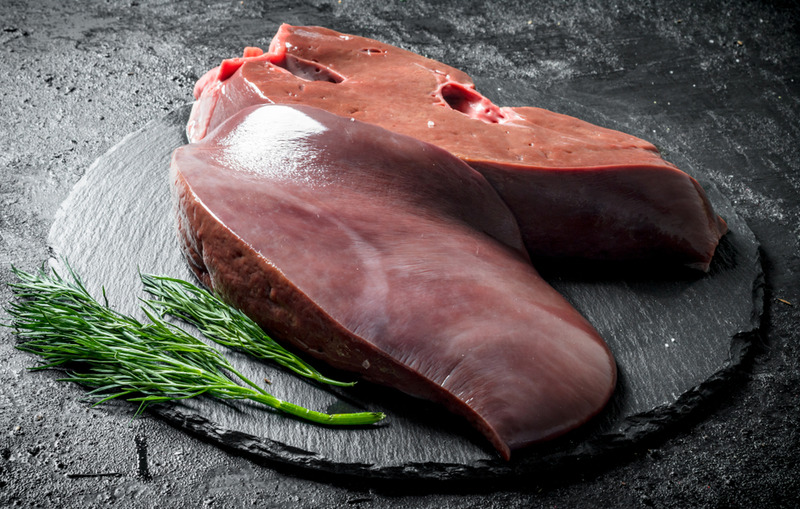
Grass fed beef liver is a nutrient-rich organ meat that is often overlooked in modern cooking. However, it is a powerhouse of vitamins and minerals, making it a valuable addition to any diet. If you’re looking for some delicious and nutritious recipes to incorporate grass fed beef liver into your meals, look no further! Here are a few ideas to get you started:
1. Beef Liver Pate: This classic recipe is a great way to introduce grass fed beef liver to your palate. Simply sauté the liver with onions, garlic, and herbs, then blend it into a smooth paste. Spread it on toast or crackers for a tasty appetizer.
2. Beef Liver Stir-Fry: For a quick and easy meal, slice the grass fed beef liver into thin strips and stir-fry it with your favorite vegetables. Add some soy sauce, ginger, and garlic for a flavorful twist.
3. Beef Liver and Onions: This traditional dish is a favorite among liver lovers. Sauté the liver with onions until they are caramelized and serve it with mashed potatoes or rice for a hearty meal.
4. Beef Liver Curry: If you’re a fan of spicy flavors, try making a beef liver curry. Cook the liver with a blend of aromatic spices, coconut milk, and tomatoes for a rich and flavorful dish.
5. Beef Liver Salad: For a lighter option, try adding sliced grass fed beef liver to a fresh salad. Pair it with crisp greens, cherry tomatoes, and a tangy vinaigrette for a refreshing and nutritious meal.
These are just a few ideas to get you started on your grass fed beef liver culinary journey. With its rich flavor and nutritional benefits, grass fed beef liver can be a versatile and delicious addition to your cooking repertoire. So go ahead, give it a try and explore the world of grass fed beef liver recipes!
In conclusion, grass fed pasture finished beef liver offers a multitude of benefits for those looking to enhance their overall health and well-being. Throughout this post, we have explored various aspects related to this nutrient-rich organ meat.
Firstly, we discussed the numerous benefits of consuming grass fed beef liver. From its high concentration of essential vitamins and minerals to its ability to support liver health and boost energy levels, this superfood is a valuable addition to any diet.
Next, we delved into the different cooking methods for grass fed beef liver. Whether you prefer to pan-fry it with onions or incorporate it into a delicious pate, there are plenty of ways to enjoy this nutritious ingredient while maintaining its flavor and tenderness.
Furthermore, we explored the nutritional profile of grass fed beef liver, highlighting its impressive amounts of iron, vitamin A, and B vitamins. These nutrients play a crucial role in supporting immune function, promoting healthy vision, and aiding in red blood cell production.
For those interested in purchasing grass fed beef liver, we provided insights into where to find it. From local farmers’ markets to online retailers, there are various options available to ensure you have access to this high-quality product.
Additionally, we addressed the potential benefits of grass fed beef liver for individuals with anemia. Its iron content makes it an excellent choice for those seeking natural ways to boost their iron levels and combat fatigue.
When it comes to storing grass fed beef liver, we recommended keeping it in the refrigerator and consuming it within a few days to maintain its freshness and quality.
While it is generally safe to eat grass fed beef liver raw, we advised caution and recommended cooking it thoroughly to eliminate any potential risks.
Lastly, we provided a few recipes for grass fed beef liver, including a delicious liver and onions dish and a flavorful liver pate. These recipes offer a tasty way to incorporate this nutrient-dense food into your diet.
In conclusion, grass fed pasture finished beef liver is a valuable addition to any diet, offering numerous health benefits and a wide range of culinary possibilities. We encourage you to explore the many ways you can enjoy this superfood and reap its nutritional rewards. Thank you for reading this post, and we invite you to leave any comments or feedback. Stay tuned for future developments and trends in the world of grass fed beef liver!
“
