

Fungal Infections in Dogs: A Dog Owner’s Guide to Infections
Fungal infections in dogs are a common yet misunderstood ailment that can pose serious risks to your beloved furry friend. These infections can wreak havoc on your dog’s health if left untreated, from annoying skin irritations to potentially life-threatening conditions.
This introductory article delves into fungal infections in dogs, shedding light on their causes, symptoms, and available treatment options.
When it comes to fungal infections, prevention is key. As responsible pet owners, it is crucial to be aware of the various types of fungi that can affect dogs.
From ringworm to blastomycosis, each fungus presents its challenges and requires specific treatment approaches. By understanding the risk factors and early warning signs, you can take proactive measures to protect your furry companion.
One of the dogs’ most common fungal infections is ringworm, a highly contagious condition affecting skin, hair, and nails. Despite its name, ringworm is not caused by a worm but rather by a fungus that thrives in warm and humid environments.
Recognizing the telltale signs of ringworm, such as circular patches of hair loss and scaly skin, can help you seek prompt veterinary care and prevent the infection from spreading to other pets or even humans.
Another insidious fungal infection is blastomycosis, which primarily affects the respiratory system. This potentially fatal condition is caused by inhaling spores from the Blastomyces fungus found in soil and decaying organic matter.
Early symptoms, including coughing, fever, and loss of appetite, can easily be mistaken for other respiratory ailments, making early detection challenging.
In this ongoing series on fungal infections in dogs, we will delve deeper into each type of infection, exploring their causes, symptoms, and treatment options.
By equipping ourselves with knowledge, we can ensure the well-being of our furry companions and take the necessary steps to prevent and treat these potentially debilitating infections.
Stay tuned for our next installment, where we will unravel the mysteries of ringworm and provide you with invaluable insights on safeguarding your dog’s health. Together, we can protect our four-legged friends from the dangers lurking in their environment.
What Are the Symptoms of Fungal Infections in Dogs?
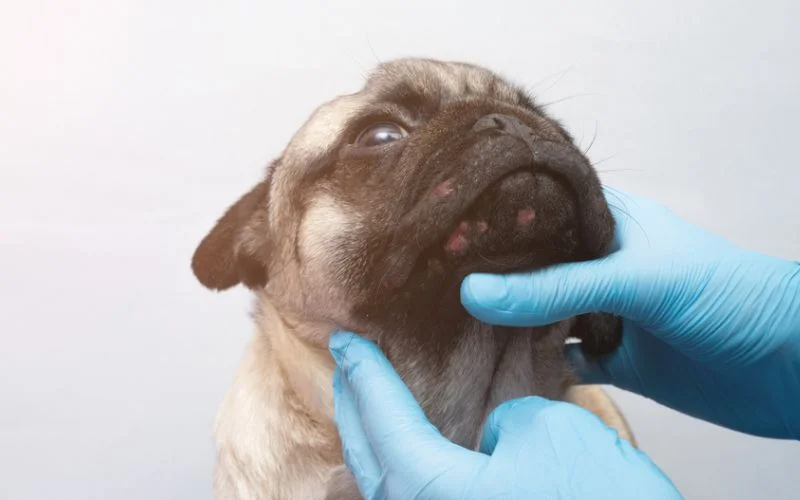
Fungal infections in dogs can cause a range of symptoms that can vary depending on the type of fungus involved and the location of the disease. Dog owners must know these symptoms to seek appropriate veterinary care for their furry friends.
One common symptom of fungal infections in dogs is skin problems. Dogs with fungal infections may develop red, itchy, and irritated skin.
They may also have patches of hair loss or scaly skin. In some cases, the skin may become thickened or develop sores. These symptoms can be particularly noticeable in areas with less hair, such as the belly or paws.
Another symptom of fungal infections in dogs is respiratory issues. Dogs may develop coughing, sneezing, or difficulty breathing if the disease affects their respiratory system.
They may also have nasal discharge or bloody mucus. If you notice any of these symptoms, it is important to seek veterinary attention promptly.
Fungal infections can also affect a dog’s ears. Symptoms of an ear infection may include redness, swelling, discharge, and a foul odor. Dogs with ear infections may also shake their heads or scratch at their ears frequently.
In some cases, fungal infections can also affect a dog’s internal organs. This can lead to symptoms such as loss of appetite, weight loss, vomiting, diarrhea, or lethargy. If your dog displays any of these symptoms, it is important to consult with a veterinarian as soon as possible.
In conclusion, fungal infections in dogs can manifest in various ways, including skin problems, respiratory issues, ear infections, and internal organ involvement.
Recognizing the symptoms of these infections is crucial for timely and appropriate treatment. If you suspect your dog may have a fungal infection, it is best to consult with a veterinarian for a proper diagnosis and treatment plan.
How Are Fungal Infections in Dogs Diagnosed?
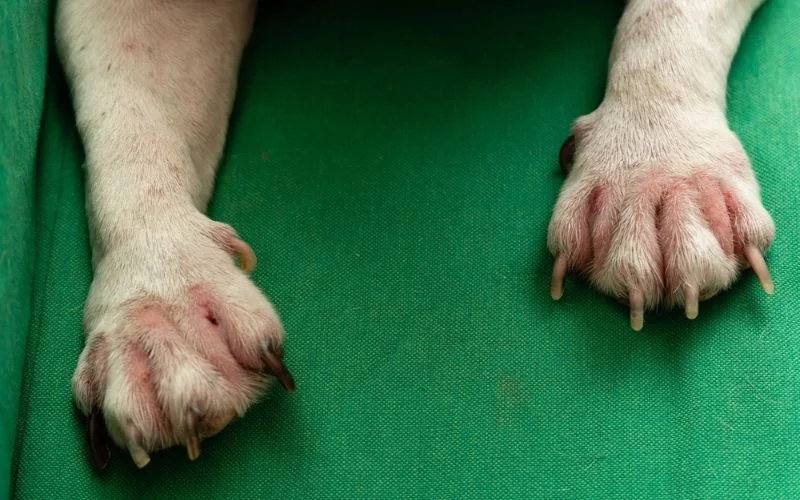
Fungal infections in dogs can be challenging to diagnose, as they often mimic other skin conditions. However, these infections can be identified and treated effectively with the right approach and veterinary expertise.
A physical examination is one of the primary methods used to diagnose fungal infections in dogs.
The veterinarian will carefully inspect the dog’s skin, coat, and nails for any signs of infection. They will look for redness, inflammation, lesions, or abnormal growths that may indicate a fungal infection.
In addition to the physical examination, the veterinarian may also perform a skin scraping or cytology test. This involves taking a small sample of the affected area and examining it under a microscope. The presence of fungal spores or hyphae can confirm the diagnosis of a fungal infection.
Another diagnostic tool commonly used is a fungal culture. This involves collecting a sample from the affected area and placing it in a culture medium to promote fungal growth.
If the fungus grows in the culture, it can be identified and further tested to determine the specific type of fungus causing the infection.
Sometimes, blood tests may be necessary to confirm a fungal infection. These tests can detect the presence of antibodies or antigens associated with specific fungal organisms. However, blood tests alone may not provide a definitive diagnosis and are often used with other diagnostic methods.
It is important to note that diagnosing fungal infections in dogs can be complex, and multiple diagnostic methods may be required. Therefore, it is crucial to seek veterinary assistance if you suspect your dog may have a fungal infection.
By accurately diagnosing fungal infections in dogs, veterinarians can develop an appropriate treatment plan to alleviate the symptoms and promote healing. Early detection and treatment are essential to prevent the disease from spreading and causing further discomfort to your furry friend.
What Are the Most Common Types of Fungal Infections in Dogs?

Fungal infections in dogs are a common concern for pet owners. These infections can cause discomfort and health issues for our furry friends. Understanding the most common types of fungal infections in dogs is crucial for early detection and appropriate treatment.
One of the most prevalent fungal infections in dogs is ringworm. Despite its name, ringworm is not caused by a worm but by a fungus.
It can affect a dog’s skin, fur, and even nails. Ringworm is highly contagious and can spread to other pets or humans. Symptoms include circular patches of hair loss, redness, and itching.
Another common fungal infection in dogs is blastomycosis. This infection is caused by inhaling spores from the fungus Blastomyces dermatitidis, commonly found in soil and decaying organic matter.
Blastomycosis primarily affects the respiratory system but can also spread to other organs. Symptoms may include coughing, difficulty breathing, fever, and weight loss.
Histoplasmosis is yet another fungal infection that dogs can contract. It is caused by inhaling spores from the fungus Histoplasma capsulatum, found in soil contaminated with bird or bat droppings.
This infection primarily affects the lungs but can also spread to other organs. Symptoms may include coughing, lethargy, weight loss, and diarrhea.
Candidiasis is a fungal infection caused by the overgrowth of the Candida yeast. It commonly affects the ears, skin folds, and genital areas of dogs. Symptoms may include redness, itching, discharge, and a foul odor.
Aspergillosis, caused by the Aspergillus fungus, can affect dogs’ respiratory system, nasal cavity, and sinuses. Symptoms may include nasal discharge, sneezing, coughing, and difficulty breathing.
Awareness of these common fungal infections in dogs is essential for prompt diagnosis and treatment. If you suspect your dog may have a fungal infection, it is crucial to consult with a veterinarian for proper diagnosis and treatment options.
Can Fungal Infections in Dogs Be Prevented?
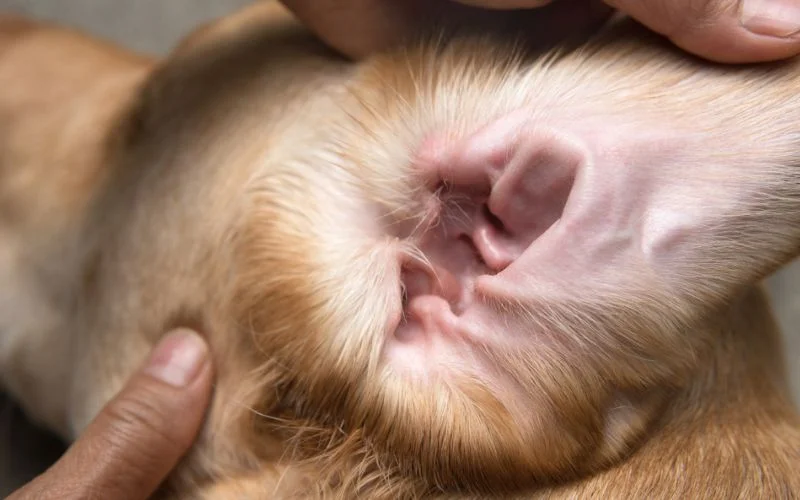
Fungal infections in dogs can be a common and troublesome issue for many pet owners. If left untreated, these infections can cause discomfort, itchiness, and even serious health problems.
As a responsible dog owner, it is important to understand how fungal infections occur and what steps can be taken to prevent them.
One of the key ways to prevent fungal infections in dogs is to maintain good hygiene practices. Regularly bathing your dog with a mild, dog-friendly shampoo can help remove dirt and debris from their coat, reducing the risk of fungal growth.
It is also important to thoroughly dry your dog after bathing, as moisture can create an environment where fungi thrive.
Another important preventive measure is regularly cleaning and disinfecting your dog’s environment. Fungi can be present in soil, grass, and other outdoor areas, so it is important to regularly clean and disinfect your dog’s bedding, toys, and any other items they come into contact with.
Keeping your dog’s living area clean and well-ventilated can also help prevent the growth and spread of fungi.
Maintaining a healthy diet and immune system is also crucial in preventing fungal infections in dogs. A balanced diet rich in nutrients can help support your dog’s immune system, making them less susceptible to infections.
Regular exercise and proper veterinary care, including vaccinations, can help keep your dog’s immune system strong.
While it may not be possible to eliminate the risk of fungal infections in dogs, these preventive measures can greatly reduce the chances of your dog developing one.
By practicing good hygiene, keeping their living environment clean, and supporting their overall health, you can help keep your furry friend happy and fungal infection-free.
Remember, if you suspect that your dog may have a fungal infection, it is important to consult with your veterinarian for proper diagnosis and treatment.
How Are Fungal Infections in Dogs Treated?
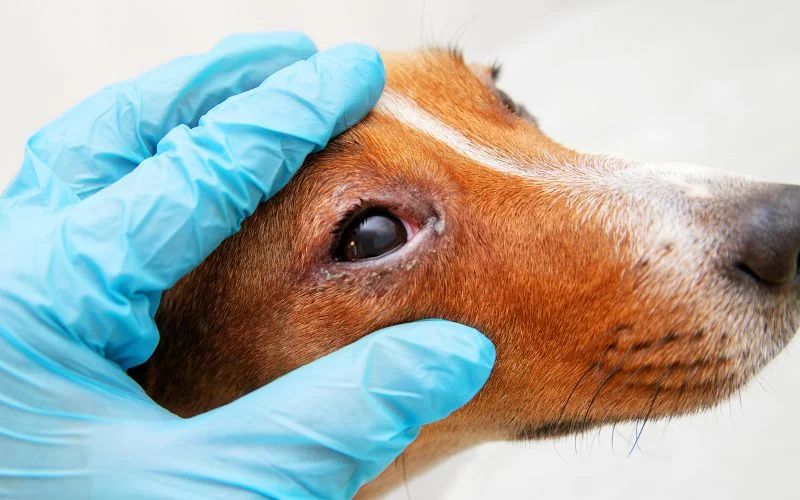
Fungal infections in dogs can be a common and troublesome issue for pet owners. These infections can affect various parts of the dog’s body, including the skin, ears, and nails. Fortunately, several treatment options are available to help alleviate the symptoms and eliminate the infection.
Antifungal medications are one of dogs’ most common treatments for fungal infections. These medications can be administered orally, topically, or through injections, depending on the severity and location of the disease.
Some commonly prescribed antifungal dog medications include ketoconazole, itraconazole, and fluconazole.
In addition to medication, it is important to address the underlying cause of the infection.
Fungal infections in dogs can often result from a weakened immune system or other underlying health conditions. Therefore, it is crucial to identify and treat any underlying issues to prevent the recurrence of the infection.
Proper hygiene and cleanliness are also essential in treating fungal infections in dogs. Regularly bathing the dog with an antifungal shampoo can help eliminate the fungus from the skin and coat. Additionally, keeping the dog’s living environment clean and dry can help prevent the spread of the infection.
In some cases, surgical intervention may be necessary to treat fungal infections in dogs. This is particularly true for conditions that affect the nails or deep tissues. Surgical removal of the affected area may be required to eliminate the full disease.
It is important to note that the duration of treatment for fungal infections in dogs can vary depending on the severity and type of condition. Some conditions may require several weeks or even months of therapy before complete resolution.
In conclusion, fungal infections in dogs can be effectively treated through a combination of medication, addressing underlying health issues, proper hygiene, and, in some cases, surgical intervention.
If you suspect that your dog has a fungal infection, it is important to consult with a veterinarian for an accurate diagnosis and appropriate treatment plan.
Can Fungal Infections in Dogs Be Transmitted to Humans?

Fungal infections in dogs can be a cause for concern, not just for the health of our furry friends but also for the well-being of humans. As pet owners, it is important to understand the potential risks associated with these infections and take necessary precautions to protect ourselves and our loved ones.
One of the most common fungal infections in dogs is ringworm. Despite its name, ringworm is not caused by a worm but by a fungus.
It can cause circular patches of hair loss and red, itchy skin in dogs. While it is primarily a canine infection, humans can contract ringworm from infected dogs. This is known as zoonotic transmission.
Another fungal infection that can affect both dogs and humans is blastomycosis. This infection is caused by the fungus Blastomyces and is commonly found in areas with moist soil, such as riverbanks and wooded areas.
Dogs can become infected by inhaling the fungus spores, and humans can contract the infection through the same route. Symptoms of blastomycosis in dogs include coughing, fever, and weight loss, while humans may experience similar respiratory symptoms.
Dogs can become infected by inhaling the spores, and humans can contract the infection through the same route. Symptoms of histoplasmosis in dogs include coughing, fever, and weight loss, while humans may experience flu-like symptoms.
In conclusion, fungal infections in dogs can indeed be transmitted to humans. Pet owners need to be aware of the potential risks and take necessary precautions to prevent the spread of these infections.
Regular veterinary check-ups, proper hygiene practices, and prompt treatment of any suspected infections can help protect both our canine companions and ourselves.
Are Some Dog Breeds More Prone to Fungal Infections?

Fungal infections can be a common problem in dogs, affecting their skin, ears, and other body parts. While these infections can occur in any dog breed, some breeds may be more prone to developing fungal infections than others.
One breed known to be more susceptible to fungal infections is the Cocker Spaniel. These dogs have long, floppy ears that can trap moisture and create the perfect environment for fungal growth.
Similarly, breeds with thick, double coats, such as the Golden Retriever and the Newfoundland, may also be more prone to fungal infections due to the difficulty of keeping their skin dry and well-ventilated.
Certain breeds with skin folds, such as the Bulldog and the Shar Pei, are also at a higher risk of developing fungal infections.
The folds in their skin can create a warm and moist environment, which is ideal for fungal growth. Additionally, breeds with compromised immune systems, such as the Boxer and the German Shepherd, may be more susceptible to fungal infections.
It’s important to note that while some breeds may be more prone to fungal infections, any dog can develop these infections. Factors such as a dog’s overall health, hygiene, and exposure to fungi play a significant role in determining their susceptibility.
If you have a dog prone to fungal infections, it’s essential to take proactive measures to prevent them. Regular grooming, including cleaning and drying the ears, keeping the skin clean and dry, and maintaining good overall hygiene can help reduce the risk of fungal infections.
In conclusion, while certain dog breeds may be more prone to fungal infections, it’s crucial to remember that any dog can develop these infections. Properly caring for your dog’s hygiene and overall health can minimize the risk of fungal infections and keep your furry friend happy and healthy.
What Should I Do If My Dog Has a Fungal Infection?
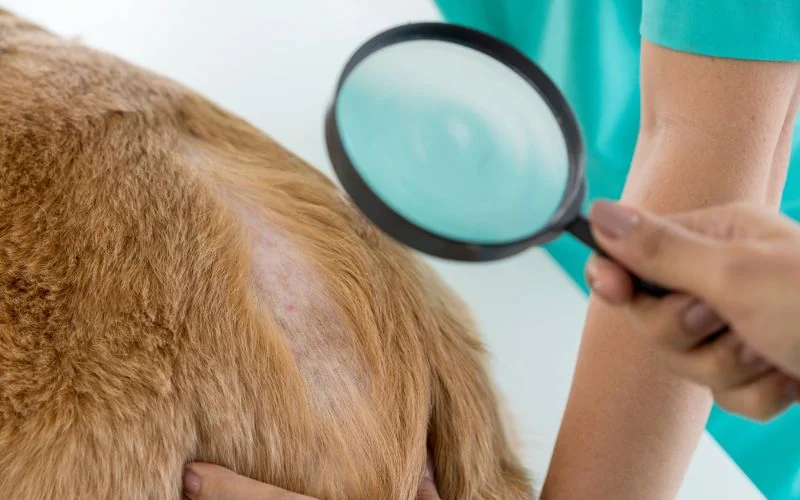
These infections can cause discomfort and even serious health issues if left untreated. This article will discuss what you should do if your dog has a fungal infection.
First and foremost, it is crucial to recognize the signs of a fungal infection in your dog. Some common symptoms include itching, redness, swelling, hair loss, and a foul odor from the affected area. If you notice any of these signs, it’s important to seek veterinary care immediately.
When you visit the vet, they will likely perform a physical examination of your dog and may take samples from the affected area for further testing. This will help determine the specific type of fungal infection and guide the appropriate treatment plan.
Treatment for fungal infections in dogs typically involves a combination of medication and topical treatments. Antifungal medications, such as oral tablets or topical creams, may be prescribed to eliminate the infection.
In addition to medication, your vet may recommend regular bathing with a medicated shampoo to help soothe the affected area and prevent the further spread of the infection. It’s important to keep your dog’s living environment clean and dry to minimize the risk of reinfection.
Prevention is always better than cure, so it’s important to take steps to prevent fungal infections in the first place.
Regular grooming, including cleaning your dog’s ears and paws, can help reduce the risk of infection. Avoiding contact with contaminated soil or water sources and keeping your dog’s living area clean can also help prevent fungal infections.
In conclusion, if you suspect that your dog has a fungal infection, it’s vital to seek veterinary care promptly. With the right diagnosis and treatment, your furry friend can recover quickly and get back to enjoying a healthy and happy life.
Conclusion
Fungal infections in dogs are a common health issue that can cause discomfort and distress for our furry friends.
Throughout this post, we have explored various aspects of fungal infections in dogs, including symptoms, diagnosis, prevention, treatment, transmission to humans, breed susceptibility, and necessary actions for dog owners.
We have learned that the symptoms of fungal infections in dogs can vary, ranging from skin rashes and itching to respiratory problems and organ damage.
Dog owners must be vigilant and seek veterinary attention if they notice signs of a potential fungal infection.
Diagnosing fungal infections in dogs can be challenging, as the symptoms can overlap with other health conditions. However, veterinarians employ various methods, such as skin scrapings, blood tests, and fungal cultures, to accurately diagnose these infections.
Some of the most common types of fungal infections in dogs include ringworm, blastomycosis, and histoplasmosis.
While fungal infections in dogs are not directly transmissible to humans, some fungal species, especially those with weakened immune systems, can risk human health. Practicing good hygiene and taking necessary precautions when handling infected dogs is crucial.
Certain dog breeds may be more prone to fungal infections due to genetic factors or specific environmental conditions. Owners of these breeds need to be extra vigilant and take preventive measures to minimize disease risk.
Future advancements in veterinary medicine may lead to improved diagnostic techniques and more effective treatments for fungal infections in dogs. Dog owners must stay informed about these developments and seek professional advice.
Thank you for reading this post on fungal infections in dogs. We hope that the information provided has been helpful and informative. If you have any comments or feedback, please leave them below.