

Can Dogs Eat Tortilla Chips: Risks and Safe Alternatives
When it comes to sharing snacks with our furry friends, it’s important to be mindful of what we offer them. Tortilla chips, a popular snack among humans, may seem harmless, but can dogs eat tortilla chips safely? In this article, we will explore whether tortilla chips are a suitable treat for dogs and provide guidance on how to share snacks with your canine companion safely.
The Basics of Tortilla Chips
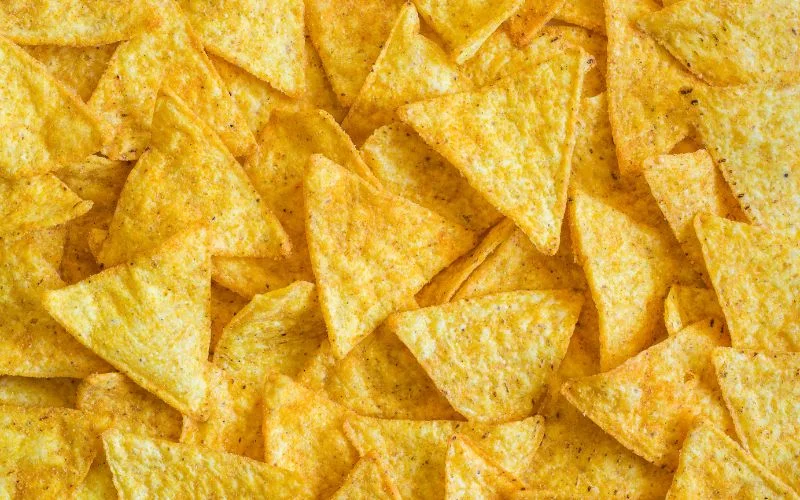
What Are Tortilla Chips?
Tortilla chips are thin, crispy snacks made from corn tortillas. People commonly enjoy them as a standalone snack or with various dips, such as salsa, guacamole, or cheese. Tortilla chips come in multiple flavors and shapes, making them a versatile and tasty human treat.
Can Dogs Eat Tortilla Chips?
No, dogs should not eat tortilla chips as a regular diet. While a small, occasional nibble may not harm your dog, these chips are not a healthy choice for canine consumption.
The Risks of Feeding Tortilla Chips to Dogs
Feeding tortilla chips to your dog can pose several risks:
- High Salt Content: Most commercially available tortilla chips are heavily salted. Excessive salt consumption can lead to sodium ion poisoning in dogs, resulting in symptoms like vomiting, diarrhea, lethargy, and, in severe cases, even death.
- Fat Content: Some varieties of tortilla chips are fried in oil, adding unnecessary fats to your dog’s diet. This can lead to obesity and other health problems.
- Additives and Seasonings: Many tortilla chips are flavored with spices, artificial flavors, and seasonings that can harm dogs. These additives can upset their stomachs and cause digestive issues.
- Risk of Choking: The hard and crunchy texture of tortilla chips can pose a choking hazard for dogs, especially for smaller breeds.
- Gastrointestinal Upset: Dogs have sensitive stomachs, and consuming foods not part of their regular diet can lead to gastrointestinal upset, including vomiting and diarrhea.
- Allergies: Some dogs may be allergic to ingredients commonly found in tortilla chips, such as corn or wheat, leading to allergic reactions and skin problems.
Safer Alternatives for Treats
While tortilla chips should be avoided, there are plenty of safe and healthy alternatives for treating your dog:
Fresh Fruits and Vegetables
When treating your dog, choosing fresh fruits and vegetables can be healthy and nutritious. Unlike tortilla chips, which may contain harmful additives and high levels of salt, many fruits and vegetables provide essential vitamins, minerals, and fiber that can benefit your dog’s overall health. Here are some canine-friendly options to consider when looking for alternatives to tortilla chips:
- Apple Slices: Apples are a great source of vitamins and fiber. Just be sure to remove the seeds and core, as apple seeds contain cyanide, which can be toxic to dogs.
- Carrot Sticks: Carrots are low in calories, vitamins, and minerals, making them an excellent dog snack. Plus, their crunchy texture can help keep your dog’s teeth clean.
- Cucumber Slices: Cucumbers are hydrating and low in calories, making them a refreshing and healthy choice for your pup.
- Blueberries: Packed with antioxidants, blueberries are a superfood for humans and dogs. They can be a tasty and nutritious treat in moderation.
- Pumpkin: Plain, cooked pumpkin (not pumpkin pie filling) is a great source of fiber and can help with digestive issues in dogs. It’s often used to alleviate diarrhea or constipation.
Commercial Dog Treats
Commercial dog treats are designed to meet your pet’s dietary needs while providing a tasty and convenient option for rewarding good behavior or simply sharing affection. These treats come in various flavors, shapes, and sizes, catering to different preferences and dietary requirements. Here’s why commercial dog treats can be a beneficial choice:
- Nutritionally Balanced: Reputable dog treat brands formulate their products to ensure they meet essential nutritional standards. This means you can choose treats that complement your dog’s diet and provide essential vitamins and minerals.
- Convenience: Commercial dog treats are easy to store, transport, and portion out, making them a convenient option for training sessions, on-the-go rewards, or as a quick snack.
- Dental Health: Some commercial treats help maintain your dog’s dental health by reducing plaque and tartar buildup. They often have a chewy or crunchy texture that can aid in cleaning teeth and freshening breath.
- Dietary Considerations: Commercial treats come in various formulations to accommodate dogs with specific nutritional needs, such as allergies, sensitivities, or a weight management plan. You can find treats that are grain-free, limited ingredients, or hypoallergenic.
- Trusted Ingredients: Reputable dog treats manufacturers prioritize using high-quality ingredients that are safe and beneficial for dogs. This helps ensure the treats are free from harmful additives or fillers.
Homemade Dog Treats
If you enjoy spending time in the kitchen and want to offer your dog a personalized treat, homemade dog treats are an excellent option. Making treats for your canine companion allows you to control the ingredients, ensuring they are safe, healthy, and tailored to your dog’s preferences. Here’s why homemade dog treats can be a rewarding choice:
- Ingredient Control: When you make treats at home, you have full control over the ingredients, allowing you to avoid harmful additives, preservatives, and allergens. You can select high-quality, dog-friendly ingredients that align with your dog’s dietary needs.
- Variety: Homemade treats offer endless possibilities for flavor combinations and shapes, allowing you to cater to your dog’s taste preferences. Whether your pup prefers savory or sweet, you can create treats they’ll love.
- Freshness: Homemade treats are made fresh in your kitchen, ensuring your dog gets the maximum nutritional benefit from the ingredients. You won’t have to worry about stale or expired treats.
- Tailored Nutrition: You can tailor homemade treats to meet your dog’s nutritional requirements. For example, if your dog needs extra joint support, you can include ingredients like glucosamine or omega-3 fatty acids.
- Bonding Time: Making treats for your dog can be a fun and bonding experience. Involving your dog in the process, whether by letting them taste-test or by having them assist with simple tasks, can strengthen your connection.
Plain Popcorn
Plain, unsalted, and unbuttered popcorn can be a safe and low-calorie snack for dogs in moderation. However, avoid popcorn with added seasonings or toppings.
Conclusion
While the occasional tiny nibble of a plain tortilla chip may not immediately harm your dog, it’s best to avoid feeding them these snacks altogether. The risks associated with tortilla chips, such as high salt and fat content, additives, and choking hazards, make them unsuitable dog treats. Instead, choose healthier alternatives like fresh fruits and vegetables, commercial dog treats, or homemade dog-friendly snacks to keep your furry friend safe and happy. Responsible pet ownership includes providing your dog with a balanced and appropriate diet.
FAQs
1. Can I occasionally give my dog a small piece of tortilla chip?
While a small, occasional nibble of a plain tortilla chip may not immediately harm your dog, it is not recommended. Tortilla chips are high in salt and fat, damaging your dog’s health. It’s best to choose healthier, dog-friendly snacks.
2. Are there any tortilla chips that are safe for dogs?
It’s best to avoid feeding tortilla chips to your dog altogether, regardless of the type or brand. The risks associated with these snacks, such as high salt content, additives, and choking hazards, make them unsuitable dog treats.
3. What should I do if my dog accidentally ate a significant amount of tortilla chips?
If your dog has consumed a substantial amount of tortilla chips, monitor them closely for signs of distress, such as vomiting, diarrhea, or excessive thirst. If you notice any concerning symptoms, contact your veterinarian immediately for guidance.
