

Best Puppy Milk: Ensuring Optimal Nutrition for Your Furry Friend
When caring for a new puppy, providing them with the best nutrition is crucial for their growth and development. Just like human infants, puppies require a special diet that meets their unique nutritional needs.
While their mother’s milk is the ideal source of nourishment, there may be instances where puppy milk substitutes are required. In such cases, finding the best puppy milk becomes a top priority for pet owners.
Choosing the right puppy milk can be daunting, given the many available options. From powdered formulas to ready-to-feed liquids, a wide range of products claim to provide the essential nutrients for your furry friend.
However, not all puppy milks are created equal, and selecting one that meets your puppy’s specific requirements is necessary.
The best puppy milk should closely mimic the composition of a mother dog’s milk, providing the essential proteins, fats, carbohydrates, vitamins, and minerals. It should be easily digestible, promoting healthy digestion and preventing gastrointestinal issues.
Additionally, the milk should be fortified with essential nutrients like calcium and phosphorus, which are crucial for bone development in growing puppies.
Furthermore, it is important to consider the age and size of your puppy when choosing a milk formula. Newborn puppies have different nutritional needs than those who are a few weeks old.
Similarly, large breed puppies require a different nutrient balance than their smaller counterparts. Understanding these factors will help you make an informed decision and ensure your puppy receives the best nutrition.
The following articles will explore the various types of puppy milk available, their pros and cons, and how to feed your puppy with milk substitutes properly.
We will also address common concerns and questions regarding puppy nutrition, debunking myths and providing evidence-based information. So, if you’re ready to embark on a journey to discover the best puppy milk for your furry friend, let’s dive in!
What Are the Best Puppy Milk Alternatives?

Proper nutrition is crucial for their growth and development when caring for a young puppy. While mother’s milk is the ideal food source for puppies, there may be situations where it is not available or insufficient. In such cases, finding the best puppy milk alternatives becomes essential.
One popular alternative to mother’s milk is goat’s milk. Goat’s milk is easily digestible and contains essential nutrients for puppies. It is rich in vitamins, minerals, and proteins, making it suitable for young pups. Additionally, goat’s milk boosts the immune system and promotes healthy bone development.
Another alternative is puppy milk replacers. These are specifically formulated to mimic the composition of the mother’s milk, providing puppies with the necessary nutrients.
Puppy milk replacers usually contain a balanced mix of proteins, fats, carbohydrates, and added vitamins and minerals. They are available in powdered and liquid forms, making them convenient.
For those looking for a plant-based alternative, coconut milk can be considered. Coconut milk is lactose-free, making it suitable for puppies with lactose intolerance.
It is also rich in healthy fats essential for brain development. However, it is important to note that coconut milk should be used in moderation and not as a primary source of nutrition.
When choosing a puppy milk alternative, it is essential to consult with a veterinarian to ensure that it meets the specific nutritional needs of your puppy. Every puppy is different, and their dietary requirements may vary. Additionally, it is important to introduce any new milk alternative to avoid digestive issues gradually.
In conclusion, when a mother’s milk is unavailable or insufficient, several alternatives can provide the necessary nutrition for young puppies. Goat’s milk, puppy milk replacers, and coconut milk are some of the best options. Remember to consult with a veterinarian to determine the most suitable alternative for your puppy’s specific needs.
How to Choose the Right Puppy Milk for Your Pet

When choosing the right puppy milk for your pet, there are several factors to consider. The nutritional needs of puppies differ from adult dogs, and providing them with the proper milk is crucial for their growth and development. This article will discuss important points to remember when selecting the best puppy milk for your furry friend.
One of the first things to consider is the age of your puppy. Different formulas are designed for different stages of a puppy’s life. For example, specific milk replacers are available for newborn puppies, while others are formulated for older puppies transitioning to solid food. Choosing milk appropriate for your puppy’s age ensures they get the right nutrients.
Next, you should consider the ingredients in the puppy milk. Look for a milk replacer from high-quality ingredients containing essential nutrients such as proteins, fats, vitamins, and minerals. Avoid products that contain artificial additives or fillers, as these may not provide the necessary nutrition for your puppy.
Furthermore, it’s important to consider any specific dietary needs or sensitivities your puppy may have. Some puppies may have allergies or intolerances to certain ingredients, so choosing a milk replacer suitable for their unique needs is important. Consult with your veterinarian if you’re unsure which milk replacer to choose.
Lastly, consider the brand reputation and customer reviews. Look for a reputable brand that has positive feedback from other pet owners. Reading reviews can give you valuable insights into the quality and effectiveness of a particular puppy milk.
In conclusion, choosing the right puppy milk for your pet is essential for their health and well-being. When deciding, consider their age, ingredients, dietary needs, and brand reputation. Providing your puppy with the best milk replacer sets them up for a healthy and happy life.
Can Puppies Drink Regular Cow’s Milk?

Puppies are adorable and vulnerable creatures that require proper nutrition to grow into healthy adult dogs. As a puppy owner, providing them with the right food and drink is essential. One common question is whether puppies can drink regular cow’s milk. Let’s explore this topic further.
Cow’s milk is not recommended for puppies. While it may seem like a convenient option, cow’s milk can cause digestive issues in puppies.
Most puppies are lactose intolerant, meaning they lack the enzyme lactase required to break down lactose, the sugar in milk. Consuming cow’s milk can lead to diarrhea, upset stomach, and discomfort for your furry friend.
Instead of regular cow’s milk, there are better alternatives for feeding your puppy. Puppy food replacers are specifically formulated to meet the nutritional needs of growing puppies.
These milk replacers are designed to mimic the composition of a mother dog’s milk, providing essential nutrients such as proteins, fats, and vitamins. They are also lactose-free, making them easier for puppies to digest.
When selecting a puppy milk replacer, it’s important to choose a high-quality brand recommended by veterinarians. Look for products that contain essential nutrients like DHA, which promotes brain development, and probiotics for a healthy gut.
In conclusion, puppies should not be given regular cow’s milk. It can lead to digestive issues and discomfort. Instead, opt for a high-quality puppy milk replacer that provides the necessary nutrients for their growth and development. Always consult your veterinarian for personalized advice on the best nutrition for your puppy.
Is Goat’s Milk a Good Option for Puppies?
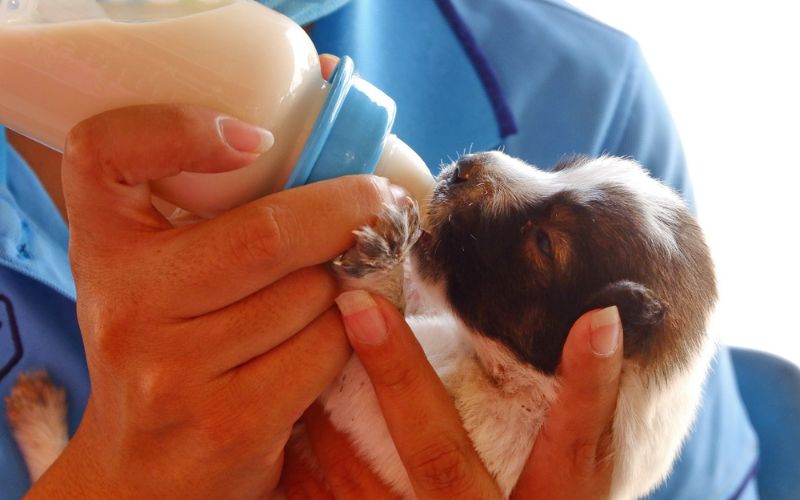
When finding the best milk for puppies, many pet owners turn to alternative options like goat’s milk. But is goat’s milk a good choice for your furry friend? Let’s take a closer look.
One of the main reasons why goat’s milk is considered a great option for puppies is its similarity to mother’s milk. It contains essential nutrients, vitamins, and minerals for a puppy’s growth and development. Additionally, goat’s milk is easily digestible, making it suitable for puppies with sensitive stomachs.
Another advantage of goat’s milk is its lower lactose content than cow’s milk. Many puppies are lactose intolerant, and consuming cow’s milk can lead to digestive issues such as diarrhea. Goat’s milk, on the other hand, is easier on the stomach and less likely to cause any discomfort.
Furthermore, goat’s milk is rich in medium-chain fatty acids, which benefit a puppy’s brain development. These fatty acids also support a healthy immune system, helping your puppy fight diseases and infections.
In addition to its nutritional benefits, goat’s milk can also be used as a supplement for puppies who are not getting enough milk from their mother. It can help provide the necessary nourishment and ensure your puppy grows strong and healthy.
However, it’s important to note that goat’s milk should not replace a balanced diet for your puppy. It should only be used as a supplement or temporary solution. Consulting with your veterinarian is always recommended before changing your puppy’s diet.
In conclusion, goat’s milk can be a good option for puppies due to its similarity to mother’s milk, digestibility, and nutritional benefits. However, it should be used in moderation and consultation with a veterinarian. Always prioritize a balanced diet for your furry friend’s health and well-being.
What Are the Benefits of Puppy Milk Replacers?
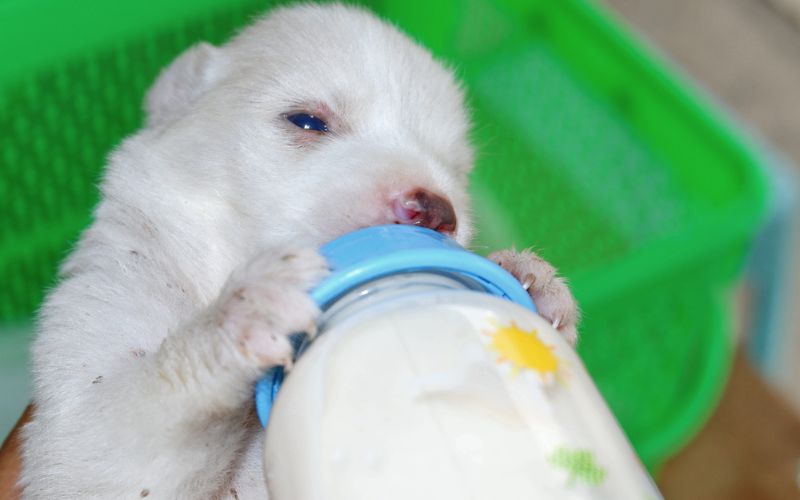
Puppy milk replacers have become increasingly popular among pet owners and breeders to provide essential nutrition to young puppies. These specially formulated milk substitutes offer a range of benefits that can help ensure the health and well-being of growing puppies.
One of the primary benefits of puppy milk replacers is their ability to provide the necessary nutrients for proper growth and development.
These milk substitutes are designed to mimic the composition of a mother dog’s milk, providing puppies with the essential proteins, fats, and carbohydrates they need. This ensures that they receive a balanced diet supporting their rapid growth during their early life stages.
Another advantage of puppy milk replacers is their ease of digestion. Young puppies have delicate digestive systems that may not fully develop, making digesting regular cow’s milk difficult.
Puppy milk replacers are formulated to be easily digested, reducing the risk of digestive upset and ensuring that the puppy’s body efficiently absorbs the nutrients.
Additionally, puppy milk replacers can be valuable for orphaned or rejected puppies. In cases where a mother dog is unable or unwilling to nurse her puppies, these milk substitutes can provide the necessary nourishment for their survival. Puppy milk replacers can also supplement the mother’s milk to ensure that all puppies receive adequate nutrition.
Furthermore, puppy milk replacers can be convenient for busy pet owners or breeders. They eliminate the need for constant nursing and allow for more flexible feeding schedules. This can be particularly beneficial for those with large or multiple litters to care for.
In conclusion, puppy milk replacers offer a range of benefits for growing puppies. From providing essential nutrients to supporting digestion and convenience, these milk substitutes are a valuable tool for ensuring the health and well-being of young dogs.
Are Homemade Puppy Milk Recipes Safe for Puppies?
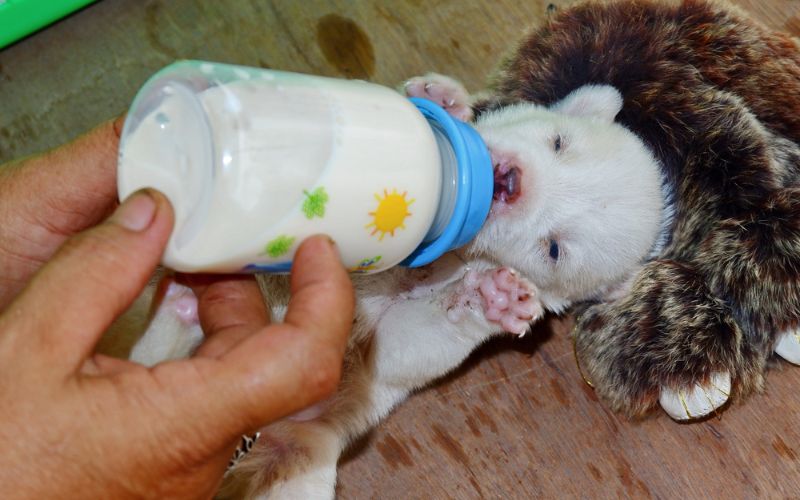
Ensuring proper nutrition is of utmost importance when caring for a newborn puppy. While commercial puppy milk formulas are readily available, some pet owners may wonder if homemade puppy milk recipes are a safe alternative.
This article will explore the safety of homemade puppy milk recipes and provide insights into the best options for nourishing your furry friend.
One common homemade puppy milk recipe includes cow’s milk, egg yolks, and honey. However, it is important to note that cow’s milk is unsuitable for puppies.
Puppies lack the necessary enzymes to digest lactose, which can lead to digestive upset and diarrhea. Additionally, honey may contain bacteria that can be harmful to puppies. Therefore, it is best to avoid using this particular recipe.
Instead, opt for a puppy milk substitute that closely mimics the composition of their mother’s milk. Look for recipes that include goat’s milk, yogurt, and a puppy milk replacer powder.
These ingredients provide the necessary nutrients and are easily digestible for puppies. Following the recipe carefully and avoiding substituting or adding without consulting a veterinarian is important.
Ensure all equipment and ingredients are clean and sterile when preparing homemade puppy milk to prevent contamination. Proper hygiene is essential to keep your puppy healthy. Also, always serve the milk at room temperature to avoid discomfort or digestive issues.
In conclusion, while homemade puppy milk recipes can nourish your furry friend, choosing the right ingredients and following a trusted recipe is crucial. Providing your puppy with the best puppy milk alternative can help support their growth and development safely and healthily.
What Are the Key Ingredients to Look for in Puppy Milk?

When choosing the best puppy milk for your furry friend, it’s important to consider the key ingredients that will provide them with the necessary nutrients for growth and development. Whether you’re looking for a milk substitute for orphaned puppies or want to supplement your pup’s diet, here are some important ingredients to look for:
Protein: Protein is essential for building strong muscles and supporting overall growth. Look for puppy milk that contains high-quality protein sources, such as milk or meat-based proteins.
Fats: Fats are a concentrated energy source and play a crucial role in brain development. Opt for puppy milk that contains healthy fats, such as omega-3 fatty acids, which can support cognitive function.
Vitamins and Minerals: Puppy milk should be fortified with essential vitamins and minerals to ensure your pup gets a well-rounded diet. Look for milk that includes vitamins A, D, E and B-complex vitamins and minerals like calcium and phosphorus for healthy bones and teeth.
Prebiotics and Probiotics: These beneficial bacteria can support a healthy digestive system in puppies. Look for puppy milk, including prebiotics and probiotics, to promote good gut health.
DHA: Docosahexaenoic acid (DHA) is an omega-3 fatty acid that plays a crucial role in brain and eye development. Choose puppy milk enriched with DHA to support your pup’s cognitive function and vision.
By selecting puppy milk containing these key ingredients, you can ensure your furry friend gets the essential nutrients they need for optimal growth and development.
Remember to consult with your veterinarian before making any changes to your puppy’s diet, as they can provide personalized recommendations based on your pup’s specific needs.
In conclusion, when choosing the best puppy milk, look for a product that contains high-quality protein, healthy fats, essential vitamins and minerals, prebiotics and probiotics, and DHA. By providing your pup with the right nutrients, you can help them thrive and grow into a healthy adult dog.
How Much Puppy Milk Should I Feed My Dog?
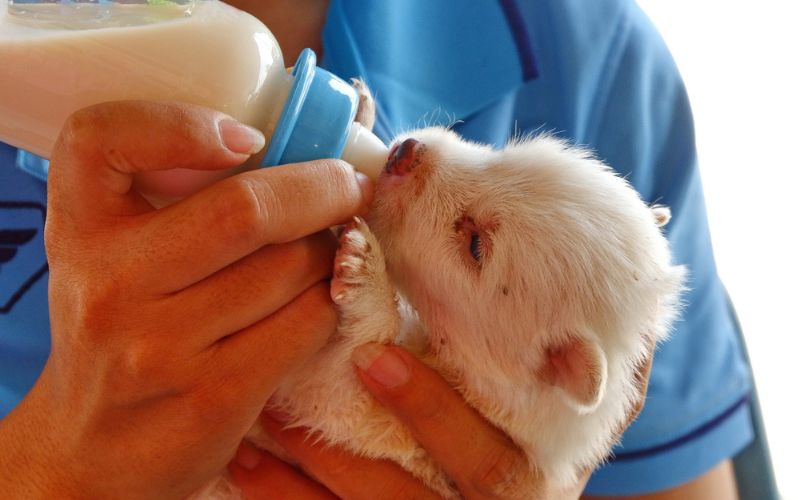
When raising a healthy and happy puppy, nutrition is key. One important aspect of their diet is puppy milk, which provides essential nutrients for their growth and development. But how much puppy milk should you feed your dog? Let’s delve into this question and find out.
Mother’s milk is rich in antibodies and provides all the nutrients for early development. However, there are instances where puppies may need additional milk supplementation.
If you find yourself in a situation where you need to feed your puppy milk, it’s crucial to follow the recommended guidelines. The milk to feed your puppy depends on their age, size, and breed. This ensures that they are getting the nutrients they need without overfeeding.
It is best to consult a veterinarian to determine the appropriate amount of milk to feed them for newborn puppies. Generally, puppies should consume about 1/8 to 1/4 cup of milk per pound of body weight daily.
It’s important to monitor your puppy’s weight and adjust the amount of milk accordingly. Overfeeding can lead to digestive issues and obesity, while underfeeding can result in malnutrition. Regular check-ups with a veterinarian can help ensure your puppy grows at a healthy rate.
Conclusion
Feeding your puppy the right amount of milk is crucial for their growth and development. Following the recommended guidelines and consulting with a veterinarian can ensure your furry friend gets the nutrition they need. Remember, a healthy puppy is a happy puppy!
In conclusion, the post on “best puppy milk” has covered many important topics about choosing the right milk for your beloved pet.
We discussed various alternatives throughout the camp, including goat’s milk and homemade recipes. We also explored the benefits of puppy milk replacers and the key ingredients to look for when selecting a milk product for your puppy.
One of the key takeaways from the post is the importance of considering alternatives to regular cow’s milk. While cow’s milk may seem convenient, it is not always suitable for puppies due to potential lactose intolerance. On the other hand, goat’s milk is a good option for puppies as it is easier to digest and contains essential nutrients.
Another important point covered in the post is the safety of homemade recipes. While some recipes may be safe and nutritionally balanced, it is crucial to consult with a veterinarian to ensure that the homemade milk meets your puppy’s specific dietary needs.
The post also emphasized the significance of choosing products that contain essential ingredients such as DHA, calcium, and vitamins. These nutrients are vital for the healthy growth and development of puppies.
Looking ahead, it is worth mentioning that the field of alternatives is constantly evolving. New products or developments in the future could further enhance the options available for pet owners. It is always a good idea to stay informed and consult with professionals to make the best choices for your furry friend.
Thank you for taking the time to read our post on “best puppy milk.” We hope the information has helped guide you toward the right choice for your puppy. We encourage you to leave any comments or feedback, as we value your input and strive to provide the most relevant and up-to-date information to our readers.
