

Beef Liver for Dogs: Benefits, Nutrition, and Recipes for Raw
When feeding your furry friend, you want to ensure they receive the best nutrition possible. One food often mentioned in canine nutrition is beef liver. Beef liver is a nutrient-rich organ meat that can offer numerous benefits to your dog’s health. This article will explore the advantages of including beef liver in your dog’s diet and some important c ands.
Nutritional Value of Beef Liver for Dogs
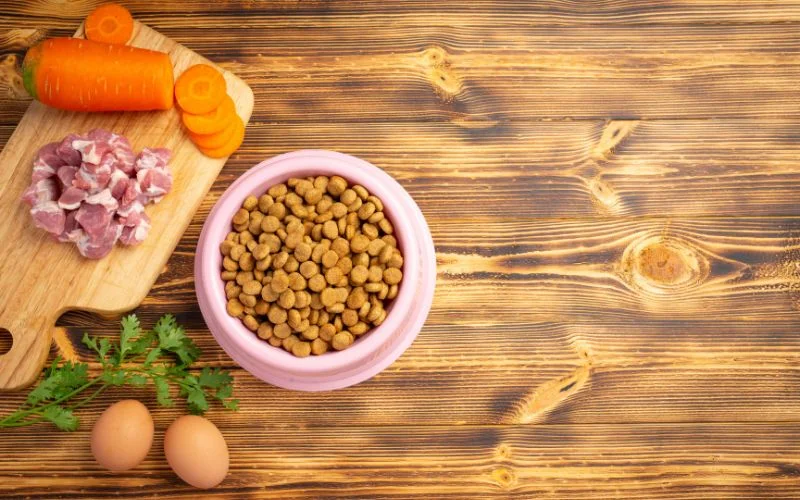
Beef liver is a superfood for dogs, packed with essential nutrients that contribute to their overall health and well-being. Whether fed raw or cooked, it offers numerous benefits that make it an excellent addition to your furry friend’s diet.
One of the primary advantages of beef liver is its high nutrient density. It contains many vitamins, minerals, and amino acids essential for a dog’s optimal growth and development. These nutrients include vitamin A, B12, iron, zinc, copper, and folate.
Let’s take a closer look at some of these vital nutrients:
- According to the National Research Council, an adult dog requires 1.25 mg of copper daily. Beef liver provides incredibly high levels, with around 12-14mg of copper per 100 grams.
- Beef liver is also a rich source of Vitamin A, essential for a dog’s healthy vision and skin. Just one ounce can provide more than the daily requirement for most dogs.
- Moderate feeding becomes crucial, considering beef liver contains high amounts of vitamin A, which, if overfed, can lead to vitamin A toxicity in dogs. However, it’s entirely safe and beneficial for most dogs when limited to less than 5% of their diet.
Vitamins and Minerals
One of the standout features of beef liver is its exceptional vitamin A content. Vitamin A is crucial in promoting healthy vision, supporting immune function, and maintaining proper skin and coat health in dogs. It also aids in the growth and repair of body tissues.
Another notable nutrient found in beef liver is vitamin B12. This vitamin is vital in maintaining a healthy nervous system, producing red blood cells, and promoting adequate brain function. It contributes to energy metabolism and helps prevent anemia.
Beef liver is an excellent source of iron. Iron supports the production of red blood cells and ensures proper oxygenation. Iront the body. It is crucial for preventing anemia and maintaining overall vitality in dogs.
Zinc
It is an essential mineral that supports various bodily functions in dogs. It helps regulate immune function, promotes healthy skin and coat, aids wound healing, and contributes to proper digestion. Beef liver is considered one of the richest natural sources of zinc.
Copper
It is another mineral found abundantly in beef liver. It is crucial in facilitating iron absorption, supporting connective tissue formation, promoting strong bones and joints, and contributing to red blood cell production.
Beef liver contains folate, a B vitamin that supports healthy cell growth and division. It is particularly important during rapid development, such as puppyhood or pregnancy. Folate also aids in producing DNA and RNA, essential for overall health.
Immune and Digestive Health Benefits
Beef liver is a powerhouse of nutrients that can provide numerous health benefits for dogs. One key advantage is its ability to promote immune and digestive health.
Feeding beef liver to your furry friend can strengthen their immune system, preventing various illnesses. This is because beef liver is packed with essential vitamins and minerals, such as vitamins A and D, known to support immune function. Including beef liver in your dog’s diet can help enhance their overall well-being and reduce the risk of infections or diseases.
Moreover, beef liver can also improve digestive function in dogs. It contains high levels of B vitamins, including riboflavin and folate, which are crucial in supporting healthy digestion. These vitamins assist in breaking down food and absorbing nutrients effectively, ensuring that your dog’s digestive system functions optimally.
Preparing Beef Liver: Raw and Cooked Methods
Both raw and cooked methods of preparing beef liver have merit. However, consider a few important factors before deciding.
Many dog owners and experts often prefer raw beef liver for its nutritional value. Cooking processes can destroy some of the delicate nutrients in the liver and may make it tougher to digest for dogs. If you feed raw beef liver, ensure it comes from a trustworthy source that provides high-quality and human-grade cuts.
On the other hand, cooking beef liver can be an option for those who prefer a more traditional approach or have concerns about feeding raw meat. There are several cooking techniques and tips to remember when preparing beef liver for dogs.
You can lightly cook the beef liver by quickly searing it on both sides in a hot pan. This method retains more nutrients compared to prolonged cooking. Another option is to bake the liver in the oven until it is cooked through but still tender. Avoid seasoning the liver with any ingredients harmful to dogs, such as onions or garlic.
Cooking Techniques and Tips
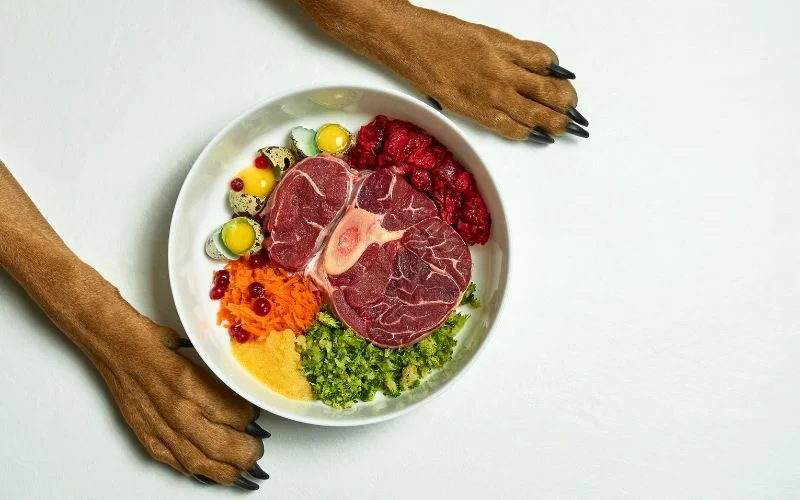
Remember a few key cooking techniques and tips when preparing beef liver for your furry friend. First and foremost, it’s important to note that raw beef liver is generally considered more beneficial for dogs as cooking can destroy some of its essential nutrients. However, if you prefer to cook the liver or your dog has specific dietary restrictions, consider lightly searing or boiling it. This will help retain more of the nutrients while still making it easier for digestion. Avoid using seasonings, salts, or oils during cooking, as these can harm your canine companion.
Additionally, it’s crucial to consider the strong aroma that may accompany cooking beef liver. Some individuals may find this smell unpleasant, while others might enjoy it. The pungent odor is inherent to organ meats like liver and kidney. If you’re concerned about the lingering smell in your kitchen or on your hands, you may want to take precautions such as using odor-neutralizing candles or wearing gloves during preparation.
Now that we have explored some cooking techniques and tips for beef liver, let’s focus on the safety measures that should be taken when feeding liver to dogs.
Safety Measures When Feeding Liver to Dogs
While beef liver can offer numerous health benefits for dogs, ensuring their safety during consumption is essential. Here are some key safety measures to keep in mind:
- Moderation: Moderation is crucial when feeding beef liver to dogs. Due to its high nutrient density, it should make up only a small portion (around 5%) of its overall raw diet.
- Quality sourcing: Choosing high-quality beef liver from reputable sources is vital to ensure nutritional value without harmful additives or contaminants. Look for human-grade beef liver sourced from hormone-free, grass-fed cattle.
- Avoiding overdose: While beef liver is rich in essential vitamins and nutrients, excessive consumption can lead to vitamin A toxicity in dogs. Be cautious not to overdo it and feed liver in appropriate amounts according to your pet’s dietary needs.
- Alternate forms of feeding: If you prefer not to cook or prepare raw beef liver yourself, alternative options are available, such as dehydrated or freeze-dried treats and capsule supplements. These can be convenient and provide the same benefits without cooking.
Following these safety measures ensures your beloved canine companion enjoys beef liver’s benefits while minimizing potential risks.
Moderation and Potential Overdose
When it comes to feeding beef liver to dogs, moderation is key. While beef liver offers numerous benefits, providing it in appropriate quantities is essential to avoid potential overdose or nutrient imbalances. Due to its high nutrient density, it is recommended to include beef liver as just a small portion of your dog’s overall diet, typically around 5% of their raw food intake. Feeding too much liver can lead to an excessive intake of certain vitamins and minerals, such as vitamin A. Too much vitamin A can be toxic to dogs, causing symptoms like nausea, vomiting, and even bone problems. It’s always best to consult a veterinarian to determine the optimal beef liver for your furry friend.
For instance, imagine introducing a homemade raw diet for your dog and including beef liver in its meals. While you may be tempted to provide large amounts considering its health benefits, overfeeding can have adverse effects. Your dog might consume excessive amounts of certain nutrients, which can lead to health issues.
Sourcing High-Quality Beef Liver for Pets
When selecting beef liver for your pet, prioritize high-quality sources that offer nutritional value without harmful additives. Opting for human-grade beef liver from reputable suppliers ensures that the meat comes from hormone-free, grass-fed cattle. It’s worth mentioning that the Gippsland region of Victoria, Australia, boasts a reputation for its premium-quality grass-fed cattle.
Raw & Fresh Pet Food is one such provider that offers human-grade beef liver sourced from grass-fed cattle in Gippsland to ease the sourcing process. Their commitment to quality ensures that pets receive the essential vitamins and nutrients without compromise. With a range of complete and balanced meals, treats, bones, and feeding accessories for dogs, Raw & Fresh offers convenient options to help incorporate beef liver into your pet’s diet effectively.
Consider sourcing high-quality beef liver for your pets, like selecting organic fruits and vegetables for yourself at the local farmer’s market. You want the best ingredients to support your pet’s health and well-being.
