

Wagging Wellness: Wholesome Homemade Bone Broth for Dogs
Homemade bone broth for dogs has gained significant popularity in recent years and for good reason. This nutrient-rich elixir tantalizes your furry friend’s taste buds and provides numerous health benefits. From promoting joint health to boosting the immune system, bone broth is a true powerhouse for nourishing your canine companion.
So, what exactly is bone broth? It is a savory liquid made by simmering animal bones and some vegetables and herbs for an extended period. This slow-cooking extracts the minerals, vitamins, and other beneficial compounds from the bones, resulting in a gelatinous broth packed with goodness.
One of the key benefits of homemade bone broth is its ability to support joint health. As dogs age, they often experience common issues, such as arthritis, which can cause discomfort and limit mobility. The collagen and glucosamine found in bone broth help to rebuild and strengthen the joints, alleviating pain and promoting better mobility.
Furthermore, bone broth is a fantastic source of essential nutrients, including calcium, phosphorus, and magnesium. These minerals are vital for maintaining healthy bones and teeth in dogs. Additionally, the gelatin in bone broth aids in digestion and can soothe an upset stomach, making it an excellent choice for dogs with sensitive tummies.
Not only does bone broth provide a myriad of health benefits, but it is also incredibly easy to make at home. Using leftover bones from your meals or purchasing them from a local butcher can create a nutritious and flavorful broth for your furry friend. Plus, you can customize the ingredients, tailoring the broth to your dog’s specific needs and preferences.
In conclusion, homemade bone broth for dogs is a simple yet powerful way to enhance your pet’s overall well-being. This elixir is a must-have addition to your dog’s diet, from supporting joint health to providing essential nutrients. In the following articles, we will delve deeper into the various benefits of bone broth and explore different recipes and variations to suit every pup’s palate. So, stay tuned, and let’s embark on this journey of discovering the wonders of homemade bone broth for dogs!
What Are the Benefits of Homemade Bone Broth for Dogs?
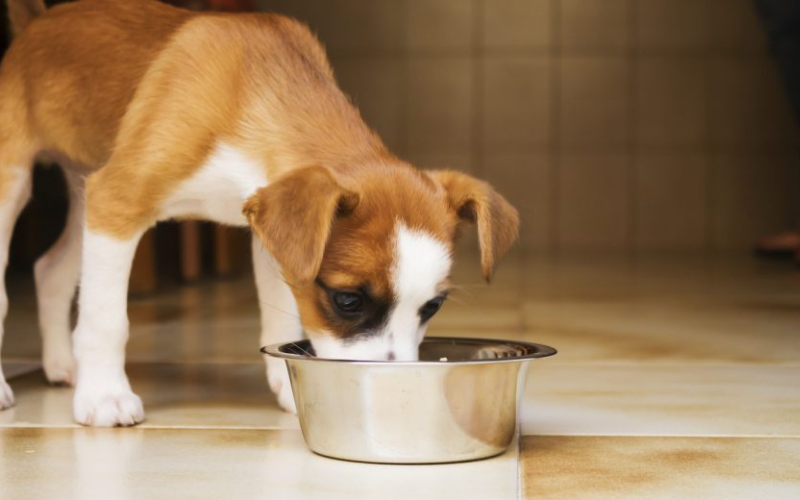
Bone broth has recently gained popularity as a nutritious and healing food for humans, but did you know that it can also offer numerous benefits for our furry friends? Homemade bone broth for dogs is delicious and packed with essential nutrients to support their overall health and well-being.
One of the primary benefits of homemade bone broth for dogs is its ability to promote joint health. As dogs age, they can develop arthritis or other joint-related issues, causing discomfort and reduced mobility. The gelatin and collagen found in bone broth help to support healthy joints, reduce inflammation, and alleviate pain.
Another advantage of homemade bone broth is its positive impact on digestion. Dogs with sensitive stomachs or digestive issues can benefit from the soothing properties of bone broth. The broth’s gelatin can help heal and seal the gut lining, reducing inflammation and improving nutrient absorption.
Bone broth is also a great source of essential minerals and vitamins. It contains calcium, magnesium, phosphorus, and other important nutrients for maintaining strong bones and teeth. Additionally, bone broth is rich in glycine, an amino acid that supports liver detoxification and aids in collagen production.
Furthermore, homemade bone broth can help boost the immune system of dogs. It contains amino acids like arginine and glutamine, crucial to immune function. By incorporating bone broth into their diet, dogs can strengthen their immune system and become more resistant to common illnesses.
In conclusion, homemade bone broth offers many benefits for dogs. Bone broth is a valuable addition to their diet, from promoting joint health and aiding digestion to providing essential nutrients and boosting the immune system. Consider adding this nutritious and delicious treat to your dog’s mealtime routine to support their overall health and well-being.
How Can I Make Homemade Bone Broth for Dogs?
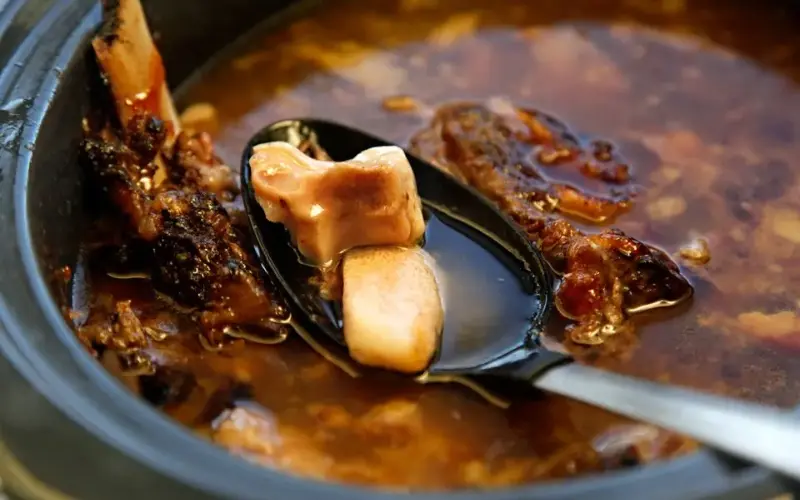
Bone broth has recently gained popularity for its numerous health benefits for humans and furry friends. If you’re wondering how to make homemade bone broth for dogs, you’ve come to the right place. This article will guide you through preparing this nutritious and delicious treat for your canine companion.
To start, you will need a few key ingredients. First and foremost, you’ll need bones. Using high-quality bones from a reputable source, such as a butcher or a local farm, is important. Chicken, beef, or turkey bones are all great options. Next, gather some vegetables like carrots, celery, and parsley. These will add flavor and additional nutrients to the broth. Lastly, don’t forget to have a large pot and filtered water.
Begin by placing the bones in the pot and covering them with water. Add the vegetables and bring the mixture to a boil. Once boiling, reduce the heat and let it simmer for several hours. This slow-cooking process allows the bones to release nutrients into the broth, making it highly beneficial for your dog’s overall health.
After simmering, remove the pot from the heat and let it cool. Once cooled, strain the broth to remove any bones or vegetable remnants. You can store the broth in airtight containers and refrigerate or freeze it for future use. When serving, warm the broth to room temperature before offering it to your dog.
Homemade bone broth can be a great addition to your dog’s diet. It is rich in nutrients such as collagen, amino acids, and minerals that promote joint health, digestion, and a shiny coat. It can also be used to entice picky eaters or to rehydrate dry food.
In conclusion, making homemade bone broth for dogs is a simple and rewarding process. Using high-quality ingredients and following the steps outlined above, you can provide your furry friend with a nutritious and delicious treat that will keep them healthy and happy. So why not give it a try and see the benefits for yourself? Your dog will thank you!
Can I Give Homemade Bone Broth to Puppies?

If you’re a dog owner, you may have heard about the benefits of bone broth for dogs. But what about puppies? Can they also enjoy this nutritious treat? The answer is yes but with some precautions.
Bone broth is a fantastic source of nutrients for dogs of all ages, including puppies. It is rich in collagen, amino acids, and minerals that promote healthy growth and development. The gelatin in bone broth supports joint health, which is especially important for growing puppies.
When making bone broth for puppies, using high-quality ingredients is crucial. Organic bones from grass-fed animals are the best choice, as they are free from antibiotics and hormones. Avoid using small bones for the puppy to swallow, as they can pose a choking hazard.
Simmer the bones in water for several hours to make bone broth. You can also add vegetables like carrots and celery for flavor and nutrition. It’s important to note that onions and garlic should be avoided, as they can be toxic to dogs.
Once the bone broth is ready, let it cool before serving it to your puppy. Start by giving small amounts and gradually increase the serving size. You can serve bone broth as a standalone treat or mix it with your puppy’s regular food to enhance its taste and nutritional value.
It’s worth mentioning that bone broth should not replace a balanced diet for your puppy. It should be used as a supplement or occasional treat. Always consult your veterinarian before introducing new food to your puppy’s diet, including bone broth.
In conclusion, homemade bone broth can be a healthy addition to your puppy’s diet. It provides essential nutrients and supports their overall health. Just remember to use high-quality ingredients and introduce them gradually. Your puppy will surely enjoy this tasty and nutritious treat!
Is Homemade Bone Broth Safe for Dogs with Allergies?
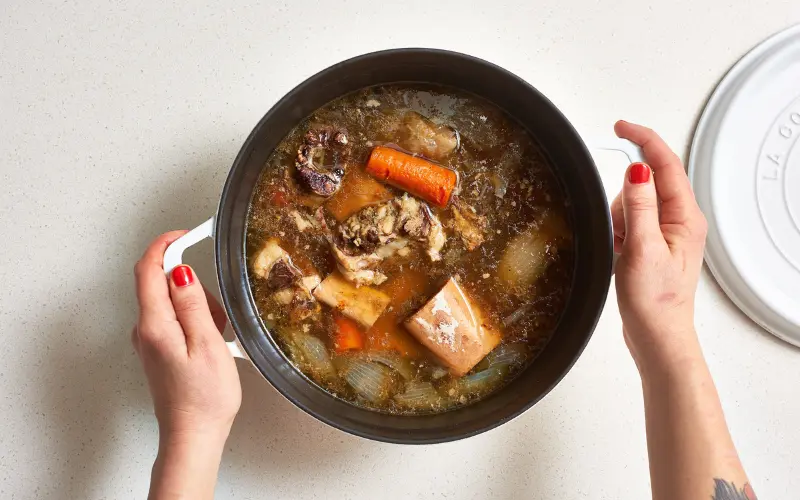
Homemade bone broth has become a nutritious addition to a dog’s diet. But what about dogs with allergies? Can they safely consume homemade bone broth? Let’s explore this question in detail.
It is important to consider the ingredients used in homemade bone broth for dogs with allergies. Traditional bone broth recipes often include ingredients like onions and garlic, which can harm dogs. However, there are alternative recipes specifically designed for dogs with allergies. These recipes typically use limited ingredients, such as bones, water, and a few safe dog vegetables.
When preparing bone broth for dogs with allergies, avoiding common allergens such as grains, dairy, and certain proteins like chicken or beef is crucial. Instead, opt for hypoallergenic ingredients like turkey or fish bones. These alternatives can provide similar nutritional benefits without triggering allergic reactions.
Homemade bone broth can benefit dogs with allergies as it contains essential nutrients like collagen, glucosamine, and chondroitin. These nutrients can help support joint health, improve digestion, and boost the immune system. Additionally, bone broth is a great source of hydration for dogs, especially those with allergies that may have a decreased appetite or difficulty drinking water.
It is important to note that homemade bone broth should not replace a balanced diet recommended by a veterinarian. It should be used as a supplement or occasional treat. If your dog has severe allergies or any underlying health conditions, it is always best to consult a veterinarian before introducing homemade bone broth into their diet.
In conclusion, homemade bone broth can be safe for dogs with allergies if prepared using allergy-friendly ingredients. It can provide numerous health benefits and serve as a tasty addition to their diet. However, it is essential to consider your dog’s specific allergies and consult with a veterinarian to ensure their safety and well-being.
Can I Use Any Bone to Make Bone Broth?

When making bone broth for dogs, choosing the right type of bone is essential. Not all bones are suitable for creating a nutritious and safe broth for your furry friend. So, can you use any bone to make bone broth? Let’s find out.
First and foremost, it’s important to avoid using cooked bones. Cooked bones can splinter and cause serious harm to your dog’s digestive system. Stick to raw bones, as they are safer and provide more nutrients.
Another factor to consider is the source of the bones. It’s best to use bones from organic, grass-fed animals. These bones are free from antibiotics and hormones, ensuring a healthier and more natural broth for your dog.
You can use various options when it comes to the type of bones. Beef bones, such as marrow, knuckle, or oxtail, are popular. They are rich in collagen, which is beneficial for joint health.
If you prefer poultry bones, chicken or turkey carcasses are excellent choices. They are packed with minerals and nutrients supporting your dog’s overall well-being.
Lamb bones can also be used but tend to have a stronger flavor. If your dog enjoys lamb, it can be a great addition to their bone broth.
Remember always to supervise your dog while they are enjoying bone broth. Some dogs may become possessive or aggressive regarding bones, so ensuring their safety is important.
In conclusion, not all bones are suitable for making bone broth for dogs. Stick to raw bones from organic, grass-fed animals, and avoid using cooked bones. Beef, poultry, and lamb bones are all viable options, providing different flavors and nutrients. You can create a delicious and nutritious bone broth for your beloved canine companion by choosing the right bones.
How Often Should I Give Bone Broth to My Dog?
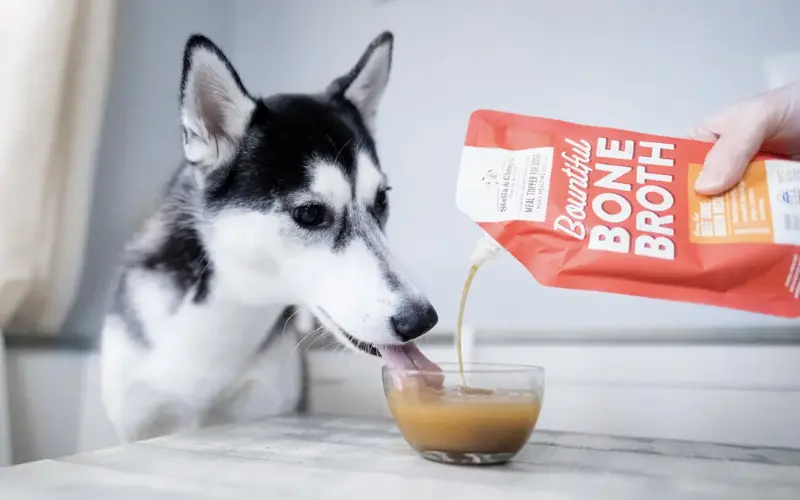
Bone broth has gained popularity as a nutritious addition to a dog’s diet. Packed with essential nutrients and minerals, it can provide numerous health benefits for your furry friend. But how often should you give bone broth to your dog? Let’s explore this question in detail.
First and foremost, it’s important to note that bone broth should be given as a supplement to your dog’s regular meals. It should not replace their main diet. As a general guideline, you can offer bone broth to your dog 1-2 times a week. This frequency ensures that your dog receives the benefits of bone broth without overdoing it.
However, the frequency of consumption of bone broth may vary depending on your dog’s needs. If your dog has specific health issues or dietary requirements, it’s best to consult a veterinarian to determine the appropriate frequency of bone broth intake.
When giving bone broth to your dog, it’s crucial to use homemade bone broth or high-quality store-bought options. Avoid using commercially processed broths containing additives or preservatives harmful to your dog’s health.
It’s also essential to monitor your dog’s reaction to bone broth. While most dogs tolerate bone broth well, some may experience digestive issues such as diarrhea or upset stomach. If you notice any adverse reactions, it’s best to discontinue using bone broth and consult with your veterinarian.
In conclusion, bone broth can be a healthy addition to your dog’s diet. By offering it 1-2 times a week, you can ensure your dog receives the benefits of this nutritious supplement. Remember to use homemade or high-quality store-bought bone broth and monitor your dog’s reaction. With proper care, bone broth can contribute to your dog’s overall well-being.
Can I Freeze Homemade Bone Broth for Dogs?
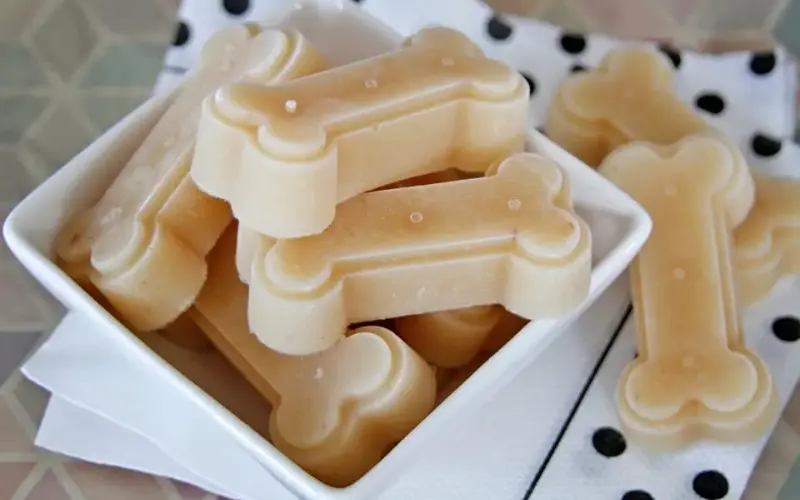
Bone broth has gained popularity as a nutritious addition to a dog’s diet. It is packed with essential nutrients and can provide numerous health benefits. But what if you make a large batch of homemade bone broth? Can you freeze it for later use? Let’s find out.
Freezing homemade bone broth for dogs is possible and a convenient way to ensure you always have a fresh supply. When properly stored, frozen bone broth can retain its nutritional value and flavor for several months.
To freeze the homemade bone broth, let it cool completely. Once cooled, transfer the broth to airtight containers or ice cube trays. If using containers, leave some headspace to allow for expansion during freezing. For ice cube trays, fill each compartment with broth and cover with plastic wrap before placing them in the freezer.
Doing it gradually in the refrigerator when thawing frozen bone broth is best. This will prevent any potential bacterial growth and maintain the quality of the broth. Alternatively, you can melt it by placing the container in a bowl of warm water.
Once thawed, you may notice that the texture of the bone broth has changed slightly. This is normal and does not affect its nutritional value. Simply give it a good stir before serving it to your furry friend.
It’s important to note that while freezing homemade bone broth is safe, it is best to use it within three to four months for optimal freshness. Always label your containers with the date to track when they were frozen.
In conclusion, freezing homemade bone broth for dogs is a great way to ensure a constant supply of this nutritious treat. Remember to cool it completely, store it properly, and use it within a few months for the best results. Your dog will thank you for the delicious and healthful addition to their diet.
Can I Add Vegetables to Homemade Bone Broth for Dogs?
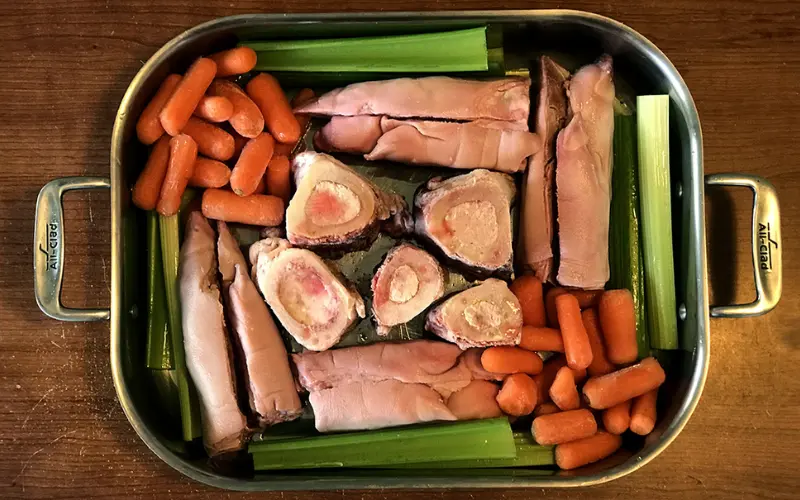
Many pet owners wonder if they can add vegetables to homemade bone broth for dogs. The answer is yes, you can! Adding vegetables to your dog’s bone broth can provide additional nutrients and flavor to benefit their health.
One of the key benefits of adding vegetables to homemade bone broth is the added vitamins and minerals they contain. Vegetables like carrots, sweet potatoes, and peas are rich in essential nutrients such as vitamin A, vitamin C, and fiber. These nutrients can support your dog’s immune system, promote healthy digestion, and improve overall well-being.
Not only do vegetables add nutritional value to the bone broth, but they also enhance the flavor. Dogs can be picky eaters, so adding vegetables can entice them to enjoy their broth even more. The natural sweetness of carrots and sweet potatoes can make the broth more appealing to your dog’s taste buds.
When adding vegetables to homemade bone broth, it’s important to cook them thoroughly to ensure they are soft and easily digestible for your dog. You can chop the vegetables into small pieces or puree them before adding them to the broth. This will make it easier for your dog to consume and digest the vegetables.
It’s worth noting that not all vegetables are safe for dogs. Avoid adding onions, garlic, and mushrooms to your dog’s bone broth, as these can be toxic. Stick to dog-friendly vegetables and consult your veterinarian if you have any concerns.
In conclusion, adding vegetables to homemade bone broth for dogs is a great way to boost its nutritional value and flavor. Use dog-friendly vegetables and cook them thoroughly before adding them to the broth. Your furry friend will surely appreciate the extra goodness in their bowl!
Firstly, we explored the numerous benefits of homemade bone broth for dogs. From promoting joint health and digestion to boosting the immune system, bone broth is a nutritious and delicious treat for our canine companions. It is packed with essential minerals and nutrients that support overall well-being.
Next, we delved into making homemade bone broth for dogs. Simmering bones for an extended period can extract all the valuable nutrients and flavors. It is important to use high-quality bones from a trusted source and avoid adding harmful seasoning or ingredients.
We also addressed common concerns, such as whether puppies can consume bone broth and if dogs with allergies can safely enjoy it. While bone broth can benefit puppies, consulting a veterinarian for proper portion sizes is crucial. Homemade bone broth can be a safe and nutritious alternative to store-bought options for dogs with allergies, as long as the allergens are avoided.
Furthermore, we discussed the frequency of feeding bone broth to dogs and the option to freeze it for future use. Offering bone broth as an occasional treat or as a supplement to their regular diet is recommended. Freezing bone broth in individual portions can make it convenient and easily accessible.
Lastly, we discussed the possibility of adding vegetables to homemade bone broth. While some vegetables can be beneficial, it is essential to research which ones are safe for dogs and avoid any toxic options.
In the ever-evolving world of pet nutrition, homemade bone broth for dogs continues to gain popularity. As more research is conducted, we may discover more benefits and innovative ways to incorporate bone broth into our pets’ diets.
Conclusion
In conclusion, homemade bone broth for dogs is a beneficial addition to their diet throughout this post, we have discussed the various benefits of homemade bone broth, how to make it, and important considerations when feeding it to your furry friend.