

Grass-Fed Guardians: Sustainable Beef Talk
Have you ever wondered what goes into producing the food we eat? How about the impact our food choices have on the environment? These are questions that many adults grapple with, but what if I told you that middle schoolers are already talking about these topics? Kids today are becoming more aware of the importance of grass-fed beef and sustainable farming practices.
In recent years, there has been a growing movement towards sustainable agriculture, emphasizing grass-fed beef. Unlike conventionally raised cattle, grass-fed cows can roam freely and graze on natural grasses. This not only leads to healthier animals but also positively impacts the environment. By choosing grass-fed beef, we can support farmers prioritizing sustainable farming practices and contributing to a more sustainable food system.
But why are middle schoolers talking about this? It’s because they understand the importance of making informed choices about the food they consume. They know that by choosing grass-fed beef, they support sustainable farming and promote animal welfare. They know the environmental benefits and are eager to make a difference.
This series will dive deep into grass-fed beef and sustainable farming. We will explore topics such as the benefits of grass-fed beef, the impact of conventional farming practices, and the role of sustainable agriculture in addressing climate change. We will also hear from middle schoolers passionate about these issues and learn from their experiences and insights.
So, join us on this journey as we uncover the world of grass-fed beef and sustainable farming through the eyes of middle schoolers. Get ready to be inspired and empowered by the next generation who truly understands the importance of making sustainable choices for a better future.
What Is Grass-Fed Beef?
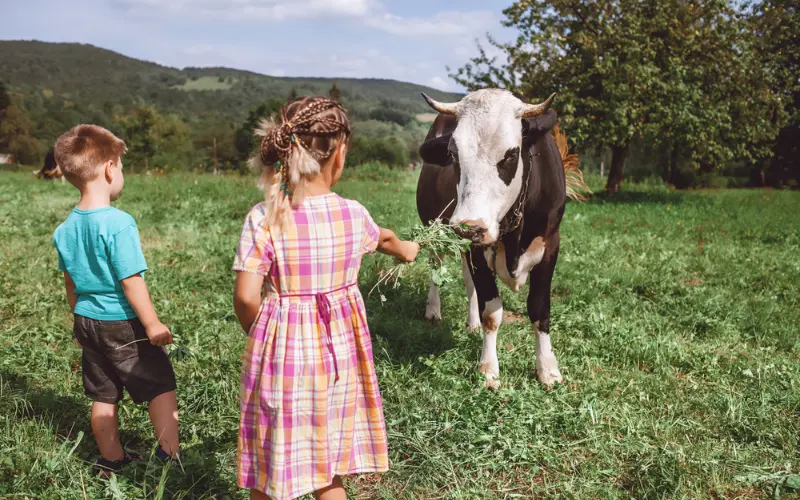
Grass-fed beef has become a popular topic among middle schoolers passionate about sustainable farming and understanding where their food comes from. But what exactly is grass-fed meat, and why is it important?
Grass-fed beef refers to cattle raised on a diet consisting mainly of grass and other forage rather than grains like corn or soy. This type of farming promotes a more natural and sustainable approach to raising livestock. Unlike conventional feedlot operations, where cattle are confined and fed a grain-based diet, grass-fed cows can roam freely and graze on open pastures.
There are several benefits to consuming grass-fed beef. Firstly, it is generally leaner and contains less fat than grain-fed beef. This can be attributed to grass-fed cows having a more active lifestyle and a lower-calorie diet. Additionally, grass-fed beef tends to have higher omega-3 fatty acids, essential for brain development and overall health.
From an environmental standpoint, grass-fed beef production has a lower carbon footprint than conventional methods. Cattle grazing on open pastures helps maintain healthy soil, reduces the need for synthetic fertilizers, and promotes biodiversity.
For middle schoolers interested in sustainable farming, grass-fed beef is an important topic. Understanding the benefits of grass-fed beef and supporting farmers who practice sustainable farming methods can contribute to a more environmentally friendly and ethical food system.
What Are the Benefits of Grass-Fed Beef?
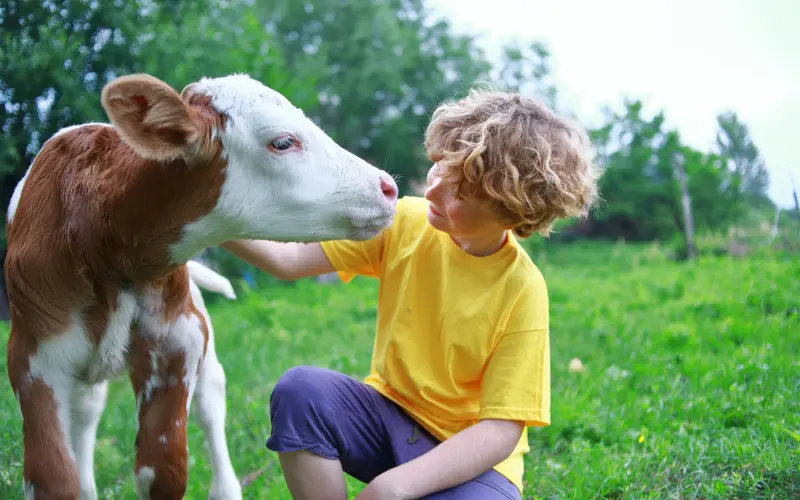
Grass-fed beef has become a popular discussion topic among middle schoolers concerned about sustainable farming practices and the impact of their food choices on the environment. But what exactly are the benefits of choosing grass-fed beef over conventionally raised beef?
One of the main advantages of grass-fed beef is its nutritional profile. Grass-fed beef is typically leaner and contains higher omega-3 fatty acids, essential for brain development and overall health. It also tends to have higher levels of vitamins and minerals, including vitamin E, B vitamins, and antioxidants. This makes grass-fed beef a healthier choice for growing bodies.
Another benefit of grass-fed beef is its impact on the environment. Cattle on pasture have a lower carbon footprint than those grown in feedlots. They help promote biodiversity by grazing on natural grasses and contribute to soil health. Grass-fed farming practices also reduce the need for synthetic fertilizers and pesticides, making it a more sustainable option.
Additionally, grass-fed beef is often considered to have a better flavor and texture than conventionally raised beef. The animals have a more natural diet, which can result in a richer, more complex taste. Many people also appreciate the fact that grass-fed beef comes from animals that have been raised more humanely and ethically.
How Is Grass-Fed Beef Different from Conventional Beef?
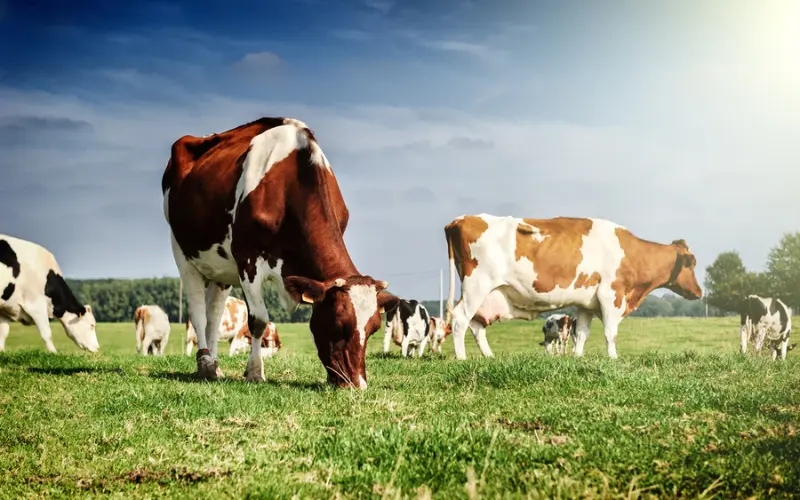
Grass-fed and conventional beef may look similar, but the two have several key differences. Understanding these differences is important, especially for middle schoolers interested in sustainable farming and the impact of their food choices.
One of the main differences between grass-fed beef and conventional beef is the animals’ diet. Grass-fed cattle are raised on a diet consisting mainly of grass and other foraged plants. On the other hand, traditional cattle are typically fed a diet of grains, such as corn and soy. This difference in diet affects the nutritional composition of the meat.
Grass-fed beef is generally lower in total fat and calories than conventional meat. It also contains higher omega-3 fatty acids, which benefit heart health. Additionally, grass-fed beef has higher levels of certain vitamins and minerals, including vitamin E, beta-carotene, and conjugated linoleic acid (CLA).
Another difference between grass-fed and conventional beef is the farming practices used. Sustainable farming methods are often employed in the production of grass-fed beef. This includes rotational grazing, where cattle are moved to different pastures to allow the grass to regenerate. It also involves avoiding the use of hormones and antibiotics.
In contrast, conventional beef production often involves using hormones and antibiotics to promote growth and prevent disease. The animals are typically confined to feedlots, fed a diet high in grains to fatten them up quickly.
Middle schoolers can support sustainable farming practices by choosing grass-fed beef and positively impacting the environment. They can also enjoy the health benefits of grass-fed meat, such as lower fat content and higher levels of beneficial nutrients.
Why Is Sustainable Farming Important?
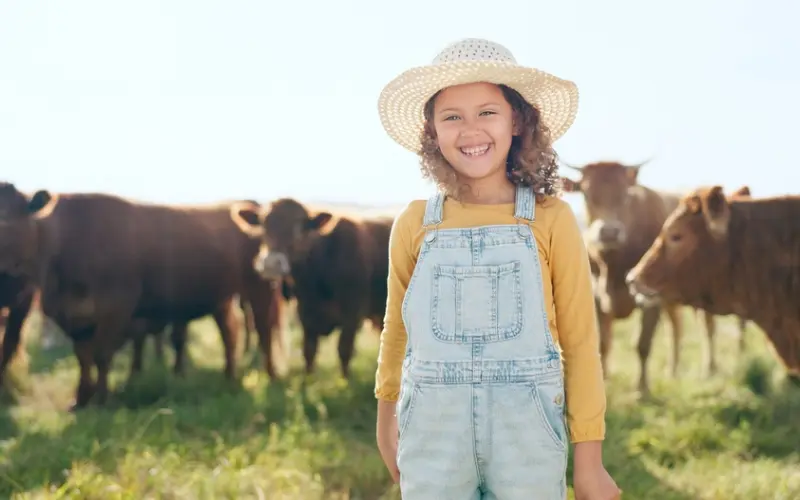
Sustainable farming has become an increasingly important topic in recent years, and for a good reason. It not only benefits our health and the environment but also ensures the well-being of future generations. Kids are now starting to understand the significance of sustainable farming practices, including the importance of grass-fed beef. Let’s explore why sustainable farming is crucial for our planet.
One of the main reasons why sustainable farming is important is because it promotes environmental conservation. Traditional farming methods often involve using harmful chemicals and pesticides that can contaminate the soil and water sources. In contrast, sustainable farming practices focus on organic and natural forms, reducing the negative impact on the environment. This helps to preserve biodiversity and protect natural habitats.
Sustainable farming also plays a vital role in ensuring the health and well-being of consumers. Grass-fed beef, for example, is known to be more nutritious and healthier than conventionally raised beef. Grass-fed cattle can roam freely and graze on natural grass, producing leaner meat and higher essential nutrients. Kids can positively impact their health by choosing grass-fed beef and supporting sustainable farming practices.
Furthermore, sustainable farming practices prioritize animal welfare. Animals raised on sustainable farms are given ample space to move around and engage in natural behaviors. They are not subjected to overcrowded and stressful conditions commonly found in factory farms. By supporting sustainable farming, kids can contribute to the well-being of animals and promote ethical treatment.
What Is Organic Farming?
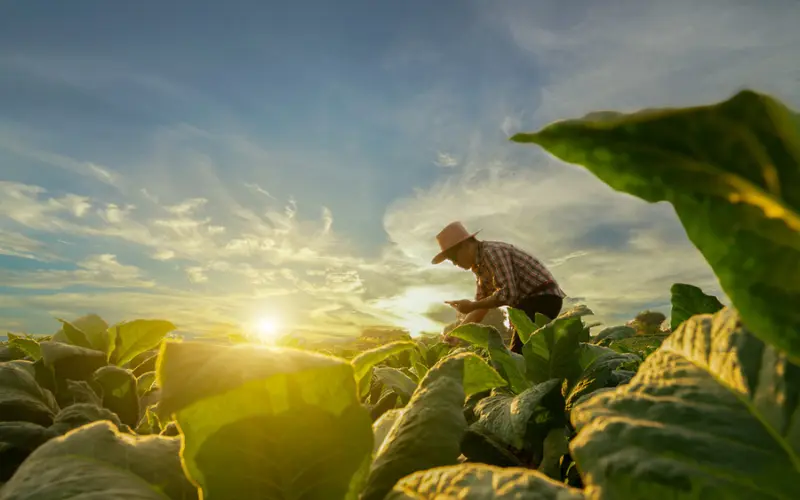
You may have heard of organic farming before, but do you know what it means? Organic agriculture is growing crops and raising animals without synthetic chemicals, such as pesticides and fertilizers. Instead, organic farmers rely on natural ways to maintain the health of their soil and crops.
One of the main goals of organic farming is to promote sustainability. This means that organic farmers strive to create a system that can be maintained indefinitely without causing harm to the environment. They focus on practices that conserve water, reduce pollution, and protect biodiversity.
So, what does this have to do with grass-fed beef? Well, grass-fed beef is a product of sustainable farming. Grass-fed cows can roam freely and graze on natural grasses instead of being raised in feedlots and fed a grain diet. This not only improves the welfare of the animals but also reduces the environmental impact of beef production.
Middle schoolers like you can positively impact the environment by choosing grass-fed beef and supporting sustainable farming practices. Not only does it help reduce greenhouse gas emissions, but it also supports local farmers who are committed to ethical and sustainable practices.
How Does Sustainable Farming Help the Environment?
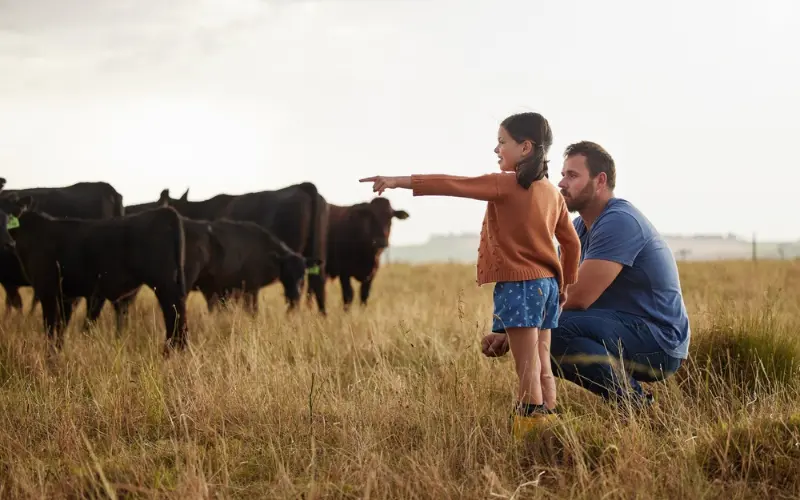
Sustainable farming is a crucial practice that benefits our health and plays a significant role in preserving the environment. By adopting sustainable farming methods, we can ensure the long-term viability of our food production while minimizing the negative impact on our planet.
One of the key ways sustainable farming helps the environment is by promoting soil health. Unlike conventional farming methods that rely heavily on chemical fertilizers and pesticides, sustainable agriculture focuses on building healthy soil naturally. This includes practices such as crop rotation, cover cropping, and composting. By nourishing the soil, sustainable farming enhances its ability to retain water, prevent erosion, and support diverse ecosystems.
In addition to soil health, sustainable farming also prioritizes water conservation. Farmers can reduce water waste and minimize the strain on local water sources through drip irrigation and rainwater harvesting. This is particularly important in areas where water scarcity is a pressing issue. By using water more efficiently, sustainable farming helps to preserve this precious resource for future generations.
Furthermore, sustainable farming practices contribute to biodiversity conservation. By avoiding harmful chemicals, sustainable farmers create a healthier habitat for wildlife, including pollinators like bees and butterflies. This, in turn, helps to maintain a balanced ecosystem and supports the overall health of our planet.
Sustainable farming is a win-win solution for our health and the environment. By adopting these practices, we can ensure the availability of nutritious food while minimizing the negative impact on our planet. It is crucial for us, as responsible consumers, to support sustainable farming and make conscious choices that benefit both ourselves and the environment.
What Are the Benefits of Sustainable Farming?
Sustainable farming is an important topic that is gaining attention, even among middle schoolers. As kids get it, they understand the importance of grass-fed beef and sustainable farming practices. But what exactly are the benefits of sustainable farming?
One of the main benefits of sustainable farming is the preservation of the environment. By using practices that minimize the use of chemicals and promote biodiversity, sustainable farmers help protect the land and water resources. This benefits the ecosystem and ensures the long-term viability of farming.
Another benefit is the improvement of animal welfare. Sustainable farmers prioritize the well-being of their livestock, providing them with access to pasture and ensuring they are not subjected to overcrowded or stressful conditions. This results in healthier and happier animals, leading to better-quality meat.
Grass-fed beef, a key component of sustainable farming, has its own set of benefits. Grass-fed cattle are raised on a natural grass diet, resulting in leaner meat and higher omega-3 fatty acids. This type of beef also has a lower environmental impact than conventional grain-fed beef.
Sustainable farming practices also support local economies. Sustainable farmers contribute to the local economy and create jobs by focusing on small-scale, community-based farming. This helps to strengthen communities and reduce reliance on imported food.
How Can Kids Support Sustainable Farming?
Sustainable farming is a topic that is gaining more and more attention, and it’s not just adults who are getting involved. Kids, especially middle schoolers, are becoming more aware of the importance of sustainable farming practices and their environmental impact. So, how can kids support sustainable farming?
One way is by learning about where their food comes from. Kids can start by understanding the difference between conventional farming and sustainable farming. They can learn about the benefits of grass-fed beef and how it is better for the environment and their health. By understanding the importance of sustainable farming, kids can make informed choices about their food and support farmers who use sustainable practices.
Another way kids can support sustainable farming is by getting involved in their community. They can join or start a school garden club to learn about growing their food using sustainable methods. They can also volunteer at local farms or farmers’ markets, where they can see firsthand how sustainable farming practices are being implemented. By getting involved in their community, kids can make a difference and help promote sustainable farming practices.
Additionally, kids can support sustainable farming by advocating for change. They can write letters to their local government officials, urging them to support policies that promote sustainable agriculture. They can also educate their friends and family about the importance of sustainable agriculture and encourage them to make sustainable food choices.
Kids need to understand the importance of sustainable farming and be actively involved in supporting it. Educating themselves and their peers can spread awareness and encourage others to make sustainable choices. Whether supporting local farmers, choosing organic products, or reducing food waste, kids can play a significant role in promoting sustainable farming practices.
Conclusion
“Kids get it middle schoolers talk about Grass-fed Beef and sustainable farming” is a crucial topic highlighting the importance of making sustainable choices and supporting environmentally friendly practices. We thank you for taking the time to read this post, and we encourage you to leave any comments or feedback. Together, we can positively impact our food system and the environment. Kids have the power to support sustainable farming in various ways. By learning about where their food comes from, getting involved in their community, and advocating for change, kids can make a difference and help create a more sustainable future. So, let’s empower our kids to support sustainable farming and make a positive impact on the environment.
