

Can Dogs Eat Caramel? Understanding the Risks and Benefits
When treating our beloved canine companions, many questions arise about what’s safe and healthy for them to consume. One common query dog owners often have is, “Can dogs eat caramel?” This article provides a detailed guide on whether caramel is safe for dogs and what precautions you should take to ensure your furry friend’s well-being.
What is Caramel?
Before delving into whether dogs can eat caramel, it’s essential to understand it. Caramel is a sweet confection made by heating sugar until it melts and turns brown. It’s often used as a topping, filling, or flavoring in various desserts, candies, and beverages. Caramel can come in different forms, including liquid, solid, and powder.
Can Dogs Eat Caramel in Moderation?
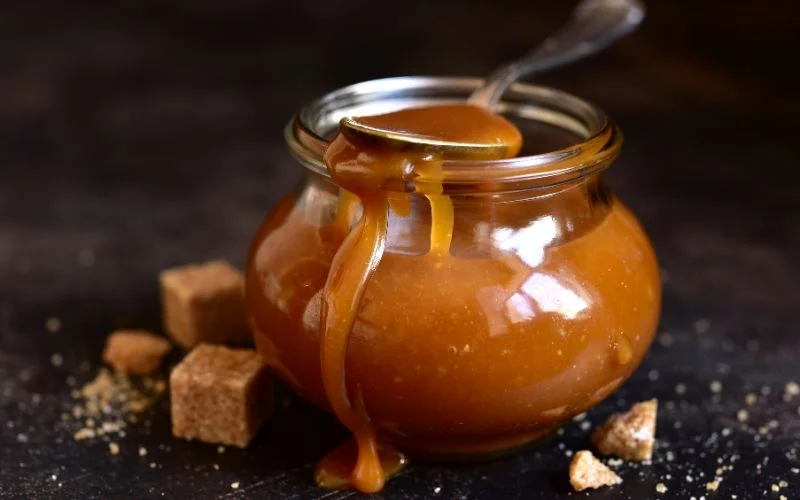
While caramel isn’t recommended for dogs, very small amounts on rare occasions may not harm your pet. However, there are crucial considerations:
Portion Control
If you decide to allow your dog a taste of caramel, it’s vital to exercise strict portion control. While moderation is key, it’s essential to understand that even a small amount of caramel can be problematic for your canine companion.
- Avoid Overindulgence: Dogs have a much smaller body size and different metabolic processes than humans. Even a tiny bit of caramel can represent a significant amount of sugar for them. It’s easy to underestimate the impact of sugar on a dog’s health.
- How Much is Too Much?: A lick or two of caramel should suffice if you want to let your dog have a tiny treat. Larger quantities should be avoided altogether. Remember that it’s always safer to err on the side of caution regarding your pet’s health.
- Know Your Dog’s Limits: Every dog is unique, and their tolerance for certain foods can vary. Pay close attention to your dog’s reaction to caramel. If you notice any adverse effects, such as digestive upset or changes in behavior, it’s best to discontinue offering caramel entirely.
Sugar-Free Alternatives
Consider sugar-free caramel options or those sweetened with dog-safe ingredients like honey or molasses. Still, be cautious with artificial sweeteners like xylitol, as they are toxic to dogs.
Monitor for Allergic Reactions
Keep a close eye on your dog after they consume caramel for any signs of an allergic reaction, such as vomiting, diarrhea, or unusual behavior. If any adverse reactions occur, contact your veterinarian immediately.
Is Caramel Bad for Dogs? 5 Health Risks of Caramel for Dogs

Caramel is not a healthy addition to your dog’s diet, and you should not offer your
furry friend these sugary treats. Feeding your dog caramels can lead to short-term and long-term effects like:
Sugar Overload
Caramel is loaded with sugar, and dogs don’t process sugar as effectively as humans do. Excessive sugar consumption can lead to weight gain, insulin resistance, and an increased risk of diabetes in dogs. It’s essential to be cautious about feeding your furry friend foods high in sugar, such as caramel.
Choking Hazard
Solid caramel candies can present a choking hazard to dogs, especially if they attempt to swallow them without chewing properly. Choking incidents can be life-threatening and require immediate intervention. Therefore, keeping caramel candies out of your dog’s reach is advisable.
Potential Toxic Ingredients
Some caramel recipes may contain toxic dog ingredients like chocolate or artificial sweeteners like xylitol. Chocolate, in particular, is known to be highly toxic to dogs and can lead to severe health issues. Always check the ingredients of any caramel product before offering it to your pet.
Dental Problems
Caramel’s sticky nature can adhere to your dog’s teeth, promoting the growth of harmful bacteria and contributing to dental issues like cavities and gum disease. Regular consumption of sugary foods like caramel can lead to poor oral health in dogs.
Digestive Distress
Caramel’s high sugar content and artificial additives can disrupt your dog’s digestive system, potentially causing symptoms such as diarrhea, vomiting, and abdominal discomfort. These digestive issues can be uncomfortable and harmful to your pet’s overall well-being.
While sharing your sweet treats with your dog may be tempting, prioritizing their health and safety is essential. Given the potential health risks associated with caramel, it’s generally best to avoid giving caramel to your canine companion. Instead, opt for dog-friendly treats and snacks to meet their dietary needs.
Conclusion
Caramel is primarily composed of sugar, which can lead to obesity, diabetes, dental problems, and digestive distress in dogs if consumed in excess. Some caramel products may contain toxic ingredients like chocolate or artificial sweeteners, posing even greater risks to your pet’s health.
Furthermore, solid caramel candies can present a choking hazard to dogs, and caramel’s sticky nature can contribute to dental issues. Given these potential health risks, avoiding caramel with your canine companion is generally best.
FAQs
1. Can dogs eat caramel popcorn?
It’s best to avoid giving your dog caramel popcorn. Combining caramel and popcorn can be a choking hazard, and the sugar content is unsuitable for their health.
2. Is caramel sauce safe for dogs?
Caramel sauce, especially if homemade, can contain ingredients harmful to dogs, such as chocolate or artificial sweeteners. It’s better to steer clear of giving your dog any caramel sauce.
3. Can dogs eat caramel apples?
Caramel apples are a definite no-no for dogs. Combining caramel, sugar, and potentially harmful toppings like chocolate or nuts can harm your pet’s health.
