

Puppy Growth Food: Fueling Your Furry Friend’s Journey
They say that a dog is a man’s best friend, and when it comes to puppies, that bond is formed from the very beginning. As a new puppy owner, you want to ensure that your furry friend gets the best start in life, starting with their nutrition. Enter puppy growth food – a vital component in nourishing your pup’s development and setting them up for a healthy and happy adulthood. Choosing the right food for your growing puppy directly impacts their health and well-being.
Puppy Growth Food
Puppy growth food is specially formulated to meet the unique nutritional needs of young dogs, providing them with the essential nutrients they require during this critical stage of their lives. These nutrients include proteins for muscle development, carbohydrates for energy, vitamins and minerals for overall growth, and immune system support. But with so many options available on the market, how do you know which puppy growth food is the best fit for your four-legged companion? Factors such as breed, size, and specific dietary requirements all play a role in determining the ideal food for your pup. Consulting with your veterinarian can help you navigate through the maze of choices and find the perfect balance of nutrients tailored to your puppy’s individual needs.
Best Puppy Growth Food
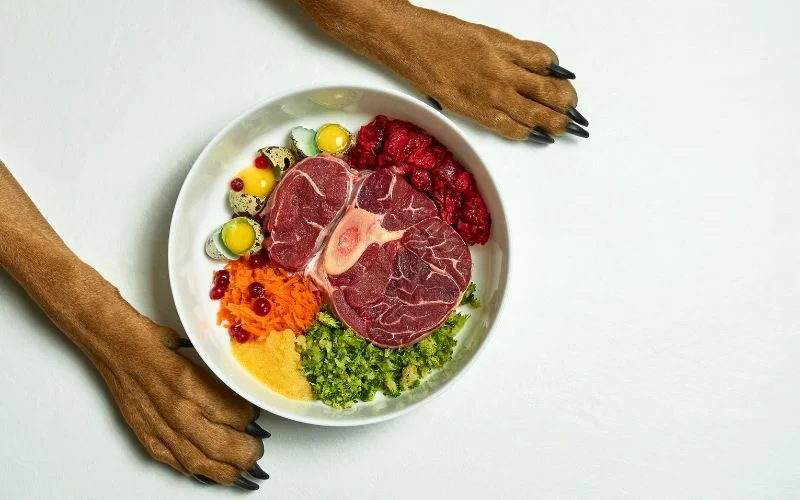
When it comes to ensuring the healthy growth and development of your puppy, choosing the right food is crucial. The best puppy growth food provides all the essential nutrients in the right proportions. With so many options available in the market, it can be overwhelming to make the right choice.
Key Factors
- Nutritional: First and foremost, it is important to choose a puppy growth food that is specifically formulated for their nutritional needs. Look for labels that mention “puppy” or “growth” to ensure that the food is designed to meet the requirements of young dogs. These formulas are usually higher in calories and contain the right balance of proteins, fats, and carbohydrates to support healthy growth.
- Protein: It is an essential component of a puppy’s diet as it helps in muscle development. Look for puppy growth foods that list high-quality protein sources like chicken, beef, or fish as the main ingredient. Avoid foods that contain excessive fillers or by-products, as these may not provide the necessary nutrients.
- Carbohydrates: Carbohydrates are another important source of energy for puppies. Look for foods that contain whole grains like brown rice or oats, as these provide a slow and steady release of energy. It is always a good idea to consult your veterinarian before changing your puppy’s diet. They can provide personalized recommendations based on your puppy’s breed, size, and specific needs.
When Should I Start Feeding My Puppy Growth Food?
Puppy growth food is an essential part of your furry friend’s diet. It provides the necessary nutrients and calories to support their rapid growth and development. But when is the right time to start feeding them this specialized food? Ideally, it would be best to begin introducing puppy growth food when your furry friend is around four to six weeks old. At this stage, they are starting to wean off their mother’s milk and are ready to explore solid foods. It’s important to choose a high-quality puppy growth food specifically formulated to meet their nutritional needs.
First Few Months
During the first few months, your puppy will experience a significant growth spurt. Their bones, muscles, and organs are rapidly developing, and they require a diet that supports this growth. Puppy growth food is designed to provide the right balance of protein, fat, and carbohydrates to fuel their development.
Growth Food
As your puppy continues to grow, their nutritional needs will change. It would be best if you gradually transitioned them to adult dog food around the age of one year. This ensures that they receive the appropriate nutrients for their age and size. When selecting puppy growth food, look for high-quality ingredients such as real meat, whole grains, and vegetables. Avoid foods that contain artificial preservatives, flavors, or fillers. It’s also important to consult with your veterinarian to determine the best feeding schedule and portion sizes for your specific puppy.
How Much Puppy Growth Food Should I Feed My Puppy?
Feeding your puppy the right amount of growth food is crucial for their overall health and development.
Key Factors
- Consider your puppy’s age. Puppies have different nutritional needs at each stage of their growth. During the first few weeks, they rely on their mother’s milk for nourishment. However, as they transition to solid food, it’s important to provide them with a balanced diet.
- The breed of your puppy also plays a role in determining the amount of growth food they need. Larger breeds may require more food compared to smaller breeds. This is because larger breeds have a higher metabolic rate and need more calories to support their growth.
- It’s always a good idea to consult with your veterinarian to determine the specific nutritional needs of your puppy. They can provide personalized recommendations based on your puppy’s breed, age, and activity level.
Can I Mix Puppy Growth Food with Wet Food?

Mixing puppy growth food with wet food can be a good option for several reasons. Firstly, it can help to enhance the taste and texture of the food, making it more appealing to your puppy. This is especially useful if your puppy is a picky eater. Additionally, mixing wet food with dry kibble can help to soften it, making it easier for your puppy to chew and digest.
However, it’s important to note that not all wet foods are created equal. You should choose a high-quality wet food that is specifically formulated for puppies. Look for options that contain real meat as the first ingredient, and avoid those that are high in fillers or artificial additives.
What Are the Key Nutrients in Puppy Growth Food?
Puppy growth food plays a crucial role in ensuring the healthy development of your furry friend. As a responsible dog owner, it’s important to understand the key nutrients that should be present in their diet during this critical stage of growth.
Protein
Protein is an essential nutrient for puppies as it supports muscle development and overall growth. Look for high-quality protein sources like chicken, beef, or fish in your puppy’s food. These proteins provide the building blocks for strong muscles and help maintain a healthy immune system.
Fat
Fat is another important nutrient for puppies. It provides energy and aids in the absorption of fat-soluble vitamins. Look for healthy fat sources, such as chicken fat or fish oil, to ensure your puppy receives the necessary fatty acids for brain development and a shiny coat.
Carbohydrates
Carbohydrates are a source of energy for active puppies. Look for complex carbohydrates like brown rice or sweet potatoes, which provide a steady release of energy throughout the day. Avoid foods with excessive amounts of simple carbohydrates, such as corn or wheat, as they can lead to weight gain and digestive issues.
Vitamins and Minerals
Vitamins and minerals are crucial for a puppy’s overall health and well-being. Look for foods fortified with essential vitamins and minerals like calcium, phosphorus, and vitamin D for strong bones and teeth. Additionally, antioxidants like vitamin E and selenium help support a puppy’s developing immune system.
Homemade Puppy Growth Food
When it comes to the growth and development of your puppy, nutrition plays a crucial role. The right food is essential to ensure your furry friend grows into a healthy and happy adult dog. While there are numerous commercial puppy growth foods available in the market, some pet owners wonder if they can make homemade puppy growth food.
When preparing homemade puppy growth food, it is important to include a balance of protein, carbohydrates, fats, vitamins, and minerals. Protein is especially important for muscle development, so include lean meats such as chicken, turkey, or beef in your recipe. Carbohydrates can be sourced from whole grains like brown rice or quinoa. Healthy fats can come from sources like fish oil or flaxseed oil. Incorporating fruits and vegetables into your puppy’s diet can provide essential vitamins and minerals. However, it’s important to note that not all fruits and vegetables are safe for dogs. Avoid toxic foods like grapes, onions, and avocados. Stick to secure options like carrots, sweet potatoes, and blueberries.

Conclusion
The right nutrition for your growing puppy is a vital step in ensuring their health and well-being. “Puppy Growth Food” is more than just a keyword; it represents your commitment to providing your furry friend with the best start in life. By focusing on high-quality puppy growth food, you’re giving your puppy the essential nutrients they need to develop into a healthy and happy adult dog. Remember to consult with your veterinarian to tailor a diet plan that suits your puppy’s specific needs, and always monitor their growth and health closely. With the right food and care, you’ll set the foundation for a lifetime of love and companionship with your canine companion.
