

High Protein Dog Food: Fueling Your Furry Friend’s Health
When it comes to our beloved four-legged companions, we want nothing but the best for them. We strive to provide a diet that satisfies their taste buds and promotes their overall health and vitality.
That is why high-protein dog food has become increasingly popular among pet owners seeking to optimize their furry friend’s nutrition.
Protein is an essential nutrient for dogs as it plays a crucial role in their growth, development, and overall well-being.
Like humans, dogs require a balanced diet with enough protein to support their muscles, organs, and immune system.
Protein is a slow-burning fuel source that releases energy gradually throughout the day. This can be especially beneficial for active dogs or those participating in agility training or other physically demanding activities.
Additionally, high-protein dog food can help support a healthy weight for your pet. Protein has been found to promote satiety, keeping your dog feeling fuller for longer periods. This can prevent overeating and unnecessary weight gain, reducing the risk of obesity-related health issues.
Furthermore, high-protein dog food can contribute to a shiny coat, strong nails, and healthy skin. Protein is essential for the production of keratin, a key component of these external features.
Providing your dog with a protein-rich diet can help them maintain a lustrous coat and overall radiant appearance.
You can ensure your dog leads a happy and fulfilling life by providing the necessary protein to support their growth, energy levels, and overall health. So why wait? Start exploring the world of high-protein food and give your furry friend the nutrition they deserve.
What Are the Benefits of High Protein Dog Food?
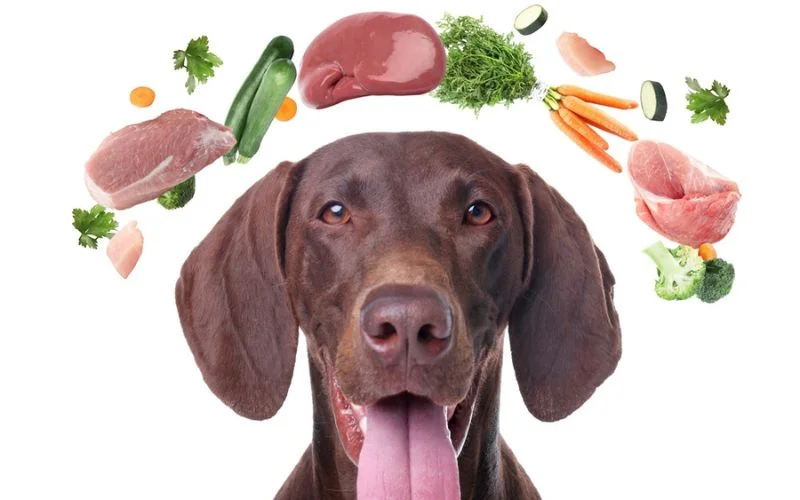
Recently, -high-protein dog food has become increasingly popular among pet owners. This type of food is specially formulated to provide dogs with the essential nutrients they need to thrive.
But what are the specific benefits of high-protein dog food? Let’s take a closer look. One of the main benefits of high-protein dog food is that it supports muscle growth and development.
Protein is essential for building and repairing tissues and maintaining strong muscles. You can help your dog maintain a healthy and active lifestyle by providing a high-protein diet.
In addition to muscle growth, high-protein dog food promotes healthy skin and coat. Protein is necessary to produce keratin, the main structural component of hair and nails.
By ensuring your dog gets enough protein in their diet, you can help them maintain a shiny and lustrous coat.
Furthermore, high-protein dog food can help boost your dog’s immune system. Protein is necessary to produce antibodies, vital in fighting infections and diseases. Feeding your dog a protein-rich diet can help strengthen their immune system and keep them healthy.
Another benefit of high-protein dog food is that it can manage weight. Protein has been found to increase satiety, which can help your dog feel fuller for longer. This can be particularly beneficial for dogs needing to lose or maintain a healthy weight.
Overall, high-protein dog food offers numerous benefits for your furry friend. From supporting muscle growth and development to promoting healthy skin and coat and boosting the immune system, it is clear that a high-protein diet can greatly contribute to your dog’s overall well-being.
So, consider incorporating high-protein dog food into your pet’s diet and watch them thrive.
How Much Protein Does My Dog Need?
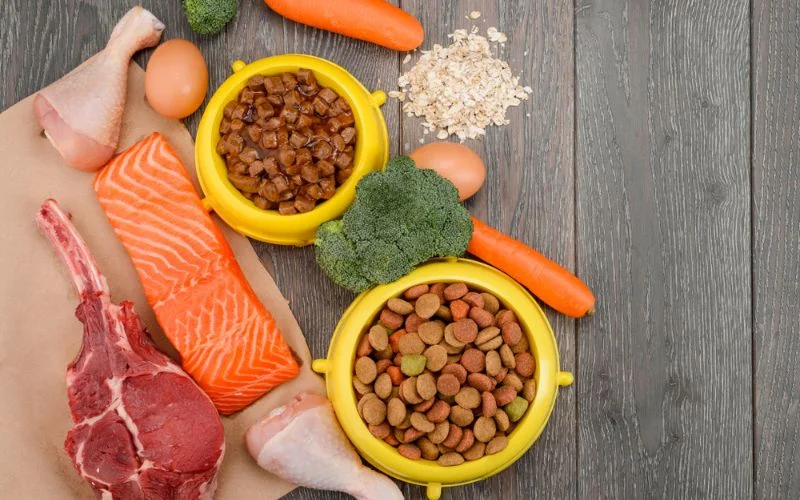
Protein is an essential nutrient for dogs, providing the building blocks for strong muscles, healthy skin, and a shiny coat. But how much protein does your furry friend need? The answer may vary depending on age, size, and activity level.
Understanding your dog’s specific requirements regarding high-protein dog food is important. Puppies, for example, require more protein than adult dogs to support their rapid growth and development.
On average, a puppy needs about 22% protein in their diet. As they mature, the protein levels can be gradually reduced to around 18-20%.
For adult dogs, the protein requirement depends on their activity level. Active dogs, such as working dogs or those participating in agility training, may need a higher protein content in their diet. Typically, adult dogs require around 18-25% protein in their meals.
On the other hand, senior dogs may benefit from a slightly lower protein content to ease the strain on their kidneys. Aim for a protein level of around 15-18% for older dogs.
It’s important to note that these percentages are general guidelines. Some dogs may have specific dietary needs or health conditions that require adjustments to their protein intake. Consulting with your veterinarian is always recommended to ensure your dog’s nutritional needs are being met.
When selecting a high-protein dog food, look for quality ingredients such as real meat or fish as the primary protein source. Avoid products that contain excessive fillers or artificial additives. Reading the label and understanding the protein content is key to providing your dog with a balanced diet.
In conclusion, understanding how much protein your dog needs is crucial for their overall health and well-being. You can ensure they thrive and lead a happy, active life by providing them with a high-protein diet tailored to their needs.
Which Dog Breeds Require High Protein Diets?
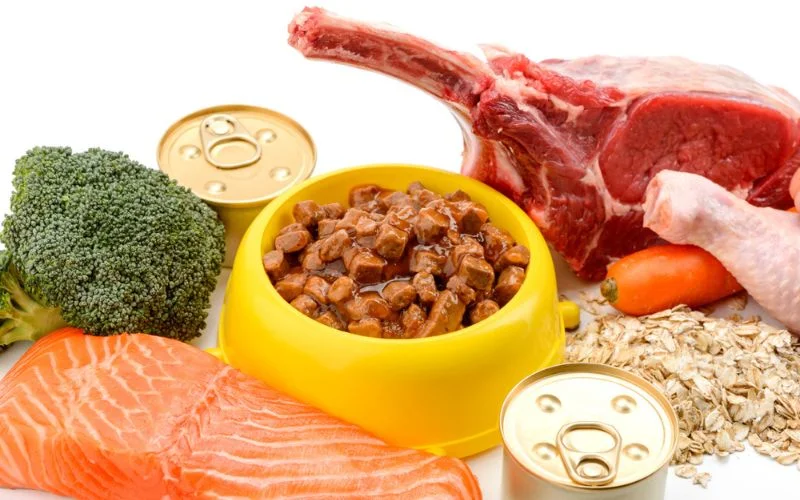
It is essential to understand their specific dietary needs when it comes to providing the best nutrition for our furry friends.
While all dogs require a balanced diet, some breeds have higher protein requirements than others. This article will explore which dog breeds benefit from high-protein diets.
Working and Sporting Breeds: German Shepherds, Labrador Retrievers, and Border Collies are known for their high energy levels and active lifestyles. These dogs require a protein-rich diet to support their muscle development and endurance. High-protein dog food can help fuel their daily activities and maintain their overall health.
Large Breeds: Large dog breeds, including Great Danes, Mastiffs, and Saint Bernards, have different nutritional needs due to their size and rapid growth. A high-protein diet can aid in proper muscle development and support bone health. Additionally, it can help prevent certain health issues common in large breeds, such as hip dysplasia.
Active Breeds: Breeds that are naturally active and agile, such as Australian Shepherds, Siberian Huskies, and Boxers, require a diet with sustained energy. High-protein dog food can help meet their energy requirements and support their active lifestyle.
Working Dogs: Breeds like Belgian Malinois, Rottweilers, and Doberman Pinschers are often used to perform tasks such as search and rescue, police work, or guarding. These dogs need a high-protein diet to maintain lean muscle mass and support their physical demands.
Remember, while these breeds may benefit from high-protein diets, it is crucial to consult with your veterinarian before making any significant changes to your dog’s diet. They can provide personalized recommendations based on your dog’s needs and health conditions.
In conclusion, understanding which dog breeds require high-protein diets is essential for providing them with the best nutrition. We can ensure their overall health, energy levels, and longevity by feeding them the right food.
Can High Protein Dog Food Help with Weight Loss?
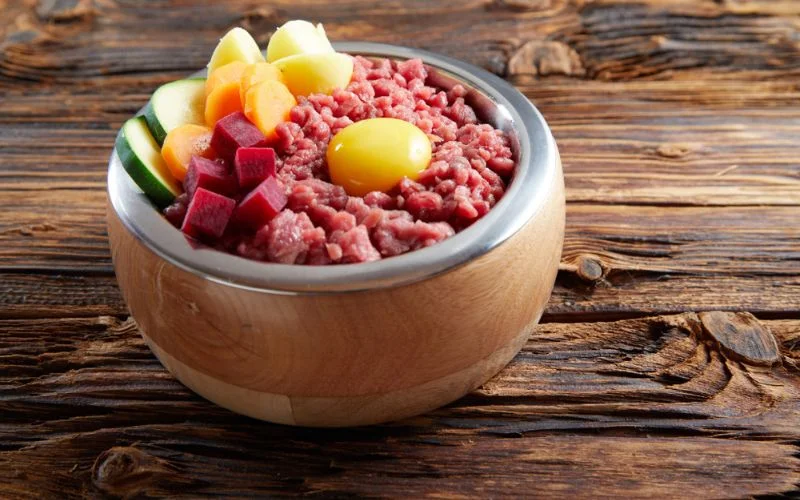
High-protein dog food has gained popularity in recent years, with many pet owners turning to this diet to help their furry friends shed some excess pounds. But can high-protein dog food help with weight loss? Let’s take a closer look.
One of the main reasons why high-protein dog food is believed to aid in weight loss is that protein has a higher thermic effect than carbohydrates and fats.
This means it takes more energy for the body to digest and process protein, resulting in a higher calorie burn. Additionally, protein helps to promote satiety, keeping your dog fuller for longer and reducing the urge to overeat.
Another benefit of high-protein dog food is that it helps to build lean muscle mass. Combined with regular exercise, this can help increase your dog’s metabolism, leading to more efficient calorie burning. Increased muscle mass also means a higher energy expenditure, even at rest.
It’s important to note that while high-protein dog food can benefit weight loss, it should be used as part of a comprehensive weight management plan.
Regular exercise, portion control, and monitoring calorie intake are also crucial factors in helping your dog achieve and maintain a healthy weight.
When choosing a high-protein dog food, a formula specifically designed for weight management is essential.
Look for a product that is low in calories and fat and high in quality protein sources. Consulting with your veterinarian can also help you determine the best diet plan for your dog’s needs.
In conclusion, high-protein dog food can be a valuable tool in helping your furry friend achieve their weight loss goals.
However, it should be used with other weight management strategies for optimal results. Remember to consult your veterinarian before significantly changing your dog’s diet.
Is High Protein Dog Food Suitable for Senior Dogs?
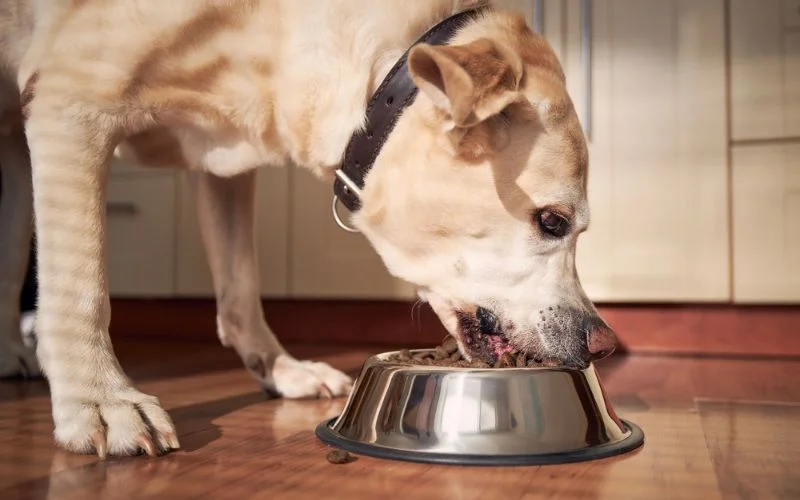
As pet owners, we always strive to provide the best nutrition for our furry friends, especially as they age. One question that often arises is whether high-protein dog food suits senior dogs. Let’s explore this topic and determine if it’s the right choice for your aging canine companion.
Senior dogs have different nutritional needs compared to younger dogs. While protein is essential for dogs of all ages, the amount and type of protein required may vary.
High-protein dog food is generally recommended for active, growing dogs or those with specific dietary requirements. However, a diet with moderate protein levels may be more appropriate for senior dogs.
One concern with high-protein dog food for senior dogs is the strain it can put on their kidneys. As dogs age, their kidneys may not function as efficiently as they once did.
Excessive protein intake can potentially worsen kidney function and lead to health issues. It’s important to consult with your veterinarian to determine the right protein levels for your senior dog’s specific needs.
Another factor to consider is the overall balance of nutrients in your senior dog’s diet. While protein is important, old dogs also require adequate vitamins, minerals, and fats to support their aging bodies.
A well-rounded diet with high-quality protein and other essential nutrients is crucial for maintaining their health and well-being.
In conclusion, while high-protein dog food may be suitable for some dogs, it may not be the best choice for seniors.
It’s important to consider their needs and consult your veterinarian to determine the most appropriate diet. A balanced and nutritious diet is key to ensuring the health and longevity of your senior dog.
Are There Any Risks of Feeding High-Protein Dog Food?
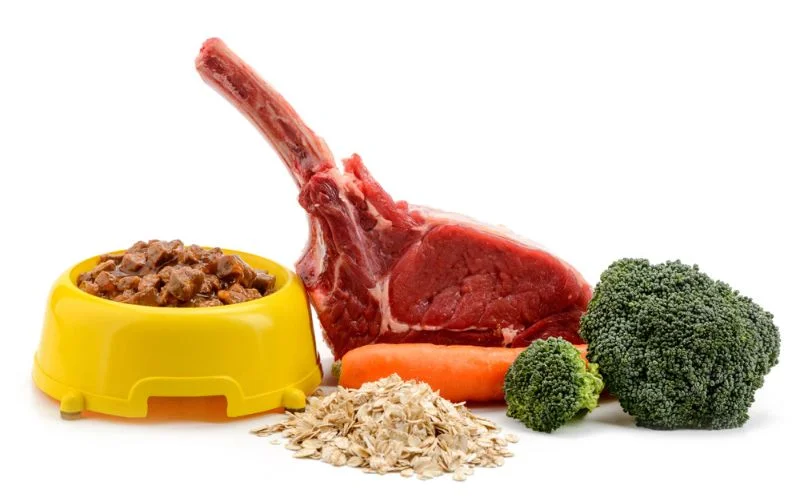
High-protein dog food has gained popularity recently, with many pet owners opting for this diet for their furry friends. While it is true that dogs require a certain amount of protein in their diet, there are potential risks associated with feeding them high protein levels.
One of the main concerns with high-protein dog food is the strain it can put on a dog’s kidneys. Dogs cannot process and eliminate excess protein, so feeding them too much can lead to kidney damage over time. This is especially true for dogs with pre-existing kidney issues or older.
Another risk of feeding high-protein dog food is the potential for weight gain. Protein-rich diets can be calorie-dense, and if a dog is consuming more calories than they are burning, they can easily become overweight or obese. This can lead to many health problems, including joint issues, heart disease, and diabetes.
In addition to kidney damage and weight gain, high-protein dog food can cause digestive issues. Some dogs may experience diarrhea or upset stomachs when their diet is too high in protein. It is important to gradually introduce dietary changes to your dog and monitor their reactions closely.
While high-protein dog food can benefit certain dogs, it is important to consider the potential risks. Consulting with a veterinarian is always recommended before making major changes to your dog’s diet.
They can help determine the appropriate protein levels for your dog based on their breed, age, and overall health.
In conclusion, while high-protein dog food can have its benefits, there are also risks associated with feeding it to your furry friend. It is important to strike a balance and provide your dog with a well-rounded, nutritious diet that meets their needs.
Should I Consult a Veterinarian Before Switching to High Protein Dog Food?

When it comes to the health and well-being of our furry companions, it’s only natural to want the best for them. As dog owners, we often find ourselves researching and trying to provide the most nutritious diet for our four-legged friends.
High-protein dog food has gained popularity recently, but should you consult a veterinarian before making the switch?
The answer is a resounding yes. While high-protein dog food can offer numerous benefits, it’s important to remember that not all dogs have the same dietary needs. Consulting a veterinarian before significantly changing your dog’s diet is crucial to ensure their health and well-being.
Veterinarians have the knowledge and expertise to assess your dog’s nutritional requirements. They can evaluate age, breed, weight, and health conditions. You can receive personalized advice tailored to your dog’s unique needs by consulting a veterinarian.
Additionally, some dogs may have allergies or sensitivities to certain ingredients commonly found in high-protein dog food. A veterinarian can help identify any potential dietary restrictions or intolerances your dog may have, ensuring that the new diet will not cause any adverse reactions.
Furthermore, a veterinarian can guide you on how much protein your dog should consume. While protein is essential for dogs, excessive amounts can lead to health issues such as kidney problems or obesity.
By seeking professional advice, you can strike the right balance and provide your dog with a diet that promotes optimal health.
In conclusion, I consulted a veterinarian before switching to high-protein dog food. Their expertise will help ensure that the dietary change suits your dog’s needs and will promote their overall well-being. Remember, your veterinarian is your trusted partner in providing the best care for your furry friend.
What Are Some High-Protein Dog Food Brands?

When providing the best nutrition for our furry friends, high-protein dog food is a popular choice among pet owners.
Dogs require a diet that is rich in protein to support their growth, development, and overall health. This article will explore some of the top high-protein dog food brands available.
Blue Buffalo is one of the leading brands in the high-protein dog food category. Known for their commitment to using real meat as the primary ingredient, Blue Buffalo offers various options catering to different dog breeds and sizes.
Their formulas are packed with high-quality protein sources such as chicken, fish, and lamb, ensuring your dog gets the necessary nutrients.
Another reputable brand is Taste of the Wild. This brand focuses on providing a diet that mimics the natural diet of dogs’ ancestors.
Their grain-free formulas feature protein-rich ingredients like roasted venison, smoked salmon, and bison. With a variety of flavors to choose from, Taste of the Wild offers options that will satisfy even the pickiest eaters.
Merrick is worth considering if you’re looking for a high-protein food brand suitable for dogs with specific dietary needs. They offer a range of grain-free options free from artificial additives and fillers.
Their recipes include real deboned meat, fruits, and vegetables, providing a balanced and nutritious diet for your canine companion.
In conclusion, when it comes to high-protein dog food brands, options like Blue Buffalo, Taste of the Wild, and Merrick are among the top choices.
These brands prioritize using real meat as the main ingredient and offer a variety of flavors to cater to different preferences. Remember to consult your veterinarian to determine the best high-protein dog food brand for your furry friend’s specific needs.
Conclusion
High-protein dog food offers numerous benefits for our furry friends. It provides the necessary nutrients for their overall health and well-being.
The higher protein content helps with muscle development, energy levels, and overall growth. It can also aid in weight loss by promoting a feeling of fullness and reducing the intake of excess calories.
It is crucial to understand that different dog breeds have varying protein requirements. Some species, such as working dogs or highly active species, require higher protein diets to support their energy needs. On the other hand, senior dogs may benefit from lower protein levels to avoid straining their kidneys.
While high-protein dog food offers numerous benefits, it is essential to consult a veterinarian before making any dietary changes for your furry friend. They can provide personalized advice and ensure the new diet suits your dog’s needs.
The trend toward high-protein food will likely continue as more pet owners recognize the importance of providing optimal nutrition.
As research and development in the pet food industry advances, we expect to see even more high-quality products in dog food brands entering the market.
Thank you for taking the time to read this post. We hope you found it informative and helpful in understanding the benefits and considerations of high-protein dog food.
We encourage you to leave any comments or feedback, as we value your input. Remember, providing your dog with a nutritious diet is one of the best ways to ensure their health and happiness.
